Why COP31 matters
COP31 opens in Antalya at a critical moment for international climate cooperation. Ten years after the Paris Agreement entered into force, governments face growing pressure to demonstrate that their climate commitments are translating into measurable progress.
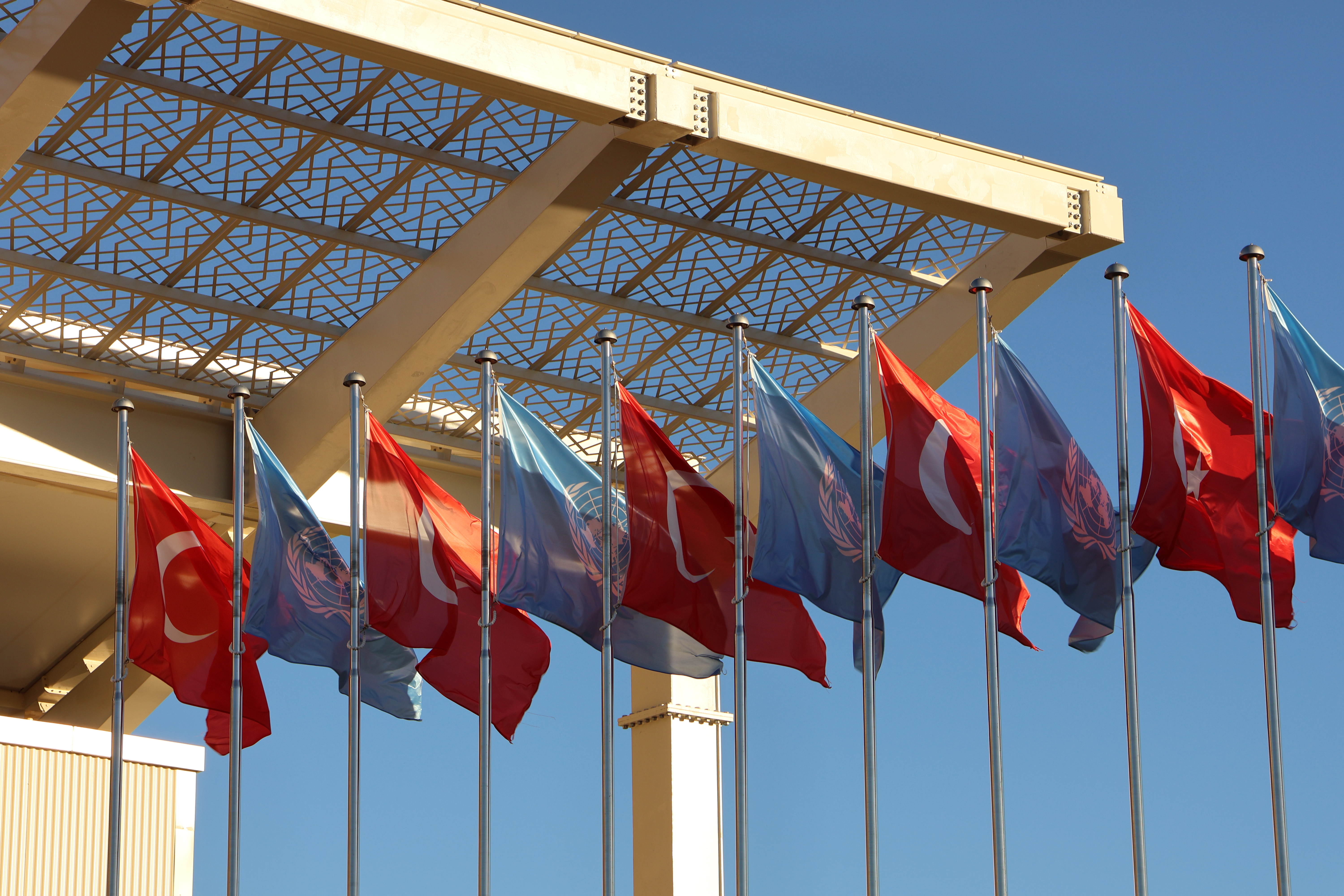
This year's summit brings together an unusual division of leadership. Türkiye holds the COP Presidency and will oversee its Action Agenda, while Australia will lead the formal negotiations in partnership with Pacific Island countries. The Action Agenda is expected to draw attention to voluntary initiatives involving governments and other stakeholders. Meanwhile, fossil fuel language and the delivery of climate finance commitments remain potential points of contention, including follow-up on the Baku-to-Belém Roadmap and the commitment to triple adaptation finance.
The second Global Stocktake (GST 2) will also begin at COP31, with the process running through 2028. Building on the First International Conference on Transitioning Away from Fossil Fuels (TAFF), held in Santa Marta earlier this year, governments will face growing scrutiny over whether they have credible plans to reduce fossil fuel dependence. However, South Korea and Japan were among other key countries absent from the first TAFF conference, raising questions about how major energy-importing economies view the relationship between energy security and the transition away from fossil fuels.
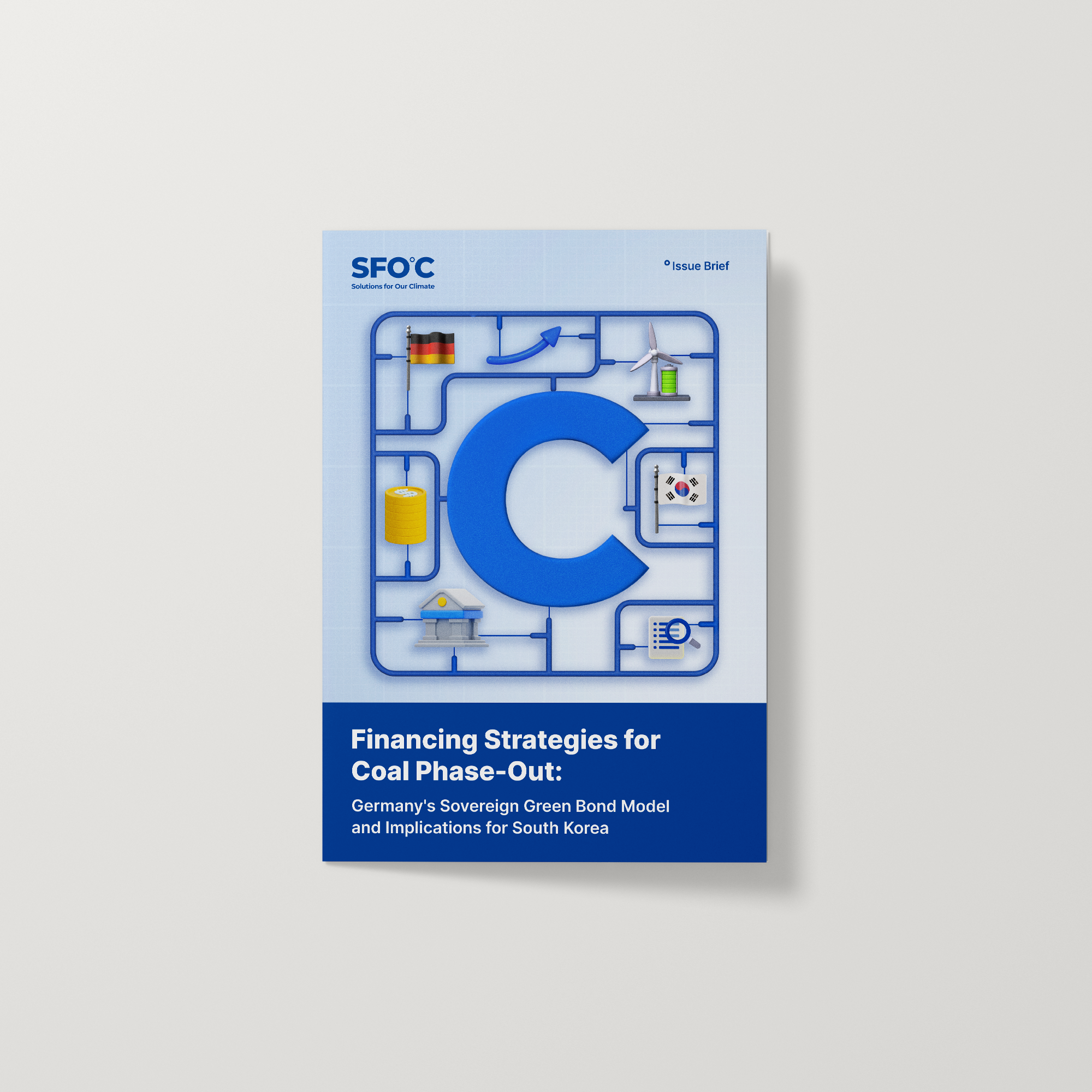
The decisions made at COP31 will therefore carry particular weight for Asia. The region plays a major role in global energy demand, industrial production, shipbuilding, and public finance, while its renewable energy expansion will depend on the ability of electricity systems to accommodate new capacity. Alongside this, South Korea and Japan must also address their continued financial involvement in fossil fuel activities at sea.
Countries must show how they will move away from fossil fuels
The first Global Stocktake, concluded at COP28 in Dubai in 2023, found that global climate efforts were insufficient to keep the 1.5°C temperature limit within reach. Its outcomes called for stronger national climate commitments and faster implementation, including through the next round of Nationally Determined Contributions (NDCs).
The challenge now is to determine whether countries are delivering on those commitments. GST 2 must serve as an implementation and course-correction mechanism, rather than simply another assessment of the world's climate shortfalls. It should identify where progress is lacking, examine the political, financial and institutional barriers involved, and clarify what governments must do before the process concludes in 2028.
A key test will be whether countries develop credible roadmaps for transitioning away from fossil fuels. These plans need more than long-term ambitions: they should include feasible timelines, supporting policies, financing arrangements, and mechanisms to track progress. Governments must also set out how they intend to halt and reverse deforestation by 2030.
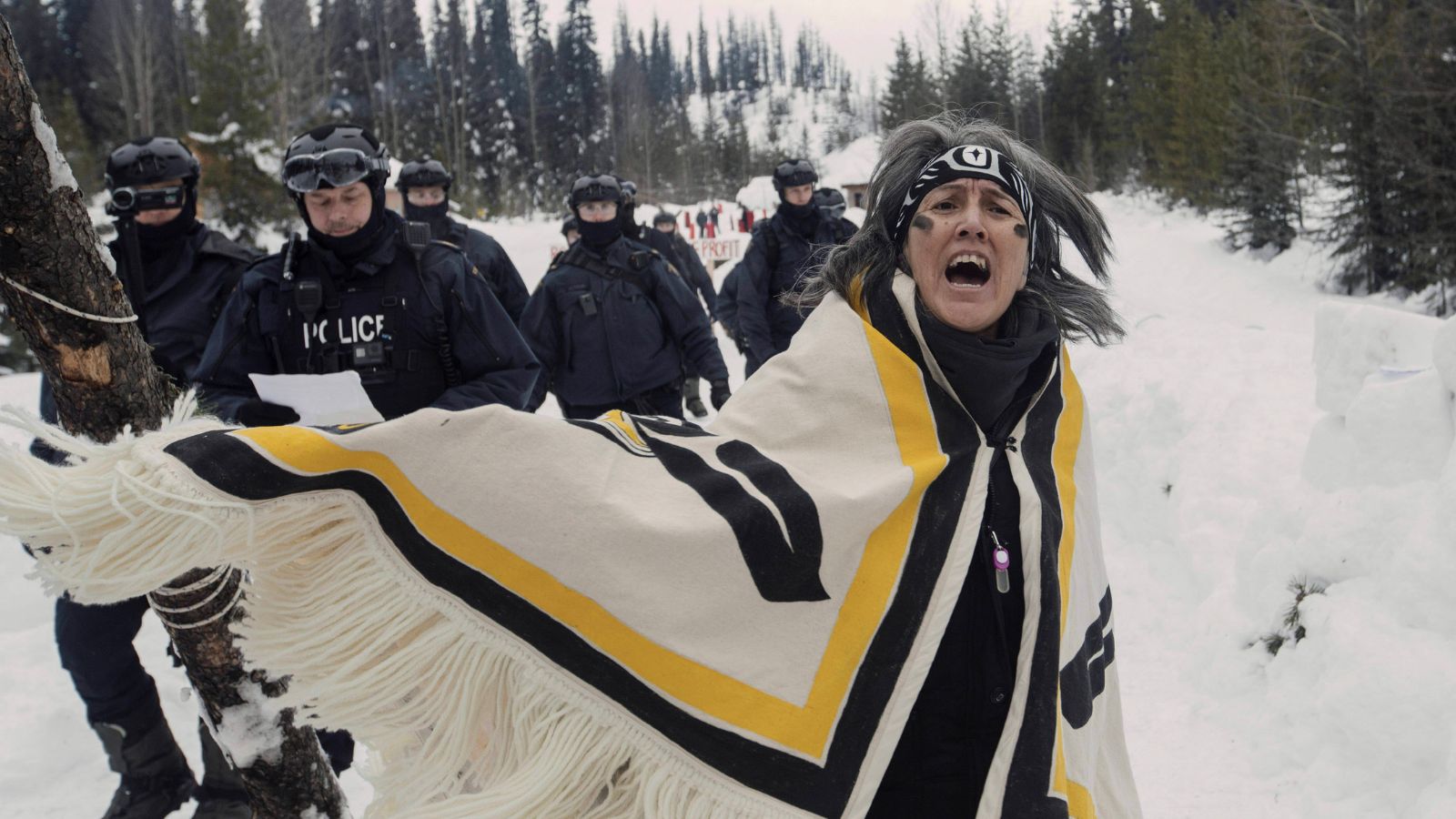
For Pacific Island countries, the consequences of delayed action are already tangible. The Taku Pakasoa Declaration, adopted at the Pacific Pre-COP31 meeting in October, highlighted priorities including accessible climate finance, ocean protection, and keeping the 1.5°C goal within reach. Their demands underscore why accountability must be measured by changes communities experience, rather than promises made during international negotiations.
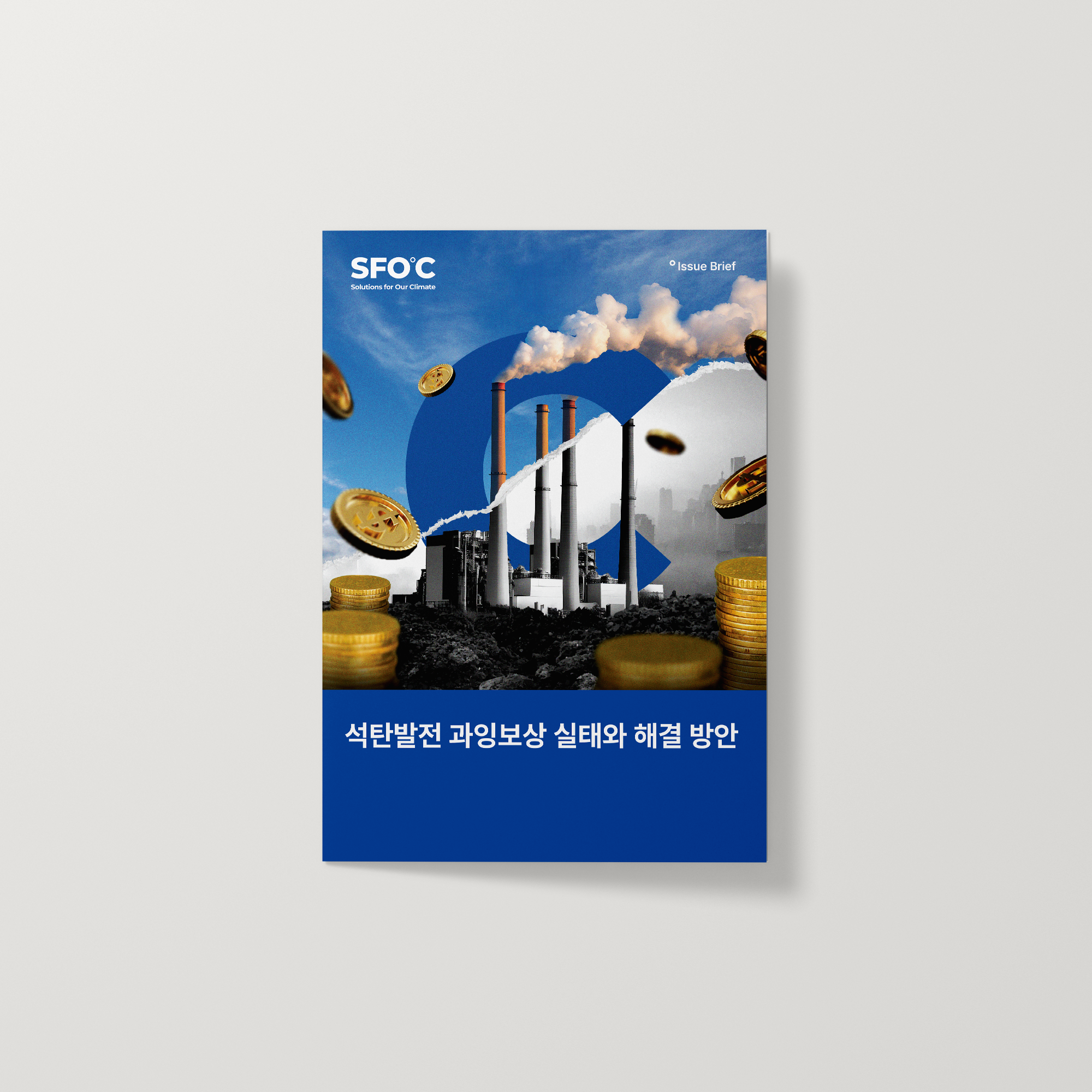
Fossil fuels at sea: South Korea and Japan's responsibility
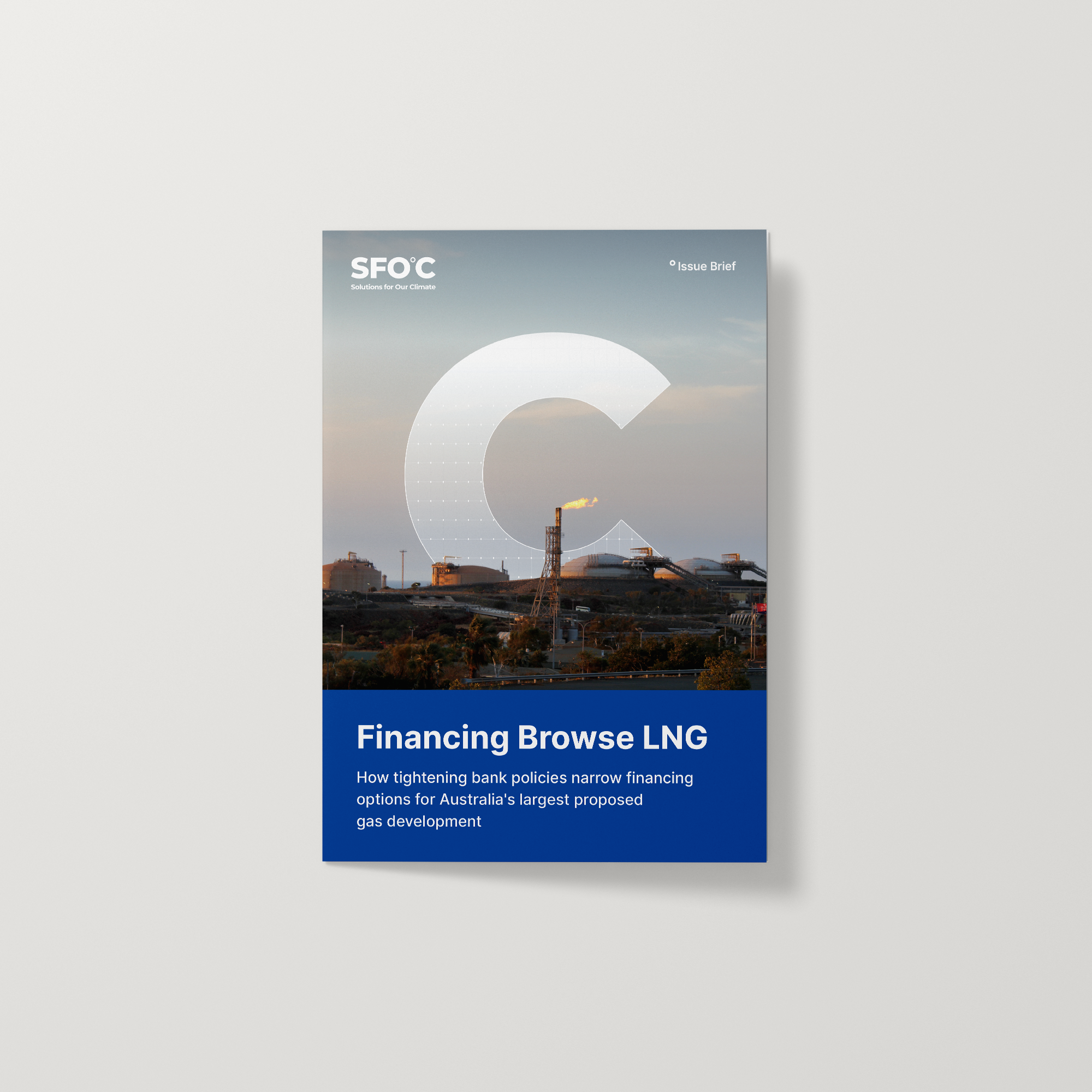
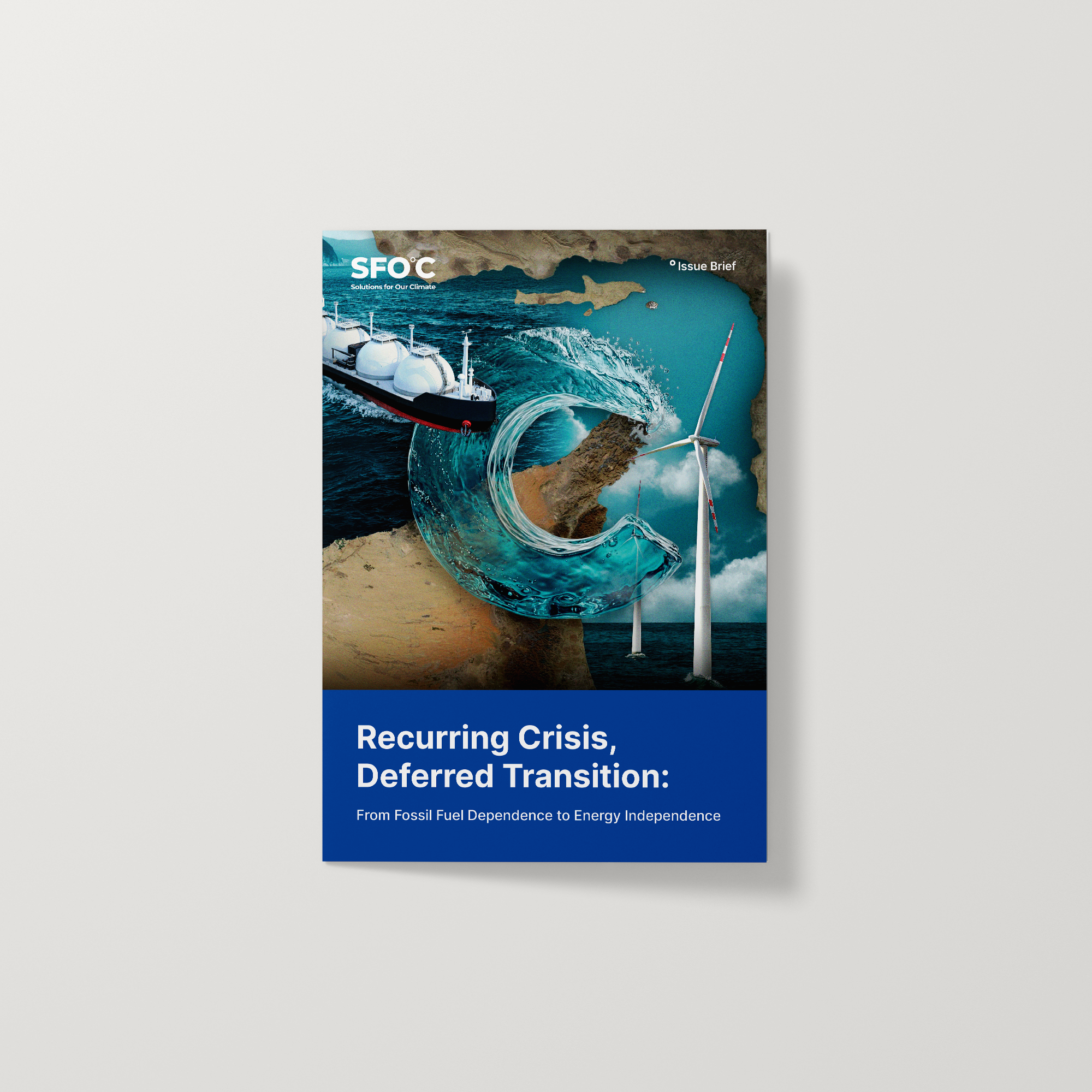
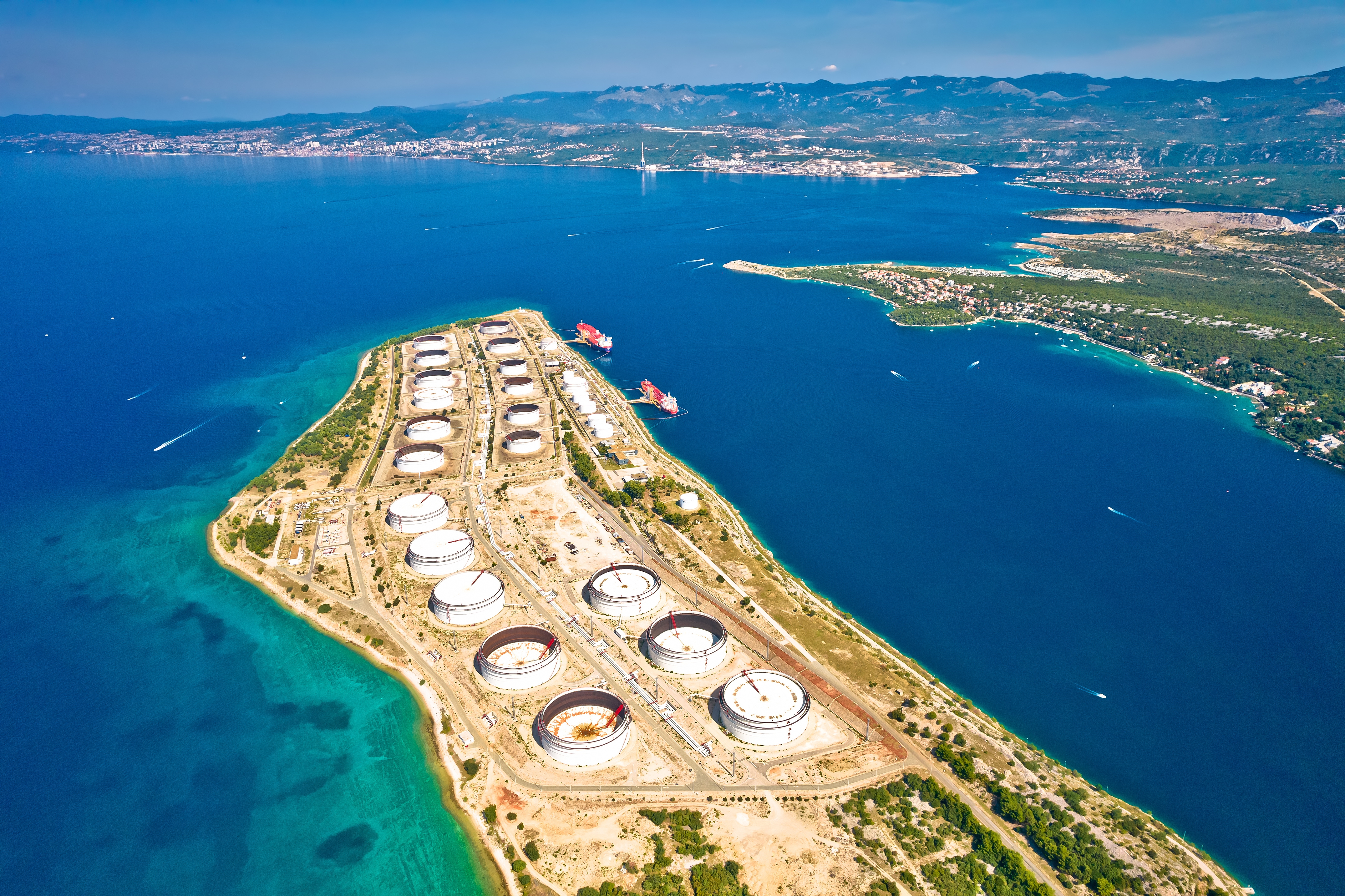
South Korea and Japan must stop using public money to finance fossil fuel activities at sea. Their financial institutions and industrial sectors play influential roles in the global maritime economy, making their decisions consequential for the future of green shipping and infrastructure.
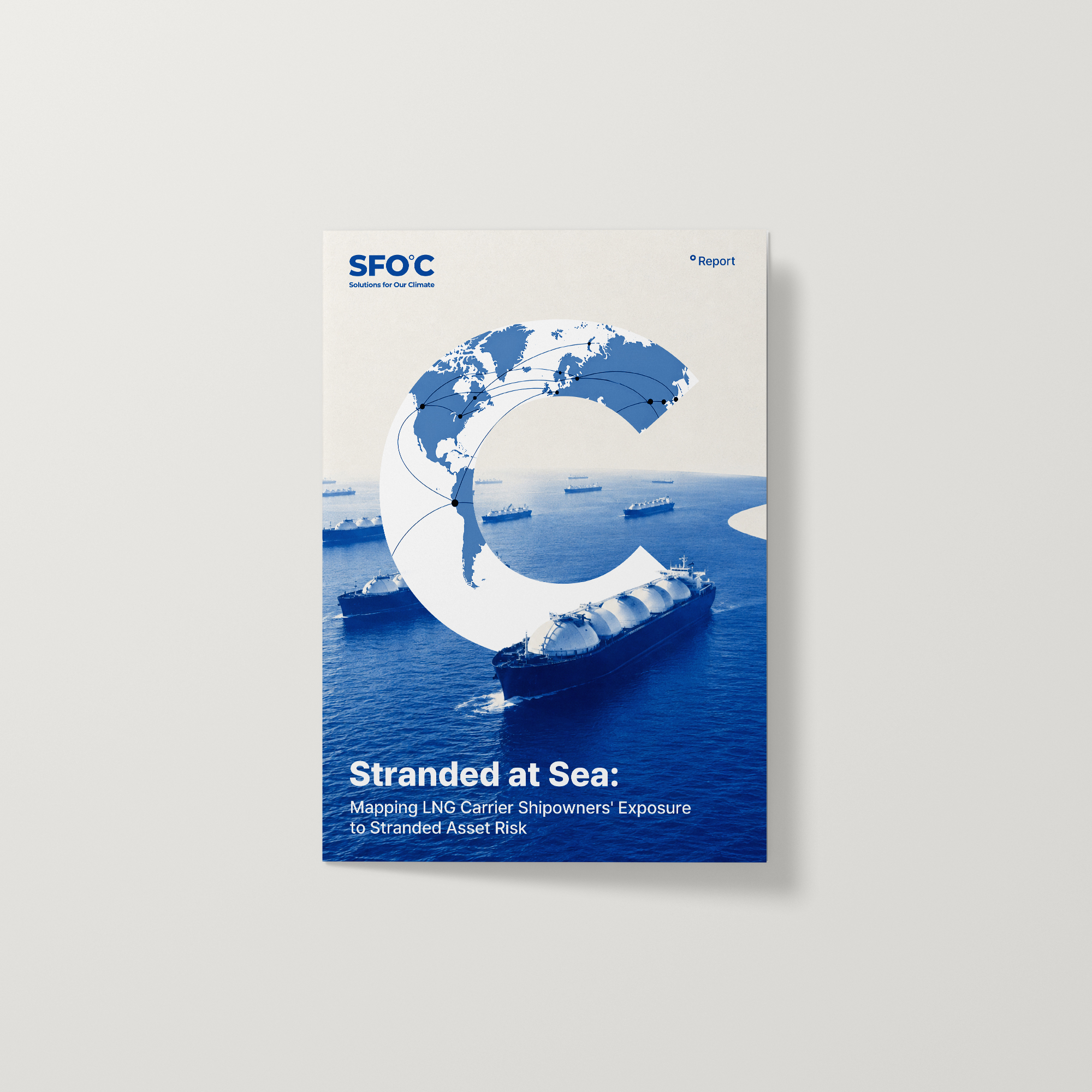
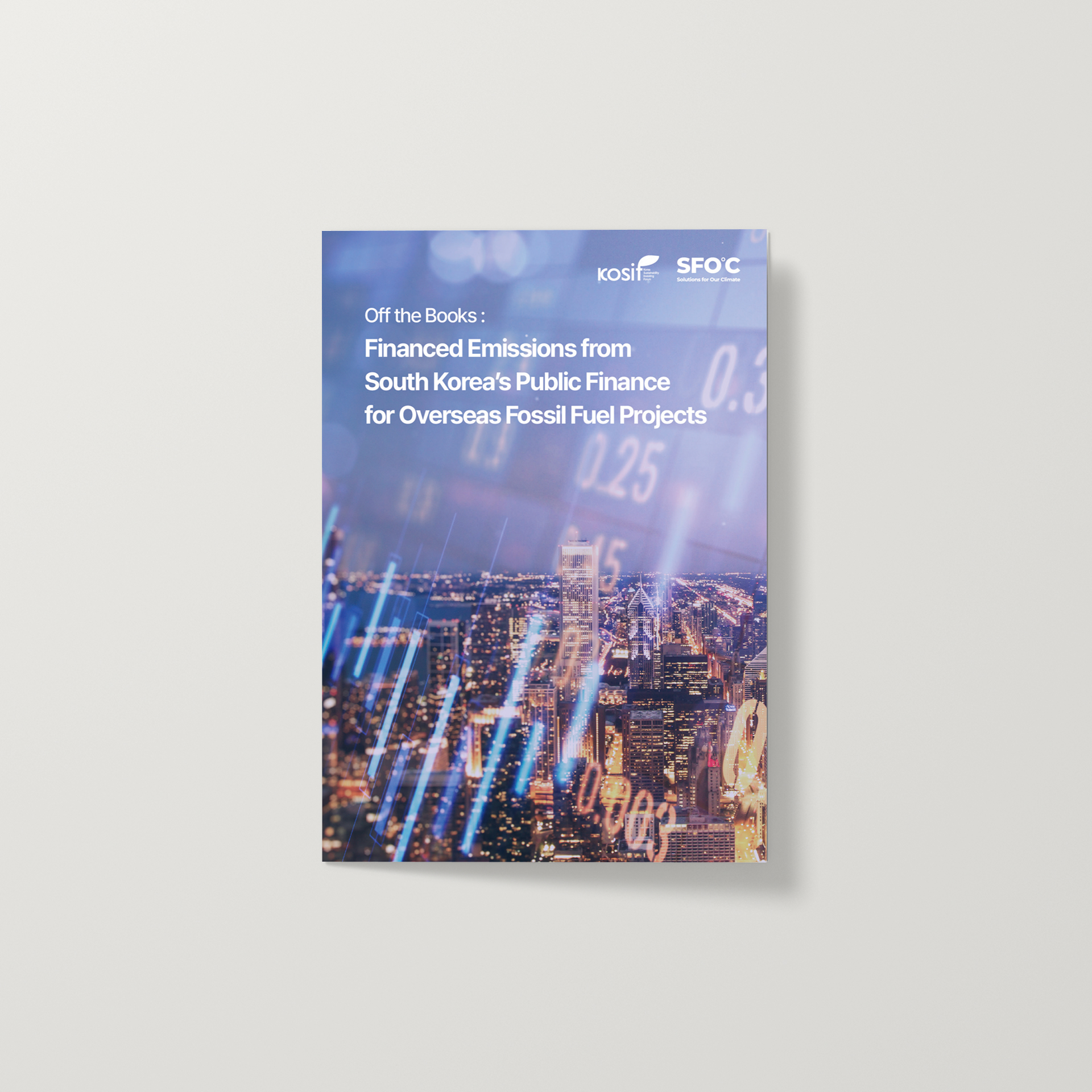
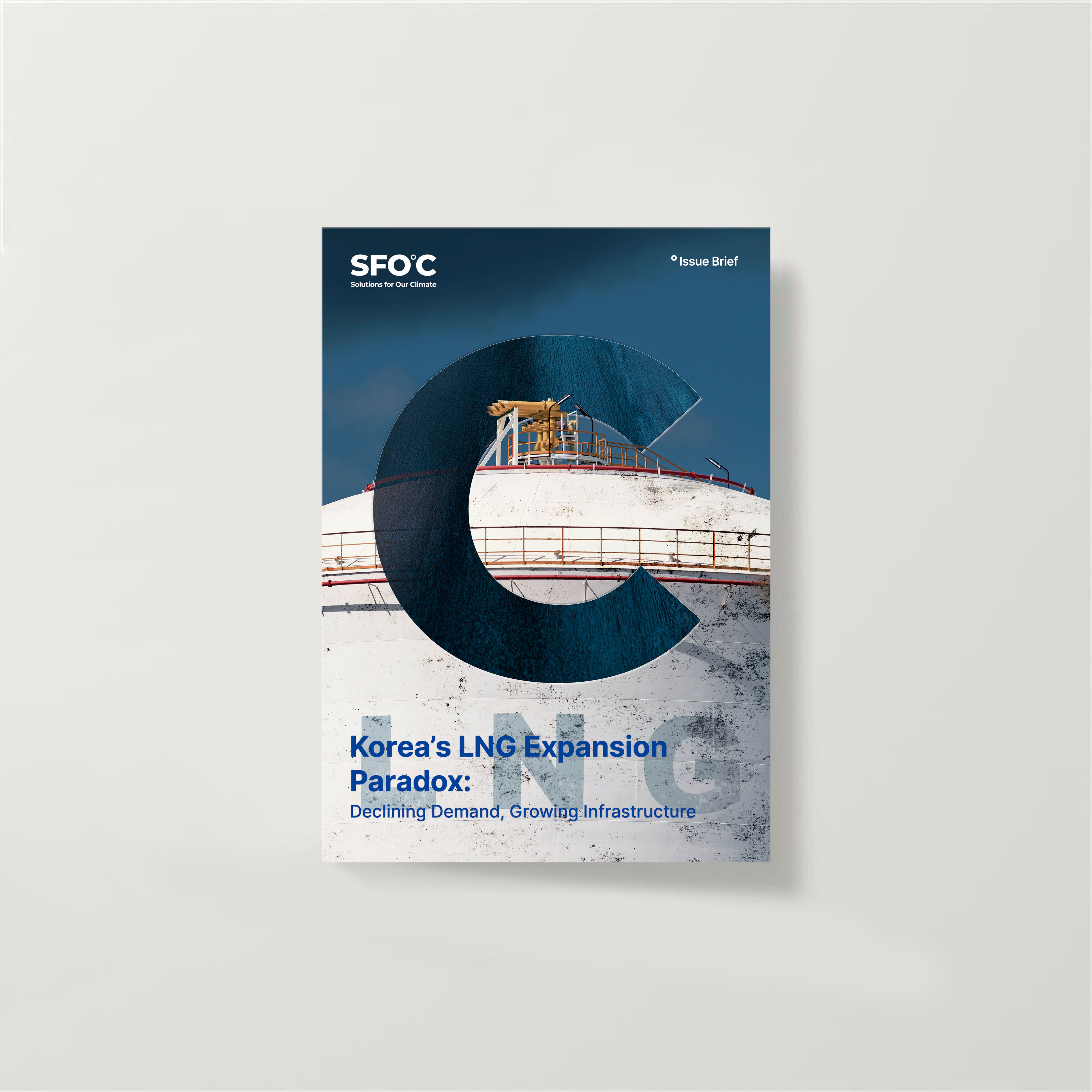
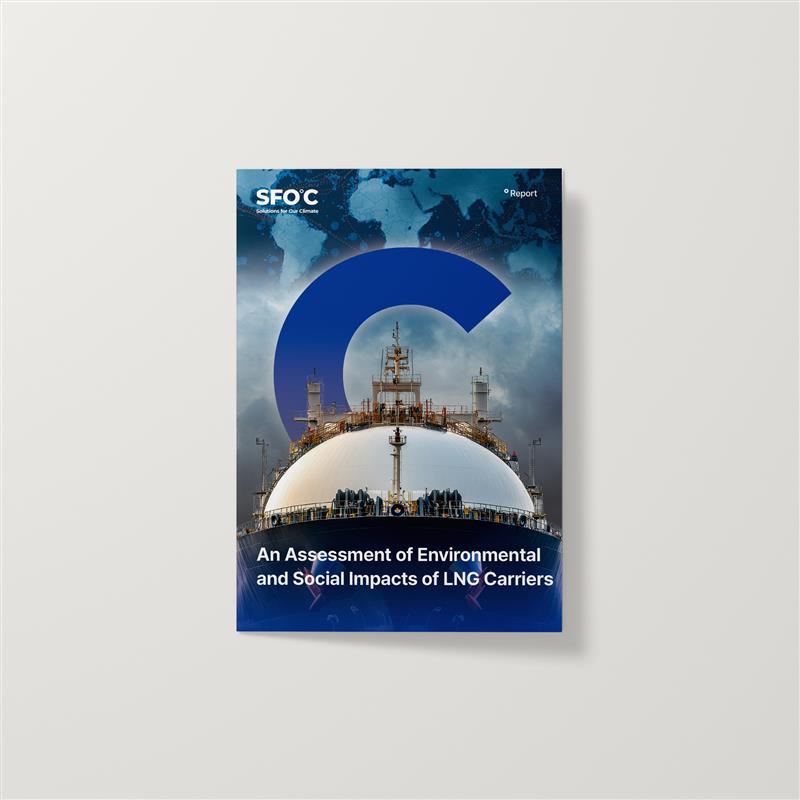
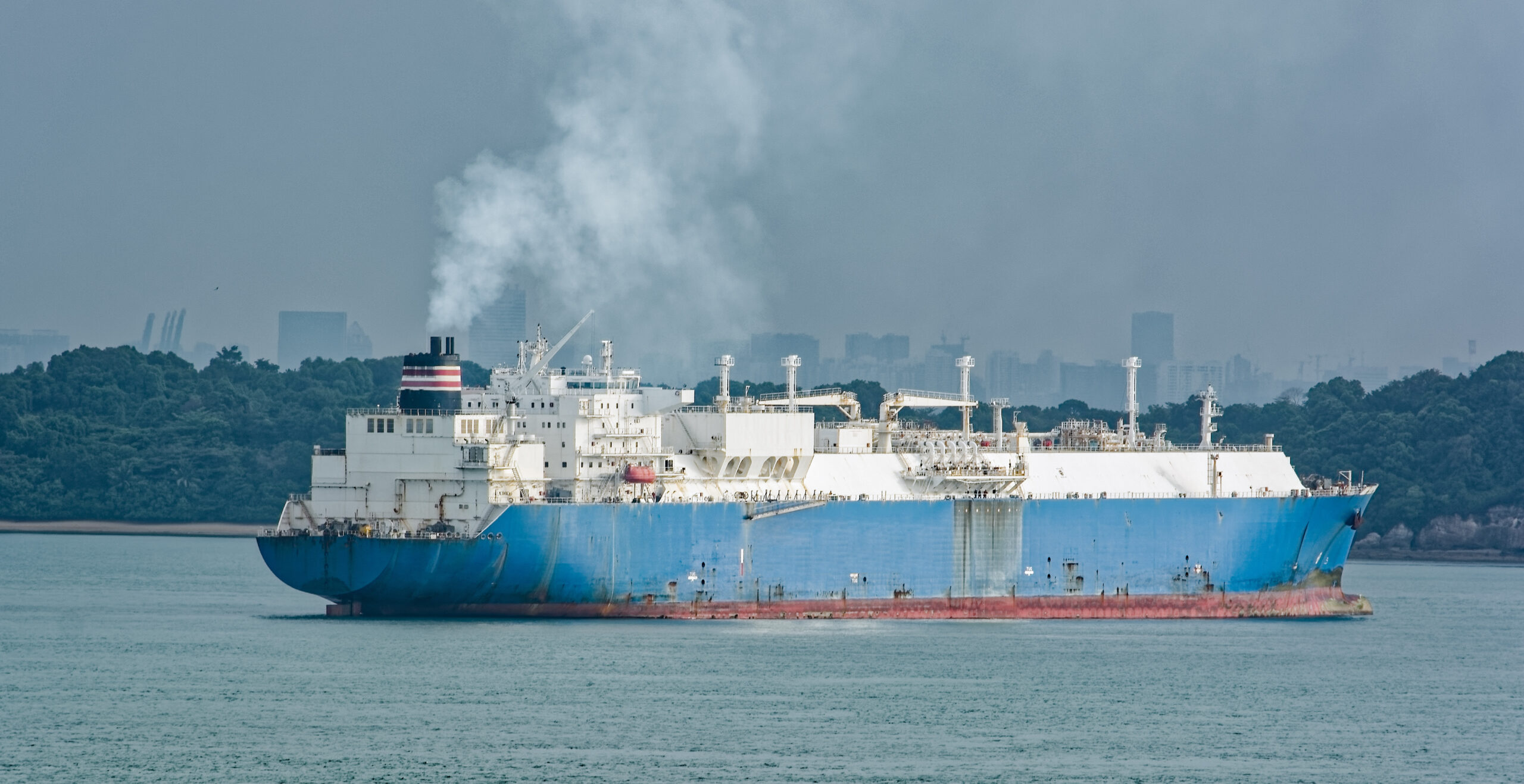
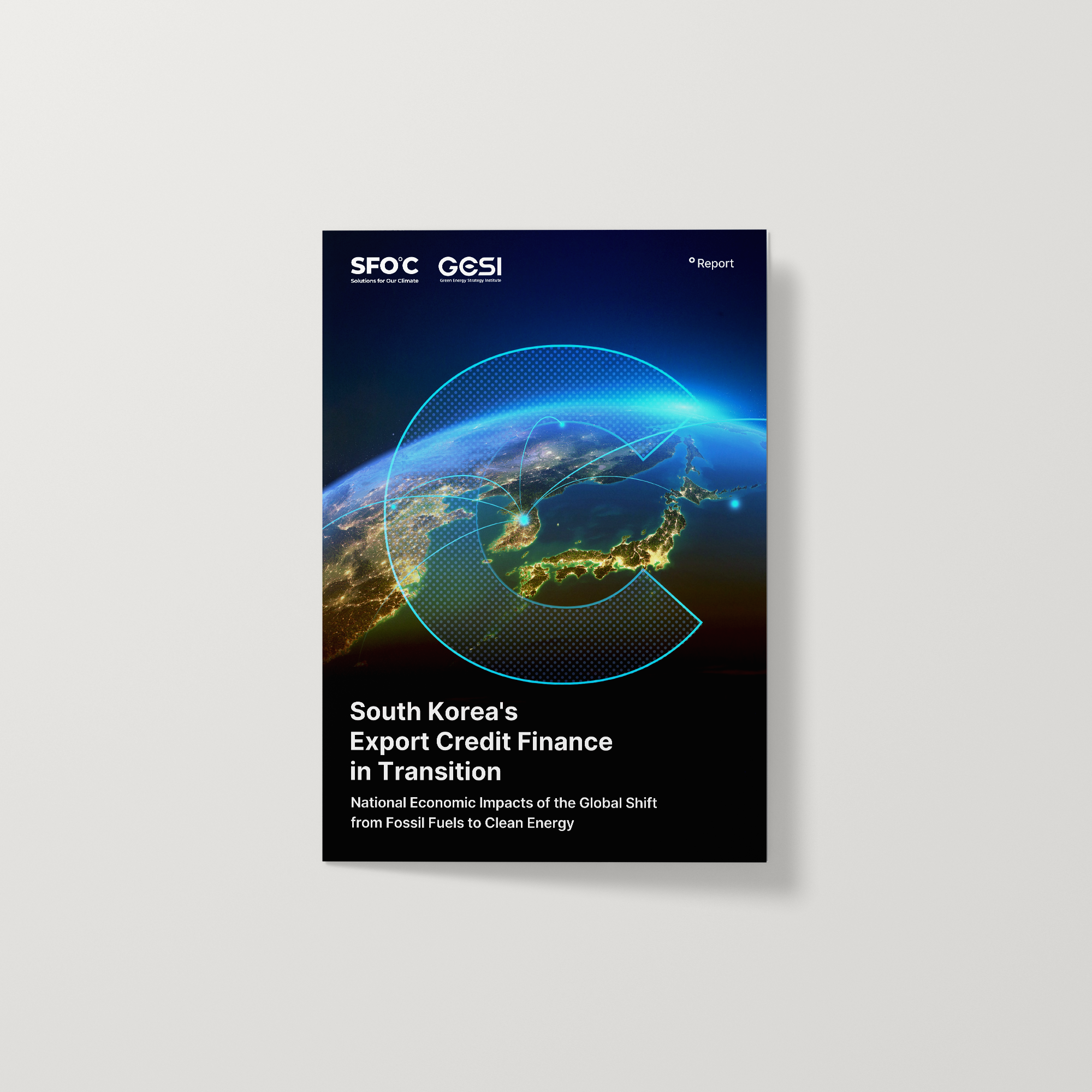
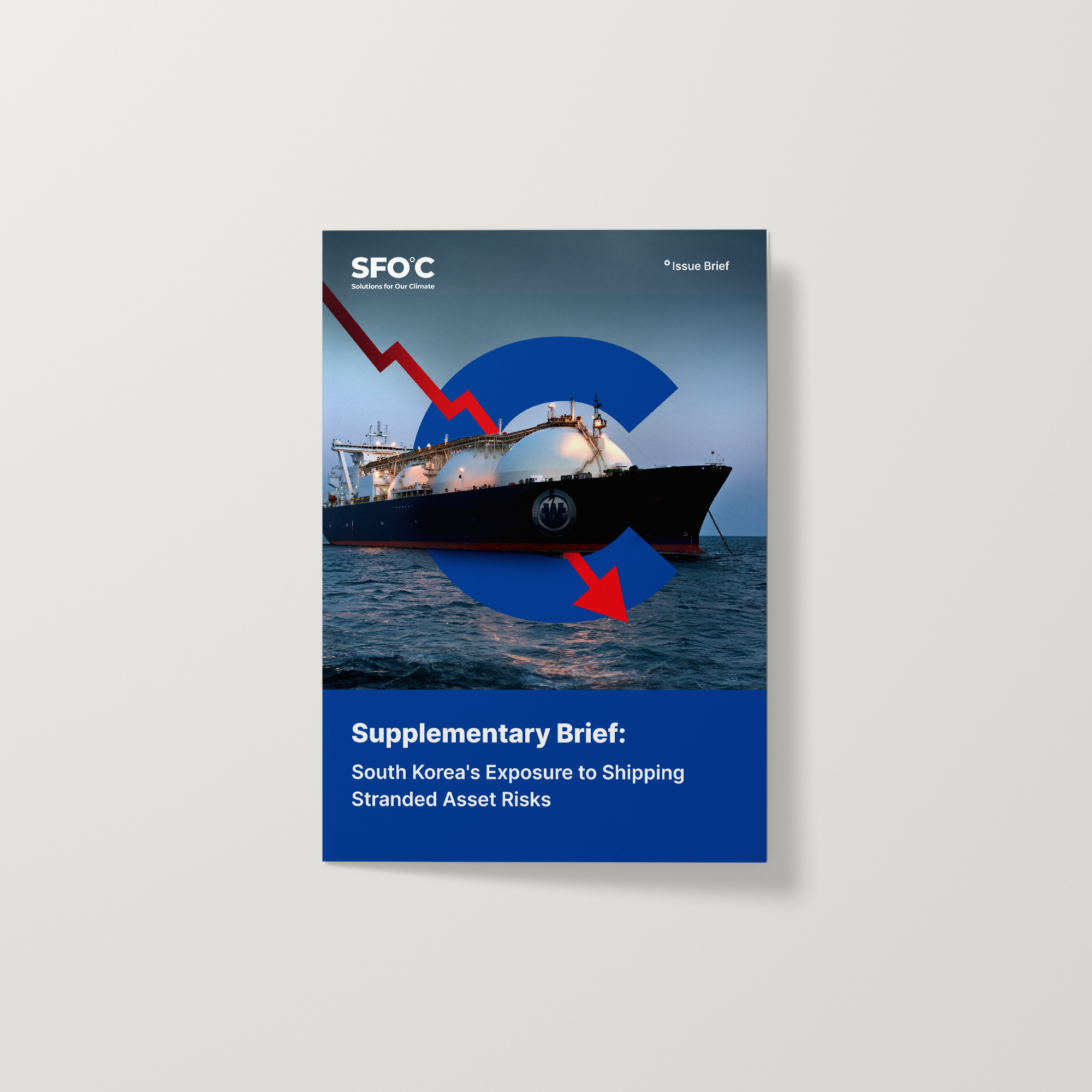
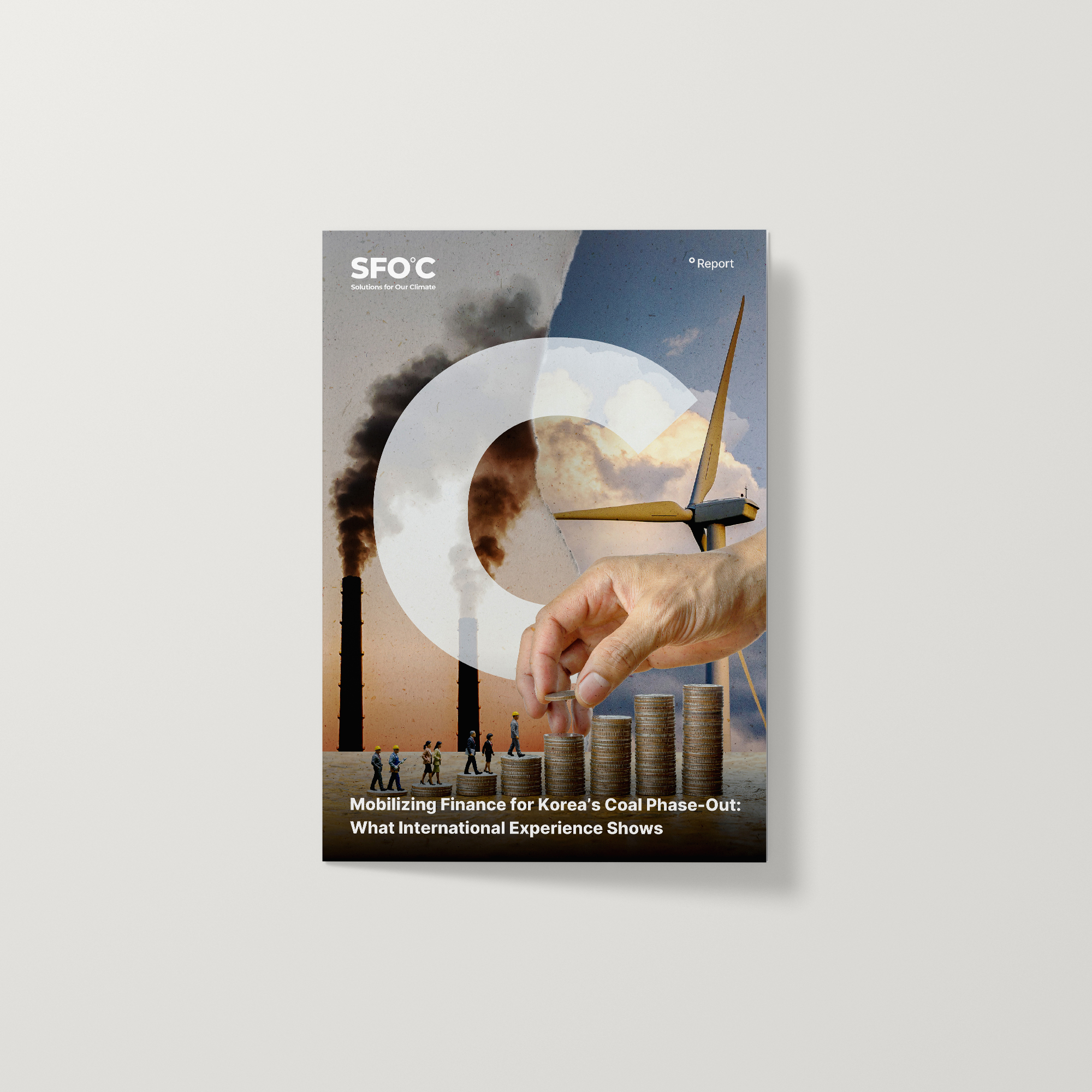
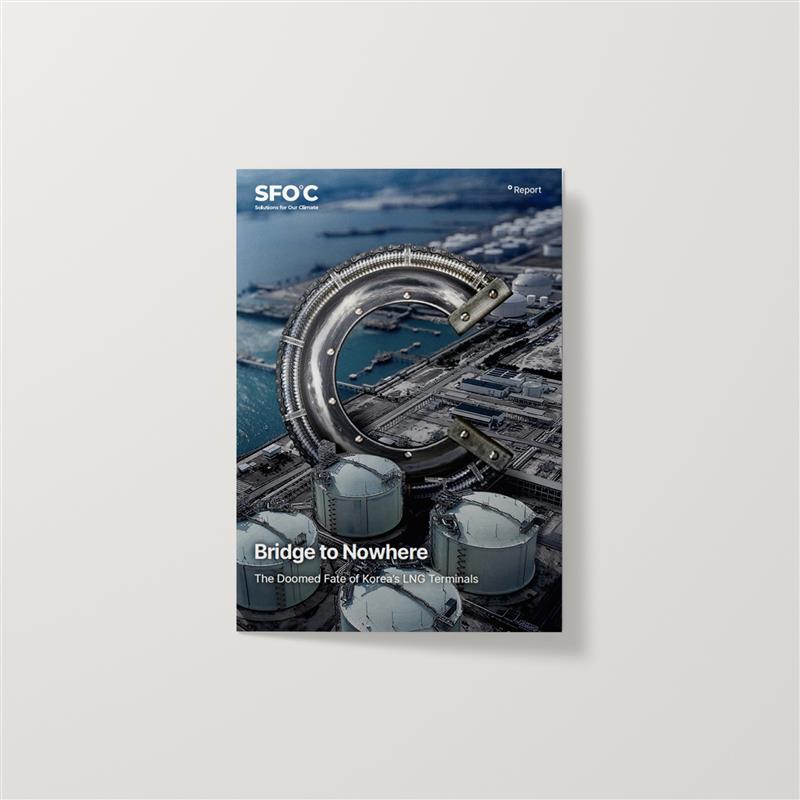
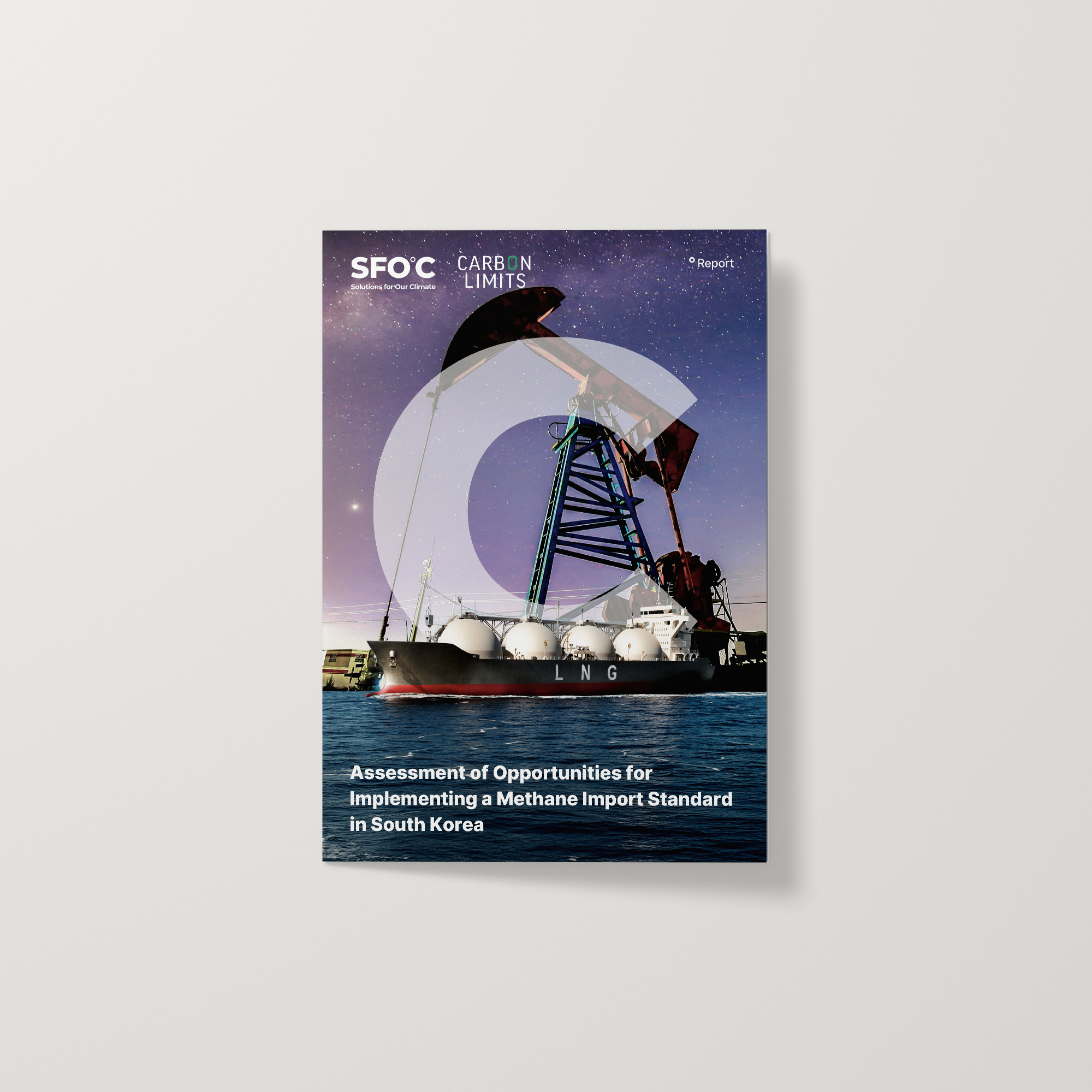
South Korea is one of the world's leading builders of liquefied natural gas (LNG) carriers. Its shipbuilding industry is supported by a network of public financial institutions, such as the Export-Import Bank of Korea (KEXIM) and the Korea Development Bank (KDB). Over the past decade, KEXIM alone has provided USD 27 billion in financing support, including loans and guarantees for LNG carriers.
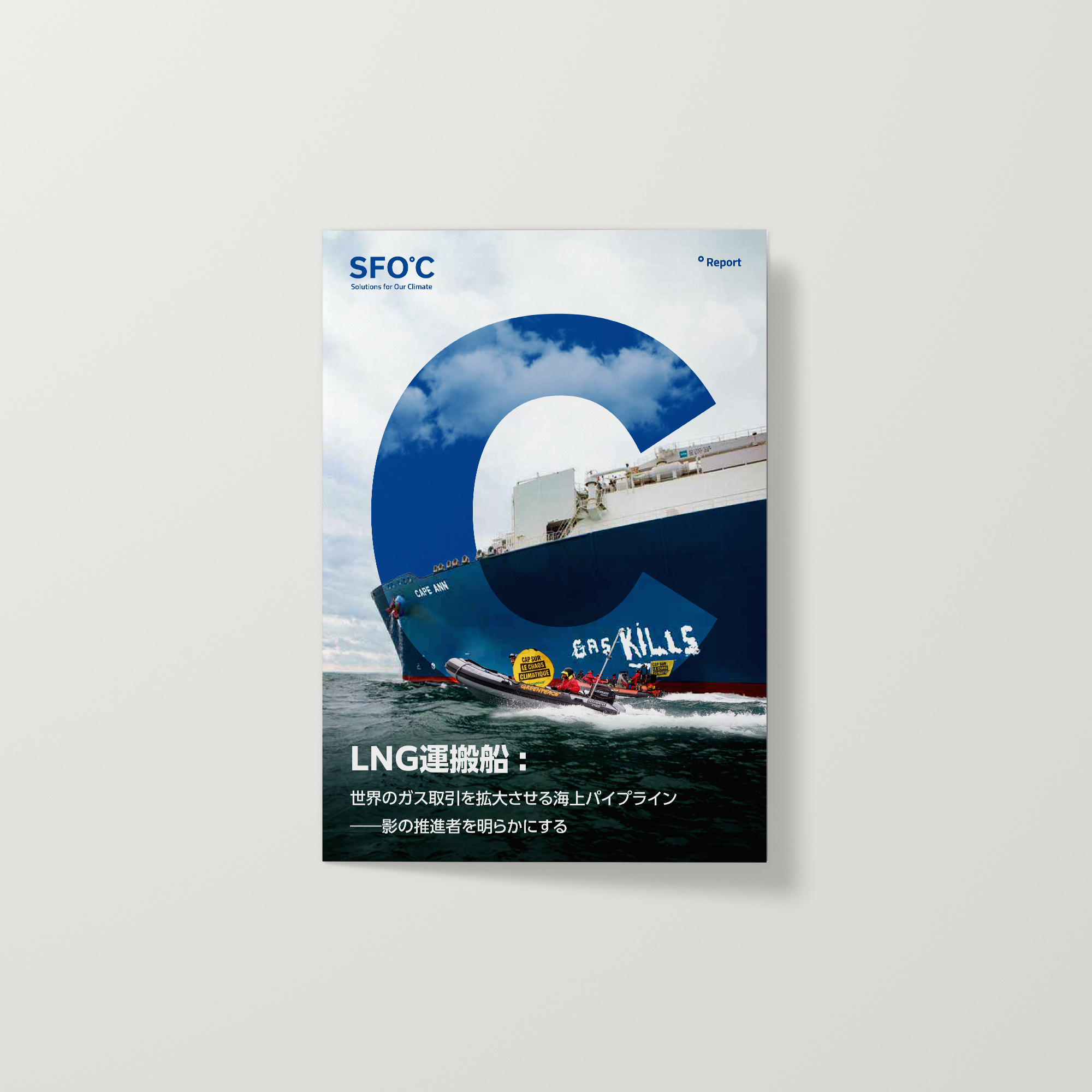
Japan also plays a significant role in financing fossil fuel-related infrastructure and maritime transportation. Two major public financing institutions – the Japan Bank for International Cooperation (JBIC) and Nippon Export and Investment Insurance (NEXI) – have cumulatively committed more than USD 5.5 billion in financing and insurance to the Mozambique LNG Project.
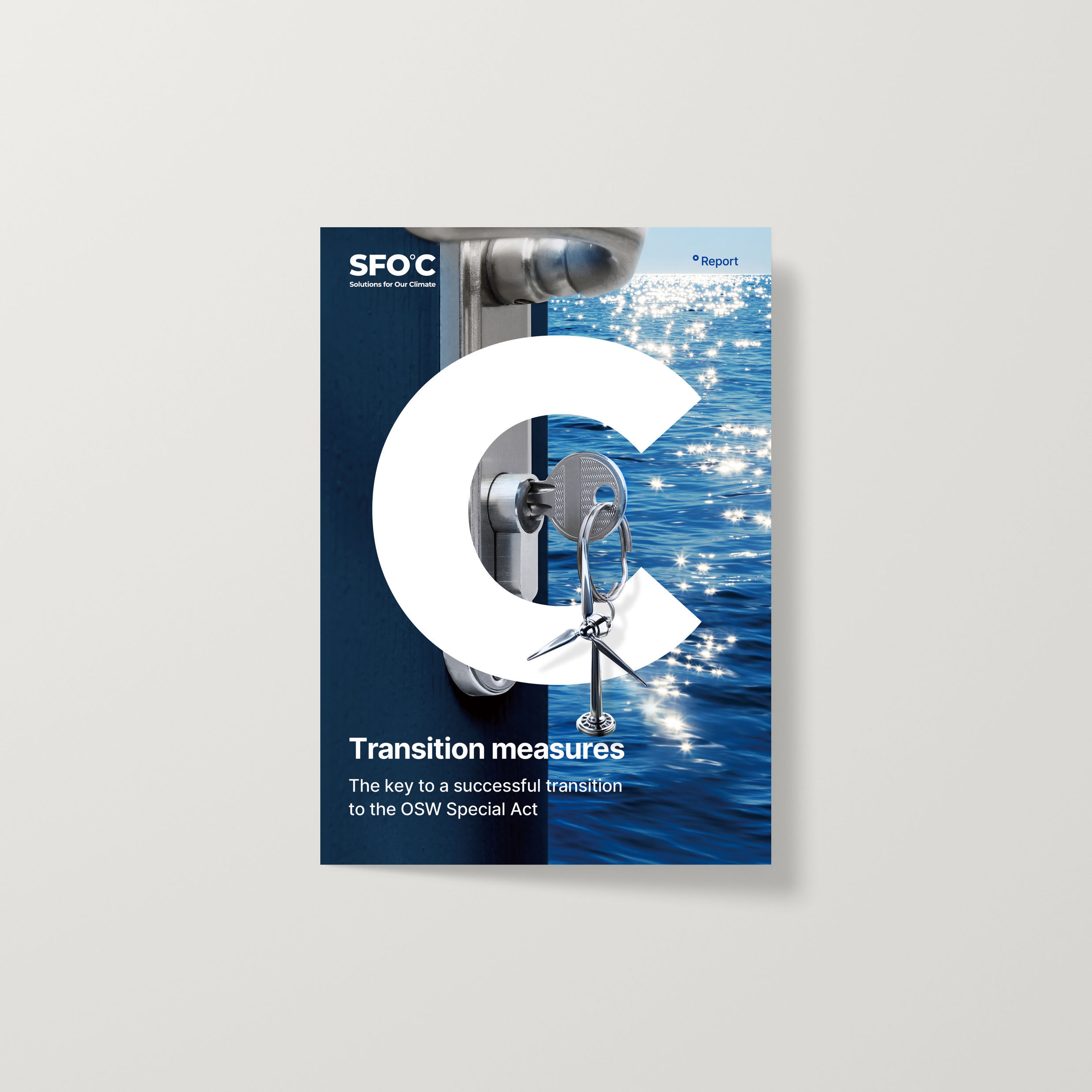
The issue also concerns international legal responsibilities. Advisory opinions issued by the International Court of Justice (ICJ) and the International Tribunal for the Law of the Sea (ITLOS) have clarified states' obligations in relation to climate change and the protection of the marine environment. These developments provide an important basis for examining the climate implications of offshore fossil fuel extraction and other maritime activities.
As a co-host of the 2028 UN Ocean Conference, South Korea, in particular, has an opportunity to demonstrate leadership by aligning its maritime financing policies with its climate and ocean protection responsibilities.
Clean electrification: Asia's grid challenge
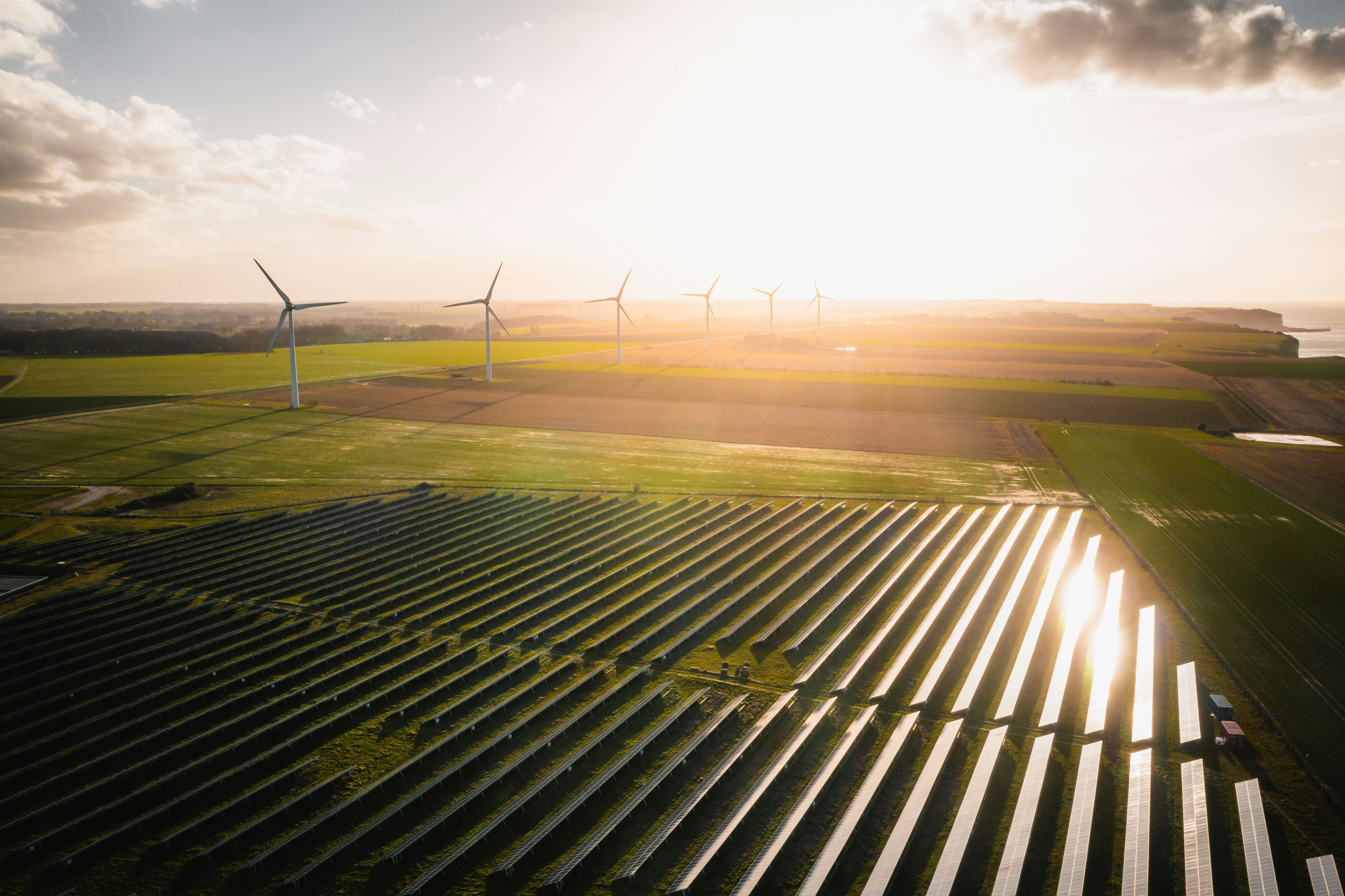
As electricity demand rises across Asia, driven in part by the expansion of AI data centers and the broader electrification of industry and transport, the ability to deliver clean power is becoming an urgent challenge. A global target in the COP31 Action Agenda to increase electricity's share of final energy consumption to 35% by 2035 underscores the importance of accelerating electrification while accounting for different energy systems and development needs.
However, electrification alone does not cut greenhouse gas emissions if the underlying power grid relies on fossil fuels. Likewise, investing in more renewable capacity will not necessarily reduce emissions unless electricity can be transmitted to where it is needed.
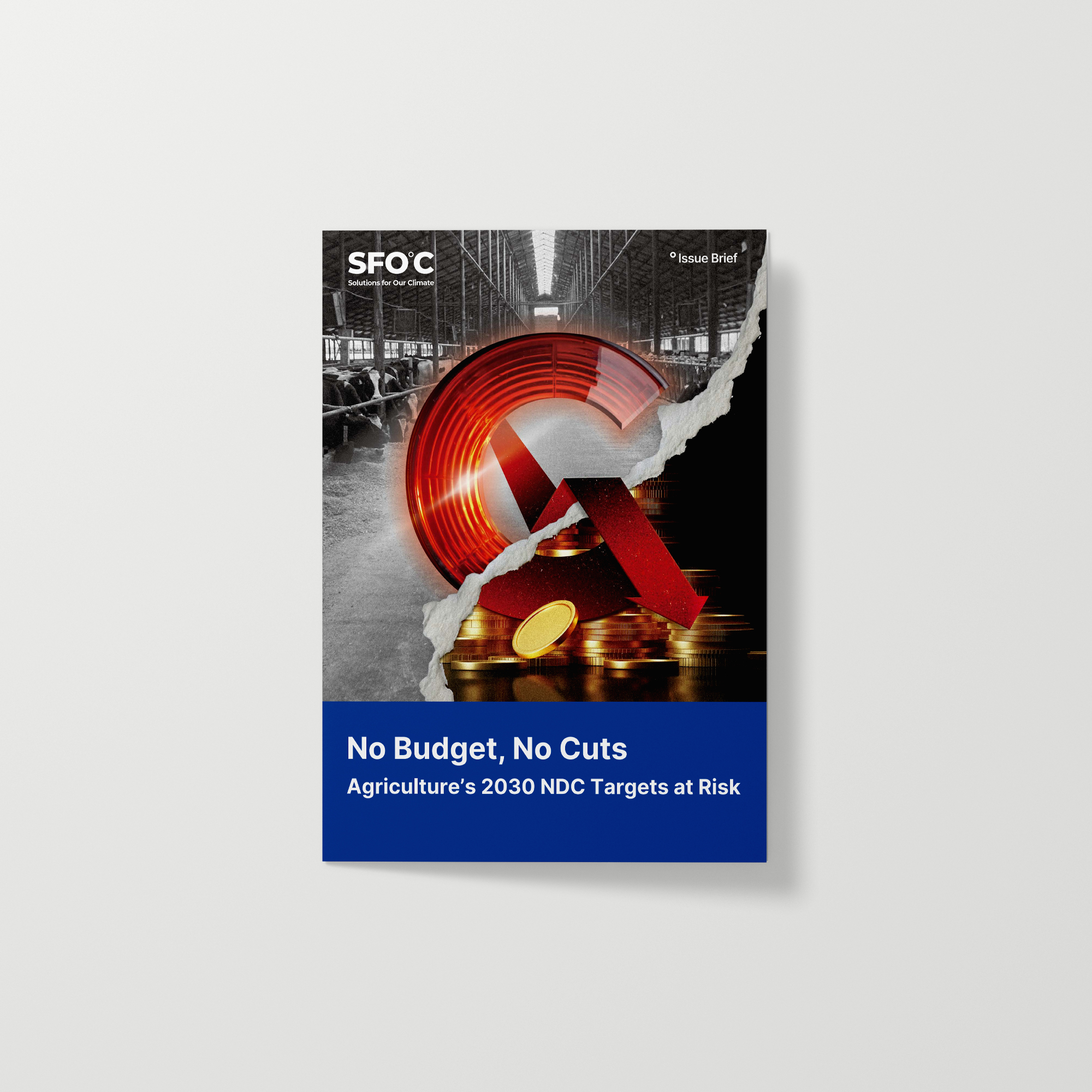
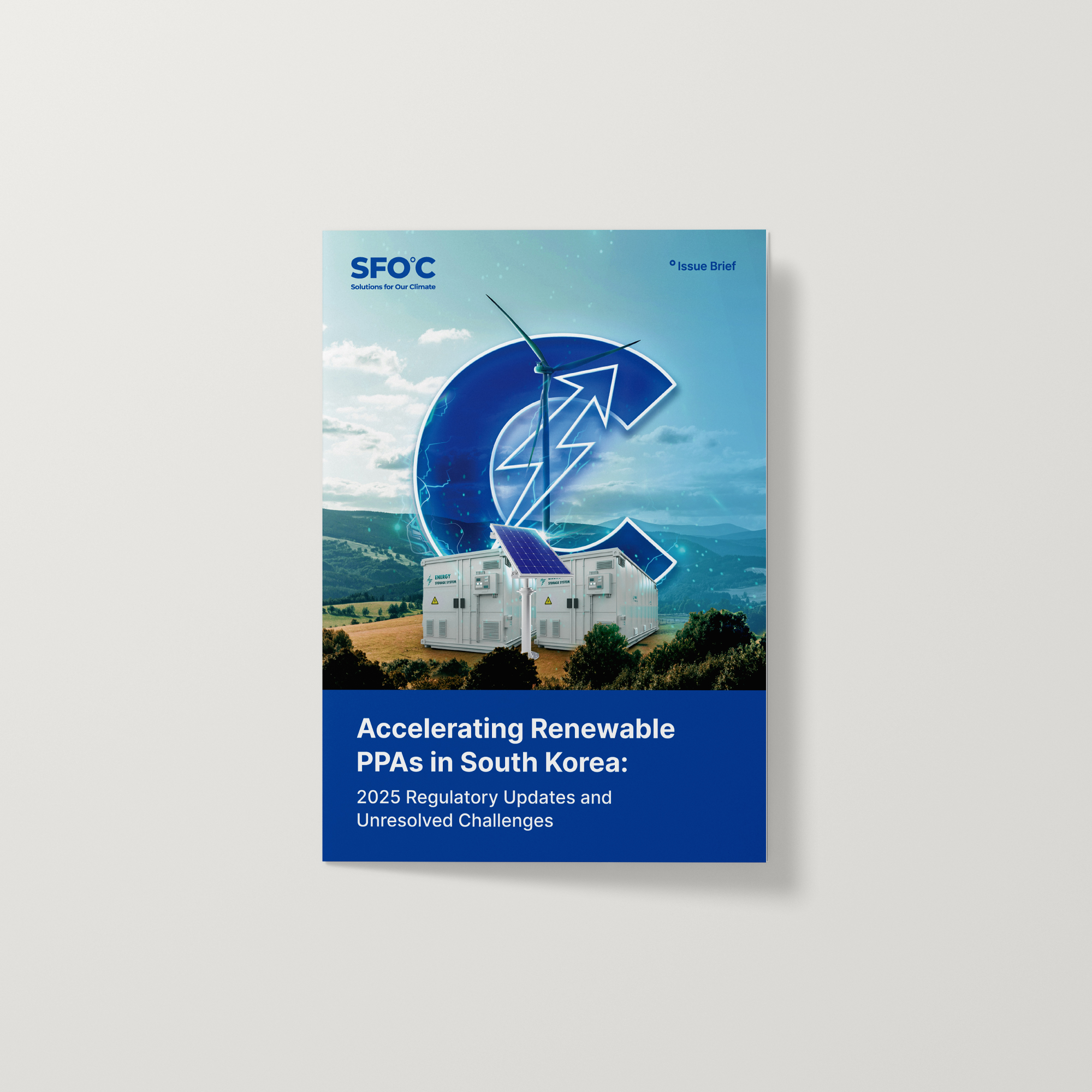
In South Korea, its electricity consists of only 10% renewables, making decarbonizing the power sector a major challenge, let alone accelerating electrification in emissions-intensive sectors such as heavy industry and transport. In Southeast Asia, growing electricity demand presents opportunities to expand renewable generation and strengthen regional grid connections.
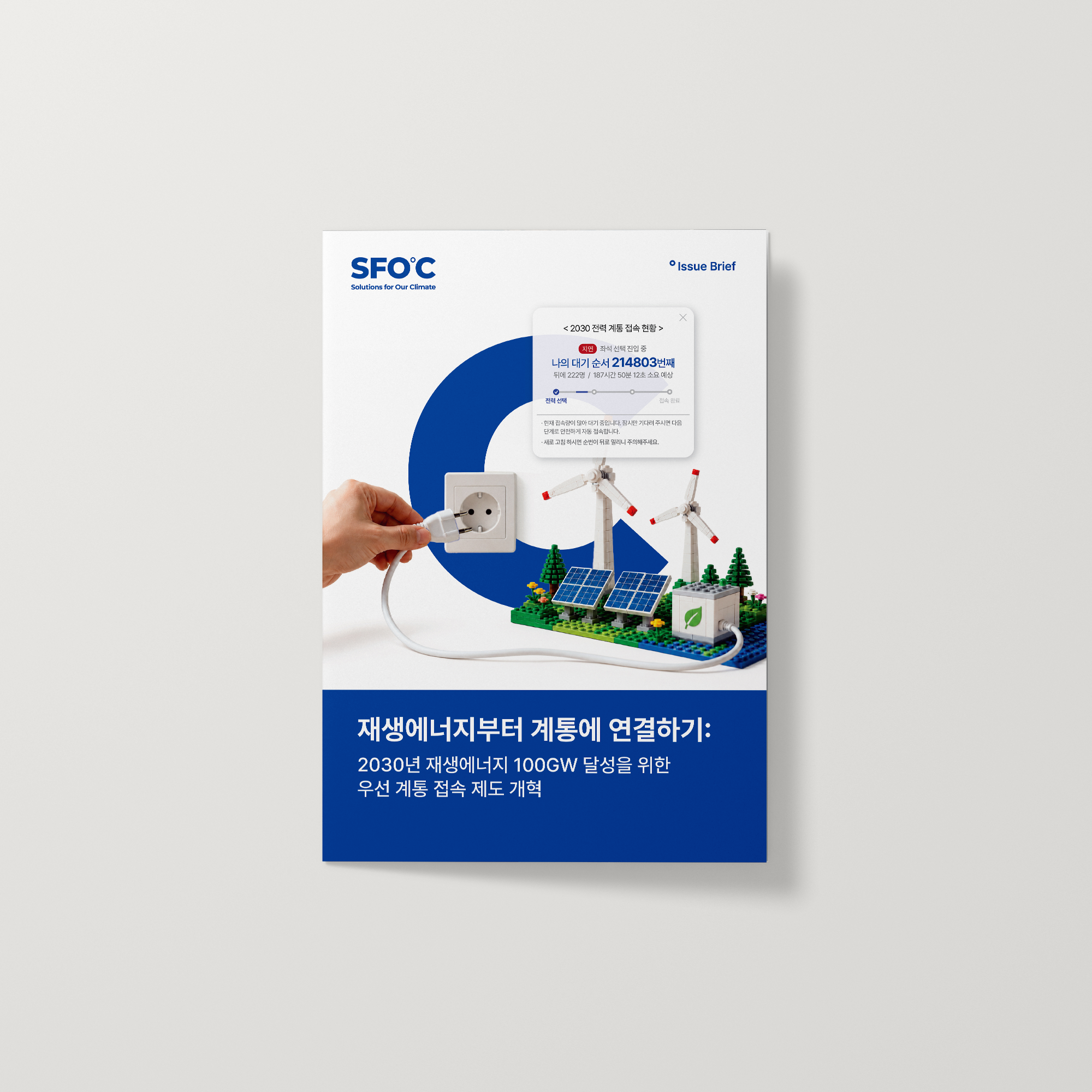
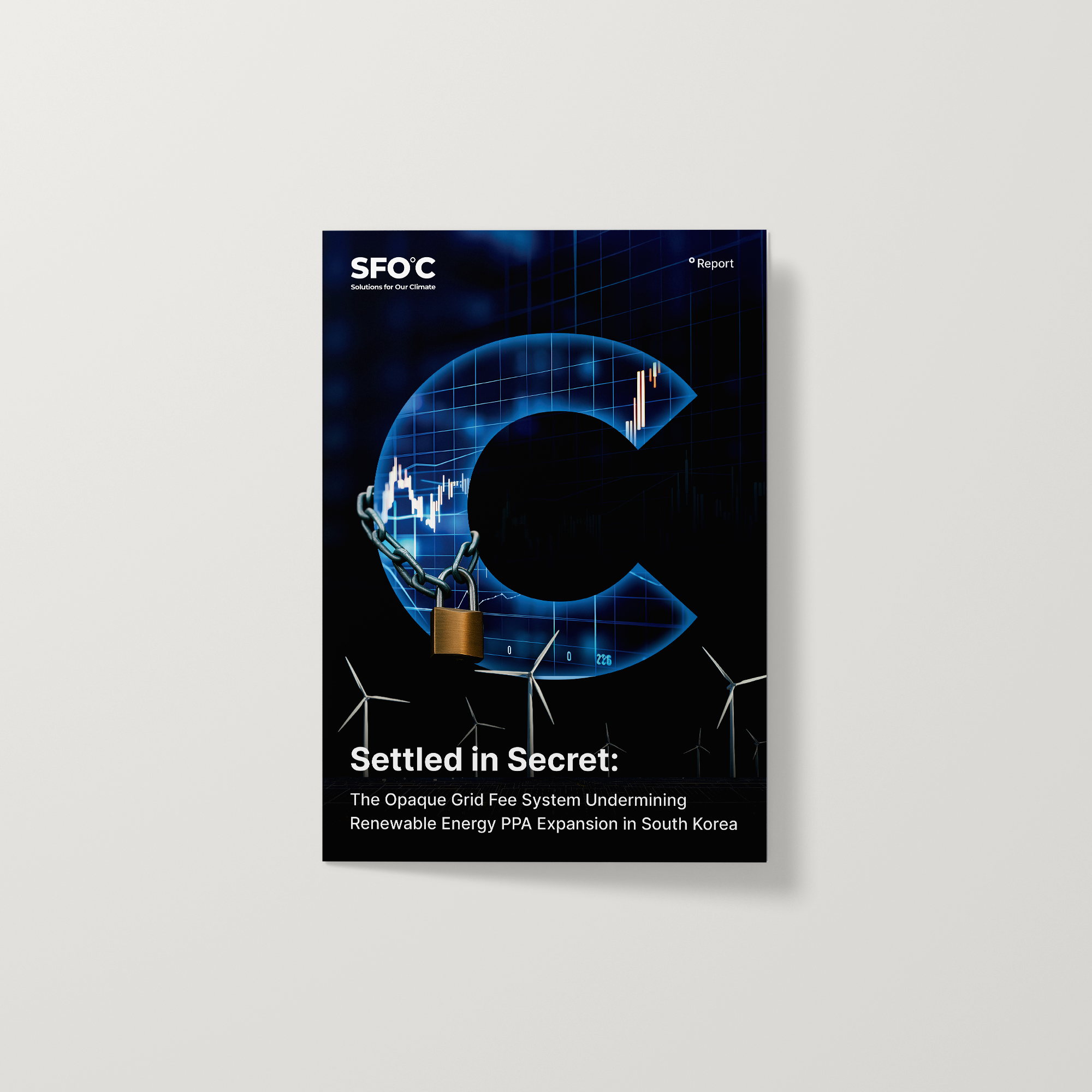
In several markets, renewable energy developers face lengthy grid connection procedures, limited transmission capacity, and network congestion. Curtailment, which is when available renewable electricity cannot be used or must be reduced because the outdated grid system favors conventional fossil-fuel power plants, is pushing renewables out of the grid.
These bottlenecks expose a gap between renewable energy ambitions and turning them into reality. Meeting Asia's growing electricity needs while advancing electrification will depend on timely reform to allow fairer access to grid connections and stronger regional cooperation. It will also be dependent on financing, technology transfer, and capacity-building to help countries at different stages of development build reliable, renewable-based power systems. Without these measures, rising electricity demand could instead prolong reliance on fossil fuel generation.
What topics will SFOC cover?
Key topics SFOC will be following closely:
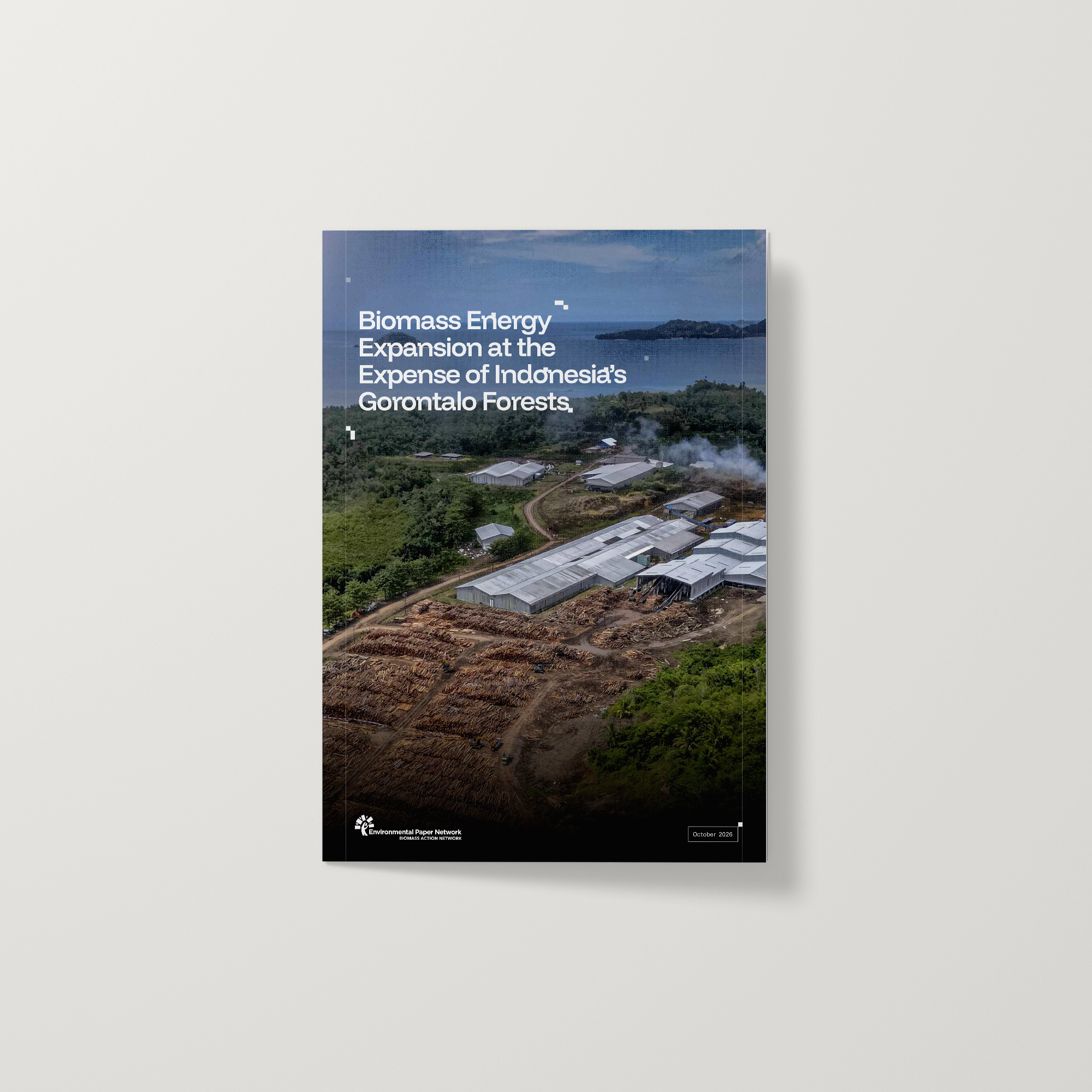
Biomass, bioenergy, land use
Power sector
Renewable energy
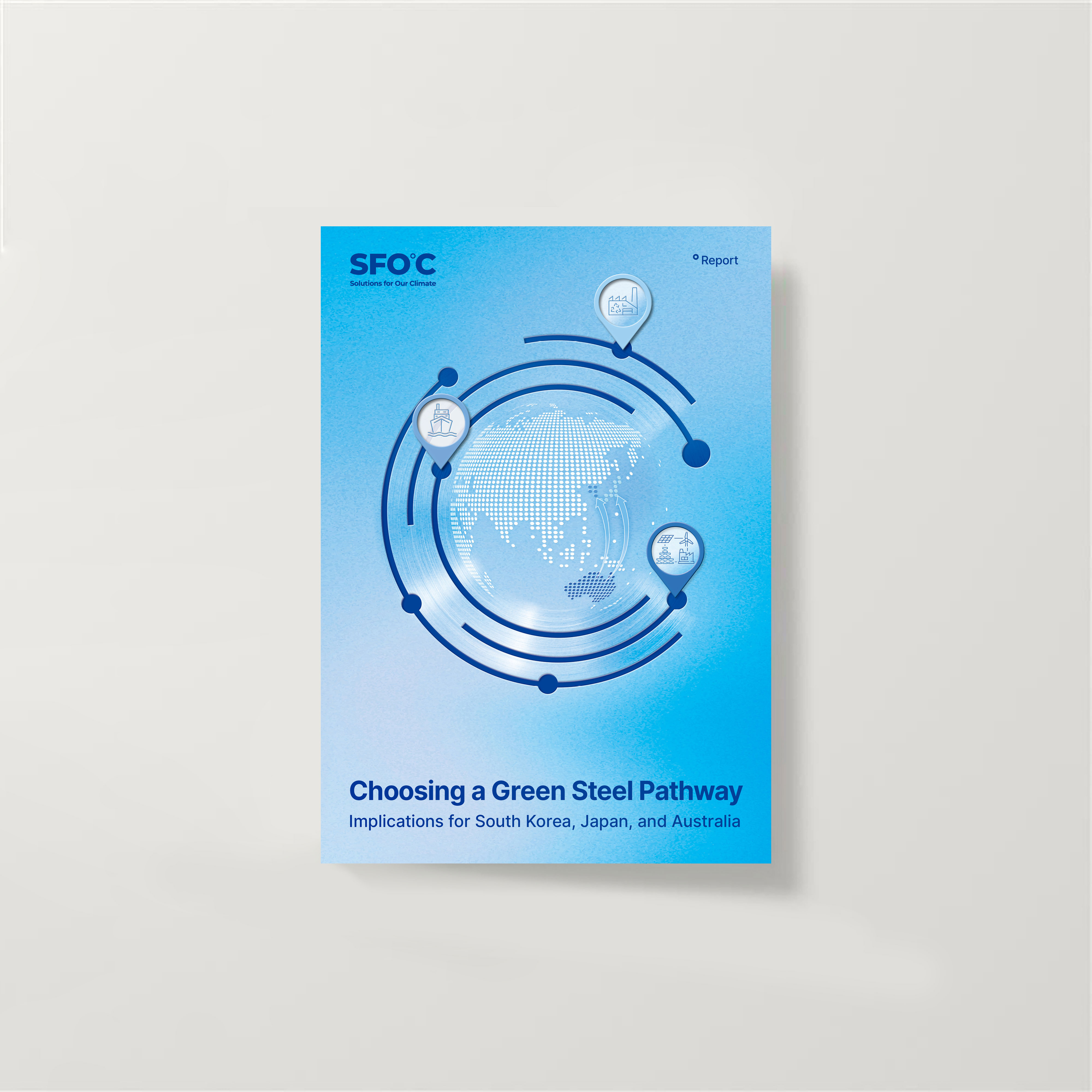
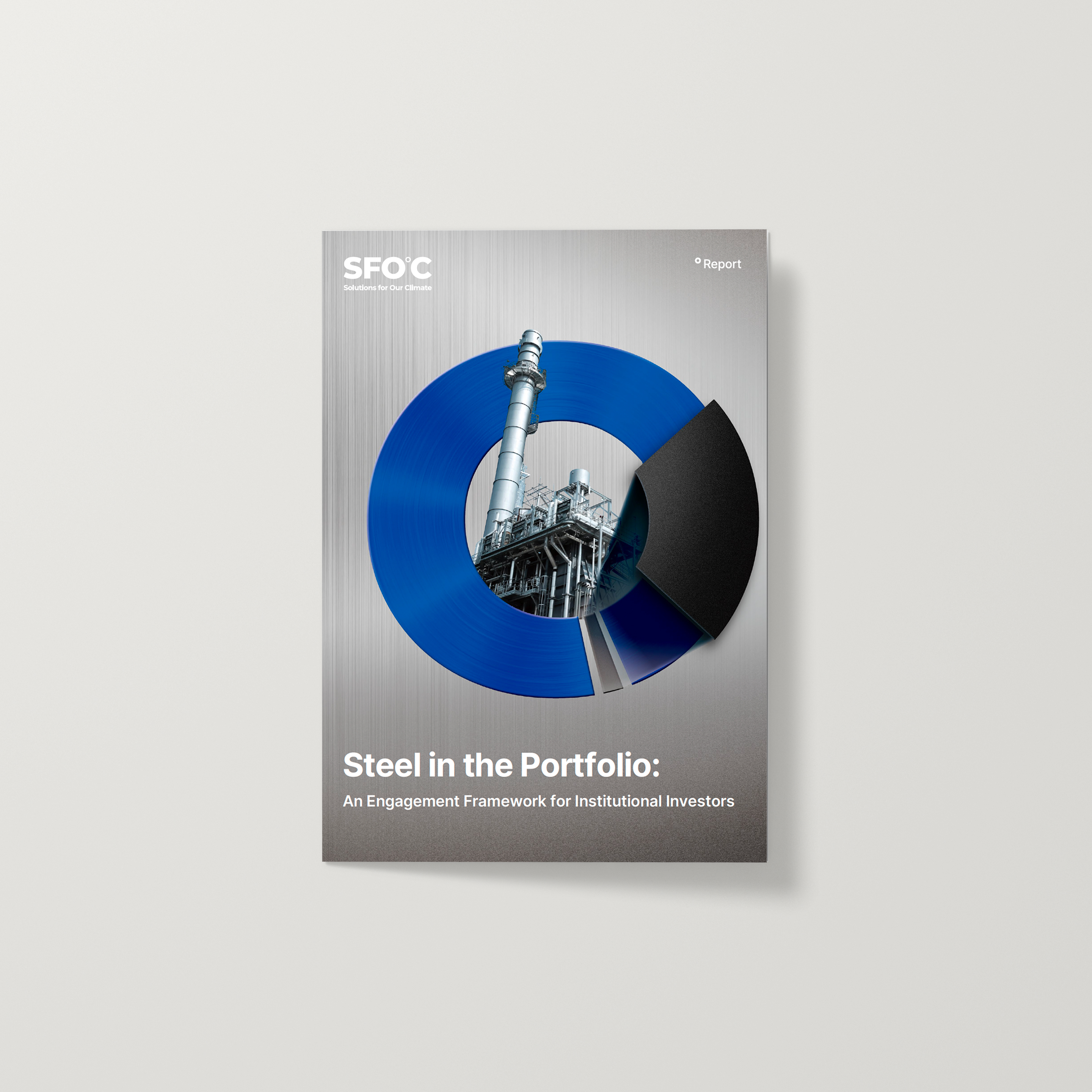
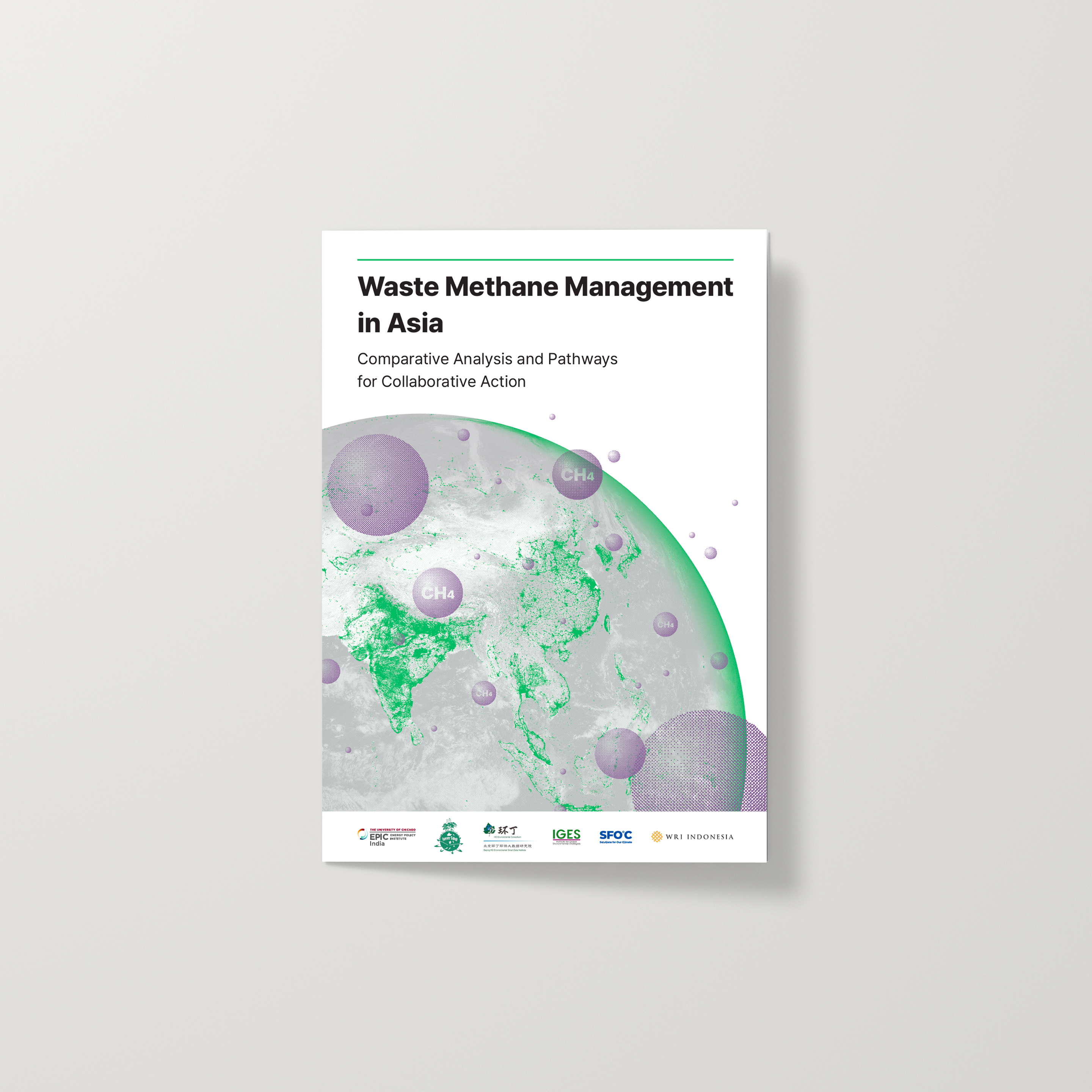
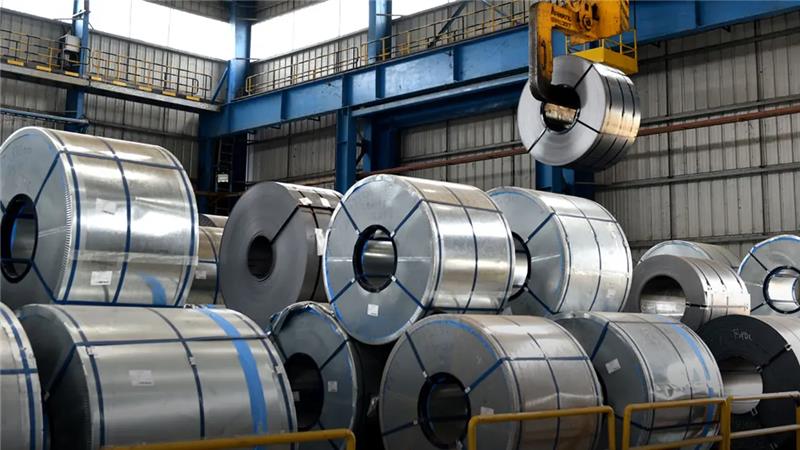
Industry decarbonization (steel, shipping, methane)
Fossil fuels
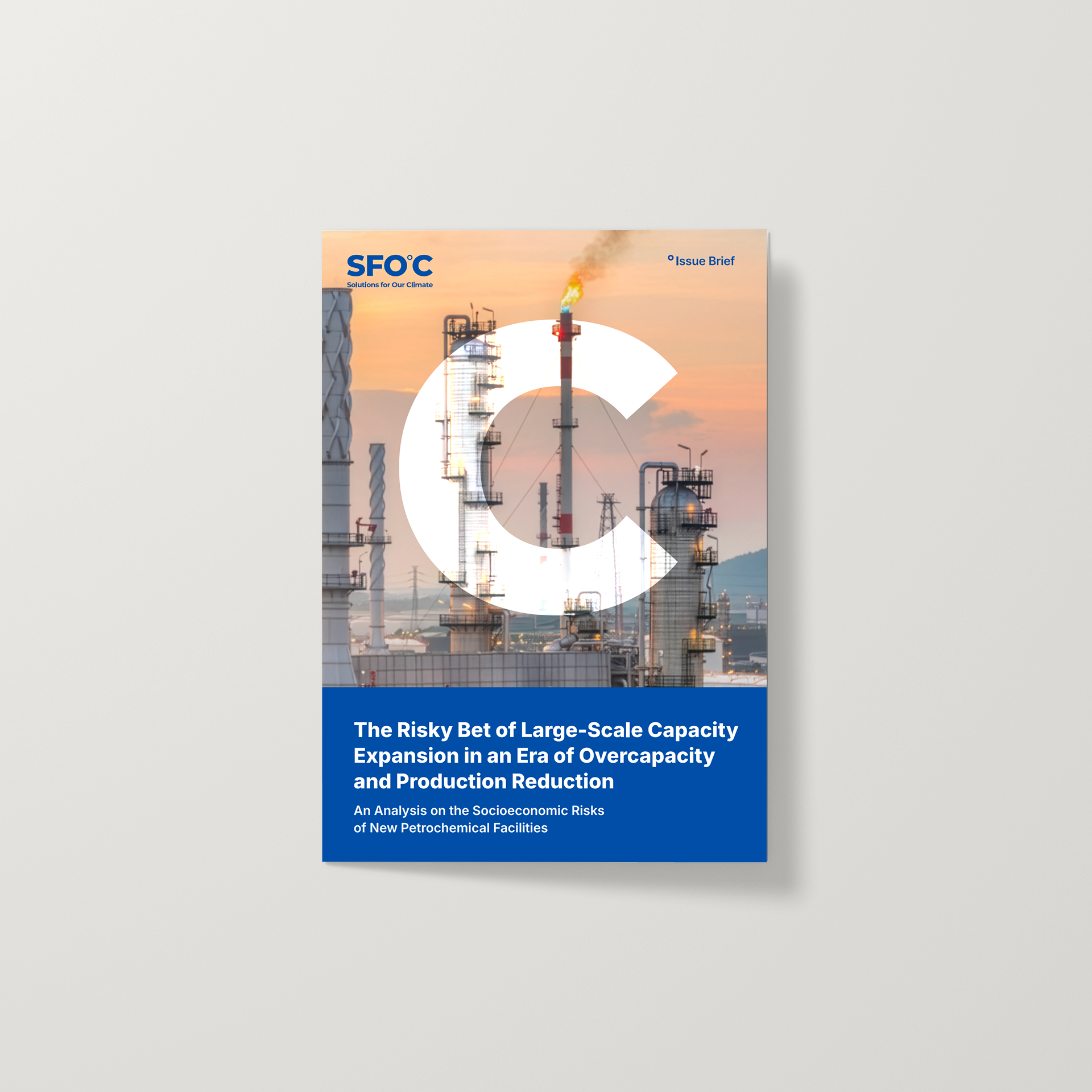
Petrochemicals
ENDS.
Solutions for Our Climate (SFOC) is an independent nonprofit organization that works to accelerate global greenhouse gas emissions reduction and energy transition. SFOC leverages research, litigation, community organizing, and strategic communications to deliver practical climate solutions and build movements for change.
Where to find Solutions for Our Climate (SFOC)
SFOC in Antalya (geographies covered)
Mira Fricke (EN/DE): mira.fricke@forourclimate.org
Andrea Leung (EN/JP/CH): andrea.leung@forourclimate.org
Soyeon Lim (KR): soyeon.lim@forourclimate.org
Hyemin Kwon (KR): hyemin.kwon@forourclimate.org
SFOC in Seoul (geographies covered)
Yan Liang (EN/CH): yan.liang@forourclimate.org
Niyati Shetty (EN/CH): niyati.shetty@forourclimate.org
Hanee Lee (KR): hanee.lee@forourclimate.org
SFOC in Tokyo (geographies covered)
Cody Williams (EN/JP/FR): cody.williams@forourclimate.org
Newsletter Asia Climate Solutions @ COP31
Events Co-hosted events at the Asia Climate Solutions Pavilion
Share this insights