Financing Strategies for Coal Phase-Out: Germany's Sovereign Green Bond Model and Implications for South Korea


About
This issue brief examines how South Korea can structure public financing to support coal phase-out and achieve its climate targets under existing fiscal constraints. Focusing on the role of sovereign green bonds, it assesses Korea’s current financing landscape, including institutional limitations, funding gaps, and governance challenges.
Drawing on Germany’s experience as a debt-constrained country, the brief highlights how a combination of carbon pricing revenues, special-purpose funds, and sovereign green bonds can mobilize large-scale transition finance while maintaining fiscal credibility. The analysis emphasizes the importance of clear institutional design, transparency, and the separation of coal exit costs from forward-looking investment.
By identifying transferable design principles rather than replicable models, the brief provides practical insights into how Korea can strengthen its financing architecture to scale clean energy investment, support coal-dependent regions, and translate climate commitments into implementation.
Download report
Executive summary
Achieving South Korea’s climate targets, including carbon neutrality by 2050 and strengthened Nationally Determined Contributions (NDCs), requires a rapid and large-scale shift away from coal. This transition is not only technologically complex but also financially demanding, particularly in a context of a fiscal conservative government and sensitivity to public debt expansion.
While Korea has established initial financing mechanisms, such as the Climate Response Fund and the Korean Emissions Trading System (K-ETS), current funding levels and institutional structures remain insufficient to meet the scale of required investment. At the same time, discussions on sovereign green bonds are gaining momentum as a potential tool to mobilize additional capital.
This issue brief examines how Korea can structure coal-to-clean financing more effectively by drawing lessons from Germany. Despite operating under strict fiscal constraints, such as the countrey's constitutional debt brake, Germany has developed a financing model that mobilizes substantial transition investment for a clean energy transition without permanently expanding structural deficits.
At the core of this approach is a clearly defined financing architecture combining:
Carbon pricing revenues as a predictable funding source
Legally separated special-purpose funds for multi-year transition investment
Sovereign green bonds used primarily as refinancing instruments, combined with strong transparency mechanisms
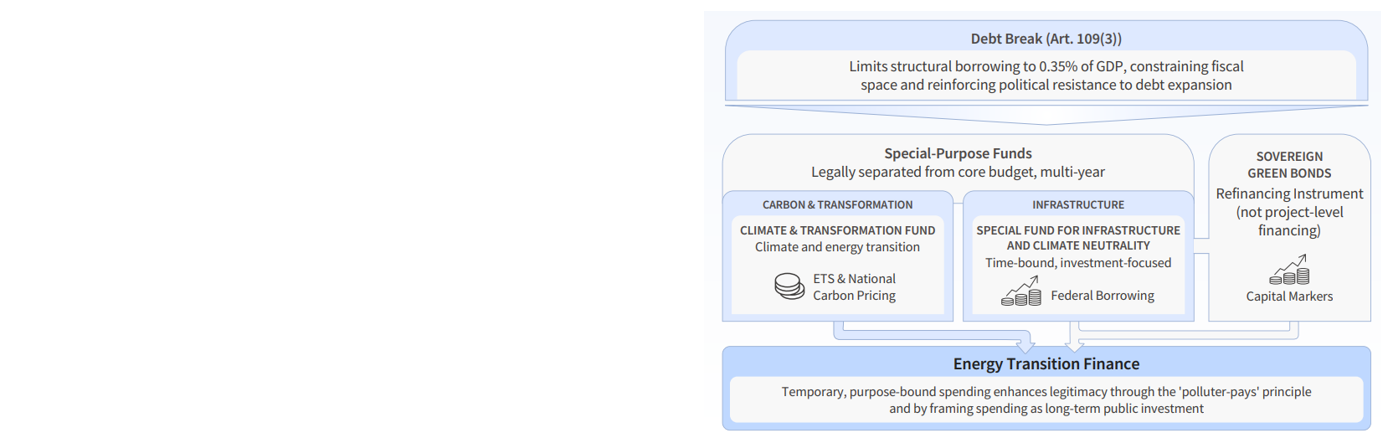
A key feature of this model is the institutional separation between coal exit costs and forward-looking investment, as well as the framing of transition spending as temporary, purpose-bound, and investment-oriented. This structure enhances fiscal credibility, supports political acceptance, and aligns public spending with the polluter-pays principle.
Key findings
Based on this analysis, the brief identifies several recommendations for Korea to successfully achieve its NDC targets and advance coal phase-out, including strengthening carbon pricing as a stable revenue source, establishing clearly separated transition financing structures, and scaling sovereign green bonds as refinancing instruments for climate-aligned investment, alongside targeted regional support and limited, well-defined temporary borrowing.
Taken together, these measures do not require permanent debt expansion. Instead, they highlight the importance of restructuring financing architecture to mobilize and channel capital more effectively. Germany’s experience demonstrates that even under tight fiscal constraints, well-designed public finance systems can enable a credible, large-scale transition from coal to clean energy.
Related research
Choosing a Green Steel Pathway : Implications for South Korea, Japan, and Australia
2026-09-14
![[SFOC] Hidden Methane Emissions, Tangible Economic Costs: Lost Fuel Value and Heatwave-Related Climate Damages from Korea’s Imported Fossil Fuel Supply Chains](https://content.forourclimate.org/images/research/yUNyzaf.jpg)
[SFOC] Hidden Methane Emissions, Tangible Economic Costs: Lost Fuel Value and Heatwave-Related Climate Damages from Korea’s Imported Fossil Fuel Supply Chains
2026-08-03
Hidden Methane Emissions, Tangible Economic Costs: Lost Fuel Value and Heatwave-Related Climate Damages from Japan’s Imported Fossil Fuel Supply Chains
2026-08-03
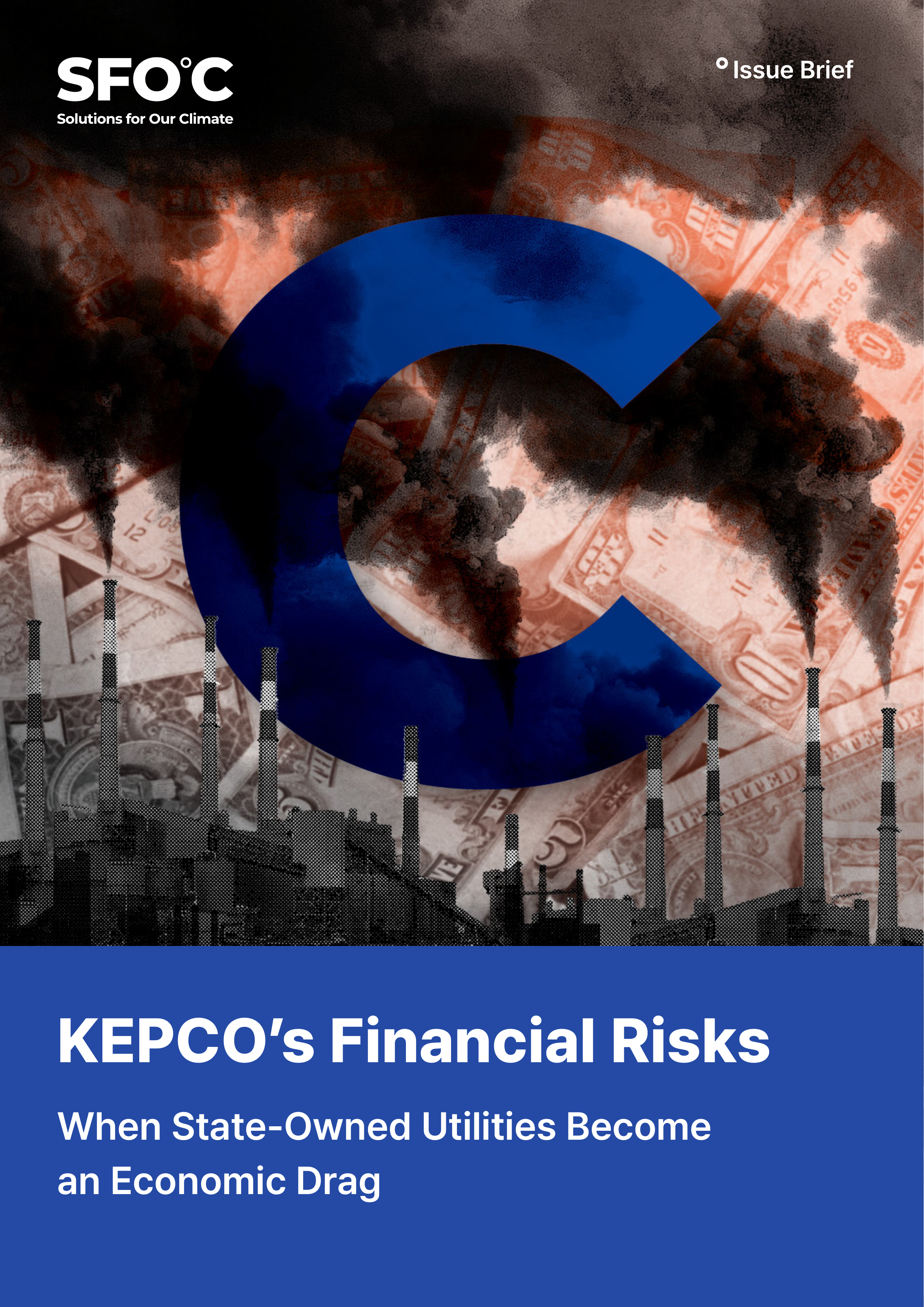
KEPCO’s Financial Risks: When State-Owned Utilities Become an Economic Drag
2026-07-23
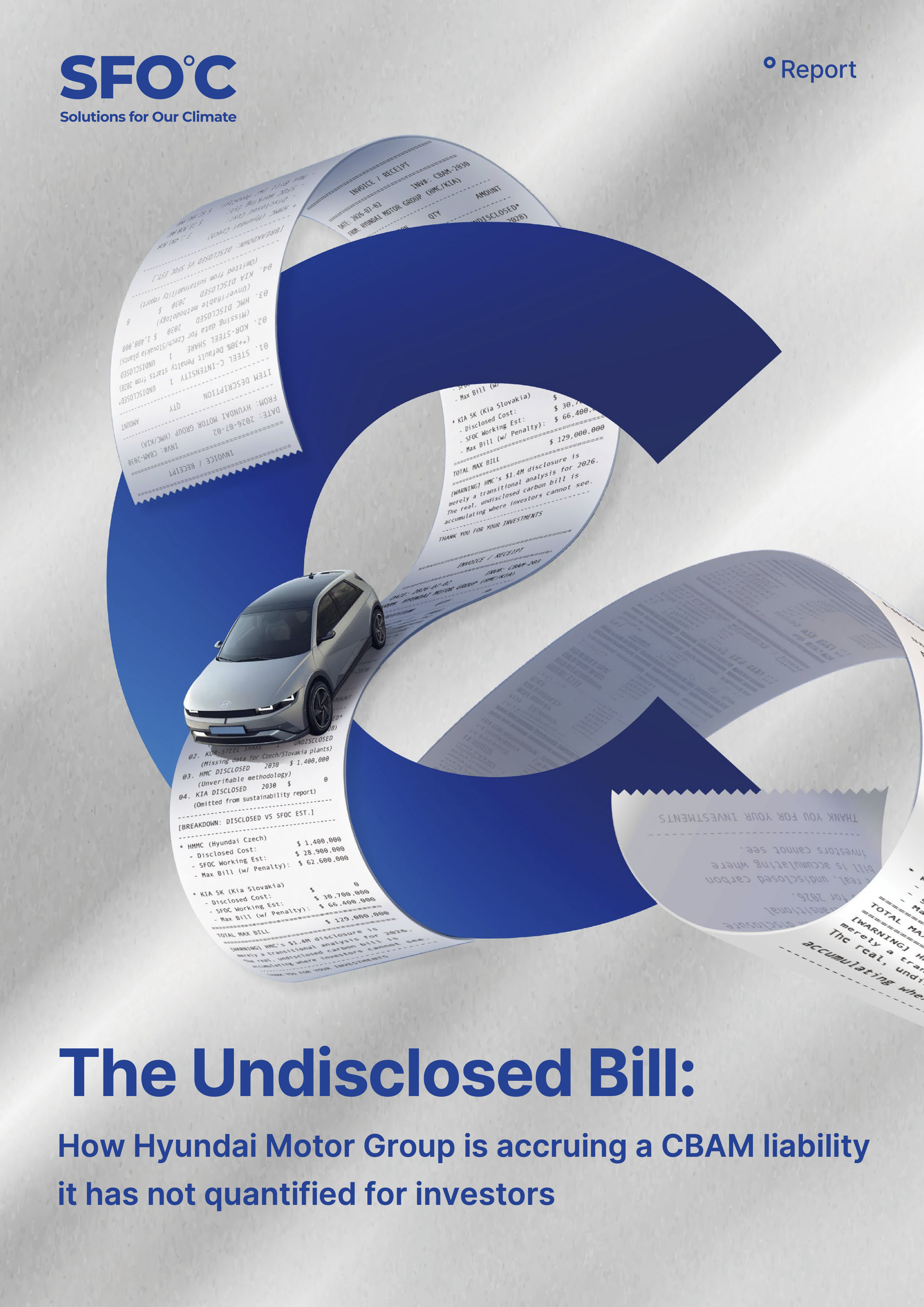
The Undisclosed Bill: How Hyundai Motor Group is accruing a CBAM liability it has not quantified for investors
2026-07-15
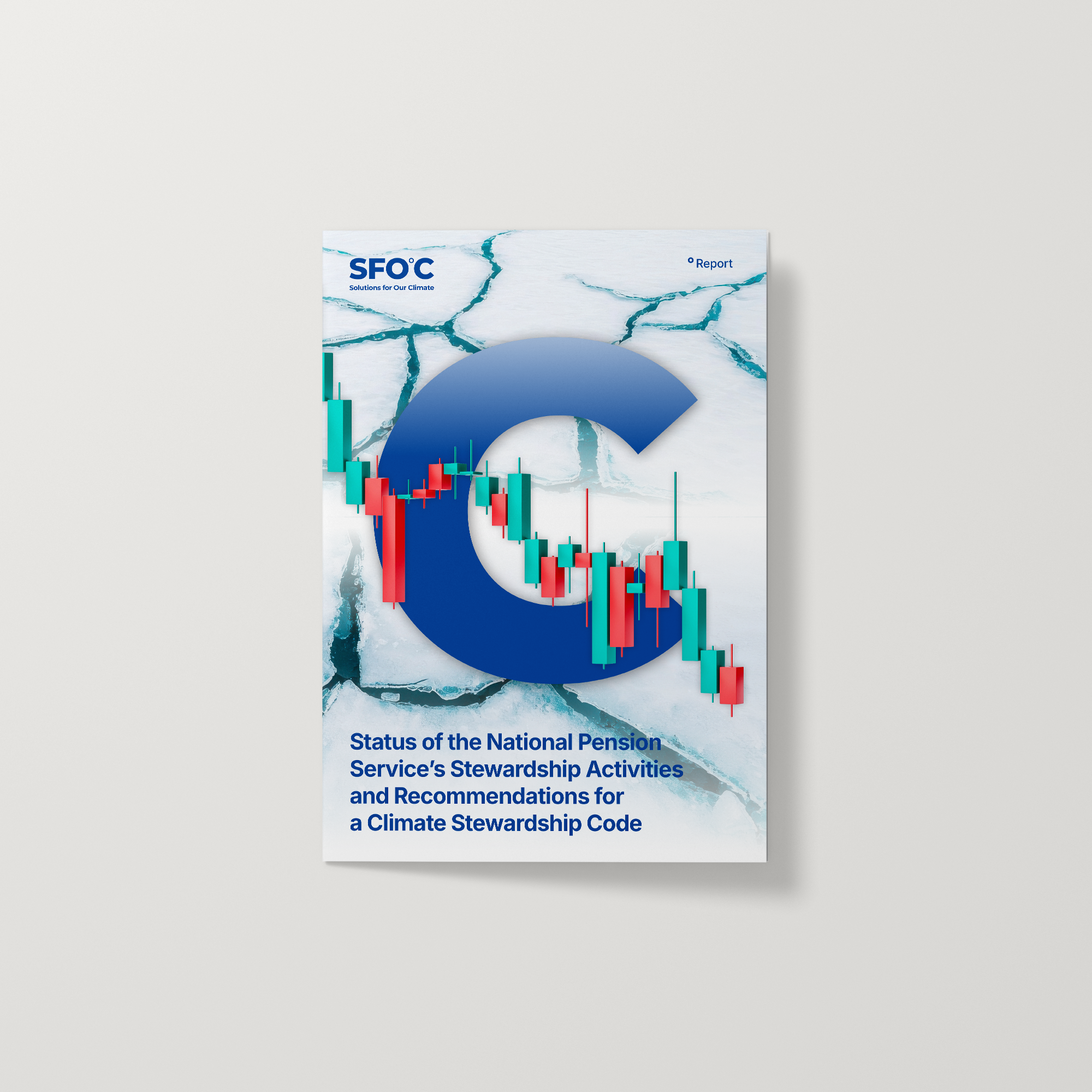
Status of the National Pension Service’s Stewardship Activities and Recommendations for a Climate Stewardship Code
2026-07-06
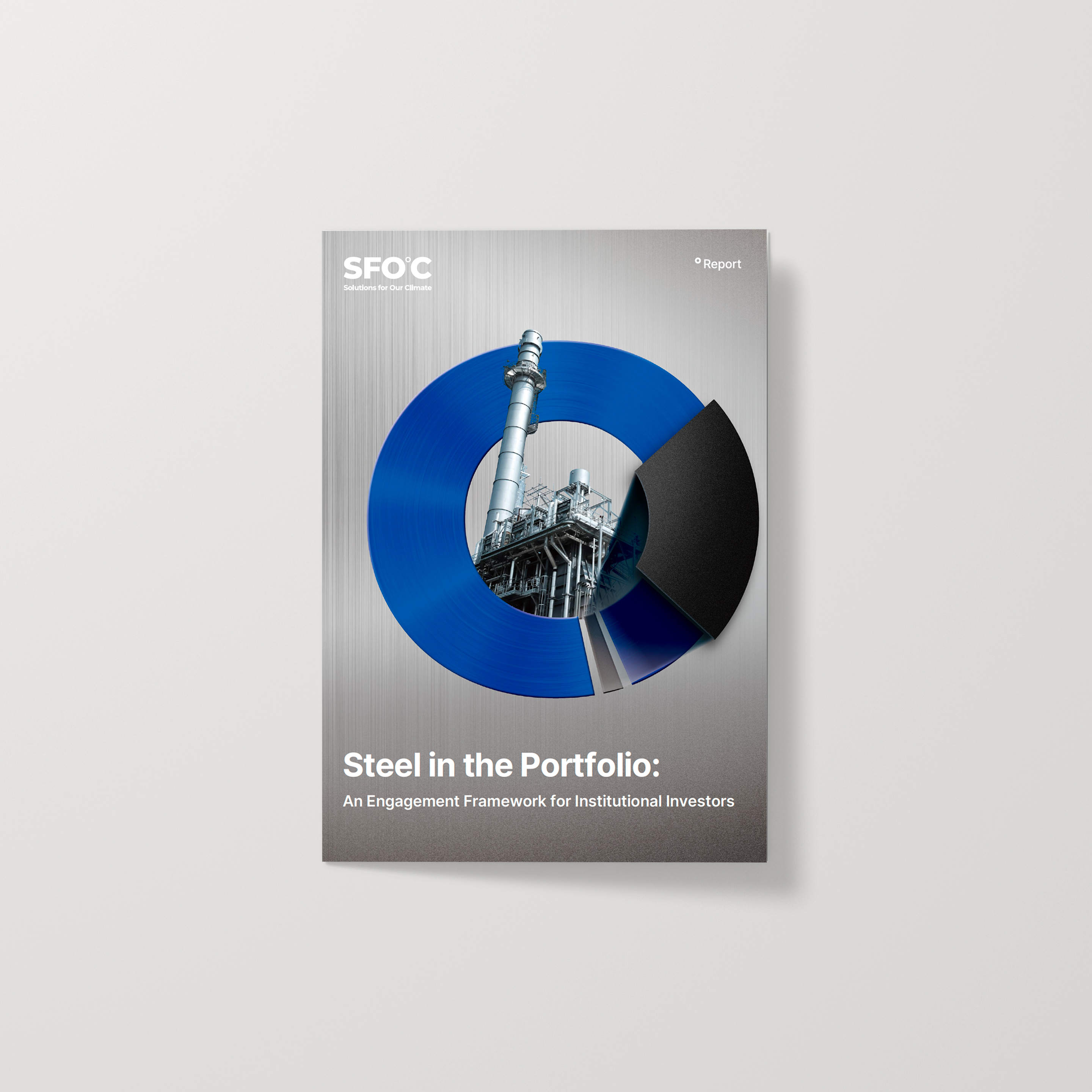
Steel in the Portfolio: An Engagement Framework for Institutional Investors
2026-06-16
Solving the Renewable Energy Disconnect: Enabling Korea’s 100GW RE Target Through Priority Grid Connection Policy
2026-06-01
Unlocking Agrivoltaics: Extending the Temporary Non-Agricultural Use Permission Period for Farmland
2026-05-14
Stewardship Without Climate : Reforming Korea’s Stewardship Code
2026-05-13
An Assessment of Environmental and Social Impacts of LNG Carriers
2026-04-06
Recurring Crisis, Delayed Transition: From Fossil Fuel Dependence to Energy Independence
2026-03-18
Empty Seats at the Climate Table : Board Oversight Gaps in Hyundai Motor Company's Climate Governance
2026-03-03
Reforming South Korea's Power Sector: Setting the Stage For the Renewable Energy Transition
2026-02-04
Government Financing for H₂-DRI Commercialization: Comparative Risk-Sharing Cases and Implications for Korea
2026-01-26
Why LNG Reduction Matters: Redefining Energy Security and Unlocking Economic Gains
2025-12-08
No Budget, No Cuts: Budget and Methane Reduction Impact Analysis for Achieving 78% Low-Methane Feed Supply Target
2025-12-03
Settled in Secret: The Opaque Grid Fee System Undermining Renewable Energy PPA Expansion in South Korea
2025-12-01
From Words to Data: Bridging Hyundai’s Climate Commitments and Disclosure
2025-11-28
South Korea’s Export Credit Finance in Transition: National Economic Impacts of the Global Shift from Fossil Fuels to Clean Energy
2025-11-16
Exposed: Overcompensation of KEPCO's Coal Fired Power Plants
2025-11-10
Supplementary Brief: South Korea's Exposure to Shipping Stranded Asset Risks
2025-10-26
Mobilizing Finance for Korea's Coal Phase-Out: What International Experience Shows
2025-10-20
No Budget, No Cuts: Agriculture’s 2030 NDC Targets at Risk
2025-09-16
VPPs: The Key to Korea's Transition to a Renewable Energy-Based Power System
2025-08-28
Transition measures: the key to a successful transition to the OSW Special Act
2025-08-26
The Climate Crisis—Culprits and Liability: Contribution of South Korea’s Top Ten Emitting Corporates to Climate Loss & Damage
2025-08-10
Accelerating Renewable PPAs in South Korea: 2025 Regulatory Updates and Unresolved Challenges
2025-08-06
Speed Bumps on the Renewable Energy Highway: Minimum Generation Levels of Thermal Power Plants
2025-08-05
Driving Hydrogen-Based Steelmaking in South Korea: Focus on Hydrogen Sourcing
2025-06-25

Can the Korean Semiconductor Industry Meet its Renewable Energy Targets? Policy Recommendations
2025-06-24

No Room for More: Why LNG Carriers Are a Climate and Financial Risk
2025-05-13

Analyzing Korea’s 2035 NDC GHG Emissions Reduction Pathway through an Integrated Assessment Model
2025-04-23

Capitalizing on Coal: How Global Investors and Underwriters Enable KEPCO to Abandon the Sustainability Path
2025-03-20

Moving Away from Coal: 2025 POSCO Holdings Climate Risk
2025-03-17

A Sleeping Giant? The National Pension Service’s Missed Potential on Climate Action
2025-03-11

Stronger Together: Unlocking Community Power for Lasting Change
2025-02-04

Extending the Lifespan of Gwangyang No.2 Blast Furnace: A Backward Step for Carbon Neutrality
2024-10-28

Bridging the Nature Finance Gap: Aligning South Korean Banks with the Global Biodiversity Framework
2024-10-27

South Korea's PPA System: Status and Opportunities for Renewable Energy Development
2024-10-10

LNG運搬船: 世界のガス取引を拡大させる海上パイプライン ――影の推進者を明らかにする
2024-06-12

Boom and Bust Coal 2024
2024-04-17
![[Brief] South Korea’s international public finance continues to block a just energy transition](https://content.sfoc.tapahalab.com/images/research/RC5Kime.jpg)
[Brief] South Korea’s international public finance continues to block a just energy transition
2024-04-02
![[Report] The Inconsistent 'Coal-Free Pledge' of Korea's National Pension Service](https://content.sfoc.tapahalab.com/images/research/VcDPdme.jpg)
[Report] The Inconsistent 'Coal-Free Pledge' of Korea's National Pension Service
2023-06-20

National Development Banks and the Climate Crisis
2022-06-13

Climate Risk Management in Financial Sector and the Role of Pension Funds
2022-02-10
![[토론회] 한국형 녹색분류체계(K-Taxonomy), 무엇이 녹색경제활동인가](https://content.sfoc.tapahalab.com/images/research/bn8jdme.jpg)
[토론회] 한국형 녹색분류체계(K-Taxonomy), 무엇이 녹색경제활동인가
2021-11-23
![[이슈 브리프] 탈석탄 투자 가이드라인](https://content.sfoc.tapahalab.com/images/research/tJRidme.jpg)
[이슈 브리프] 탈석탄 투자 가이드라인
2021-09-13
![[이슈 브리프] 신설 석탄발전소 가치평가 결과와 시사점](https://content.sfoc.tapahalab.com/images/research/nQCGime.jpg)
[이슈 브리프] 신설 석탄발전소 가치평가 결과와 시사점
2021-09-06

Fueling the Climate Crisis_South Korea's Public Financing for Oil and Gas
2021-08-31

Employment opportunities from a coal-to-renewables transition in South Korea
2021-07-28


