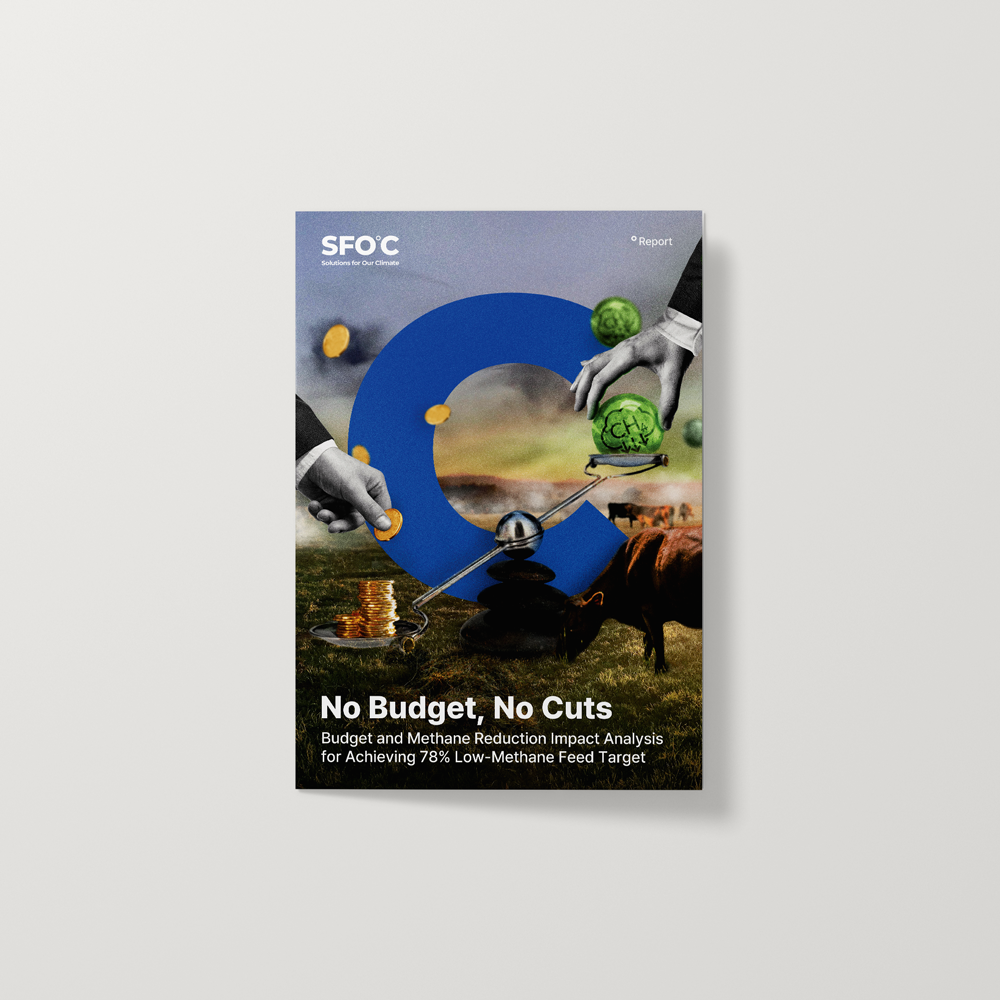
No Budget, No Cuts: Budget and Methane Reduction Impact Analysis for Achieving 78% Low-Methane Feed Supply Target

About
The Ministry of Agriculture, Food and Rural Affairs (MAFRA) has set a goal to expand low-methane feed distribution to 78% by 2030, yet it has not disclosed annual targets or the budget required to achieve this.
This study analyzes the budget needed to realistically implement MAFRA’s target and provides a benchmark for the minimum public investment required to scale low-methane feed. While these estimates are based on specific scenarios, the actual budget will ultimately reflect the government’s level of commitment.
These findings provide evidence for the National Assembly and the government to increase relevant allocations and ensure meaningful progress toward greenhouse gas reduction in the agriculture and livestock sectors.
Download report
Executive summary
Baseline Scenario: KRW 172.2 billion ($118 million) required cumulatively by 2030
The baseline scenario assumes continuation of the current policy by supplying low-methane feed to eligible species and applying the existing subsidy scheme.
Eligible livestock:
Hanwoo and beef cattle (6 months or older)
Dairy cattle (12 months or older)
Subsidy structure:
Hanwoo and beef cattle: KRW 25,000/per head/year ($17.16/per head/year)
Dairy cattle: KRW 50,000/per head/year ($34.32/per head/year)
Enhanced Scenario: KRW 551.2 billion ($378 million) required cumulatively by 2030
The enhanced scenario estimates the maximum budget requirements by expanding both the eligible species of lowmethane feed and the subsidy.
Eligible livestock:
All Hanwoo, beef cattle, and dairy cattle
Subsidy structure:
KRW 30 per kilogram of feed ($0.02 per kilogram of feed)
[Figure] Annual Budget Requirements by Scenario for Expanding Low-Methane Feed Supply (Baseline vs. Enhanced) (2026–2030)
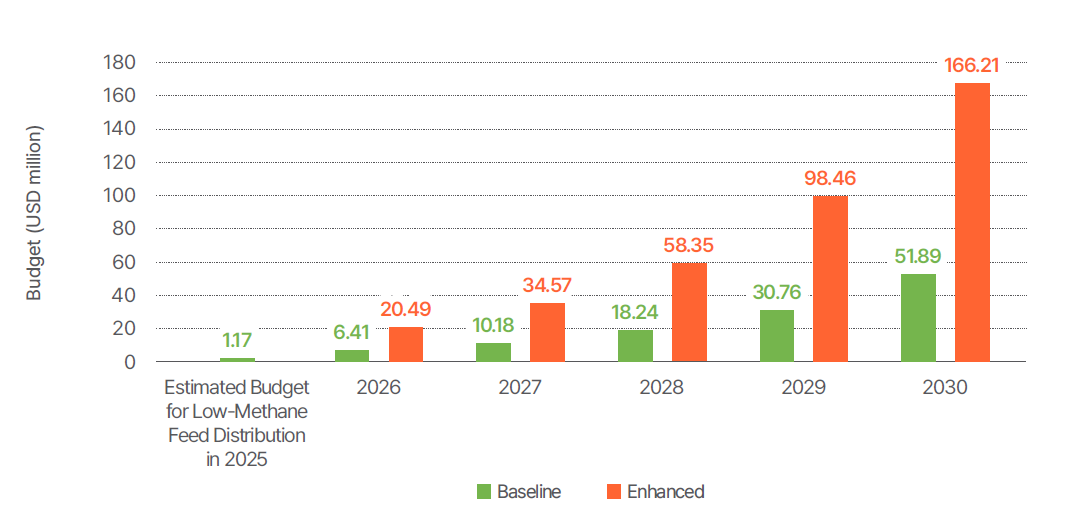
Assuming the MAFRA allocates approximately KRW 1.72 billion this year for low-methane feed budget, the gap compared to the minimum budget needed in 2026 (approximately KRW 9.35 billion) is about KRW 7.63 billion.
Accordingly, the government should set the 2026 low-methane feed adoption target at a minimum of 10% and increase the 2026 budget by at least KRW 7.6 billion compared to 2025.
Related research
Hidden Methane Emissions, Tangible Economic Costs: Lost Fuel Value and Heatwave-Related Climate Damages from Japan’s Imported Fossil Fuel Supply Chains
2026-08-03
![[SFOC] Hidden Methane Emissions, Tangible Economic Costs: Lost Fuel Value and Heatwave-Related Climate Damages from Korea’s Imported Fossil Fuel Supply Chains](https://content.forourclimate.org/images/research/yUNyzaf.jpg)
[SFOC] Hidden Methane Emissions, Tangible Economic Costs: Lost Fuel Value and Heatwave-Related Climate Damages from Korea’s Imported Fossil Fuel Supply Chains
2026-08-03

Unveiling Invisible Emissions: Collective Advocacy for Sustainable Meat Supply Chains in East Asia
2026-07-27
The Potential for Sustainable Diet Transitions: Insights from a Perception Survey of Plant-Based and Cultivated Meat
2026-07-20
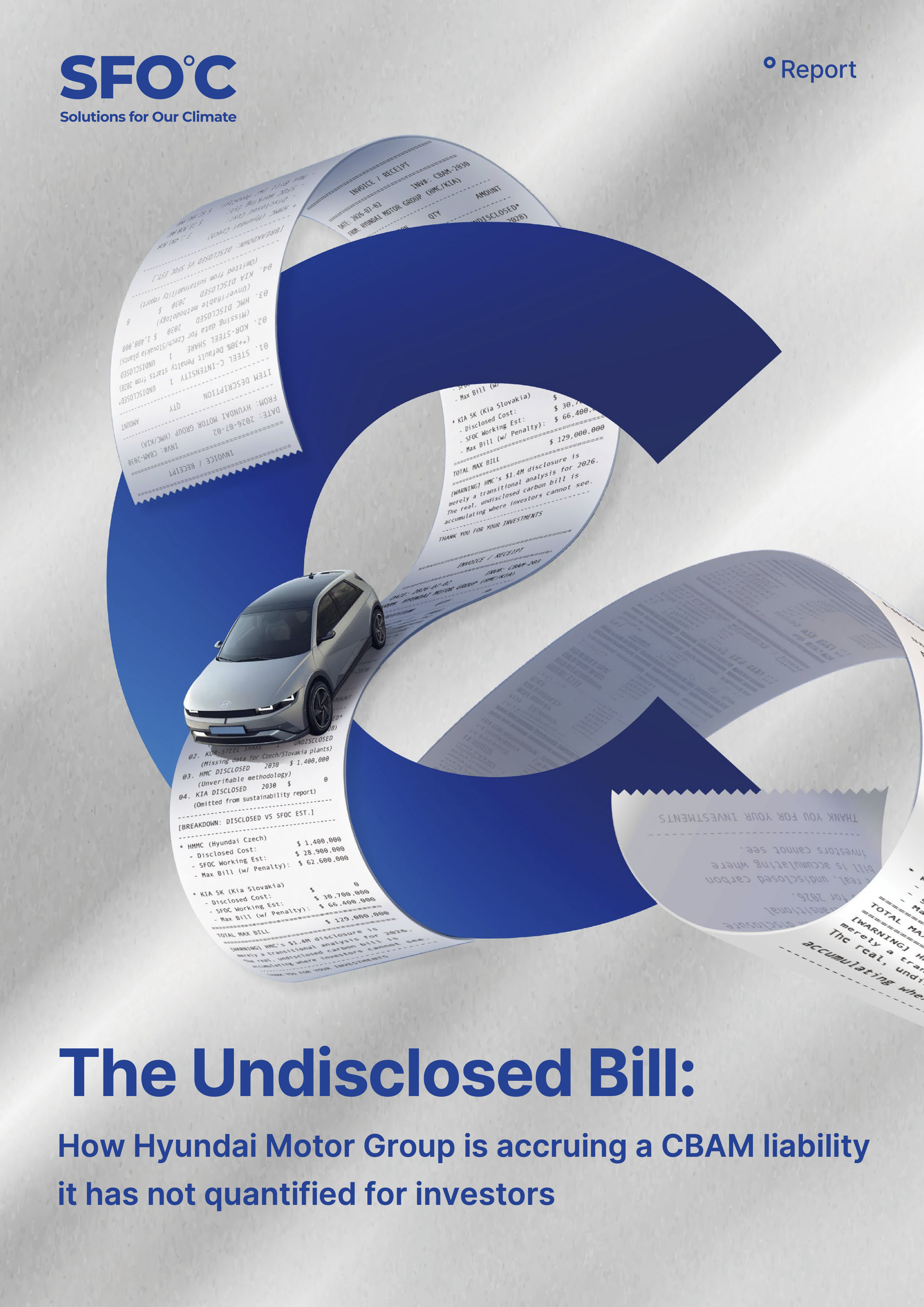
The Undisclosed Bill: How Hyundai Motor Group is accruing a CBAM liability it has not quantified for investors
2026-07-15
Status of the National Pension Service’s Stewardship Activities and Recommendations for a Climate Stewardship Code
2026-07-06
Steel in the Portfolio: An Engagement Framework for Institutional Investors
2026-06-16
Asia Waste Methane Comparative Analysis Study
2026-06-05
Stewardship Without Climate : Reforming Korea’s Stewardship Code
2026-05-13
From Farm to Retail: A Life Cycle Assessment of Meat Consumption in South Korea
2026-05-08
Financing Strategies for Coal Phase-Out: Germany's Sovereign Green Bond Model and Implications for South Korea
2026-04-21
An Assessment of Environmental and Social Impacts of LNG Carriers
2026-04-06
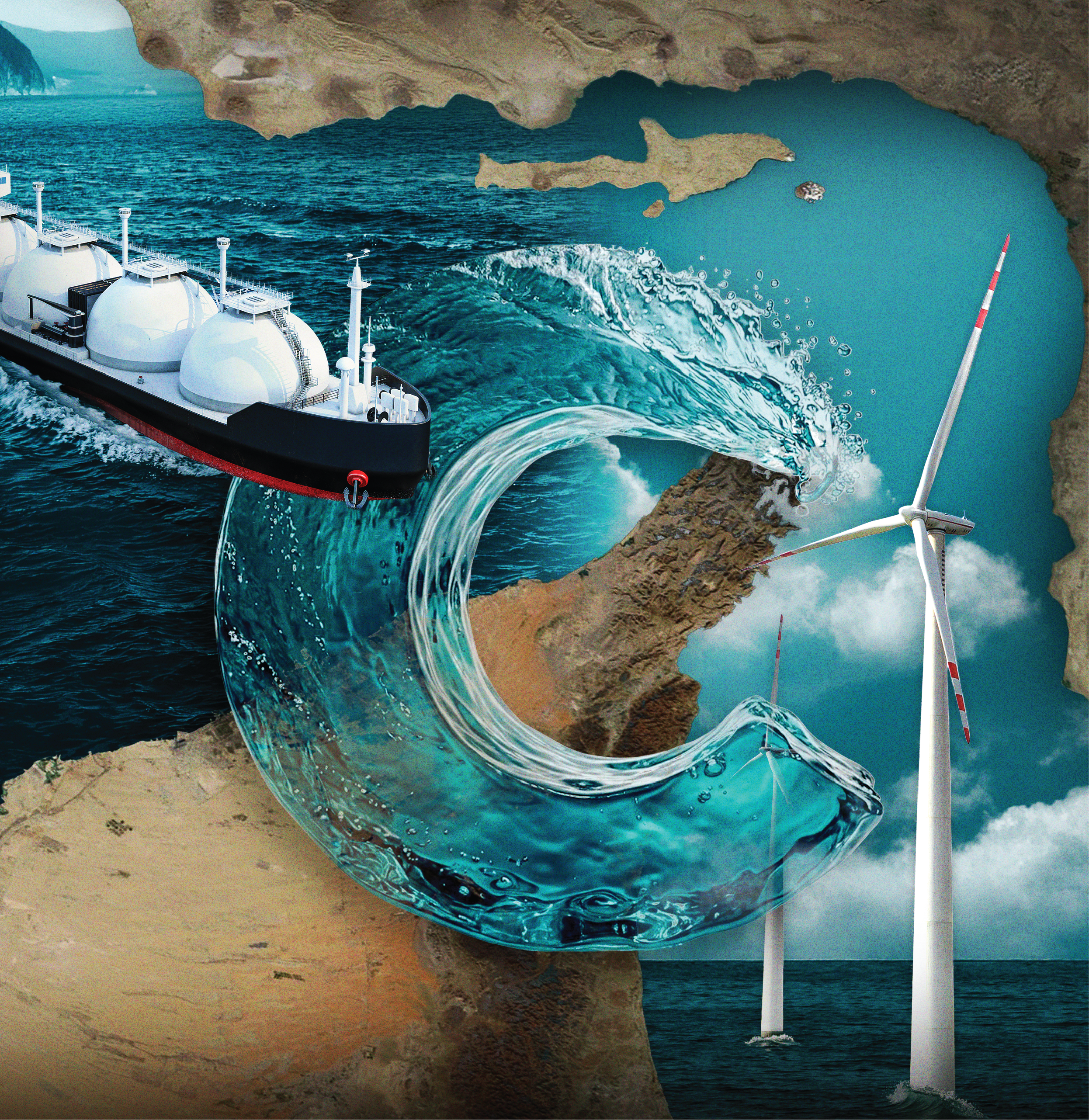
Recurring Crisis, Delayed Transition: From Fossil Fuel Dependence to Energy Independence
2026-03-18
Empty Seats at the Climate Table : Board Oversight Gaps in Hyundai Motor Company's Climate Governance
2026-03-03
Buried But Not Hidden: Addressing Methane Emissions From Korea's Regional Landfills
2026-02-20
Government Financing for H₂-DRI Commercialization: Comparative Risk-Sharing Cases and Implications for Korea
2026-01-26
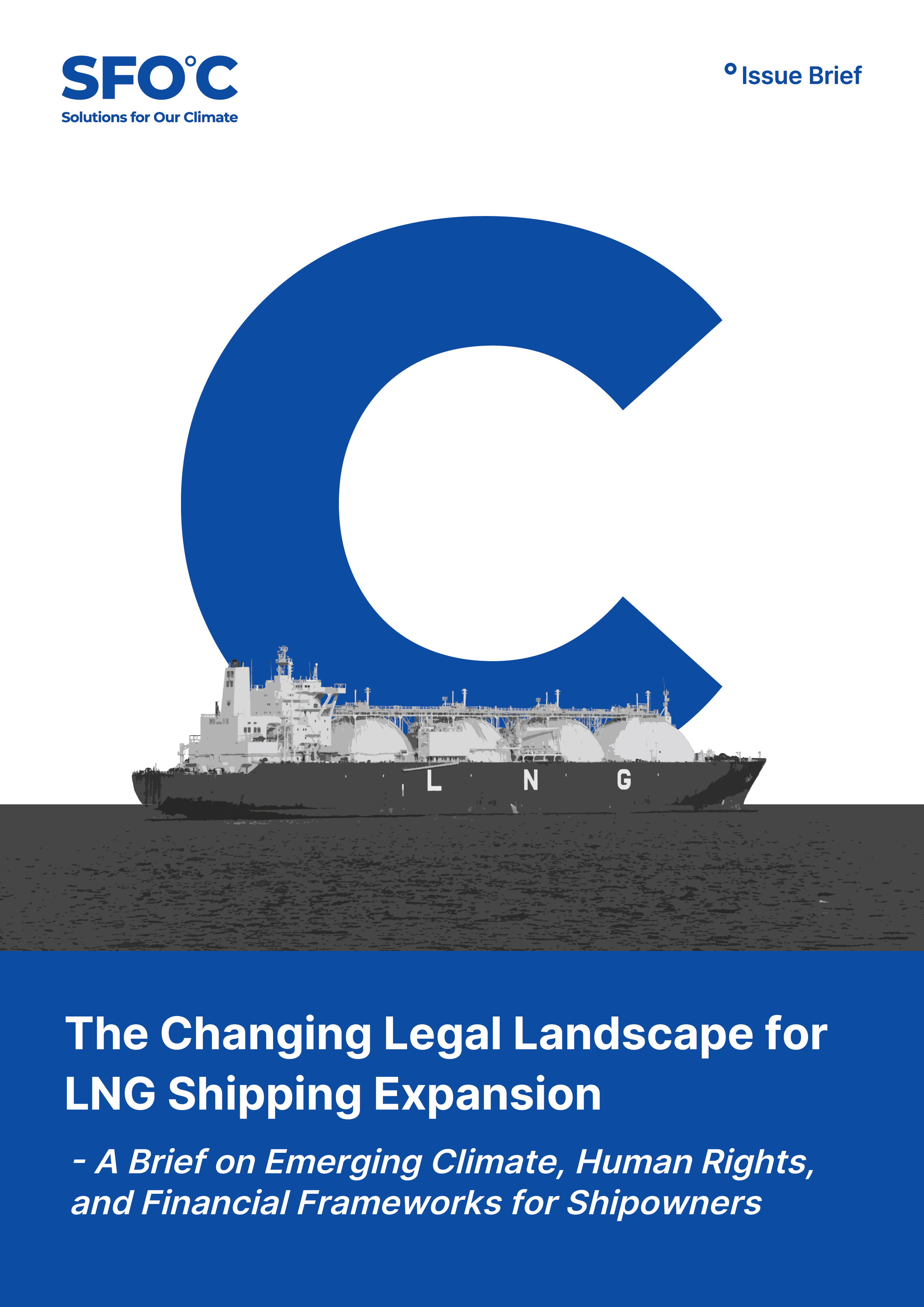
The Changing Legal Landscape for LNG Shipping Expansion
2026-01-08
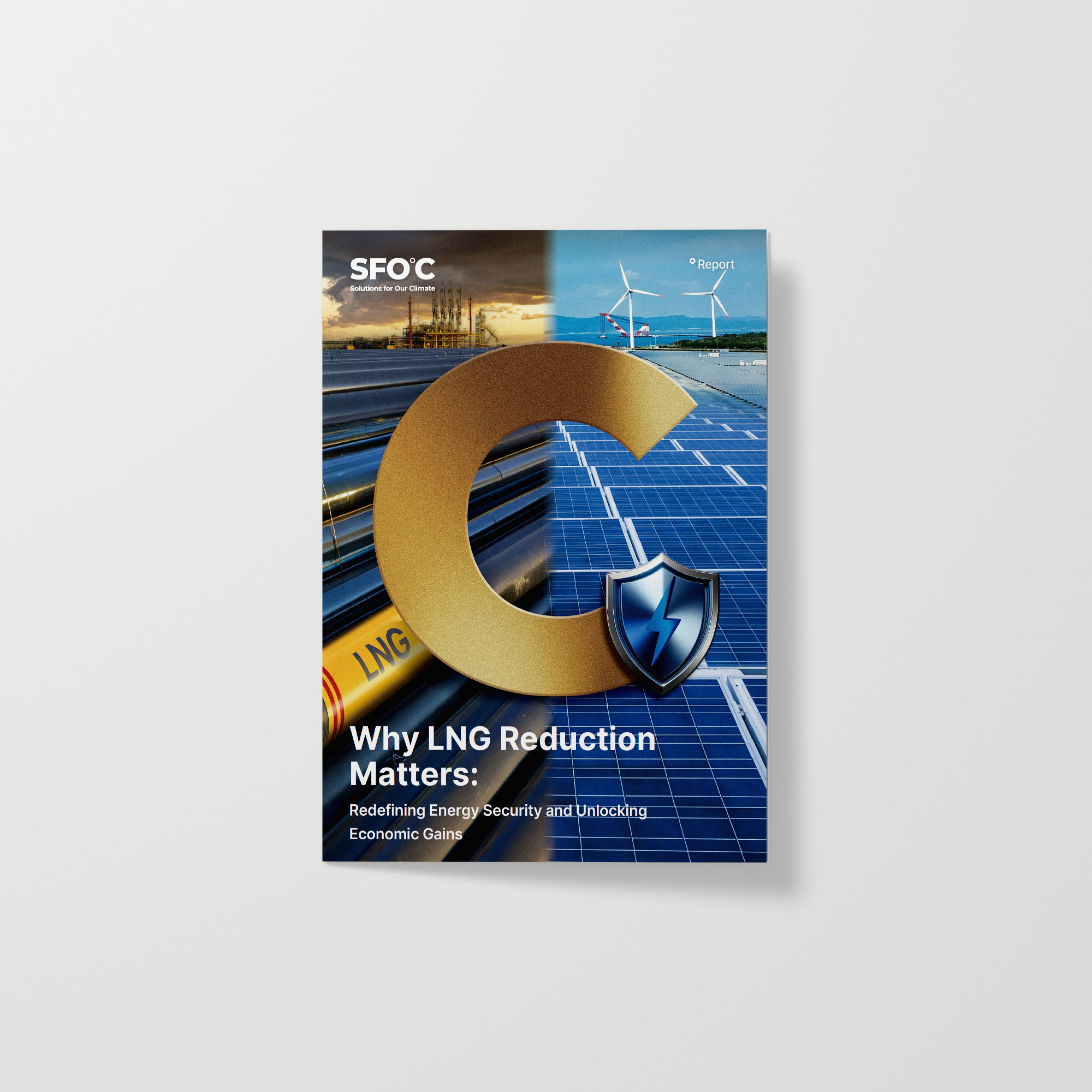
Why LNG Reduction Matters: Redefining Energy Security and Unlocking Economic Gains
2025-12-08
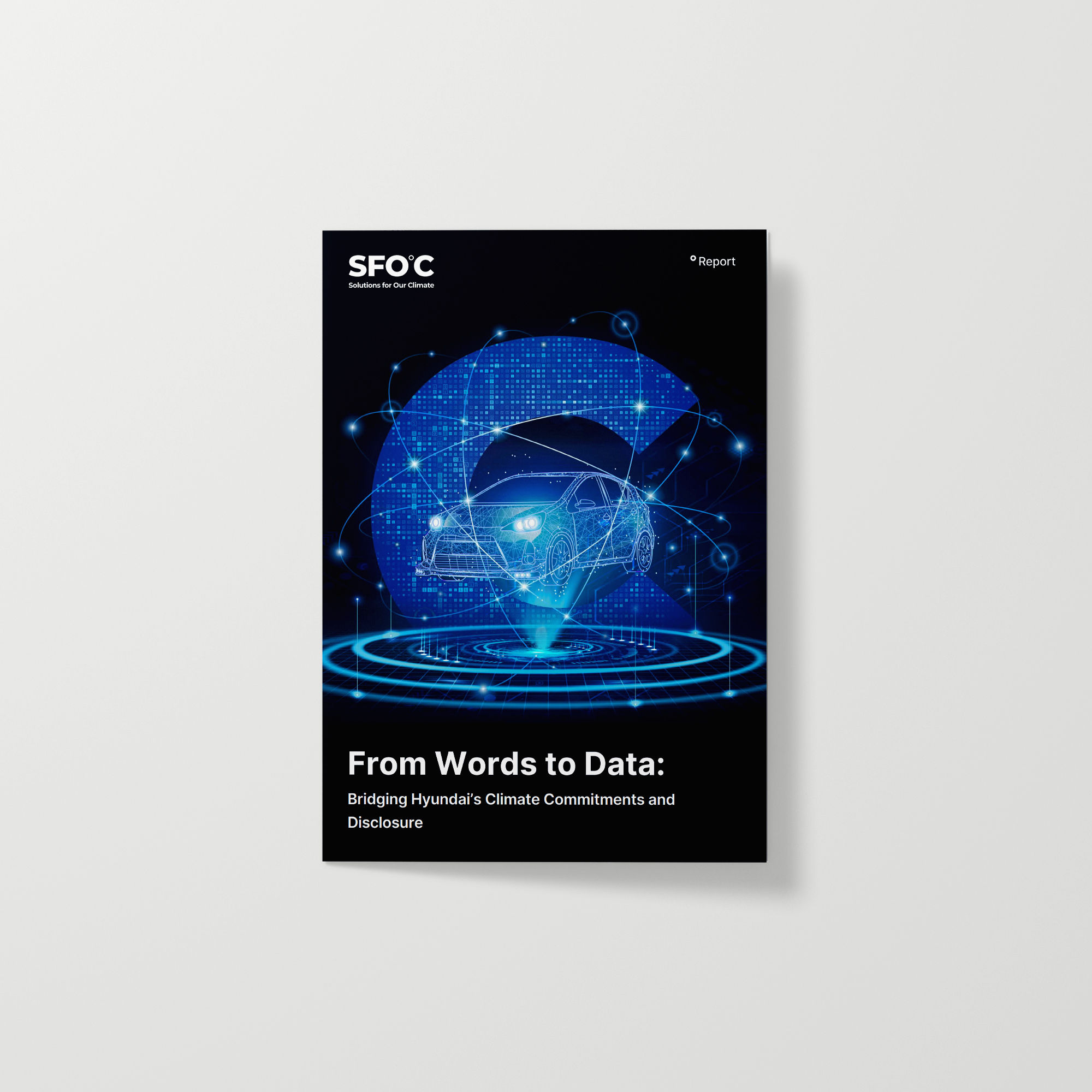
From Words to Data: Bridging Hyundai’s Climate Commitments and Disclosure
2025-11-28
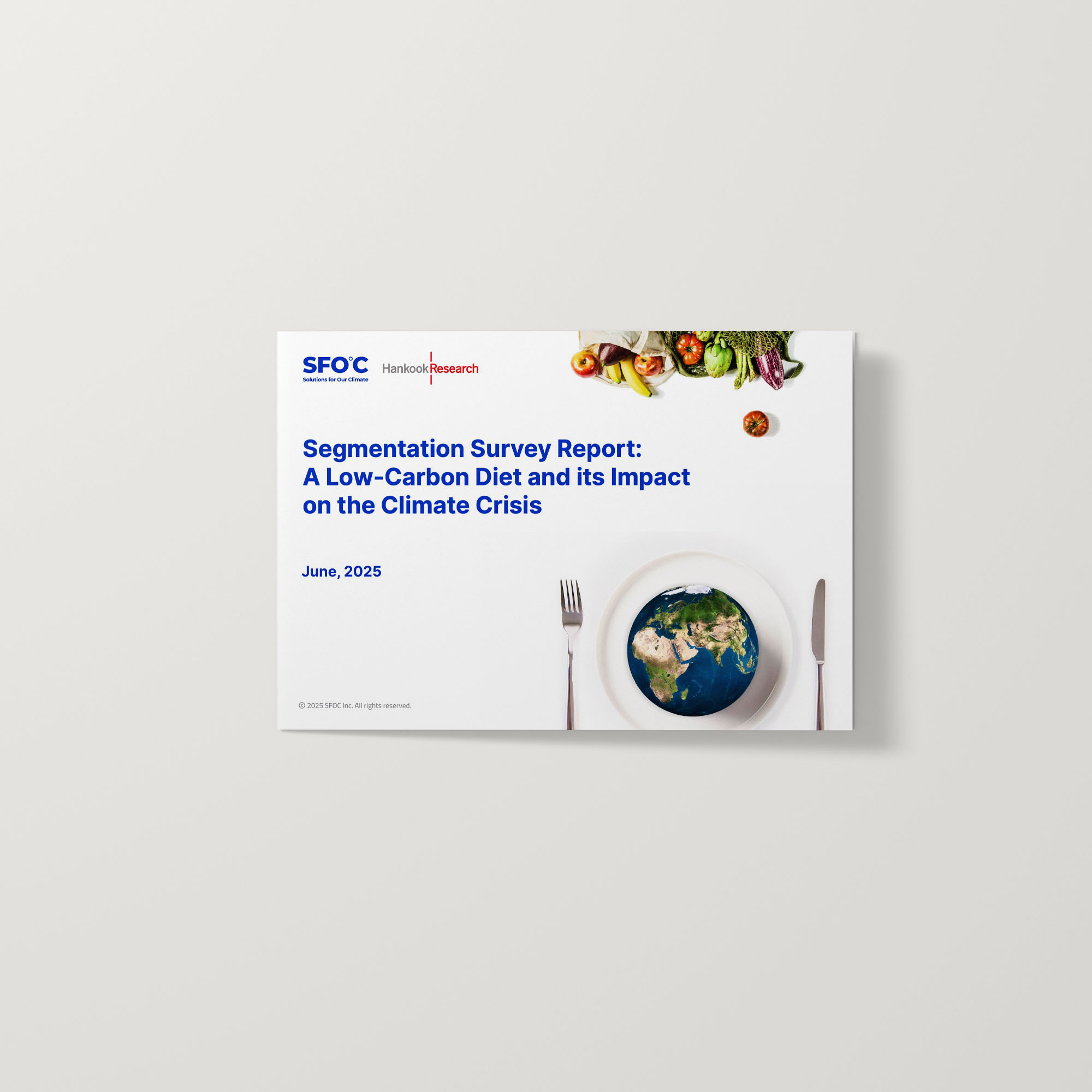
Segmentation Survey Report: A Low-Carbon Diet and its Impact on the Climate Crisis
2025-11-19
South Korea’s Export Credit Finance in Transition: National Economic Impacts of the Global Shift from Fossil Fuels to Clean Energy
2025-11-16
Supplementary Brief: South Korea's Exposure to Shipping Stranded Asset Risks
2025-10-26
No Budget, No Cuts: Agriculture’s 2030 NDC Targets at Risk
2025-09-16
The Climate Crisis—Culprits and Liability: Contribution of South Korea’s Top Ten Emitting Corporates to Climate Loss & Damage
2025-08-10
Unlocking Solutions: The Social Benefits of Reducing Methane Emissions from South Korea’s Energy Imports
2025-07-30
Assessment of Opportunities for Implementing a Methane Import Standard in South Korea
2025-06-30

No Room for More: Why LNG Carriers Are a Climate and Financial Risk
2025-05-13

From Manure to Methane: Uncovering Hidden Emissions in Livestock Manure Treatment
2025-04-28

Moving Away from Coal: 2025 POSCO Holdings Climate Risk
2025-03-17

A Sleeping Giant? The National Pension Service’s Missed Potential on Climate Action
2025-03-11

Korea's Upstream Challenge: Mitigating Global Methane Emissions
2024-11-15

Ensuring Korea’s Methane Mitigation Efforts are 1.5-degree Aligned
2024-11-11

Bridging the Nature Finance Gap: Aligning South Korean Banks with the Global Biodiversity Framework
2024-10-27

EU Methane Import Standard: Policy Implications for South Korea
2024-09-09

Methane Leaks from Buried Food Waste
2024-07-31

LNG運搬船: 世界のガス取引を拡大させる海上パイプライン ――影の推進者を明らかにする
2024-06-12
![[Brief] South Korea’s international public finance continues to block a just energy transition](https://content.sfoc.tapahalab.com/images/research/RC5Kime.jpg)
[Brief] South Korea’s international public finance continues to block a just energy transition
2024-04-02
![[Report] The Inconsistent 'Coal-Free Pledge' of Korea's National Pension Service](https://content.sfoc.tapahalab.com/images/research/VcDPdme.jpg)
[Report] The Inconsistent 'Coal-Free Pledge' of Korea's National Pension Service
2023-06-20

Industry Trends Brief No.2 - Unmasking the Hidden Culprit Beyond CO2: Methane
2023-05-31
![[Report] Methane Reduction Strategies and Regulations in South Korea: Current Issues and Policy Recommendations](https://content.sfoc.tapahalab.com/images/research/xxJgdme.jpg)
[Report] Methane Reduction Strategies and Regulations in South Korea: Current Issues and Policy Recommendations
2023-02-22

National Development Banks and the Climate Crisis
2022-06-13

Climate Risk Management in Financial Sector and the Role of Pension Funds
2022-02-10
![[토론회] 한국형 녹색분류체계(K-Taxonomy), 무엇이 녹색경제활동인가](https://content.sfoc.tapahalab.com/images/research/bn8jdme.jpg)
[토론회] 한국형 녹색분류체계(K-Taxonomy), 무엇이 녹색경제활동인가
2021-11-23

Fueling the Climate Crisis_South Korea's Public Financing for Oil and Gas
2021-08-31


