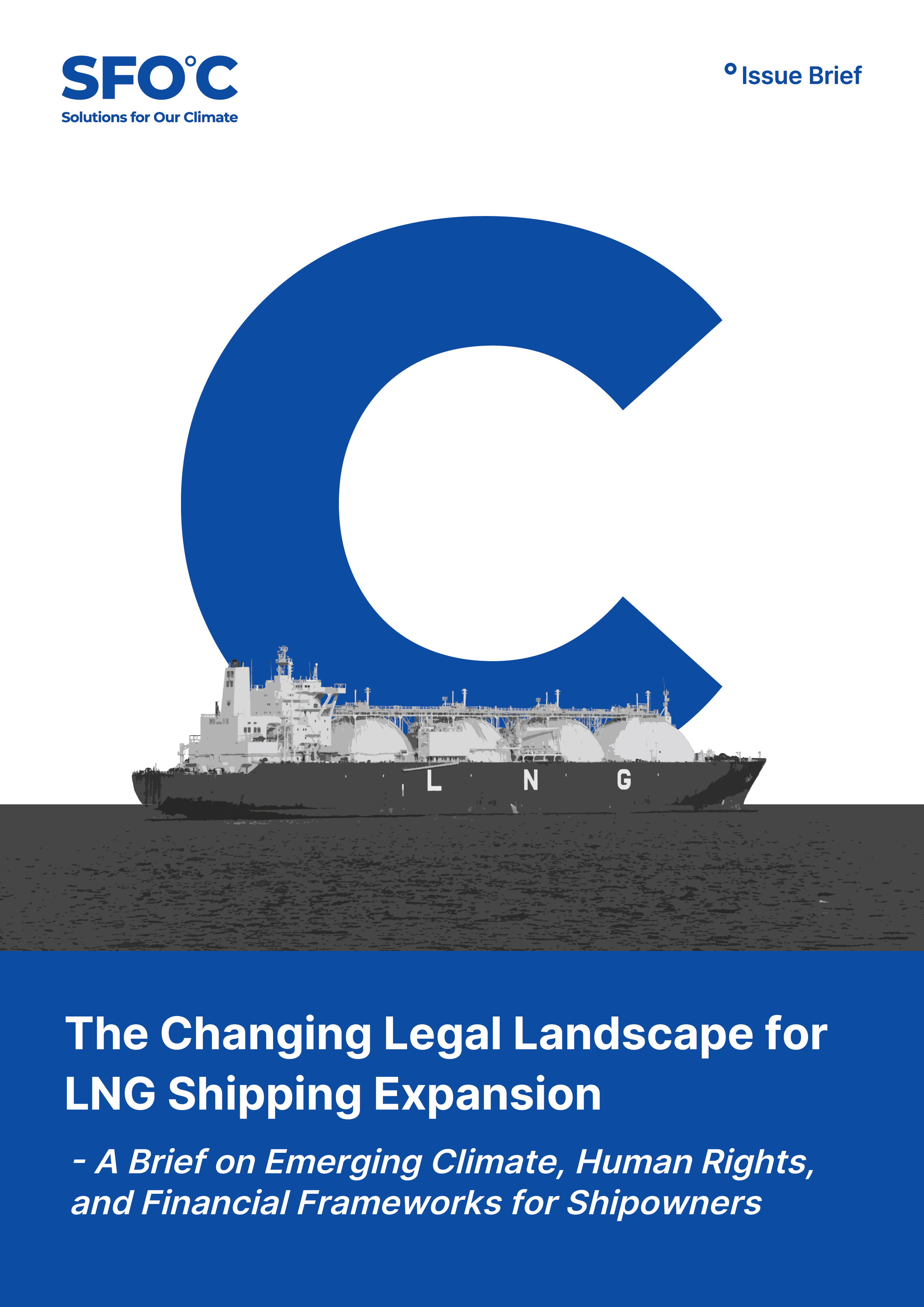
The Changing Legal Landscape for LNG Shipping Expansion


About
This issue brief examines the rapidly evolving legal, regulatory, and financial landscape facing the liquefied natural gas (LNG) shipping sector, with a focus on Japanese shipowners expanding their LNG carrier fleets. Building on Solutions for Our Climate’s 2025 report No Room for More: Why LNG Carriers Are a Climate and Financial Risk, the brief provides an in-depth legal analysis of emerging climate litigation, human rights accountability, international maritime law, and sustainable finance frameworks.
Download report
Executive summary
LNG shipping expansion is no longer a low-risk commercial activity. Rapid fleet growth, misalignment with climate targets, and rising speculative vessel orders have increased exposure to climate litigation, stranded assets, and financial loss. At the same time, courts, regulators, and international bodies are strengthening corporate accountability for climate impacts and human rights harms linked to fossil fuel projects.
Recent developments—including climate lawsuits, human rights findings related to LNG projects, and recent legal clarification by international maritime tribunals regarding climate obligations—signal that continued investment in LNG carriers may create significant legal and financial liabilities unless companies adopt credible transition strategies.
Key findings
LNG shipping expansion conflicts with climate goals and increases stranded-asset risk.
Climate litigation is expanding, targeting corporate duty of care, greenwashing, and transition-risk mismanagement.
LNG carriers are increasingly viewed as enablers of fossil fuel expansion, not neutral assets.
Human rights concerns linked to LNG projects heighten ESG and legal exposure.
International maritime law and sustainable finance rules are tightening, increasing regulatory and financial risk for shipowners and financiers.
Related research
Hidden Methane Emissions, Tangible Economic Costs: Lost Fuel Value and Heatwave-Related Climate Damages from Japan’s Imported Fossil Fuel Supply Chains
2026-08-03
![[SFOC] Hidden Methane Emissions, Tangible Economic Costs: Lost Fuel Value and Heatwave-Related Climate Damages from Korea’s Imported Fossil Fuel Supply Chains](https://content.forourclimate.org/images/research/yUNyzaf.jpg)
[SFOC] Hidden Methane Emissions, Tangible Economic Costs: Lost Fuel Value and Heatwave-Related Climate Damages from Korea’s Imported Fossil Fuel Supply Chains
2026-08-03
The Undisclosed Bill: How Hyundai Motor Group is accruing a CBAM liability it has not quantified for investors
2026-07-15
Steel in the Portfolio: An Engagement Framework for Institutional Investors
2026-06-16
Korea's LNG Expansion Paradox: Declining Demand, Growing Infrastructure
2026-06-10
Asia Waste Methane Comparative Analysis Study
2026-06-05
An Assessment of Environmental and Social Impacts of LNG Carriers
2026-04-06
Recurring Crisis, Delayed Transition: From Fossil Fuel Dependence to Energy Independence
2026-03-18
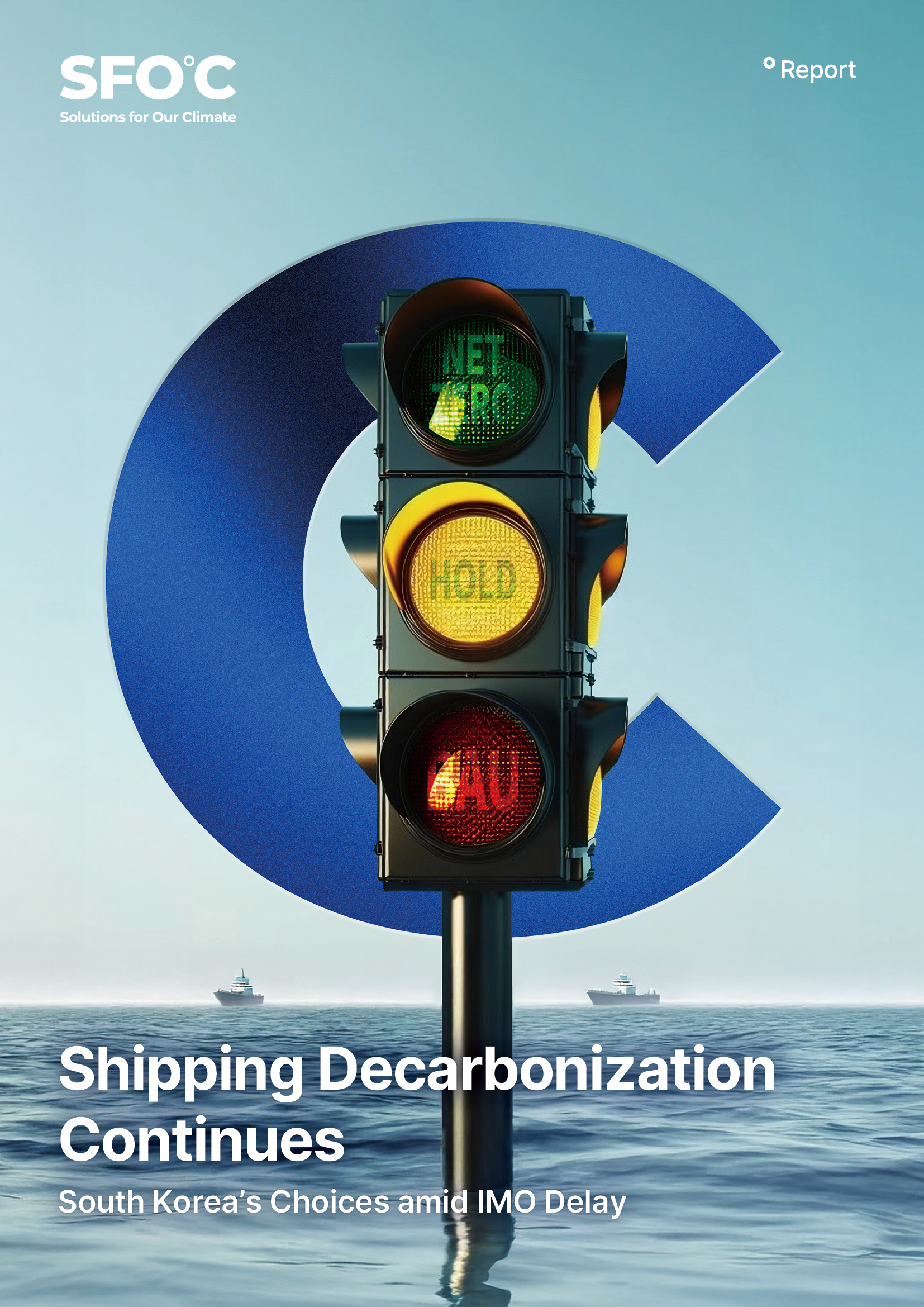
Shipping Decarbonization Continues: South Korea's Choices amid IMO Delay
2026-03-04
Empty Seats at the Climate Table : Board Oversight Gaps in Hyundai Motor Company's Climate Governance
2026-03-03
Buried But Not Hidden: Addressing Methane Emissions From Korea's Regional Landfills
2026-02-20
Why LNG Reduction Matters: Redefining Energy Security and Unlocking Economic Gains
2025-12-08
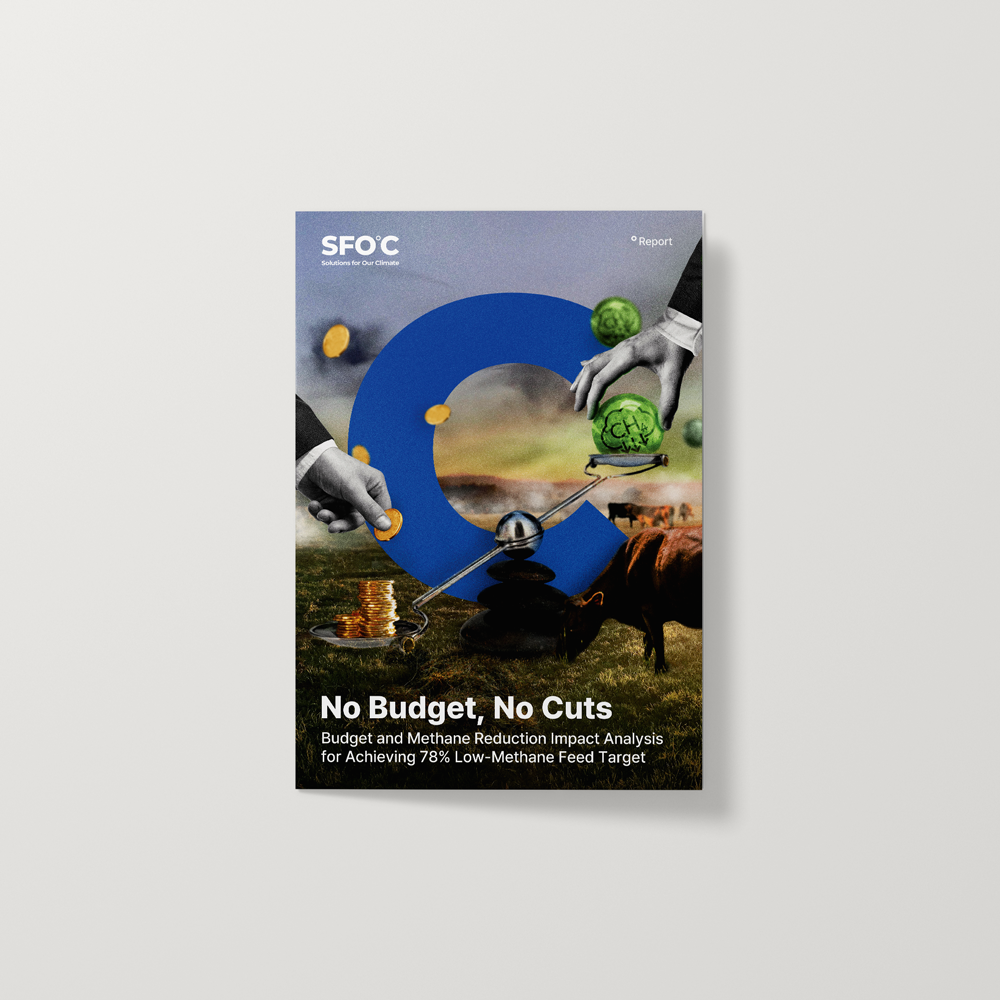
No Budget, No Cuts: Budget and Methane Reduction Impact Analysis for Achieving 78% Low-Methane Feed Supply Target
2025-12-03
From Words to Data: Bridging Hyundai’s Climate Commitments and Disclosure
2025-11-28
South Korea’s Export Credit Finance in Transition: National Economic Impacts of the Global Shift from Fossil Fuels to Clean Energy
2025-11-16
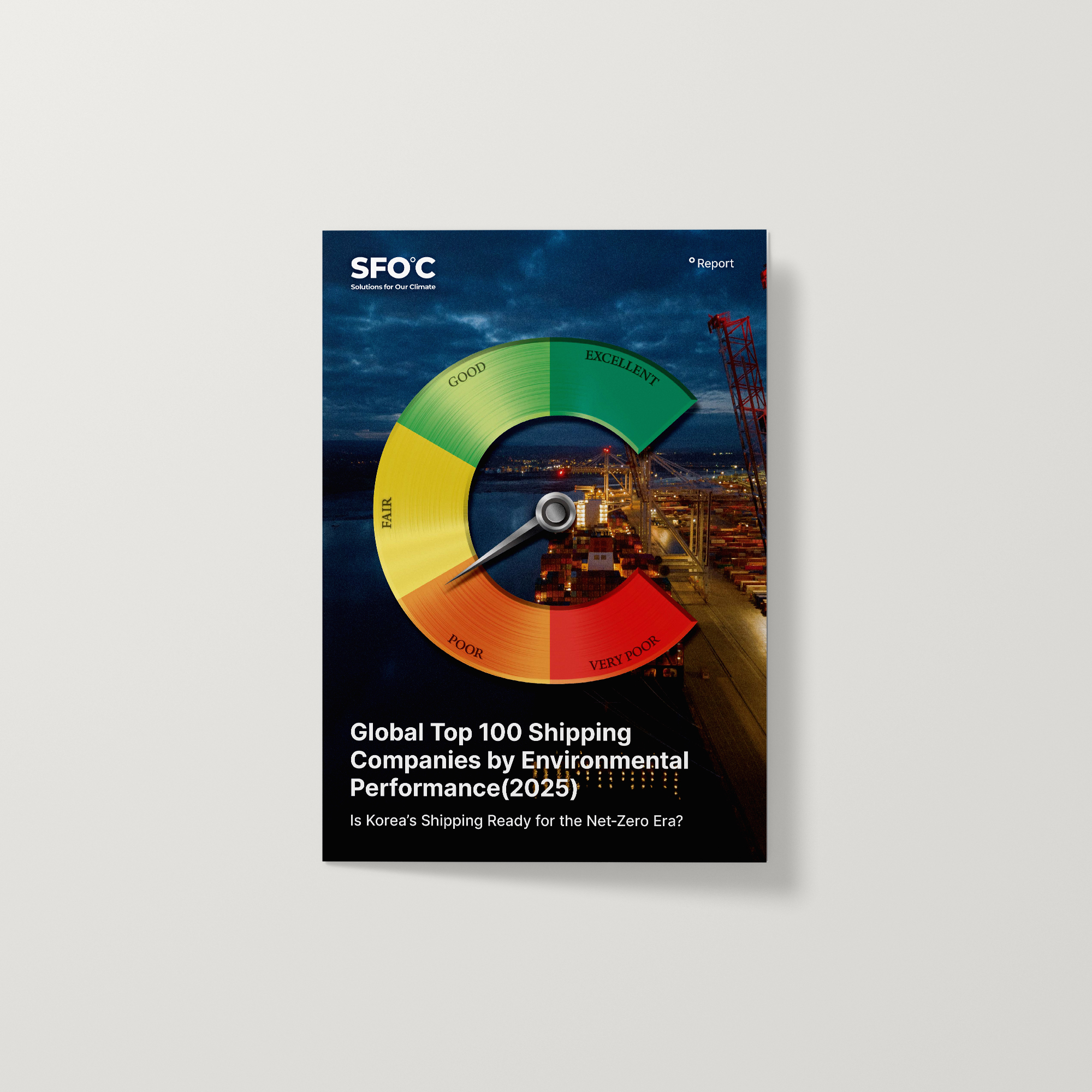
Global Top 100 Shipping Companies by Environmental Performance(2025) - Is Korea’s Shipping Ready for the Net-Zero Era?
2025-11-04
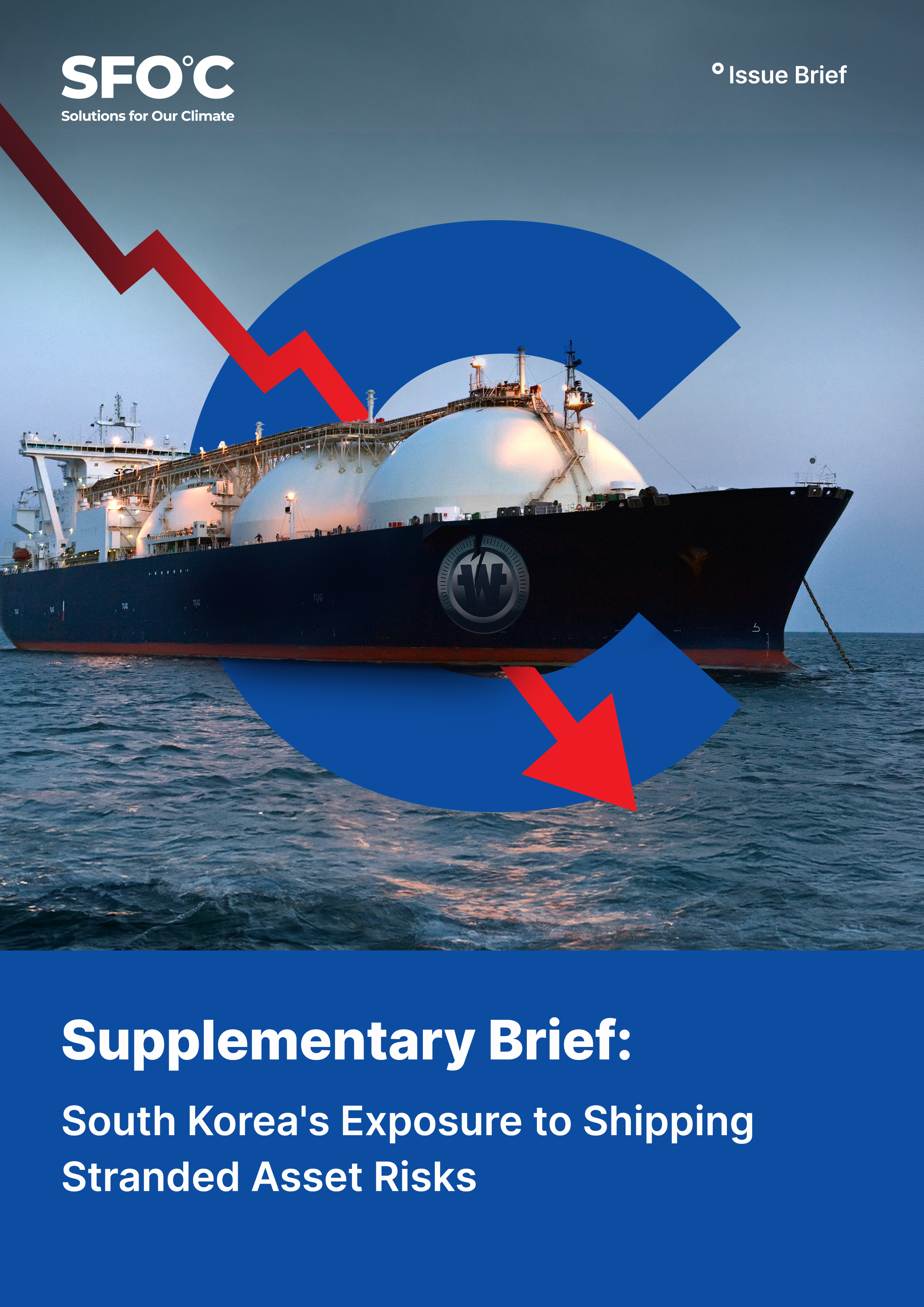
Supplementary Brief: South Korea's Exposure to Shipping Stranded Asset Risks
2025-10-26
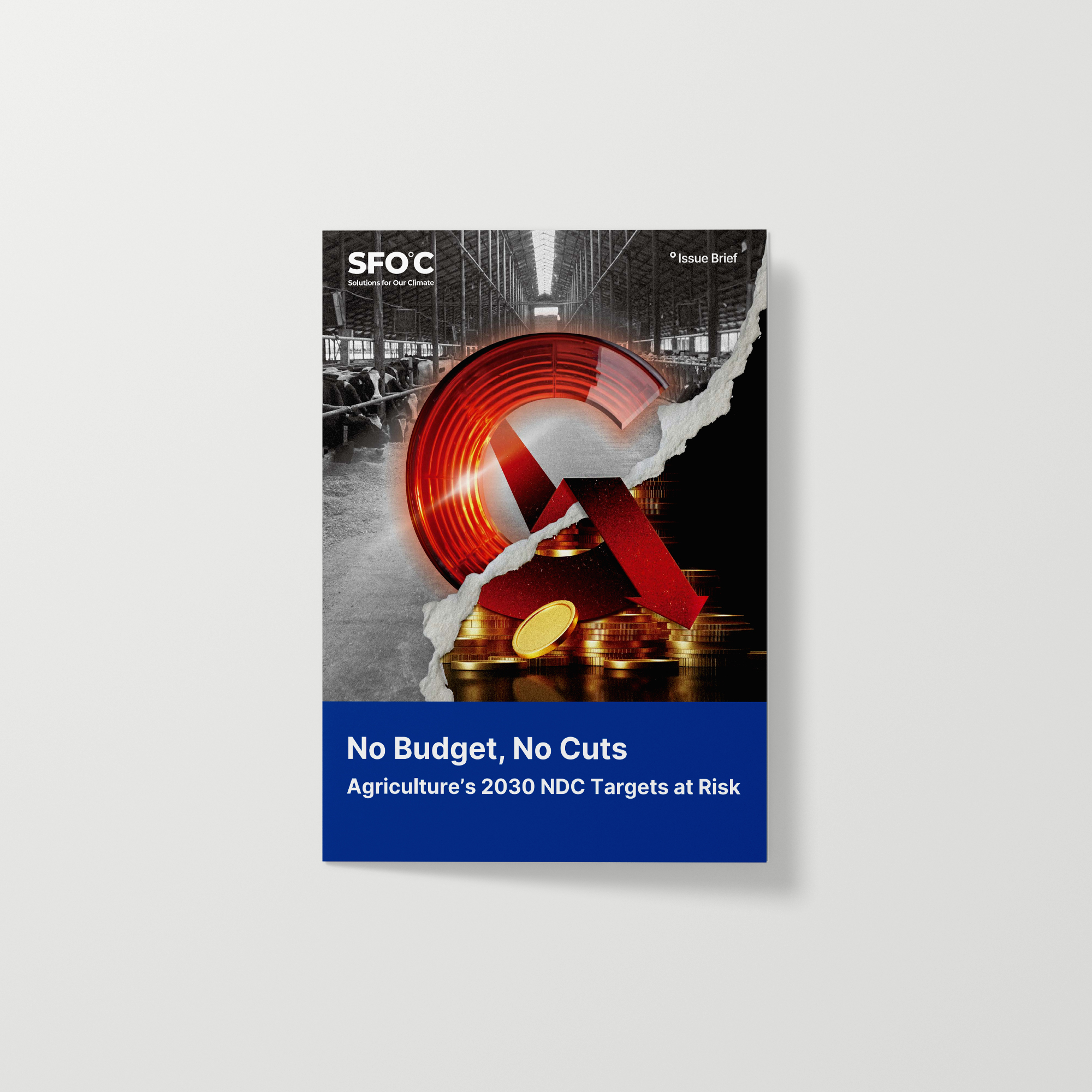
No Budget, No Cuts: Agriculture’s 2030 NDC Targets at Risk
2025-09-16
VPPs: The Key to Korea's Transition to a Renewable Energy-Based Power System
2025-08-28
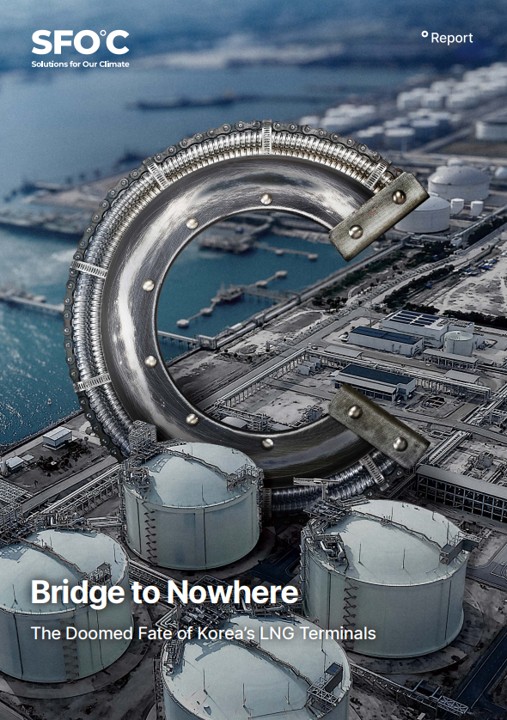
Bridge to Nowhere: The Doomed Fate of Korea's LNG Terminals
2025-08-19
The Climate Crisis—Culprits and Liability: Contribution of South Korea’s Top Ten Emitting Corporates to Climate Loss & Damage
2025-08-10
Speed Bumps on the Renewable Energy Highway: Minimum Generation Levels of Thermal Power Plants
2025-08-05
Unlocking Solutions: The Social Benefits of Reducing Methane Emissions from South Korea’s Energy Imports
2025-07-30
IMO Net-Zero Framework: Fuel Cost and Carbon Price Impacts
2025-07-23
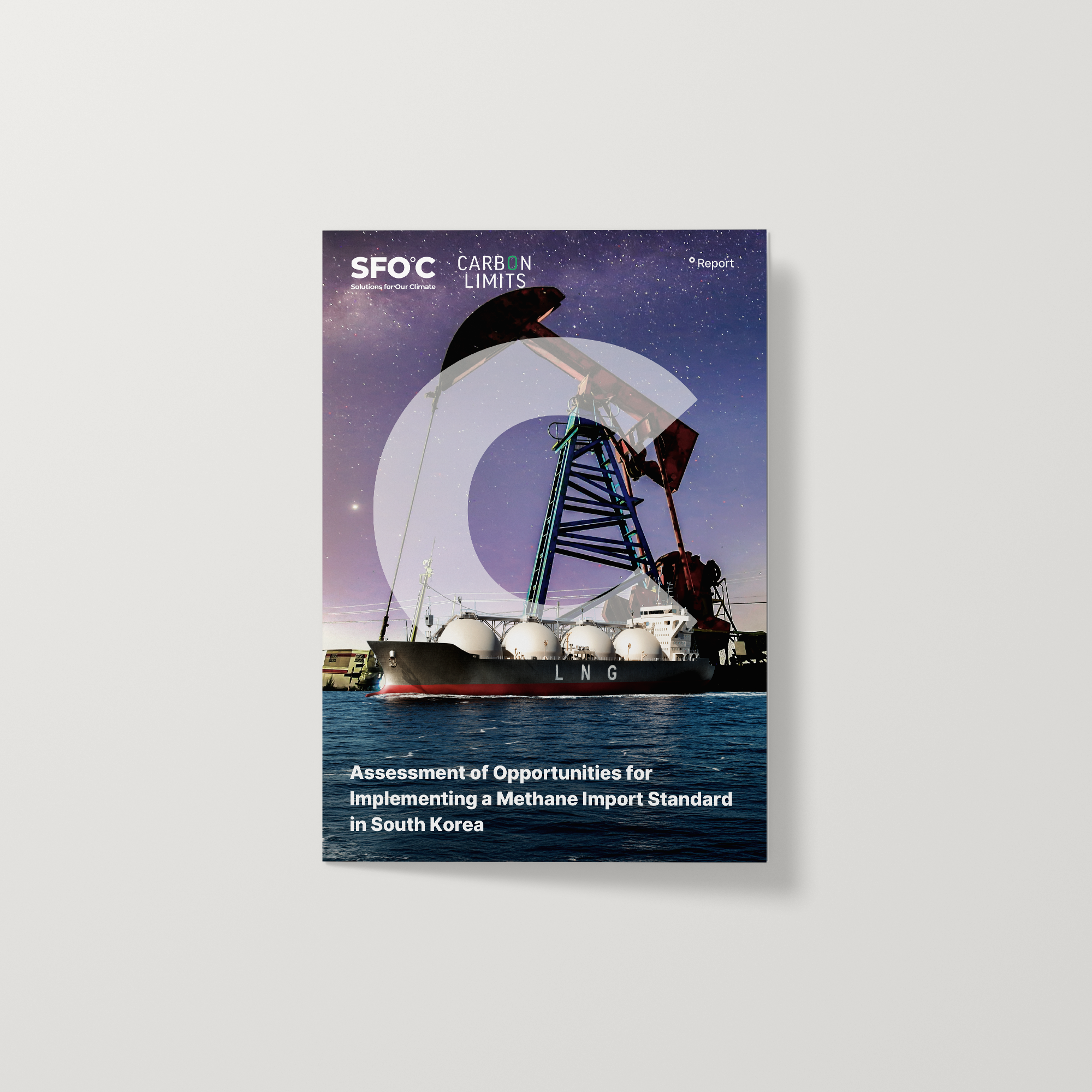
Assessment of Opportunities for Implementing a Methane Import Standard in South Korea
2025-06-30

No Room for More: Why LNG Carriers Are a Climate and Financial Risk
2025-05-13

From Manure to Methane: Uncovering Hidden Emissions in Livestock Manure Treatment
2025-04-28

Analyzing Korea’s 2035 NDC GHG Emissions Reduction Pathway through an Integrated Assessment Model
2025-04-23

Charting a Net-Zero Pathway: A Korea-Europe Green Shipping Corridor Linking Pyeongtaek and Key European Ports
2025-04-22

Capitalizing on Coal: How Global Investors and Underwriters Enable KEPCO to Abandon the Sustainability Path
2025-03-20

Moving Away from Coal: 2025 POSCO Holdings Climate Risk
2025-03-17

Missing points of “South Korea’s East Sea Blue Whale Project”
2025-01-08

Socio-economic Impacts of Energy Transition in Chungcheongnam-do
2024-12-18

Korea's Upstream Challenge: Mitigating Global Methane Emissions
2024-11-15

Ensuring Korea’s Methane Mitigation Efforts are 1.5-degree Aligned
2024-11-11

Bridging the Nature Finance Gap: Aligning South Korean Banks with the Global Biodiversity Framework
2024-10-27

Still Adrift: Updated assessment of the global energy transition's impact on the LNG shipbuilding industry
2024-10-14

A Study on South Korea's 2050 Net Zero Pathway for Shipping
2024-09-25

EU Methane Import Standard: Policy Implications for South Korea
2024-09-09

Billions Off Course: Japan's Oil and Gas Financing Fueling the Climate Crisis
2024-09-05

Floating Doubt: The Risks of FSRUs in Expanding Methane Gas
2024-09-03

Environmental Risks of Bridge Shipping Fuels and Fuel Transition Plans of South Korea, China and Japan
2024-08-12

Methane Leaks from Buried Food Waste
2024-07-31

Limitations of LNG in the Shipping Decarbonization
2024-07-31

LNG運搬船: 世界のガス取引を拡大させる海上パイプライン ――影の推進者を明らかにする
2024-06-12

Reconsidering Korea's LNG Bunkering 100% Rebate Policy
2024-06-04

Three Unseen Flaws of the Boryeong Blue Hydrogen Project in South Korea
2024-05-26

Threat of Toxic Substances: Increased Particulate Matter and Health Hazards from Ammonia Co-firing
2024-05-22
![[Brief] South Korea’s international public finance continues to block a just energy transition](https://content.sfoc.tapahalab.com/images/research/RC5Kime.jpg)
[Brief] South Korea’s international public finance continues to block a just energy transition
2024-04-02
![[Report] Achieving Net Zero in International Shipping through Korea-US-Japan Green Shipping Corridor](https://content.sfoc.tapahalab.com/images/research/s11Jime.jpg)
[Report] Achieving Net Zero in International Shipping through Korea-US-Japan Green Shipping Corridor
2024-02-13

Total Turmoil: Unveiling South Korea's Stake in Mozambique's Climate and Humanitarian Crisis
2024-01-29

LNG Carriers: The Floating Pipeline Powering Global Gas Expansion - Unveiling its Hidden Enablers
2023-11-27

Industry Trends Brief No.3 - Port Decarbonization: Focusing on South Korean Five Major Ports
2023-09-15

Industry Trends Brief No.2 - Unmasking the Hidden Culprit Beyond CO2: Methane
2023-05-31

High and dry:The global energy transition's looming impact on the LNG and oil shipbuilding industry
2023-05-24

Global trends in climate change litigation 2022
2023-05-19

Betting on a Sinking Ship: Banks Behind the Barossa Gas Field’s FPSO
2023-04-18
![[이슈브리프] 기후소송 국내 동향](https://content.sfoc.tapahalab.com/images/research/sAovdme.jpg)
[이슈브리프] 기후소송 국내 동향
2023-03-03
![[Report] Methane Reduction Strategies and Regulations in South Korea: Current Issues and Policy Recommendations](https://content.sfoc.tapahalab.com/images/research/xxJgdme.jpg)
[Report] Methane Reduction Strategies and Regulations in South Korea: Current Issues and Policy Recommendations
2023-02-22

Korea's Green Shipping Pathways: The Korean Shipping Landscape and Policy Recommendations for Ocean-Climate Leadership in Shipping
2022-12-09

Unveiling Fossil Greenwashing: Hidden Emissions of Korea's Hydrogen Scheme
2022-09-13
![[Issue Brief] Assessment of Climate Change Policies of Major South Korean Financial Institutions](https://content.sfoc.tapahalab.com/images/research/a4ondme.jpg)
[Issue Brief] Assessment of Climate Change Policies of Major South Korean Financial Institutions
2022-01-04
![[토론회] 한국형 녹색분류체계(K-Taxonomy), 무엇이 녹색경제활동인가](https://content.sfoc.tapahalab.com/images/research/bn8jdme.jpg)
[토론회] 한국형 녹색분류체계(K-Taxonomy), 무엇이 녹색경제활동인가
2021-11-23
![[이슈 브리프] 탄소포집, 이용 및 저장기술(CCUS) 현황과 문제점](https://content.sfoc.tapahalab.com/images/research/SWESdme.jpg)
[이슈 브리프] 탄소포집, 이용 및 저장기술(CCUS) 현황과 문제점
2021-11-03

KR-DE Road to 2050 : Financing Clean Energy Transition
2021-09-28

Fueling the Climate Crisis_South Korea's Public Financing for Oil and Gas
2021-08-31


