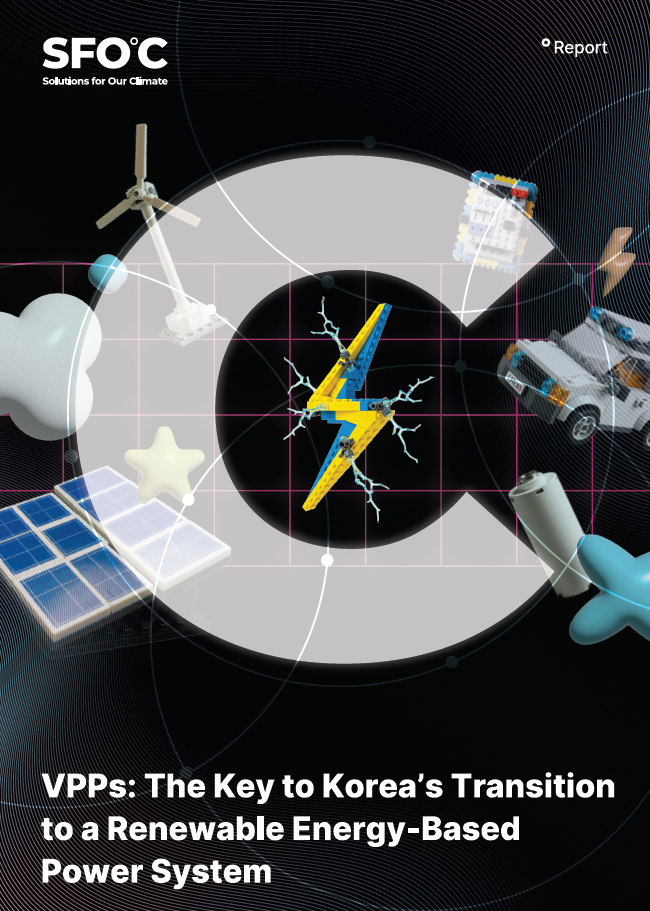
About
Building a power system centered on renewable energy requires a paradigm shift from Korea’s existing centralized model, which relies on large-scale fossil fuel power plants, to a distributed structure. At the heart of this paradigm shift is the Virtual Power Plant (VPP), which integrates Distributed Energy Resources (DERs)—such as solar power, wind energy, Energy Storage Systems (ESS), and Demand Response (DR) to operate and participate in the wholesale power market.
Nevertheless, the Korean government has not established adequate policy measures to incentivize the transition to a distributed power system. The existing wholesale power market continues to prioritize the operation and compensation of large-scale fossil fuel power plants, while lacking the market structure and the infrastructure required to support the expansion of DERs. This report examines the key challenges to the expansion of VPPs as an essential component of Korea’s renewable energy transition and suggests possible solutions.
Download report
Related research
Choosing a Green Steel Pathway : Implications for South Korea, Japan, and Australia
2026-09-14
![[SFOC] Hidden Methane Emissions, Tangible Economic Costs: Lost Fuel Value and Heatwave-Related Climate Damages from Korea’s Imported Fossil Fuel Supply Chains](https://content.forourclimate.org/images/research/yUNyzaf.jpg)
[SFOC] Hidden Methane Emissions, Tangible Economic Costs: Lost Fuel Value and Heatwave-Related Climate Damages from Korea’s Imported Fossil Fuel Supply Chains
2026-08-03
Hidden Methane Emissions, Tangible Economic Costs: Lost Fuel Value and Heatwave-Related Climate Damages from Japan’s Imported Fossil Fuel Supply Chains
2026-08-03
KEPCO’s Financial Risks: When State-Owned Utilities Become an Economic Drag
2026-07-23
Steel in the Portfolio: An Engagement Framework for Institutional Investors
2026-06-16
Korea's LNG Expansion Paradox: Declining Demand, Growing Infrastructure
2026-06-10
Solving the Renewable Energy Disconnect: Enabling Korea’s 100GW RE Target Through Priority Grid Connection Policy
2026-06-01
Unlocking Agrivoltaics: Extending the Temporary Non-Agricultural Use Permission Period for Farmland
2026-05-14
Financing Strategies for Coal Phase-Out: Germany's Sovereign Green Bond Model and Implications for South Korea
2026-04-21
An Assessment of Environmental and Social Impacts of LNG Carriers
2026-04-06
Recurring Crisis, Delayed Transition: From Fossil Fuel Dependence to Energy Independence
2026-03-18
Reforming South Korea's Power Sector: Setting the Stage For the Renewable Energy Transition
2026-02-04
The Changing Legal Landscape for LNG Shipping Expansion
2026-01-08
Why LNG Reduction Matters: Redefining Energy Security and Unlocking Economic Gains
2025-12-08
Settled in Secret: The Opaque Grid Fee System Undermining Renewable Energy PPA Expansion in South Korea
2025-12-01
South Korea’s Export Credit Finance in Transition: National Economic Impacts of the Global Shift from Fossil Fuels to Clean Energy
2025-11-16
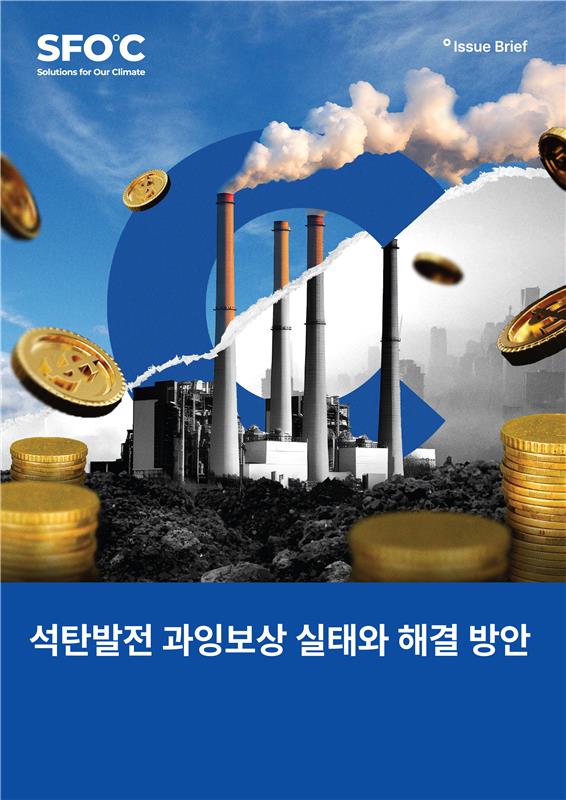
Exposed: Overcompensation of KEPCO's Coal Fired Power Plants
2025-11-10
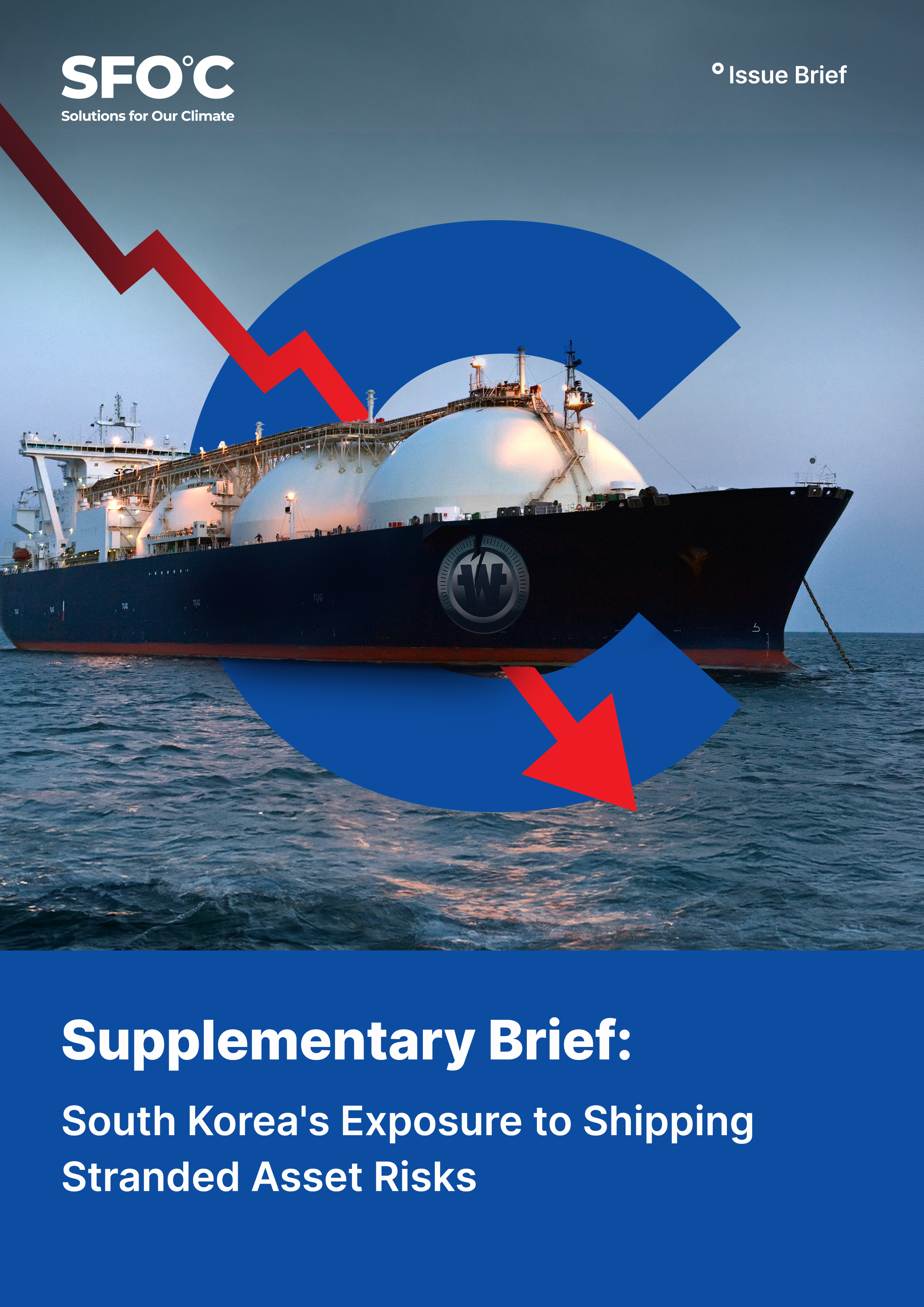
Supplementary Brief: South Korea's Exposure to Shipping Stranded Asset Risks
2025-10-26
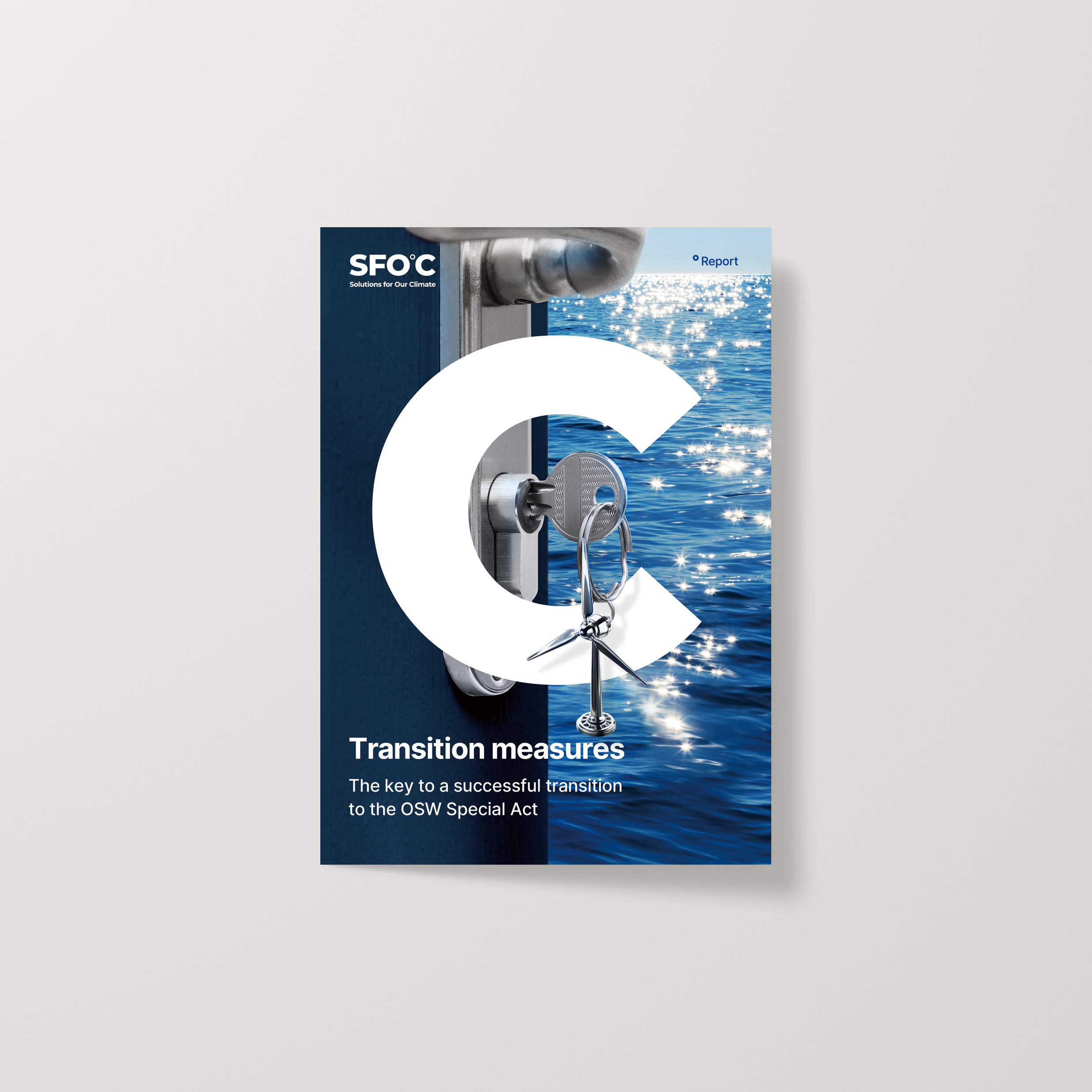
Transition measures: the key to a successful transition to the OSW Special Act
2025-08-26
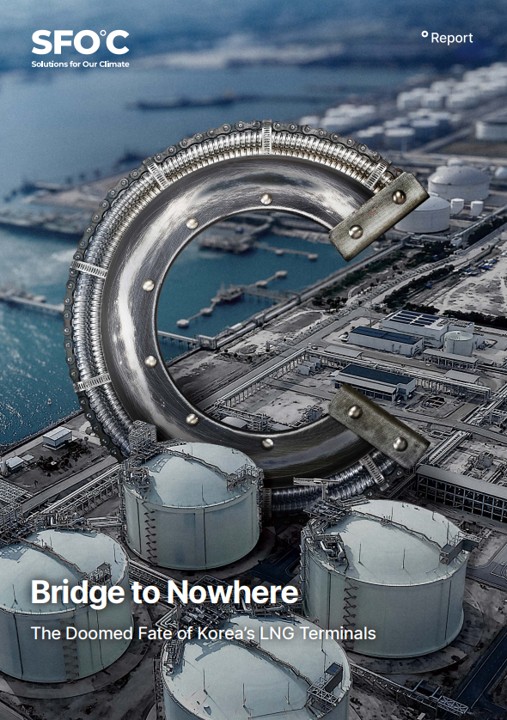
Bridge to Nowhere: The Doomed Fate of Korea's LNG Terminals
2025-08-19
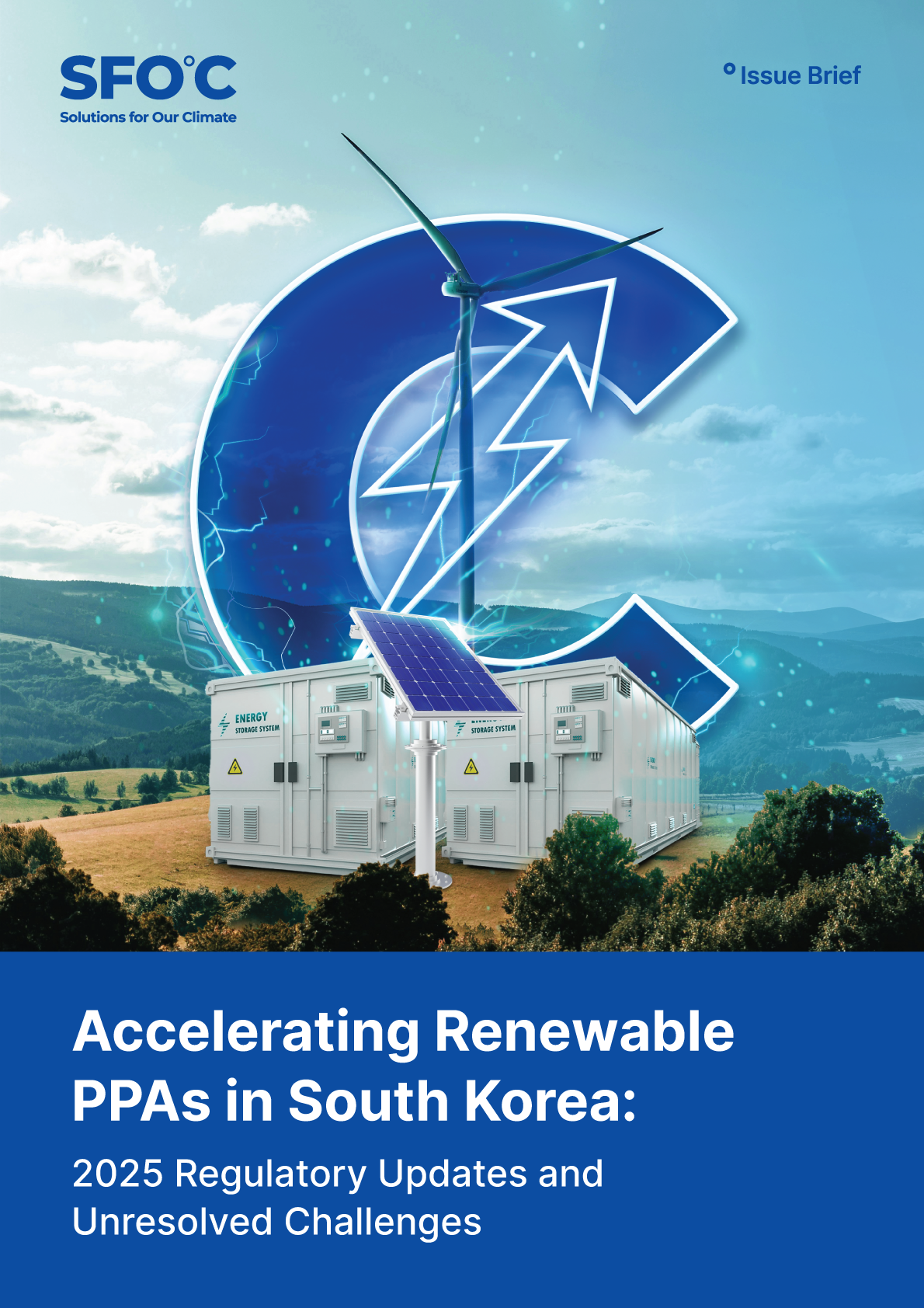
Accelerating Renewable PPAs in South Korea: 2025 Regulatory Updates and Unresolved Challenges
2025-08-06
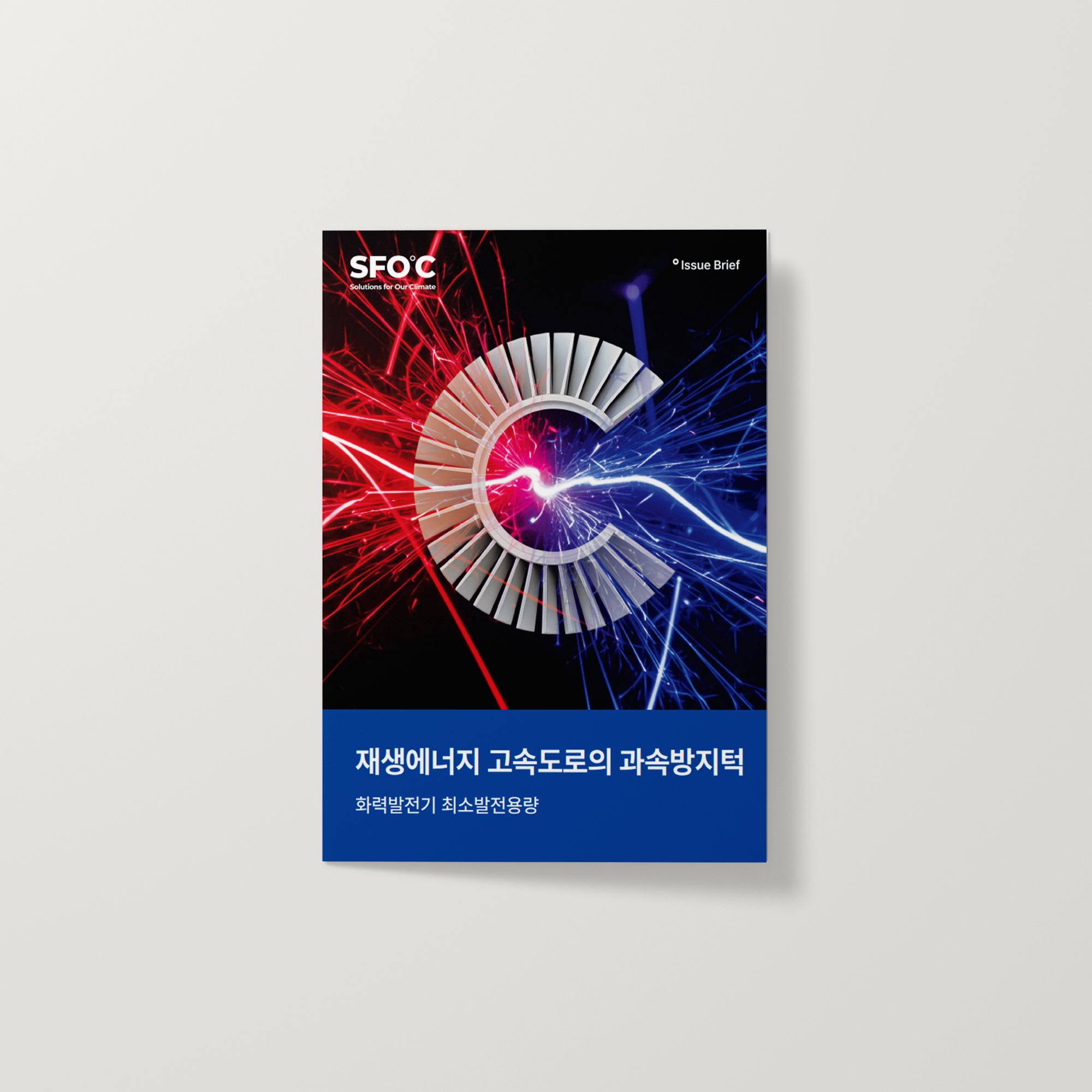
Speed Bumps on the Renewable Energy Highway: Minimum Generation Levels of Thermal Power Plants
2025-08-05
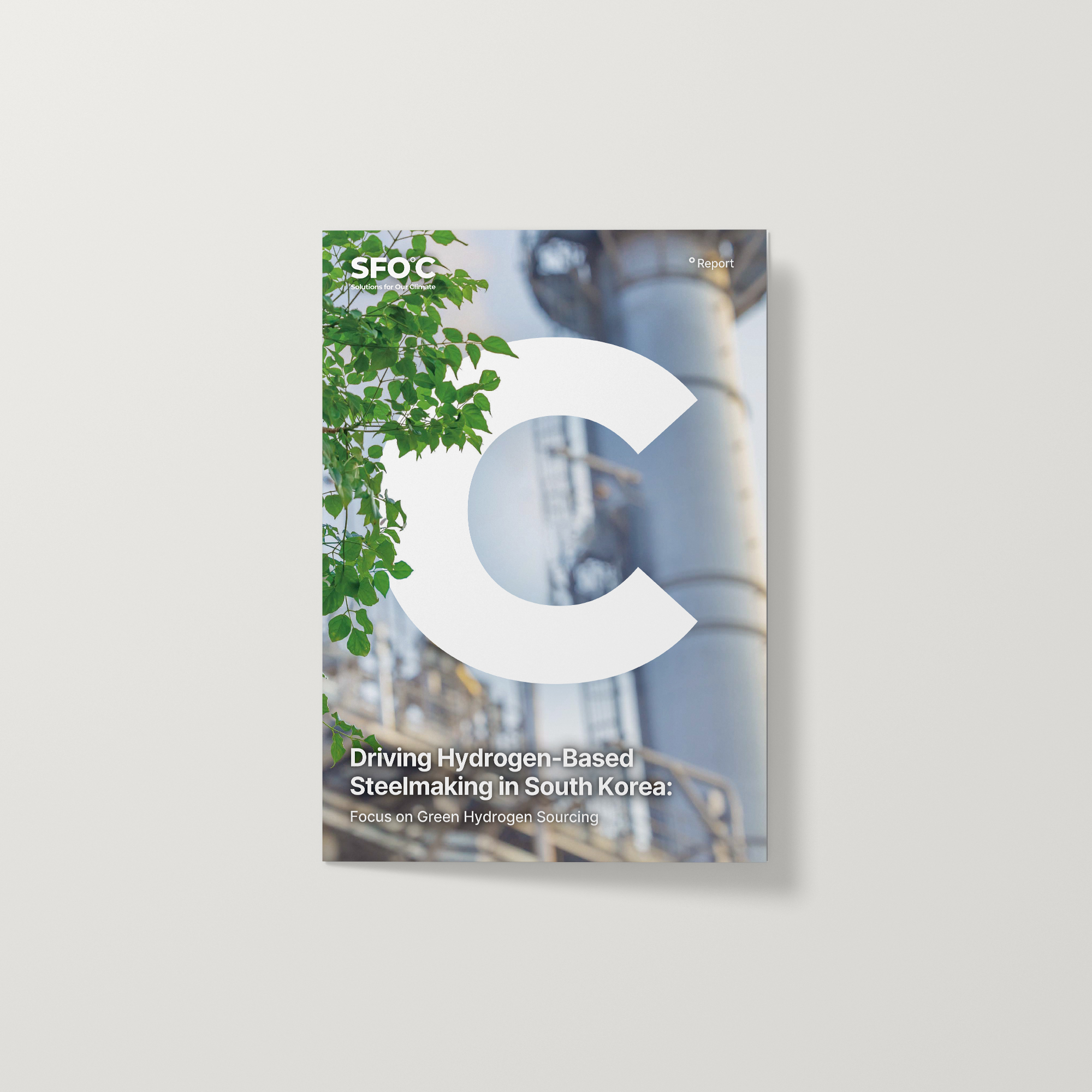
Driving Hydrogen-Based Steelmaking in South Korea: Focus on Hydrogen Sourcing
2025-06-25

Can the Korean Semiconductor Industry Meet its Renewable Energy Targets? Policy Recommendations
2025-06-24

No Room for More: Why LNG Carriers Are a Climate and Financial Risk
2025-05-13

Analyzing Korea’s 2035 NDC GHG Emissions Reduction Pathway through an Integrated Assessment Model
2025-04-23

Green Premium - Out of Synch with Global GHG Protocol Standards
2025-02-16

Stronger Together: Unlocking Community Power for Lasting Change
2025-02-04

Missing points of “South Korea’s East Sea Blue Whale Project”
2025-01-08

Socio-economic Impacts of Energy Transition in Chungcheongnam-do
2024-12-18

Still Adrift: Updated assessment of the global energy transition's impact on the LNG shipbuilding industry
2024-10-14

South Korea's PPA System: Status and Opportunities for Renewable Energy Development
2024-10-10

Billions Off Course: Japan's Oil and Gas Financing Fueling the Climate Crisis
2024-09-05

Floating Doubt: The Risks of FSRUs in Expanding Methane Gas
2024-09-03

Issues with Fossil Fuel-Based Yongin National System Semiconductor Industrial Complex
2024-07-31

Improving the Governance of the Power System to Scale Up Renewables
2024-06-13

LNG運搬船: 世界のガス取引を拡大させる海上パイプライン ――影の推進者を明らかにする
2024-06-12

Three Unseen Flaws of the Boryeong Blue Hydrogen Project in South Korea
2024-05-26

Threat of Toxic Substances: Increased Particulate Matter and Health Hazards from Ammonia Co-firing
2024-05-22
![[Brief] South Korea’s international public finance continues to block a just energy transition](https://content.sfoc.tapahalab.com/images/research/RC5Kime.jpg)
[Brief] South Korea’s international public finance continues to block a just energy transition
2024-04-02

Total Turmoil: Unveiling South Korea's Stake in Mozambique's Climate and Humanitarian Crisis
2024-01-29

LNG Carriers: The Floating Pipeline Powering Global Gas Expansion - Unveiling its Hidden Enablers
2023-11-27

Current Issues in KPX’s Governance and Policy Proposal for Sustainable Change
2023-11-22
![[Report] Financing a Paris-Aligned Coal Exit in South Korea](https://content.sfoc.tapahalab.com/images/research/ld8wdme.jpg)
[Report] Financing a Paris-Aligned Coal Exit in South Korea
2023-06-01

High and dry:The global energy transition's looming impact on the LNG and oil shipbuilding industry
2023-05-24

Betting on a Sinking Ship: Banks Behind the Barossa Gas Field’s FPSO
2023-04-18

Clean power in South Korea: A roadmap to zero fossil gas in South Korea’s power sector
2023-03-27

에너지 안보와 탄소중립을 위한 공정한 전력시장 발표자료집
2022-11-25
![[Consultation Brief] No Room for New Gas in South Korea](https://content.sfoc.tapahalab.com/images/research/uDmDeme.jpg)
[Consultation Brief] No Room for New Gas in South Korea
2022-11-22

Jeju's 2030 Carbon-Free Vision Begins With Renewable Curtailment Freedom
2022-09-22

Unbalanced Power Market: Analysis of how market structures discriminate against demand response in favor of gas power generation
2022-09-20

Unveiling Fossil Greenwashing: Hidden Emissions of Korea's Hydrogen Scheme
2022-09-13
![[이슈브리프] 한전 적자 부추기는 전력시장 보상제도와 거버넌스](https://content.sfoc.tapahalab.com/images/research/FzvSdme.jpg)
[이슈브리프] 한전 적자 부추기는 전력시장 보상제도와 거버넌스
2022-08-24

Accelerating Corporate Renewable Electricity Procurement in Korea
2022-08-01
![[ISSUE BRIEF] Fossil Fuels, the Main Culprit behind KEPCO’s Deficit](https://content.sfoc.tapahalab.com/images/research/q5TSdme.jpg)
[ISSUE BRIEF] Fossil Fuels, the Main Culprit behind KEPCO’s Deficit
2022-06-03

Transforming the Korean Power Market to Reduce Renewable Curtailment
2022-05-03

RE100 Scheme Left Stranded, with Focus on High Network cost and Unreasonable Guidance on Trilateral PPAs
2021-12-23
![[이슈 브리프] 좌초되는 한국형 RE100 제도: 망이용료와 제3자 PPA를 중심으로](https://content.sfoc.tapahalab.com/images/research/etandme.jpg)
[이슈 브리프] 좌초되는 한국형 RE100 제도: 망이용료와 제3자 PPA를 중심으로
2021-12-14
![[토론회] 한국형 녹색분류체계(K-Taxonomy), 무엇이 녹색경제활동인가](https://content.sfoc.tapahalab.com/images/research/bn8jdme.jpg)
[토론회] 한국형 녹색분류체계(K-Taxonomy), 무엇이 녹색경제활동인가
2021-11-23

Bridge to Death: Air Quality And Health Impacts of Fossil Gas Power
2021-11-19
![[이슈 브리프] 탄소포집, 이용 및 저장기술(CCUS) 현황과 문제점](https://content.sfoc.tapahalab.com/images/research/SWESdme.jpg)
[이슈 브리프] 탄소포집, 이용 및 저장기술(CCUS) 현황과 문제점
2021-11-03

KR-DE Road to 2050 : Financing Clean Energy Transition
2021-09-28

Fueling the Climate Crisis_South Korea's Public Financing for Oil and Gas
2021-08-31


