About
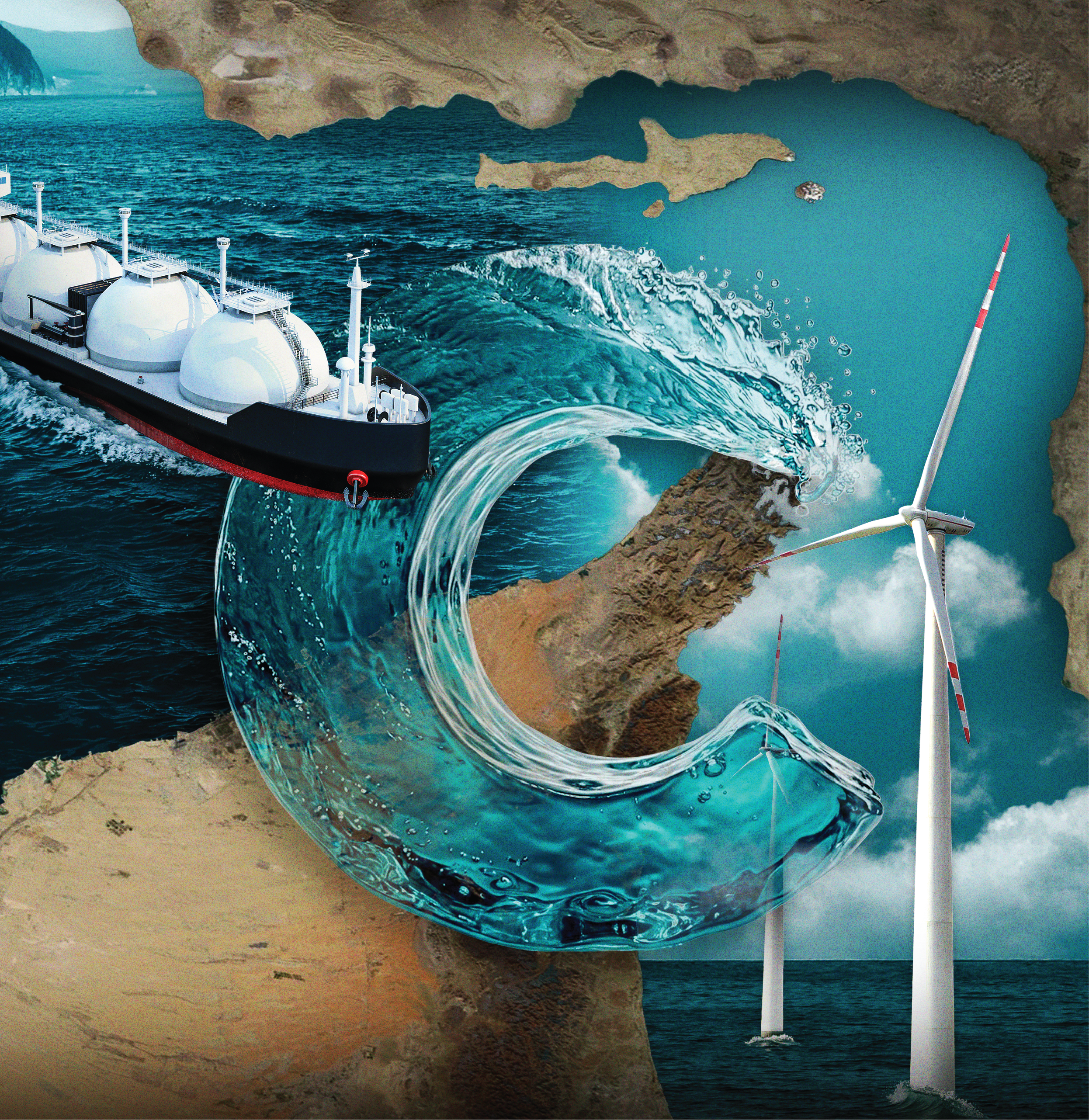
This issue brief examines how the 2026 Strait of Hormuz disruption has exposed the structural energy vulnerabilities of South Korea and Japan — two of the world's most fossil fuel import-dependent economies. Drawing on shipping, insurance, and energy market data, it traces how the collapse of war risk coverage, not physical obstruction, drove the near-total shutdown of strait transits, and how the resulting freight and price shocks are cascading through both economies. The brief argues that repeated energy crises reflect a structural pattern reinforced by public finance: both Korea and Japan have directed vastly more public funding to fossil fuel infrastructure than to renewables, deepening the very exposure that each crisis makes visible. It concludes with analysis of the transition opportunity — in renewable energy deployment, shipbuilding diversification, and public finance reform — and policy recommendations directed at KEXIM, K-SURE, JBIC, and NEXI.
Executive summary
Both Korea and Japan must fundamentally reorient their public finance institutions away from fossil fuel infrastructure and toward renewable energy and clean maritime industries.
1. Mandatory Energy Portfolio Risk Assessment and Disclosure.
Public export finance institutions (KEXIM, K-SURE for Korea; JBIC, NEXI for Japan) should conduct systematic risk assessments of energy-related finance portfolios — including geopolitical supply route risks, insurance volatility, and stranded asset exposure — with mandatory reporting to national legislatures.
2. Review of Public Finance for New LNG Infrastructure.
Reassess the economic rationale and stranded asset risks of continued public financing for LNG carriers, terminals, and upstream investments. Apply stress tests reflecting scenarios such as the current Hormuz crisis.
3. Expand Public Finance for Renewables and Clean Maritime Vessels.
Redirect public finance portfolios toward offshore wind installation vessels, alternative fuel carriers, and renewable energy infrastructure. Both countries' shipbuilding and maritime industries have the capacity to lead this transition — with the right finance signals.
4. Energy Independence Roadmap.
Move beyond import diversification to structural energy mix transformation — prioritizing domestic renewable energy deployment to reduce fundamental dependence on imported fossil fuels.
Key findings
The 2026 Hormuz blockade began with physical obstruction but it was the collapse of war risk insurance that caused the near-total shutdown: 7 of 12 P&I clubs (war risk insurance providers) cancelled coverage within 72 hours, collapsing strait transits by 81%.
Korea and Japan are among the world's most fossil fuel import-dependent economies: 70% and 90%+ of crude oil imports respectively originate in the Middle East.
In 2022, Korea's LNG spending nearly doubled (+96.5%) while demand barely changed (+0.9%). Japan's spending surged 65% even as demand fell.
Korea and Japan have directed $166 billion more in public finance to fossil fuels than to renewables over the past eleven years — capital that, redirected to solar, could have generated $500 billion in avoided fuel costs over 25 years: three times the original investment.
Korea builds 74% of the world's LNG carriers. UCL identifies Korea as the country most exposed to stranded asset risk in shipping finance. The transition to offshore wind vessels represents a $21-26 billion immediate market opportunity.
Related research
Choosing a Green Steel Pathway : Implications for South Korea, Japan, and Australia
2026-09-14
![[SFOC] Hidden Methane Emissions, Tangible Economic Costs: Lost Fuel Value and Heatwave-Related Climate Damages from Korea’s Imported Fossil Fuel Supply Chains](https://content.forourclimate.org/images/research/yUNyzaf.jpg)
[SFOC] Hidden Methane Emissions, Tangible Economic Costs: Lost Fuel Value and Heatwave-Related Climate Damages from Korea’s Imported Fossil Fuel Supply Chains
2026-08-03
Hidden Methane Emissions, Tangible Economic Costs: Lost Fuel Value and Heatwave-Related Climate Damages from Japan’s Imported Fossil Fuel Supply Chains
2026-08-03
KEPCO’s Financial Risks: When State-Owned Utilities Become an Economic Drag
2026-07-23
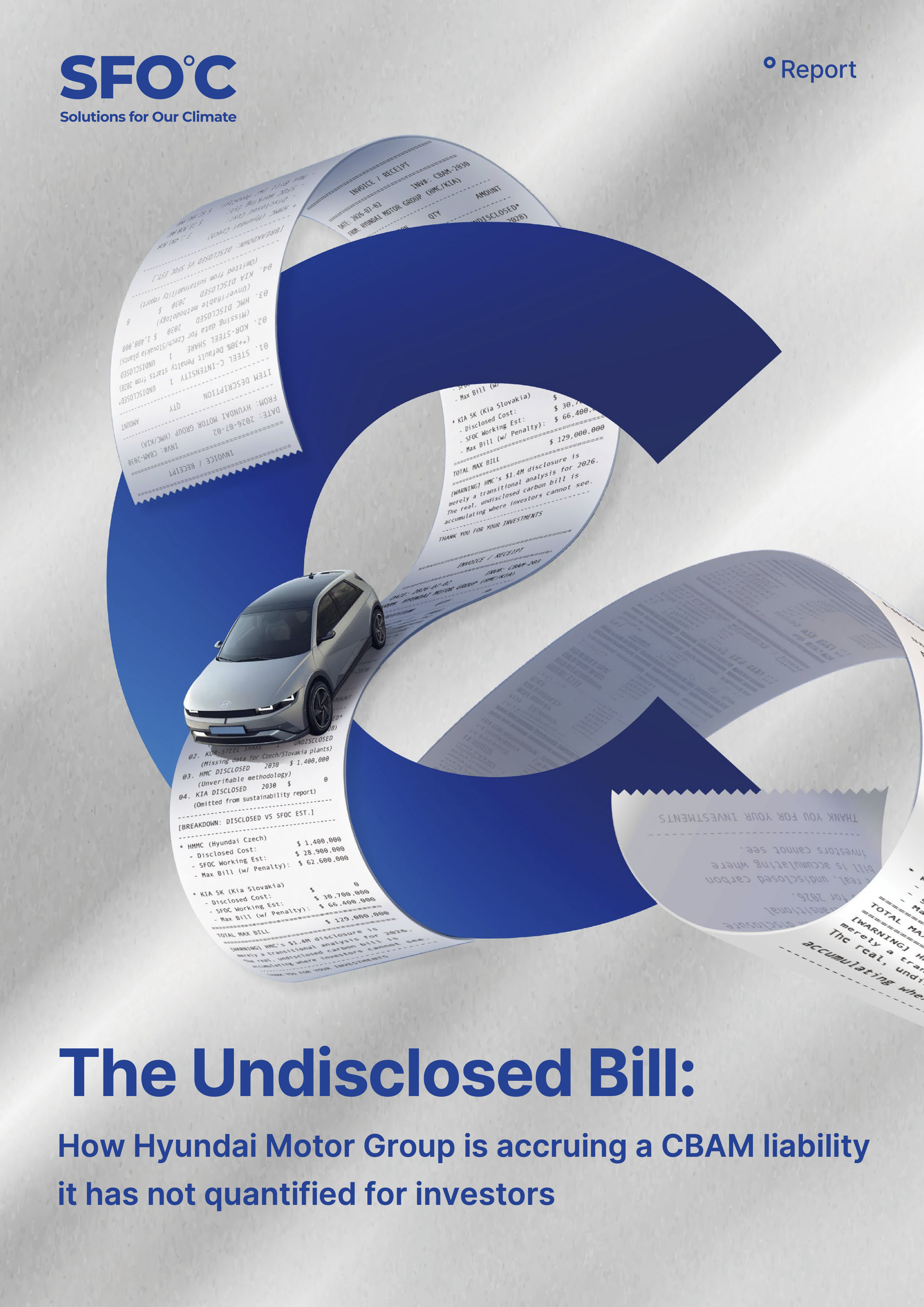
The Undisclosed Bill: How Hyundai Motor Group is accruing a CBAM liability it has not quantified for investors
2026-07-15
Status of the National Pension Service’s Stewardship Activities and Recommendations for a Climate Stewardship Code
2026-07-06
Steel in the Portfolio: An Engagement Framework for Institutional Investors
2026-06-16
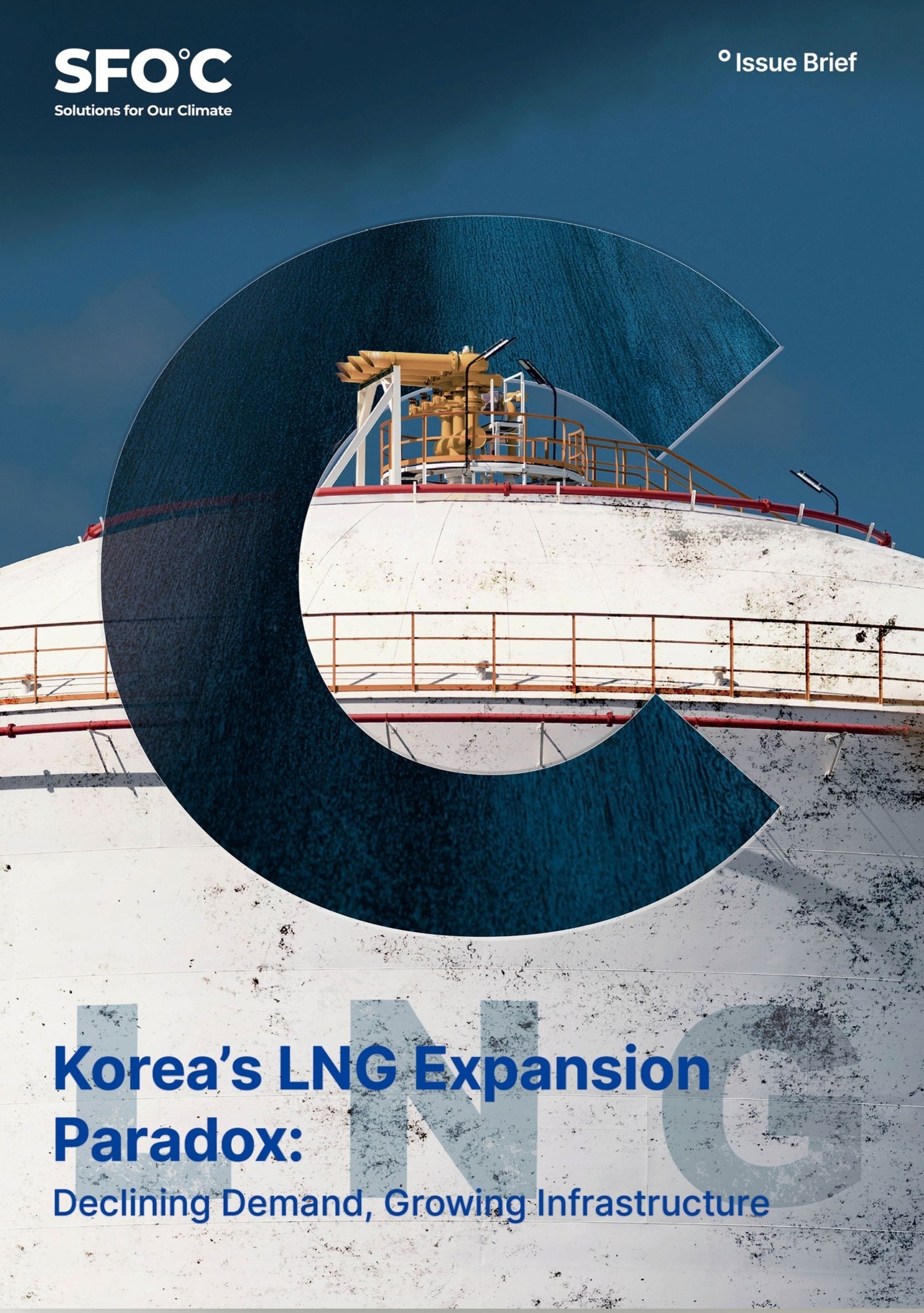
Korea's LNG Expansion Paradox: Declining Demand, Growing Infrastructure
2026-06-10
Solving the Renewable Energy Disconnect: Enabling Korea’s 100GW RE Target Through Priority Grid Connection Policy
2026-06-01
Unlocking Agrivoltaics: Extending the Temporary Non-Agricultural Use Permission Period for Farmland
2026-05-14
Stewardship Without Climate : Reforming Korea’s Stewardship Code
2026-05-13
Financing Strategies for Coal Phase-Out: Germany's Sovereign Green Bond Model and Implications for South Korea
2026-04-21
An Assessment of Environmental and Social Impacts of LNG Carriers
2026-04-06
Shipping Decarbonization Continues: South Korea's Choices amid IMO Delay
2026-03-04
Empty Seats at the Climate Table : Board Oversight Gaps in Hyundai Motor Company's Climate Governance
2026-03-03
Reforming South Korea's Power Sector: Setting the Stage For the Renewable Energy Transition
2026-02-04
Government Financing for H₂-DRI Commercialization: Comparative Risk-Sharing Cases and Implications for Korea
2026-01-26
The Changing Legal Landscape for LNG Shipping Expansion
2026-01-08
Why LNG Reduction Matters: Redefining Energy Security and Unlocking Economic Gains
2025-12-08
No Budget, No Cuts: Budget and Methane Reduction Impact Analysis for Achieving 78% Low-Methane Feed Supply Target
2025-12-03
Establishing Offshore Wind Dedicated Taskforce Within Defense Departments : Global Case Studies
2025-12-02
Settled in Secret: The Opaque Grid Fee System Undermining Renewable Energy PPA Expansion in South Korea
2025-12-01
From Words to Data: Bridging Hyundai’s Climate Commitments and Disclosure
2025-11-28
South Korea’s Export Credit Finance in Transition: National Economic Impacts of the Global Shift from Fossil Fuels to Clean Energy
2025-11-16
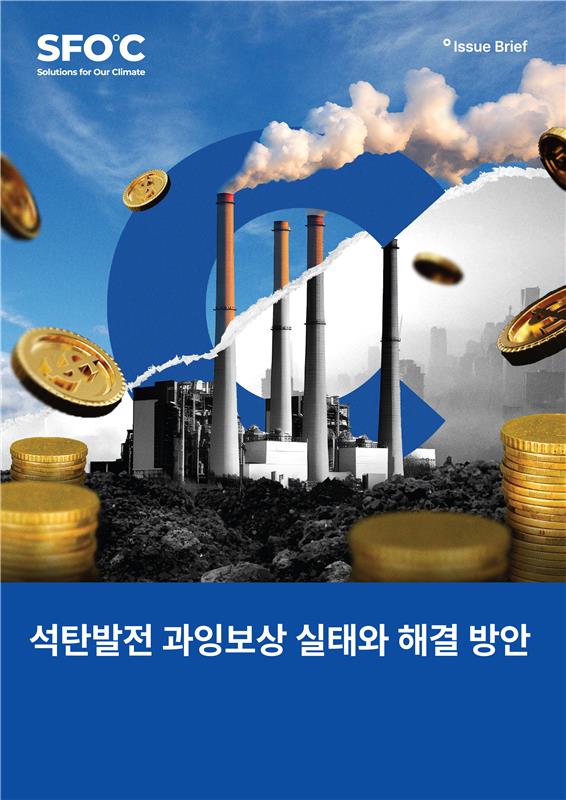
Exposed: Overcompensation of KEPCO's Coal Fired Power Plants
2025-11-10
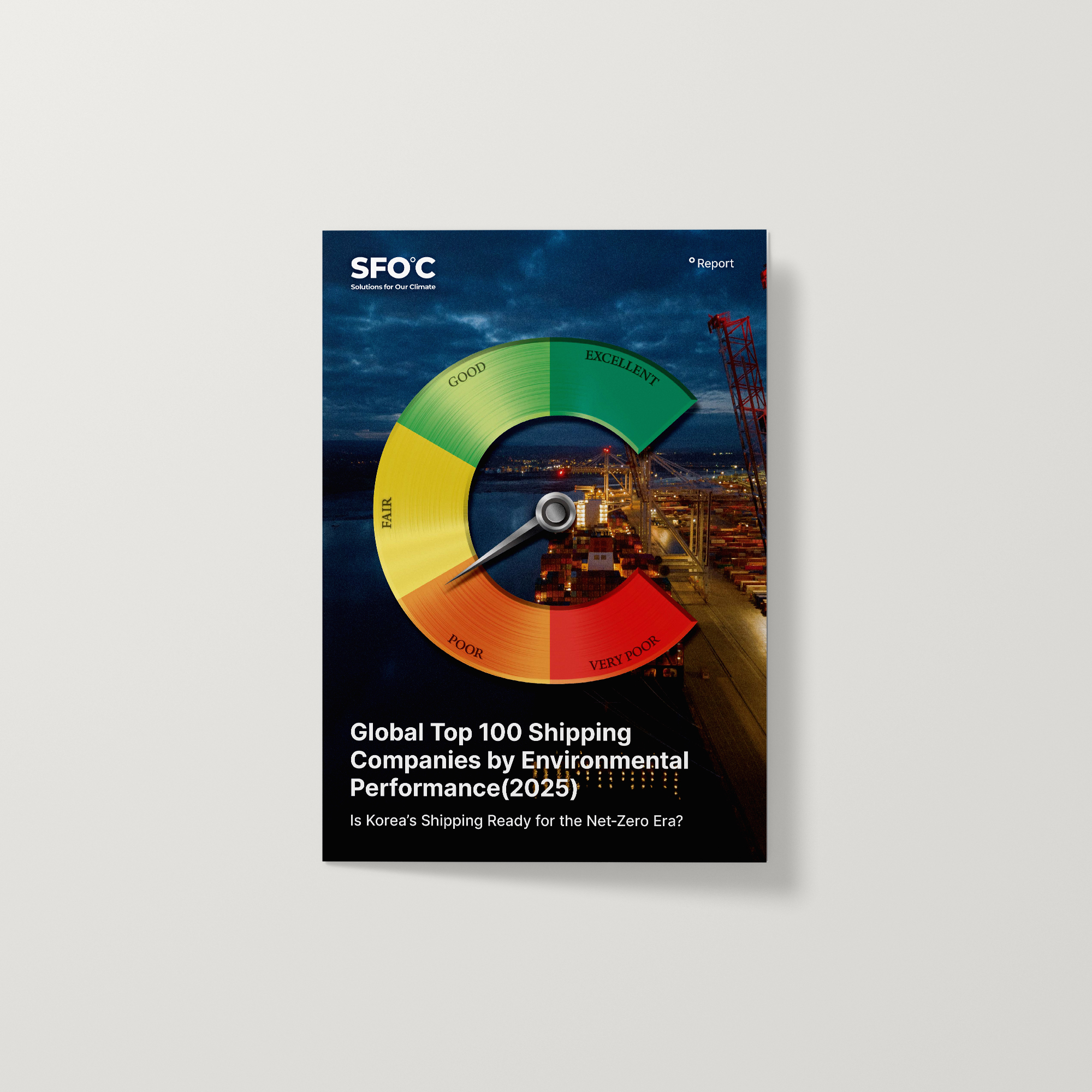
Global Top 100 Shipping Companies by Environmental Performance(2025) - Is Korea’s Shipping Ready for the Net-Zero Era?
2025-11-04
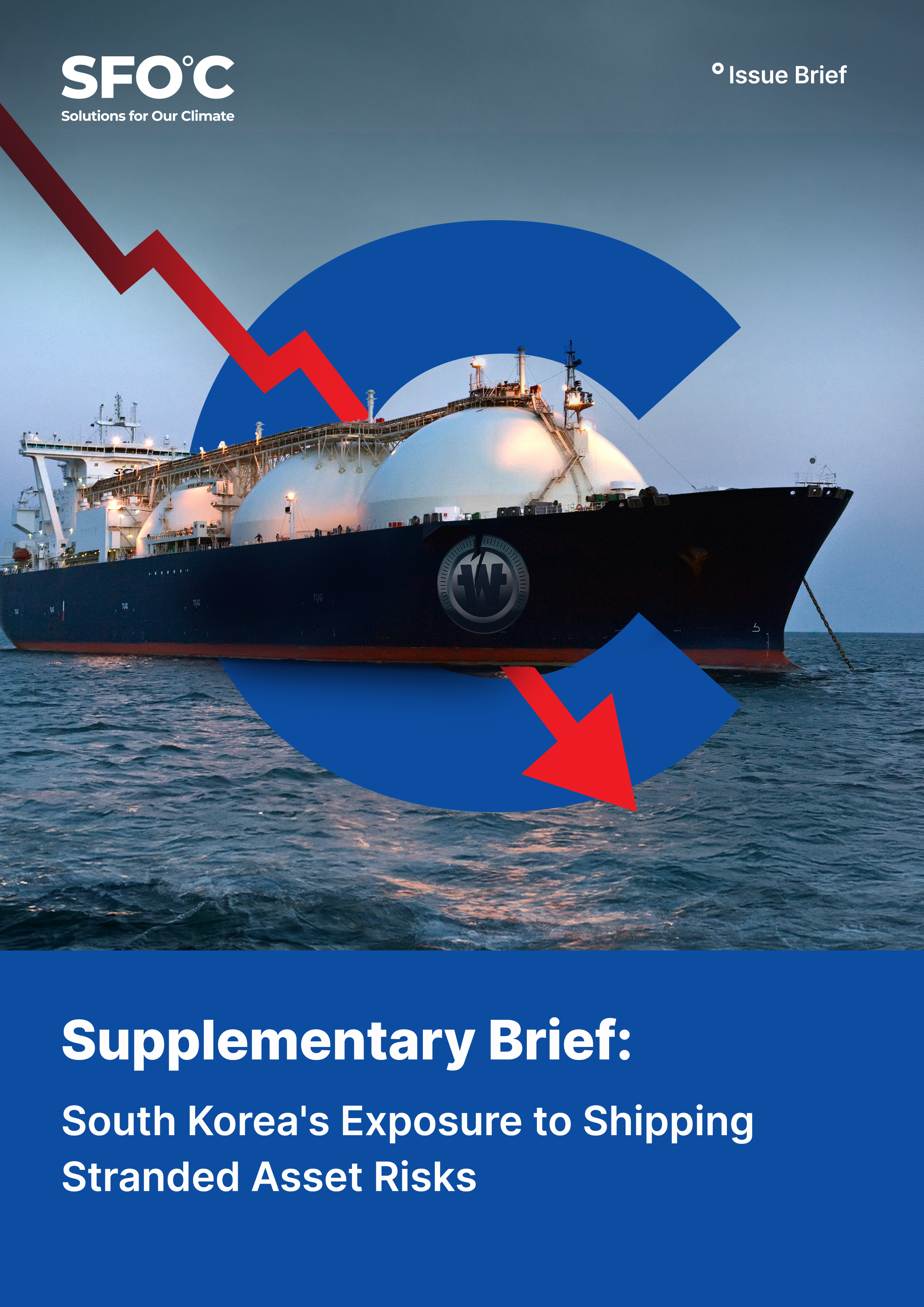
Supplementary Brief: South Korea's Exposure to Shipping Stranded Asset Risks
2025-10-26
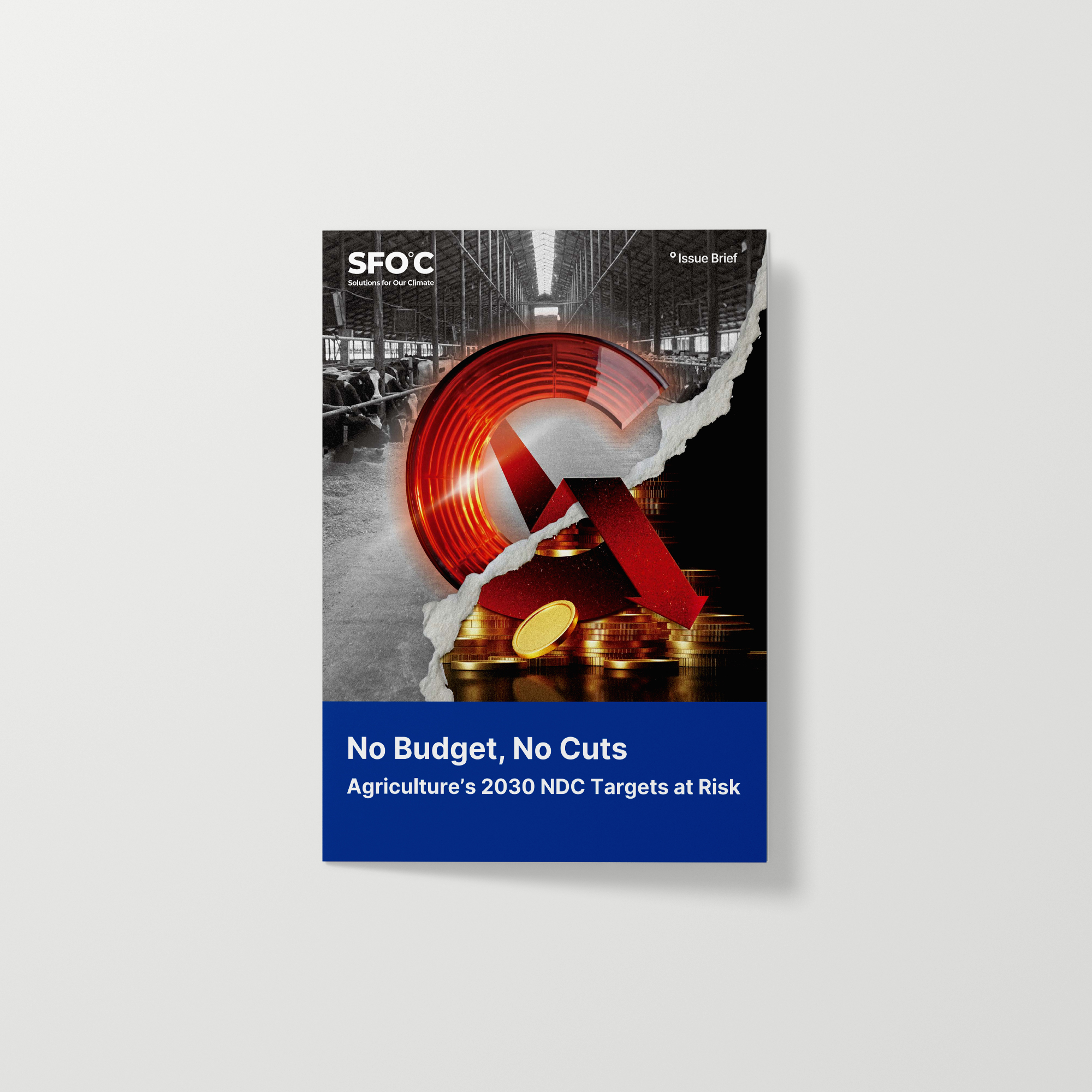
No Budget, No Cuts: Agriculture’s 2030 NDC Targets at Risk
2025-09-16
VPPs: The Key to Korea's Transition to a Renewable Energy-Based Power System
2025-08-28
Transition measures: the key to a successful transition to the OSW Special Act
2025-08-26
Bridge to Nowhere: The Doomed Fate of Korea's LNG Terminals
2025-08-19
The Climate Crisis—Culprits and Liability: Contribution of South Korea’s Top Ten Emitting Corporates to Climate Loss & Damage
2025-08-10
Accelerating Renewable PPAs in South Korea: 2025 Regulatory Updates and Unresolved Challenges
2025-08-06
Speed Bumps on the Renewable Energy Highway: Minimum Generation Levels of Thermal Power Plants
2025-08-05
IMO Net-Zero Framework: Fuel Cost and Carbon Price Impacts
2025-07-23

Driving Hydrogen-Based Steelmaking in South Korea: Focus on Hydrogen Sourcing
2025-06-25

Can the Korean Semiconductor Industry Meet its Renewable Energy Targets? Policy Recommendations
2025-06-24

No Room for More: Why LNG Carriers Are a Climate and Financial Risk
2025-05-13

Analyzing Korea’s 2035 NDC GHG Emissions Reduction Pathway through an Integrated Assessment Model
2025-04-23

Charting a Net-Zero Pathway: A Korea-Europe Green Shipping Corridor Linking Pyeongtaek and Key European Ports
2025-04-22

Moving Away from Coal: 2025 POSCO Holdings Climate Risk
2025-03-17

A Sleeping Giant? The National Pension Service’s Missed Potential on Climate Action
2025-03-11

Against the Current I: Public Waters Occupancy or Use Permit Processing Delays and Policy Recommendations
2025-02-18

Green Premium - Out of Synch with Global GHG Protocol Standards
2025-02-16

Stronger Together: Unlocking Community Power for Lasting Change
2025-02-04

Missing points of “South Korea’s East Sea Blue Whale Project”
2025-01-08

Socio-economic Impacts of Energy Transition in Chungcheongnam-do
2024-12-18

Bridging the Nature Finance Gap: Aligning South Korean Banks with the Global Biodiversity Framework
2024-10-27

Still Adrift: Updated assessment of the global energy transition's impact on the LNG shipbuilding industry
2024-10-14

South Korea's PPA System: Status and Opportunities for Renewable Energy Development
2024-10-10

A Study on South Korea's 2050 Net Zero Pathway for Shipping
2024-09-25

Billions Off Course: Japan's Oil and Gas Financing Fueling the Climate Crisis
2024-09-05

Floating Doubt: The Risks of FSRUs in Expanding Methane Gas
2024-09-03

Environmental Risks of Bridge Shipping Fuels and Fuel Transition Plans of South Korea, China and Japan
2024-08-12

Issues with Fossil Fuel-Based Yongin National System Semiconductor Industrial Complex
2024-07-31

Limitations of LNG in the Shipping Decarbonization
2024-07-31

Height Constraints in Offshore Wind: Current State and Challenges of the 500-Foot Limit in South Korea
2024-06-27

Improving the Governance of the Power System to Scale Up Renewables
2024-06-13

LNG運搬船: 世界のガス取引を拡大させる海上パイプライン ――影の推進者を明らかにする
2024-06-12

Reconsidering Korea's LNG Bunkering 100% Rebate Policy
2024-06-04

Three Unseen Flaws of the Boryeong Blue Hydrogen Project in South Korea
2024-05-26

Threat of Toxic Substances: Increased Particulate Matter and Health Hazards from Ammonia Co-firing
2024-05-22

Renewable Energy Target Group Segmentation Survey Report in Korea
2024-05-14
![[Brief] South Korea’s international public finance continues to block a just energy transition](https://content.sfoc.tapahalab.com/images/research/RC5Kime.jpg)
[Brief] South Korea’s international public finance continues to block a just energy transition
2024-04-02
![[Report] Achieving Net Zero in International Shipping through Korea-US-Japan Green Shipping Corridor](https://content.sfoc.tapahalab.com/images/research/s11Jime.jpg)
[Report] Achieving Net Zero in International Shipping through Korea-US-Japan Green Shipping Corridor
2024-02-13

Total Turmoil: Unveiling South Korea's Stake in Mozambique's Climate and Humanitarian Crisis
2024-01-29

12 Key Issues That Will Define Offshore Wind's Success in Korea
2023-12-04

LNG Carriers: The Floating Pipeline Powering Global Gas Expansion - Unveiling its Hidden Enablers
2023-11-27

Current Issues in KPX’s Governance and Policy Proposal for Sustainable Change
2023-11-22

Industry Trends Brief No.3 - Port Decarbonization: Focusing on South Korean Five Major Ports
2023-09-15

Offshore Wind Colloquium Brief No.1 - UK case of Fisheries Engagement
2023-07-13
![[Report] The Inconsistent 'Coal-Free Pledge' of Korea's National Pension Service](https://content.sfoc.tapahalab.com/images/research/VcDPdme.jpg)
[Report] The Inconsistent 'Coal-Free Pledge' of Korea's National Pension Service
2023-06-20
![[Report] Financing a Paris-Aligned Coal Exit in South Korea](https://content.sfoc.tapahalab.com/images/research/ld8wdme.jpg)
[Report] Financing a Paris-Aligned Coal Exit in South Korea
2023-06-01

High and dry:The global energy transition's looming impact on the LNG and oil shipbuilding industry
2023-05-24

Betting on a Sinking Ship: Banks Behind the Barossa Gas Field’s FPSO
2023-04-18

해상풍력 전력계통 연계 개선을 위한 세미나
2023-04-17

Clean power in South Korea: A roadmap to zero fossil gas in South Korea’s power sector
2023-03-27

Up in the Air: Limitations of Korea's Offshore Permitting Process and Policy Recommendations
2023-02-13

Korea's Green Shipping Pathways: The Korean Shipping Landscape and Policy Recommendations for Ocean-Climate Leadership in Shipping
2022-12-09

에너지 안보와 탄소중립을 위한 공정한 전력시장 발표자료집
2022-11-25
![[Consultation Brief] No Room for New Gas in South Korea](https://content.sfoc.tapahalab.com/images/research/uDmDeme.jpg)
[Consultation Brief] No Room for New Gas in South Korea
2022-11-22

재생에너지 출력제한 세미나
2022-09-27

Jeju's 2030 Carbon-Free Vision Begins With Renewable Curtailment Freedom
2022-09-22

Unbalanced Power Market: Analysis of how market structures discriminate against demand response in favor of gas power generation
2022-09-20

Unveiling Fossil Greenwashing: Hidden Emissions of Korea's Hydrogen Scheme
2022-09-13
![[이슈브리프] 한전 적자 부추기는 전력시장 보상제도와 거버넌스](https://content.sfoc.tapahalab.com/images/research/FzvSdme.jpg)
[이슈브리프] 한전 적자 부추기는 전력시장 보상제도와 거버넌스
2022-08-24

Accelerating Corporate Renewable Electricity Procurement in Korea
2022-08-01

National Development Banks and the Climate Crisis
2022-06-13
![[ISSUE BRIEF] Fossil Fuels, the Main Culprit behind KEPCO’s Deficit](https://content.sfoc.tapahalab.com/images/research/q5TSdme.jpg)
[ISSUE BRIEF] Fossil Fuels, the Main Culprit behind KEPCO’s Deficit
2022-06-03

Transforming the Korean Power Market to Reduce Renewable Curtailment
2022-05-03

Climate Risk Management in Financial Sector and the Role of Pension Funds
2022-02-10

2022 재생에너지 확대를 위한 정책 제안서
2022-01-26

RE100 Scheme Left Stranded, with Focus on High Network cost and Unreasonable Guidance on Trilateral PPAs
2021-12-23
![[이슈 브리프] 좌초되는 한국형 RE100 제도: 망이용료와 제3자 PPA를 중심으로](https://content.sfoc.tapahalab.com/images/research/etandme.jpg)
[이슈 브리프] 좌초되는 한국형 RE100 제도: 망이용료와 제3자 PPA를 중심으로
2021-12-14

Overseas Cases of Improvements to the Legal System for the Expansion of Renewable Energy
2021-11-30
![[토론회] 한국형 녹색분류체계(K-Taxonomy), 무엇이 녹색경제활동인가](https://content.sfoc.tapahalab.com/images/research/bn8jdme.jpg)
[토론회] 한국형 녹색분류체계(K-Taxonomy), 무엇이 녹색경제활동인가
2021-11-23

Bridge to Death: Air Quality And Health Impacts of Fossil Gas Power
2021-11-19
![[이슈 브리프] 탄소포집, 이용 및 저장기술(CCUS) 현황과 문제점](https://content.sfoc.tapahalab.com/images/research/SWESdme.jpg)
[이슈 브리프] 탄소포집, 이용 및 저장기술(CCUS) 현황과 문제점
2021-11-03

KR-DE Road to 2050 : Financing Clean Energy Transition
2021-09-28

풍력보급 활성화를 위한 RPS 제도개선 간담회
2021-09-13

Breezing Past Wind: How Korea's RPS is Sidelining the Wind Energy Market
2021-09-13

Fueling the Climate Crisis_South Korea's Public Financing for Oil and Gas
2021-08-31

Employment opportunities from a coal-to-renewables transition in South Korea
2021-07-28


