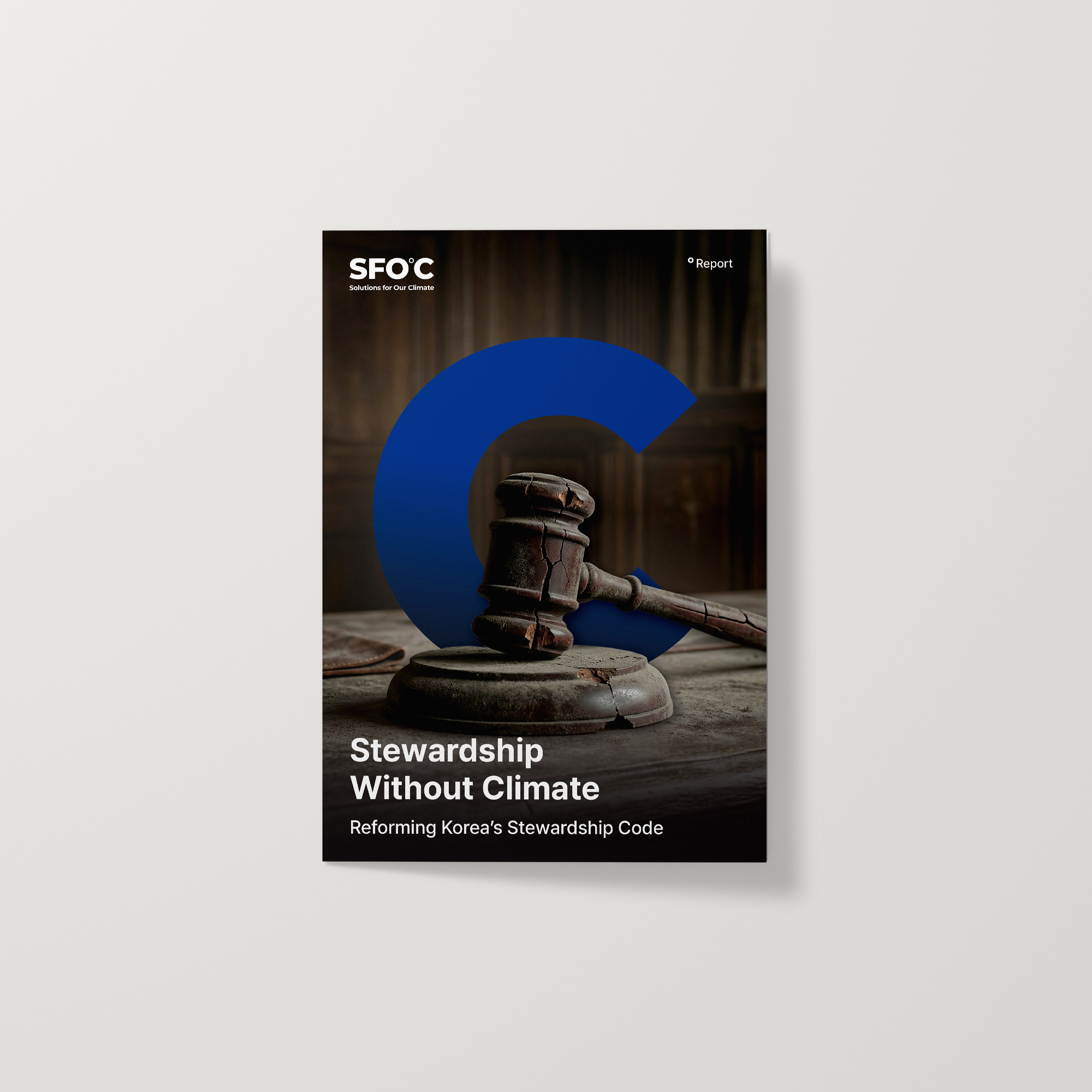
Stewardship Without Climate : Reforming Korea’s Stewardship Code

About
Korea's stewardship code has not been revised once since its adoption a decade ago, and climate and ESG factors are nowhere to be found in the code. Among the 15 major countries that have adopted stewardship codes, Korea and Italy are the only two that maintain a code with no climate provisions. This report examines why this gap matters and how it should be addressed.
The report analyzes global trends in climate stewardship code reform and the empirical outcomes of leading institutional investors, contrasting these with the current state of the National Pension Service (NPS). It then sets out five specific reform principles for incorporating climate factors into Korea's stewardship code.
Executive summary
The evidence is clear: codes change behavior. Japan's GPIF saw climate engagement cases increase 3.4 times in the four years following its code revision, and collective engagement by Australian ACSI signatories drove TCFD adoption among ASX200 companies from 10% to 82% over seven years. The NPS, by contrast, is moving in the opposite direction. The number of companies subject to climate risk management engagement fell from 29 in 2024 to 13 in Q3 2025, and average engagement per company stood at just 1.1 times in 2024. There are no climate-related criteria in its voting guidelines. While the NPS references ESG in its own stewardship principles, the fundamental problem is that the Korean stewardship code on which those principles rest contains no climate provisions, leaving the basis for meaningful implementation critically weak.
This report proposes five principles for revising Korea's stewardship code to incorporate climate factors:
Redefine stewardship — explicitly recognize climate and ESG as core elements of fiduciary responsibility
Establish climate and ESG investment principles — make climate factors mandatory from the policy-setting stage
Provide a basis for climate engagement and monitoring — establish climate risk as an official item for review and engagement
Introduce climate-related voting criteria — create an actionable link between climate stewardship commitments and voting practice
Build a climate stewardship disclosure framework — establish an accountability structure subject to external verification
The code must change for practice to change.
Related research
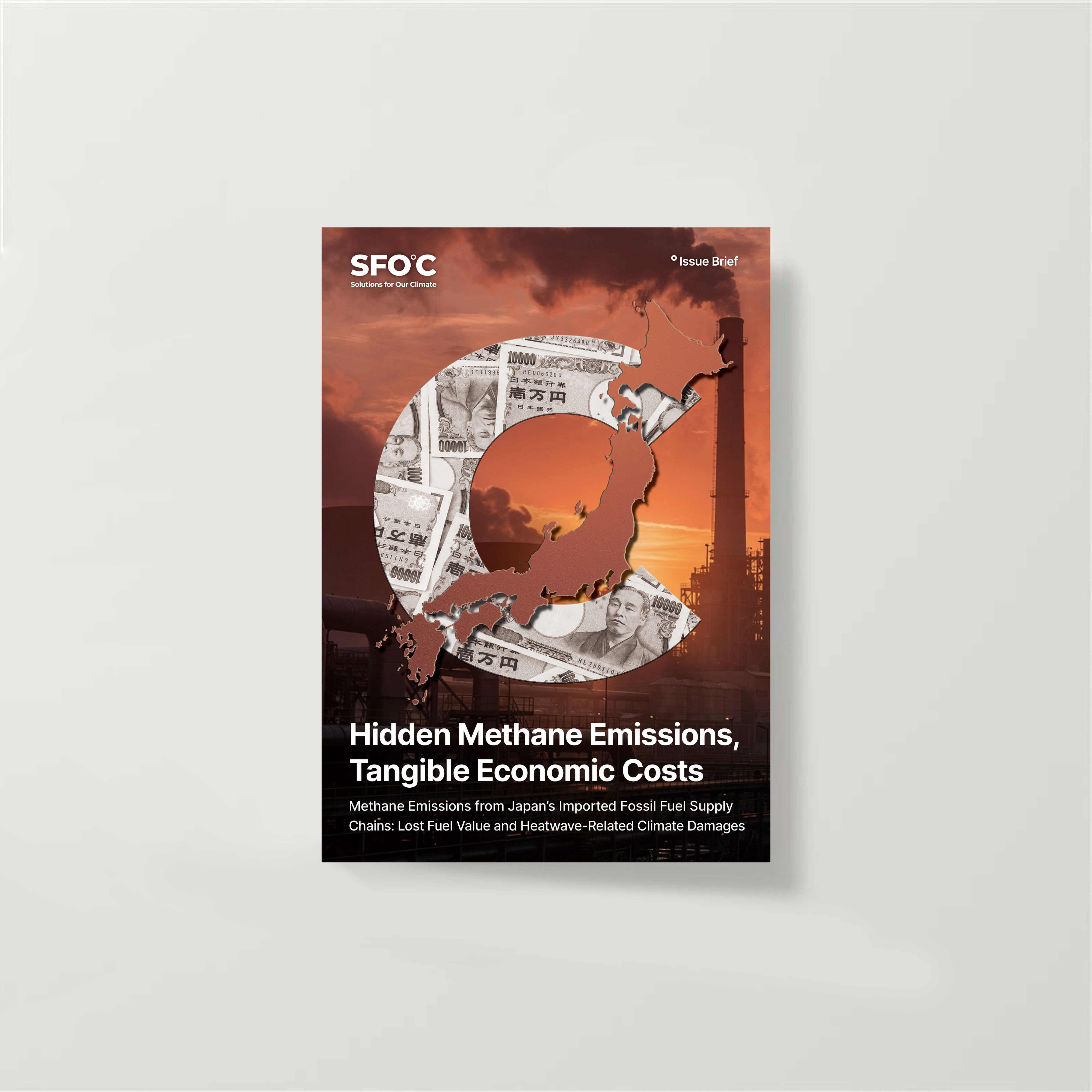
Hidden Methane Emissions, Tangible Economic Costs: Lost Fuel Value and Heatwave-Related Climate Damages from Japan’s Imported Fossil Fuel Supply Chains
2026-08-03
![[SFOC] Hidden Methane Emissions, Tangible Economic Costs: Lost Fuel Value and Heatwave-Related Climate Damages from Korea’s Imported Fossil Fuel Supply Chains](https://content.forourclimate.org/images/research/yUNyzaf.jpg)
[SFOC] Hidden Methane Emissions, Tangible Economic Costs: Lost Fuel Value and Heatwave-Related Climate Damages from Korea’s Imported Fossil Fuel Supply Chains
2026-08-03
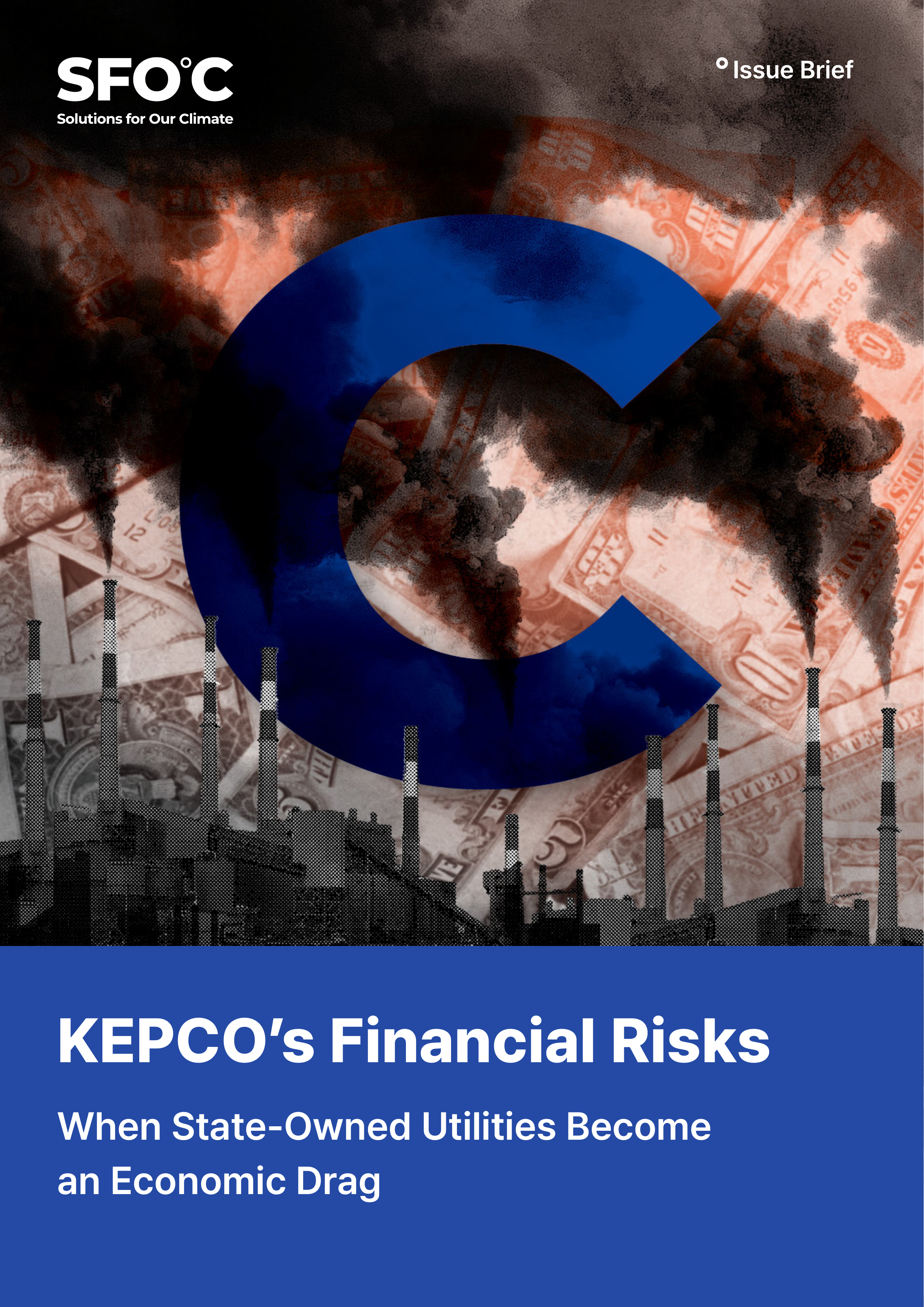
KEPCO’s Financial Risks: When State-Owned Utilities Become an Economic Drag
2026-07-23
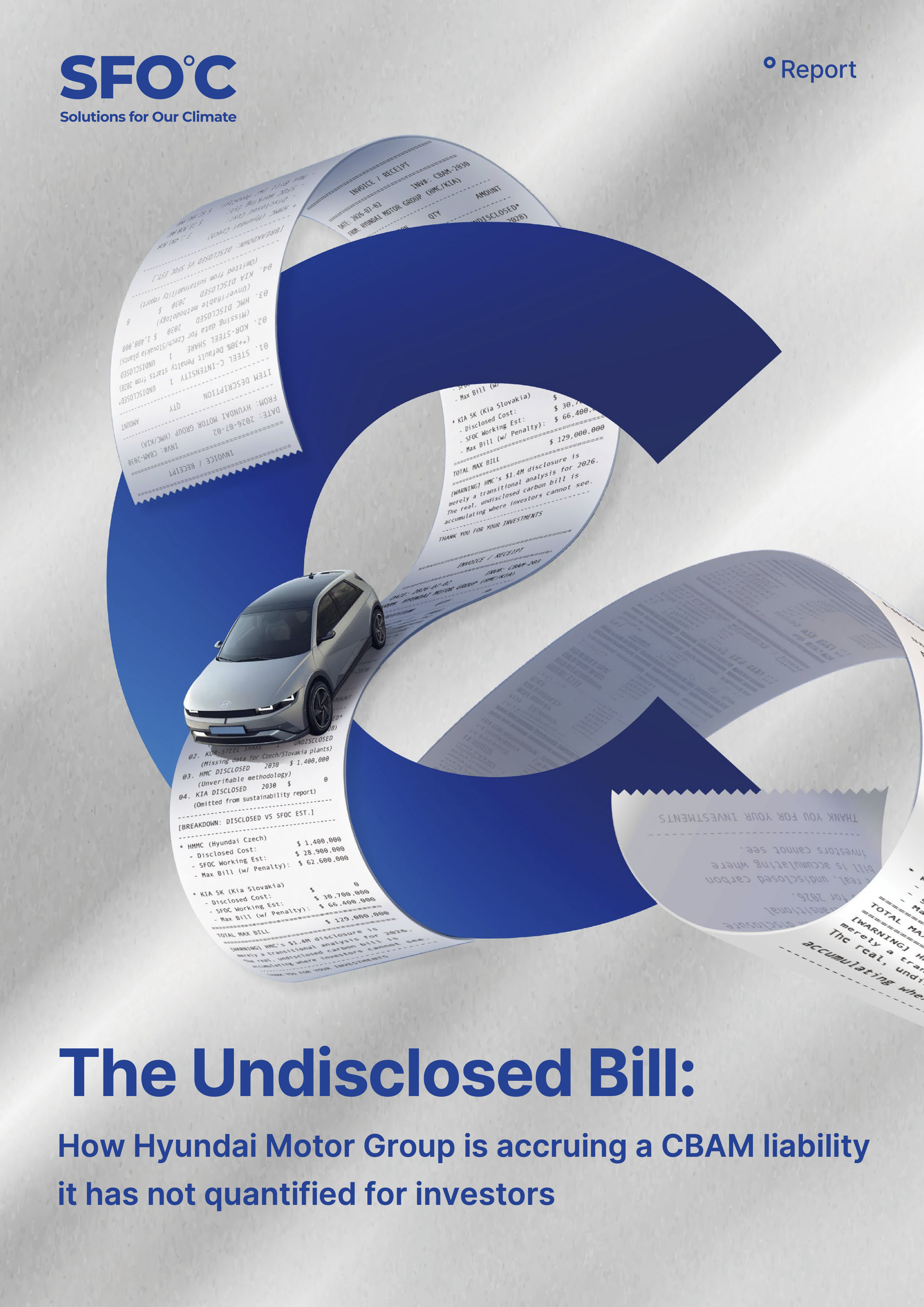
The Undisclosed Bill: How Hyundai Motor Group is accruing a CBAM liability it has not quantified for investors
2026-07-15
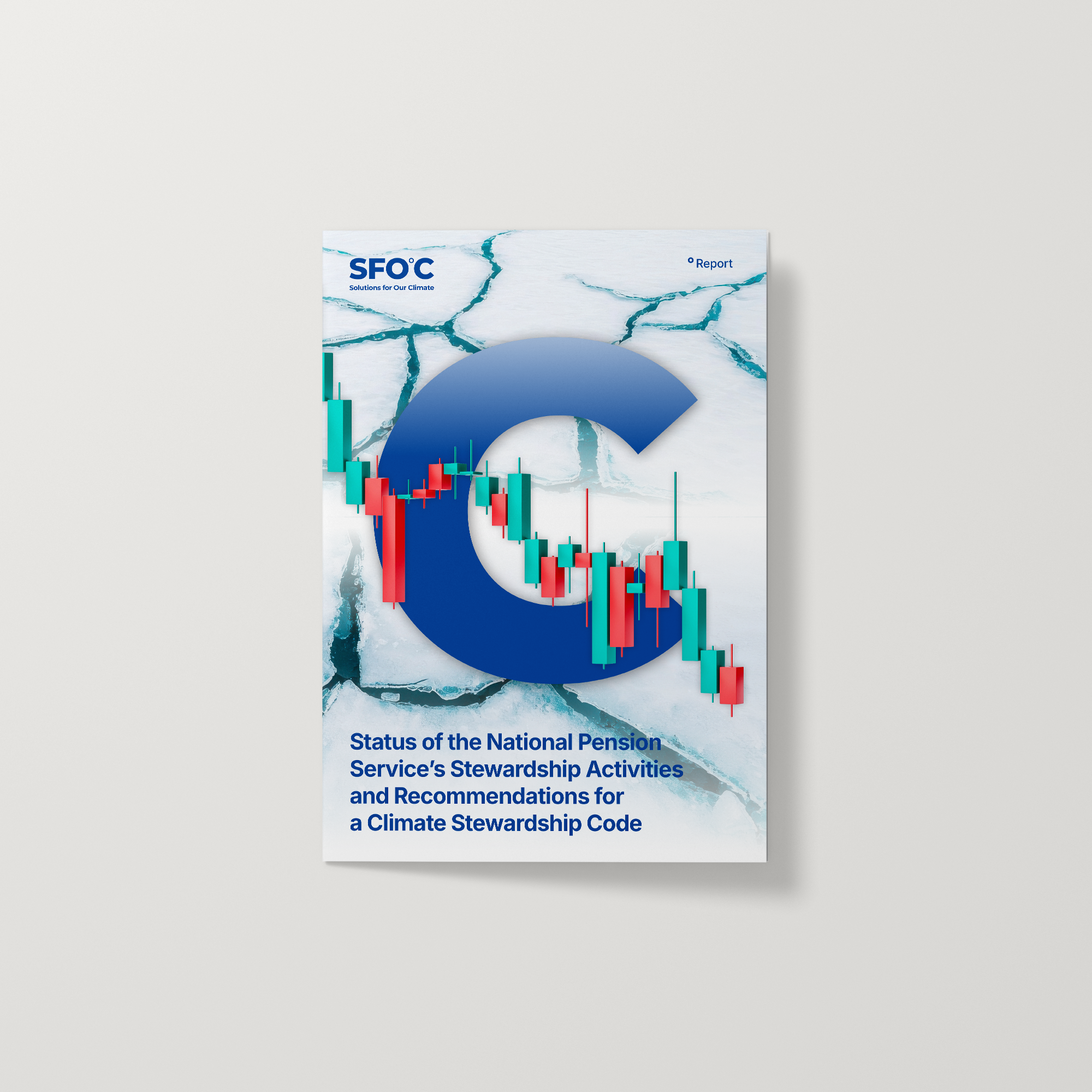
Status of the National Pension Service’s Stewardship Activities and Recommendations for a Climate Stewardship Code
2026-07-06
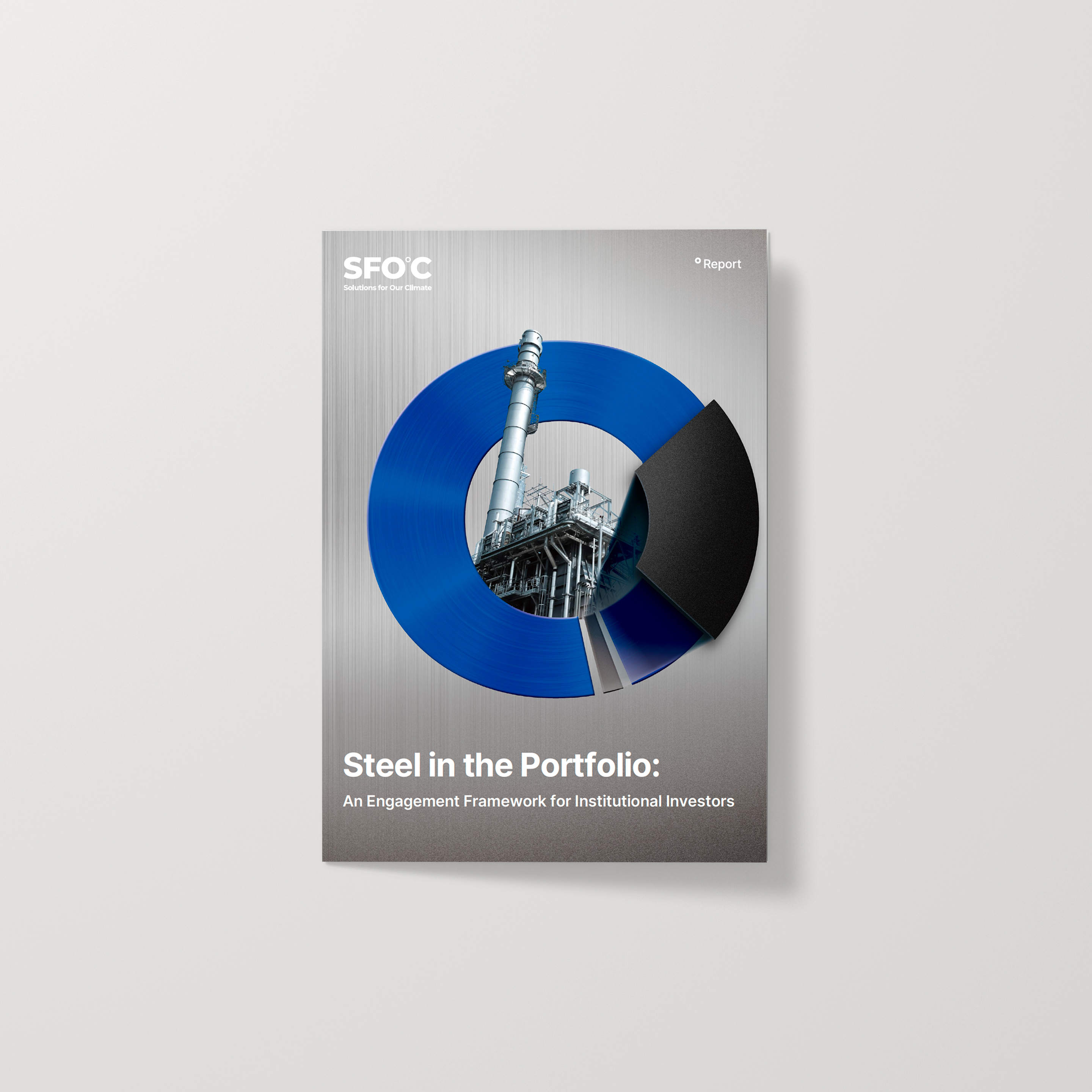
Steel in the Portfolio: An Engagement Framework for Institutional Investors
2026-06-16
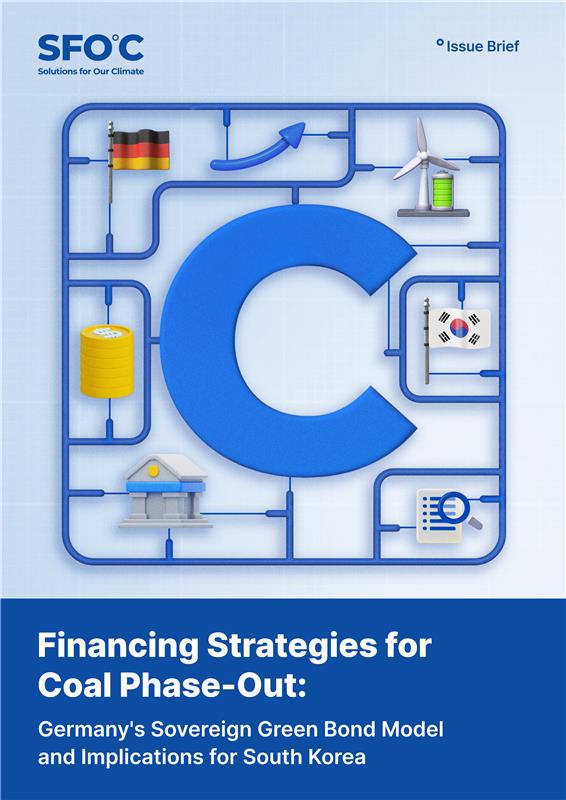
Financing Strategies for Coal Phase-Out: Germany's Sovereign Green Bond Model and Implications for South Korea
2026-04-21
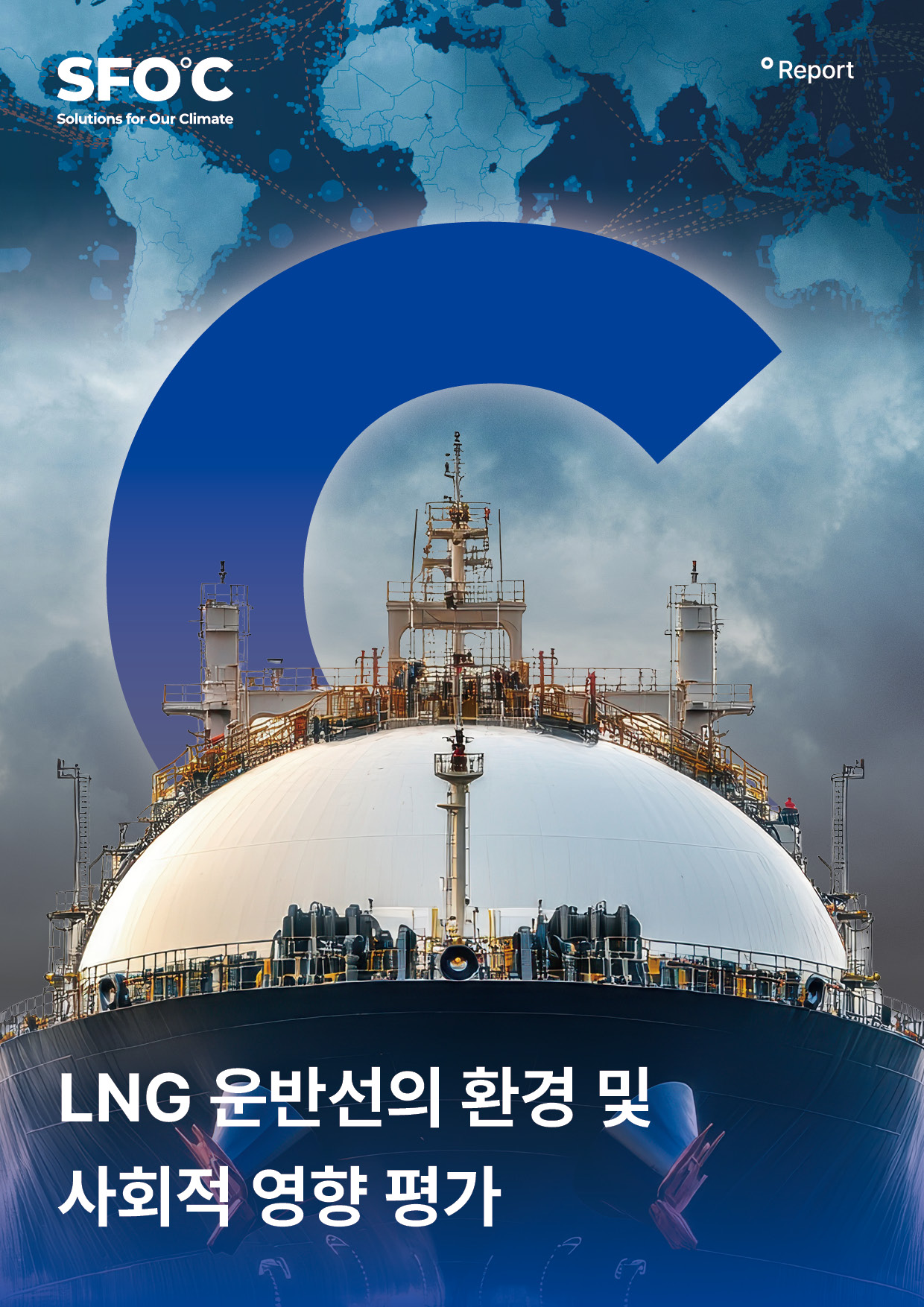
An Assessment of Environmental and Social Impacts of LNG Carriers
2026-04-06
Recurring Crisis, Delayed Transition: From Fossil Fuel Dependence to Energy Independence
2026-03-18
Empty Seats at the Climate Table : Board Oversight Gaps in Hyundai Motor Company's Climate Governance
2026-03-03
Government Financing for H₂-DRI Commercialization: Comparative Risk-Sharing Cases and Implications for Korea
2026-01-26
Why LNG Reduction Matters: Redefining Energy Security and Unlocking Economic Gains
2025-12-08
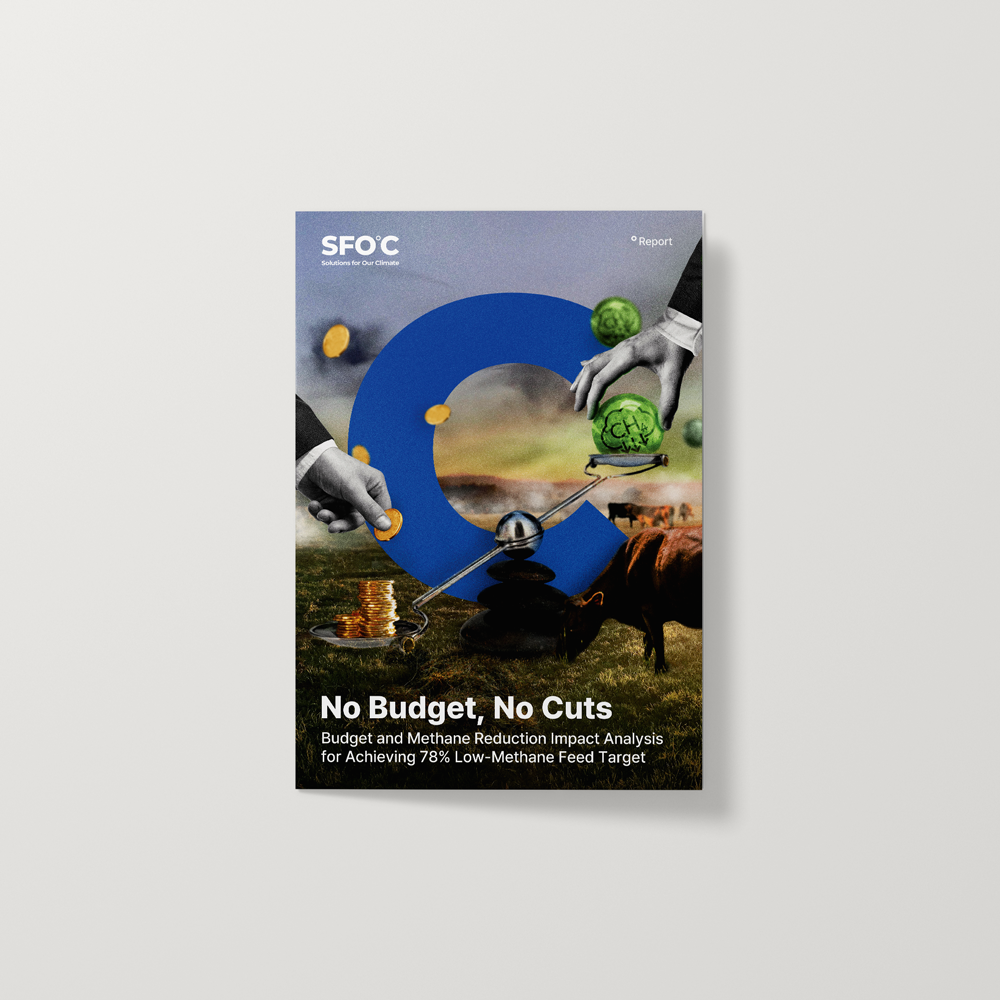
No Budget, No Cuts: Budget and Methane Reduction Impact Analysis for Achieving 78% Low-Methane Feed Supply Target
2025-12-03
From Words to Data: Bridging Hyundai’s Climate Commitments and Disclosure
2025-11-28
South Korea’s Export Credit Finance in Transition: National Economic Impacts of the Global Shift from Fossil Fuels to Clean Energy
2025-11-16
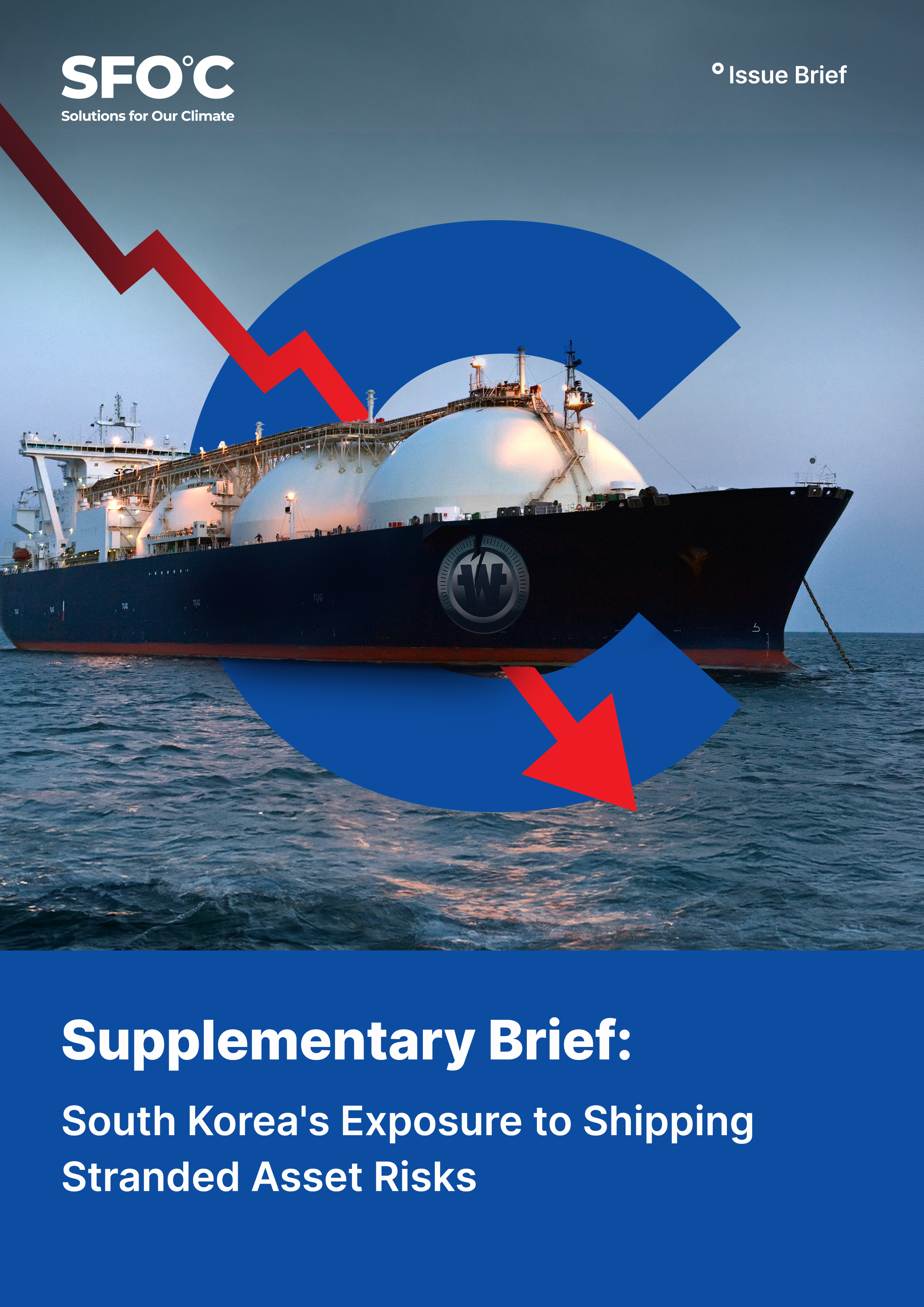
Supplementary Brief: South Korea's Exposure to Shipping Stranded Asset Risks
2025-10-26
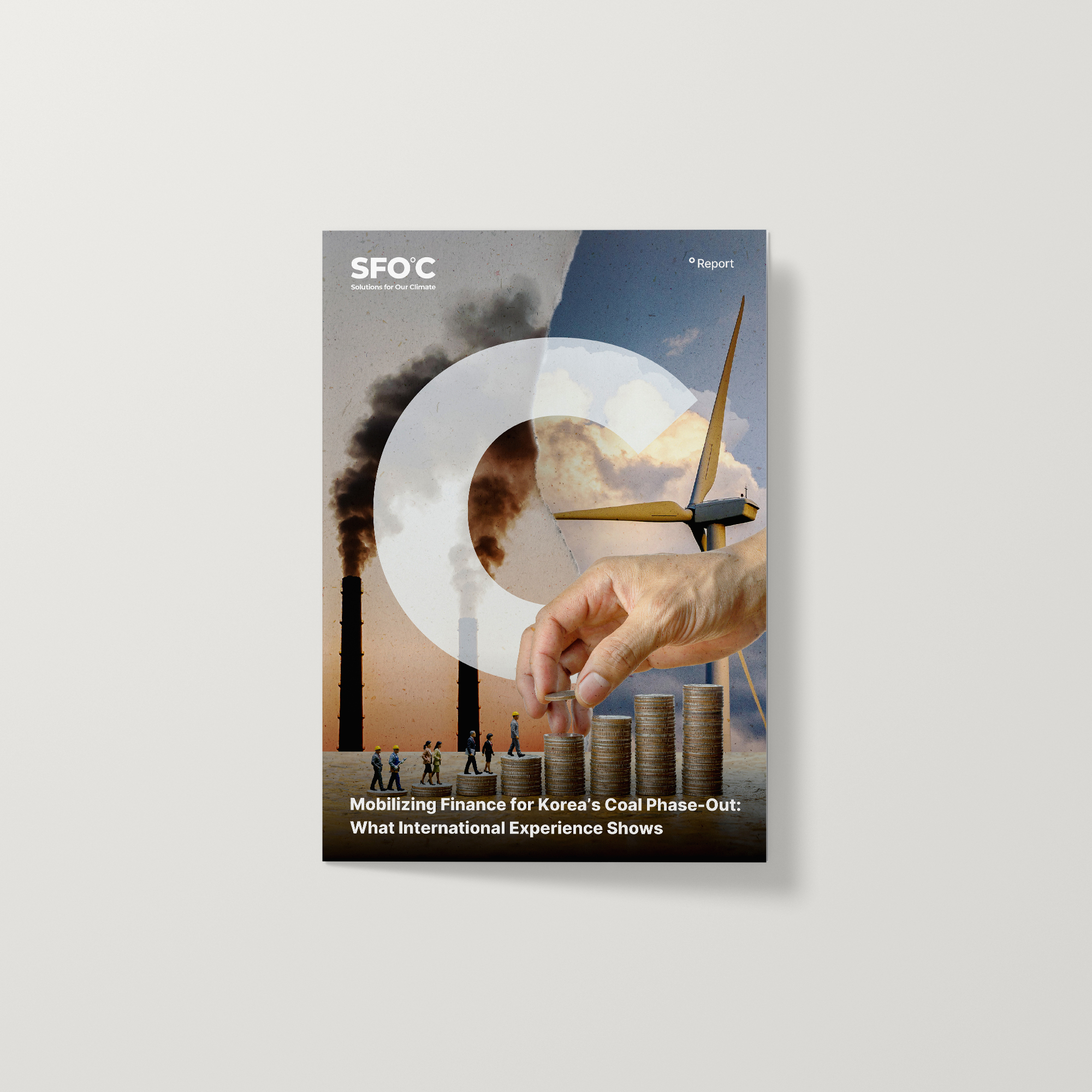
Mobilizing Finance for Korea's Coal Phase-Out: What International Experience Shows
2025-10-20
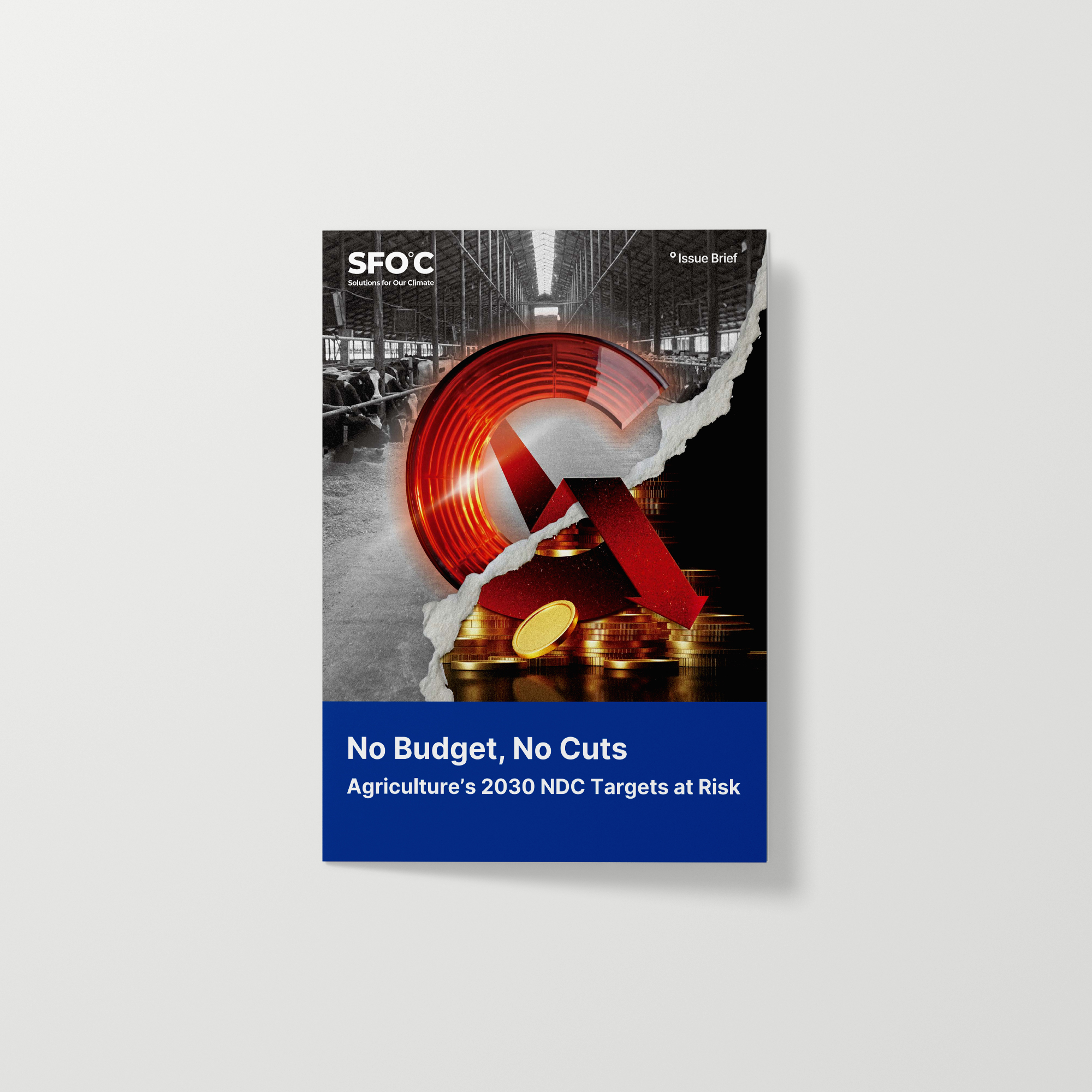
No Budget, No Cuts: Agriculture’s 2030 NDC Targets at Risk
2025-09-16
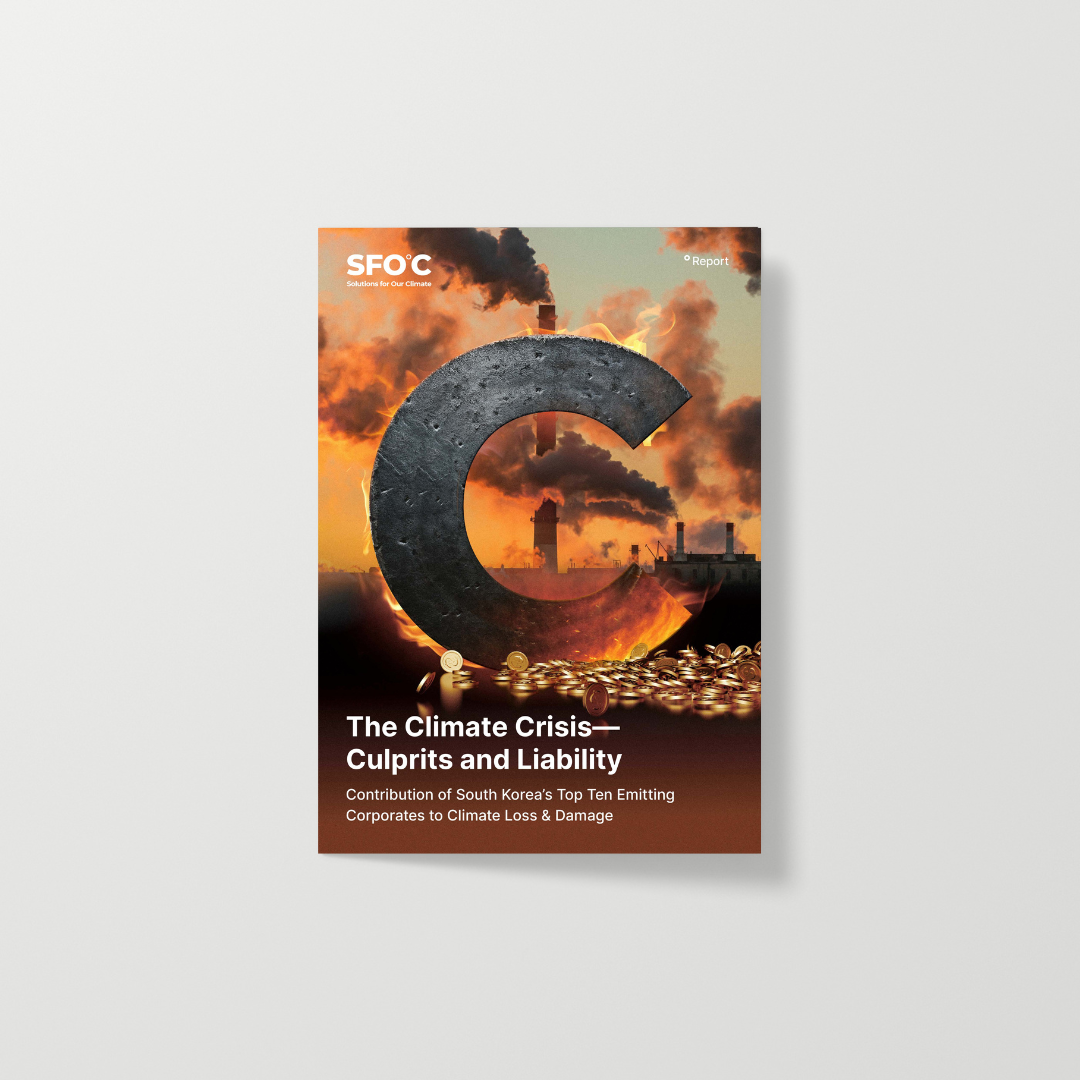
The Climate Crisis—Culprits and Liability: Contribution of South Korea’s Top Ten Emitting Corporates to Climate Loss & Damage
2025-08-10

No Room for More: Why LNG Carriers Are a Climate and Financial Risk
2025-05-13

Capitalizing on Coal: How Global Investors and Underwriters Enable KEPCO to Abandon the Sustainability Path
2025-03-20

Moving Away from Coal: 2025 POSCO Holdings Climate Risk
2025-03-17

A Sleeping Giant? The National Pension Service’s Missed Potential on Climate Action
2025-03-11

Bridging the Nature Finance Gap: Aligning South Korean Banks with the Global Biodiversity Framework
2024-10-27

LNG運搬船: 世界のガス取引を拡大させる海上パイプライン ――影の推進者を明らかにする
2024-06-12

Boom and Bust Coal 2024
2024-04-17
![[Brief] South Korea’s international public finance continues to block a just energy transition](https://content.sfoc.tapahalab.com/images/research/RC5Kime.jpg)
[Brief] South Korea’s international public finance continues to block a just energy transition
2024-04-02
![[Report] The Inconsistent 'Coal-Free Pledge' of Korea's National Pension Service](https://content.sfoc.tapahalab.com/images/research/VcDPdme.jpg)
[Report] The Inconsistent 'Coal-Free Pledge' of Korea's National Pension Service
2023-06-20

National Development Banks and the Climate Crisis
2022-06-13

Climate Risk Management in Financial Sector and the Role of Pension Funds
2022-02-10
![[토론회] 한국형 녹색분류체계(K-Taxonomy), 무엇이 녹색경제활동인가](https://content.sfoc.tapahalab.com/images/research/bn8jdme.jpg)
[토론회] 한국형 녹색분류체계(K-Taxonomy), 무엇이 녹색경제활동인가
2021-11-23

Fueling the Climate Crisis_South Korea's Public Financing for Oil and Gas
2021-08-31


