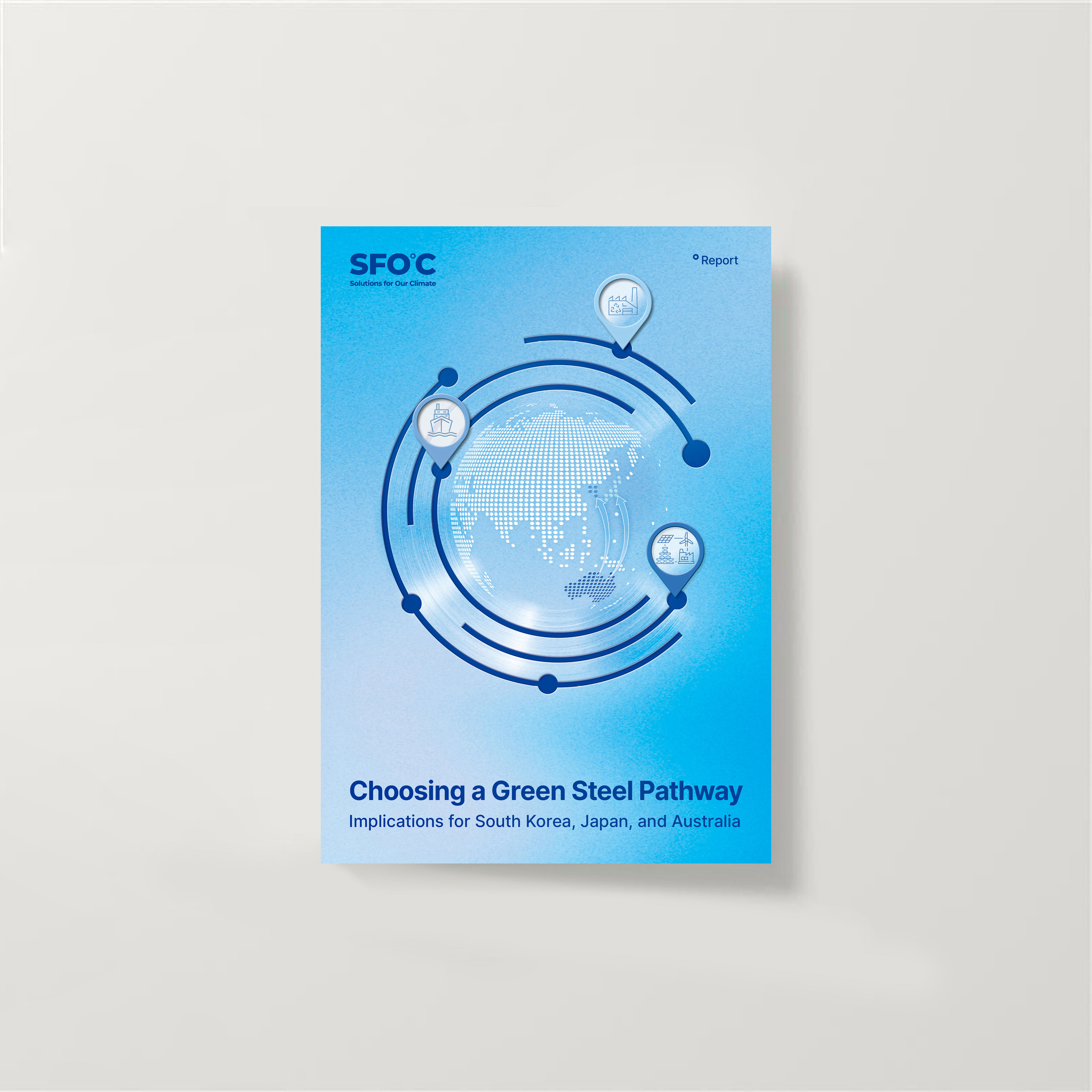
Choosing a Green Steel Pathway : Implications for South Korea, Japan, and Australia


About
The transition to low-emission steel production is increasing interest in both domestic green steel manufacturing and international green iron trade. While Australia is emerging as a potential supplier of green iron to East Asia, advances in renewable energy and hydrogen technologies may also strengthen the case for domestic production in South Korea and Japan. This study examines the economic and emissions implications of these pathways and explores the conditions that could shape their future competitiveness.
Executive summary
This report assesses the competitiveness of domestic green steel production in South Korea and Japan relative to imported Australian green iron by 2035. Using a Levelized Cost of Steel (LCOS) framework, the analysis compares production costs and emissions performance across domestic and import pathways to identify the conditions under which domestic green steel production can become both cost-competitive and emissions-eligible.
Key findings
Hydrogen cost is a key determinant of the cost competitiveness of green steel production.
For domestic green steel production to compete with pathways using imported green iron, hydrogen production costs will need to fall to approximately $2.21~$2.38/kg H2 in South Korea, and $2.56~$3.53/kg H2 in Japan.
Increased use of renewable electricity is essential for domestic green steel production.
Under projected 2035 conditions, grid-based production in both South Korea and Japan remains above the ResponsibleSteel green steel threshold of 0.4 tCO2/tcs. Therefore, hydrogen-based ironmaking should be accompanied by increased use of renewable electricity for domestic production to meet the emissions threshold for green steel classification.
Australia's early action is required to secure its position in green iron export market.
As domestic green steel production in East Asia becomes increasingly competitive under favorable policy and cost conditions, and as gas-based DRI pathways may not meet emerging green steel emissions standards, accelerating the deployment of green hydrogen- based iron production will be critical to securing long-term market opportunities as green iron supplier.
Related research
The Undisclosed Bill: How Hyundai Motor Group is accruing a CBAM liability it has not quantified for investors
2026-07-15
South Korea’s Steel Industry at a Crossroads: Developing a Credible Green Steel Standard
2026-07-09
Steel in the Portfolio: An Engagement Framework for Institutional Investors
2026-06-16
Solving the Renewable Energy Disconnect: Enabling Korea’s 100GW RE Target Through Priority Grid Connection Policy
2026-06-01
Unlocking Agrivoltaics: Extending the Temporary Non-Agricultural Use Permission Period for Farmland
2026-05-14
Financing Strategies for Coal Phase-Out: Germany's Sovereign Green Bond Model and Implications for South Korea
2026-04-21
Recurring Crisis, Delayed Transition: From Fossil Fuel Dependence to Energy Independence
2026-03-18
When Climate Leadership Stops at Steel: East Asian Automakers and Steel Supply Chain Decarbonization
2026-03-08
Empty Seats at the Climate Table : Board Oversight Gaps in Hyundai Motor Company's Climate Governance
2026-03-03

REthinking Hyundai’s ‘eco’ steel: How fossil fuels threaten the brand
2026-02-13
Reforming South Korea's Power Sector: Setting the Stage For the Renewable Energy Transition
2026-02-04
The Cost of Delay: Socioeconomic Impacts of Steel Decarbonization in South Korea
2026-01-26
Government Financing for H₂-DRI Commercialization: Comparative Risk-Sharing Cases and Implications for Korea
2026-01-26
Why LNG Reduction Matters: Redefining Energy Security and Unlocking Economic Gains
2025-12-08
Settled in Secret: The Opaque Grid Fee System Undermining Renewable Energy PPA Expansion in South Korea
2025-12-01
From Words to Data: Bridging Hyundai’s Climate Commitments and Disclosure
2025-11-28
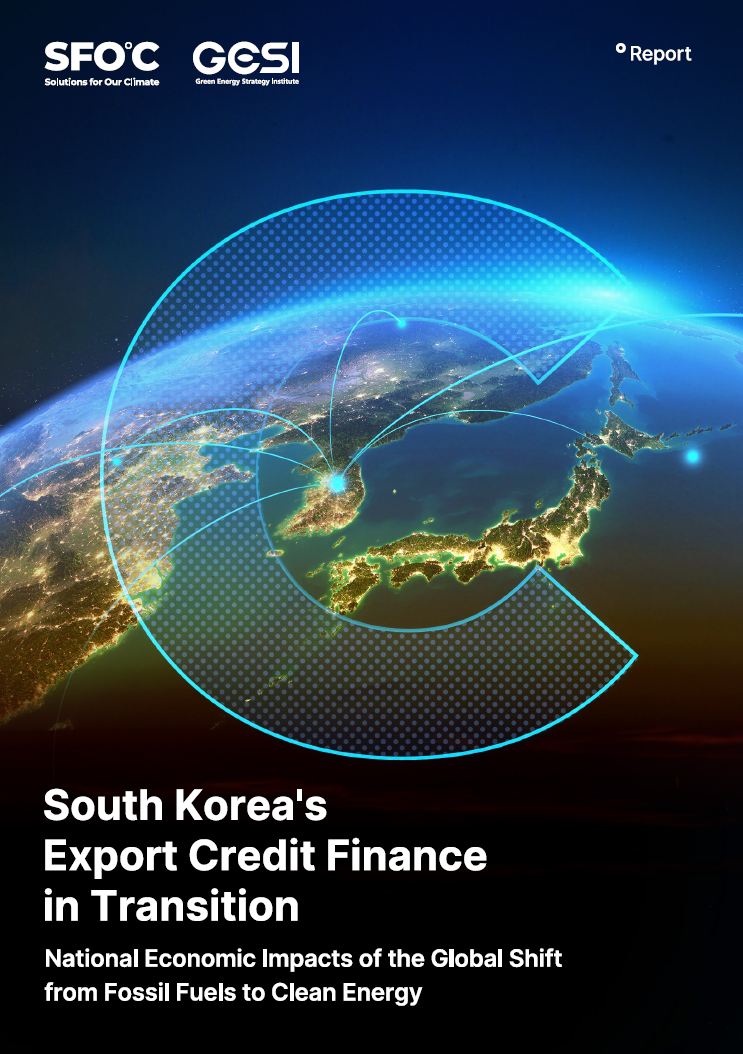
South Korea’s Export Credit Finance in Transition: National Economic Impacts of the Global Shift from Fossil Fuels to Clean Energy
2025-11-16
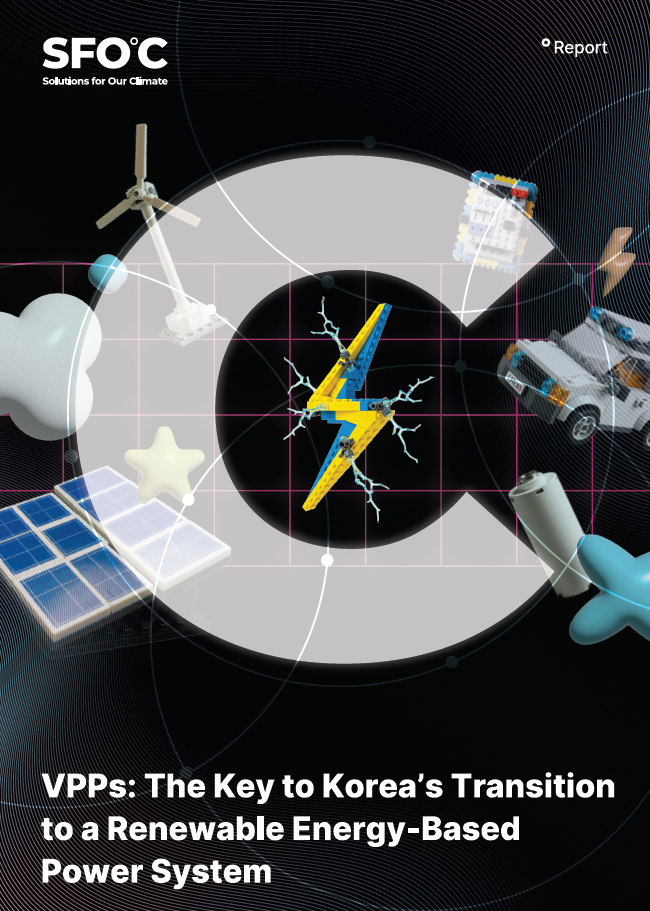
VPPs: The Key to Korea's Transition to a Renewable Energy-Based Power System
2025-08-28
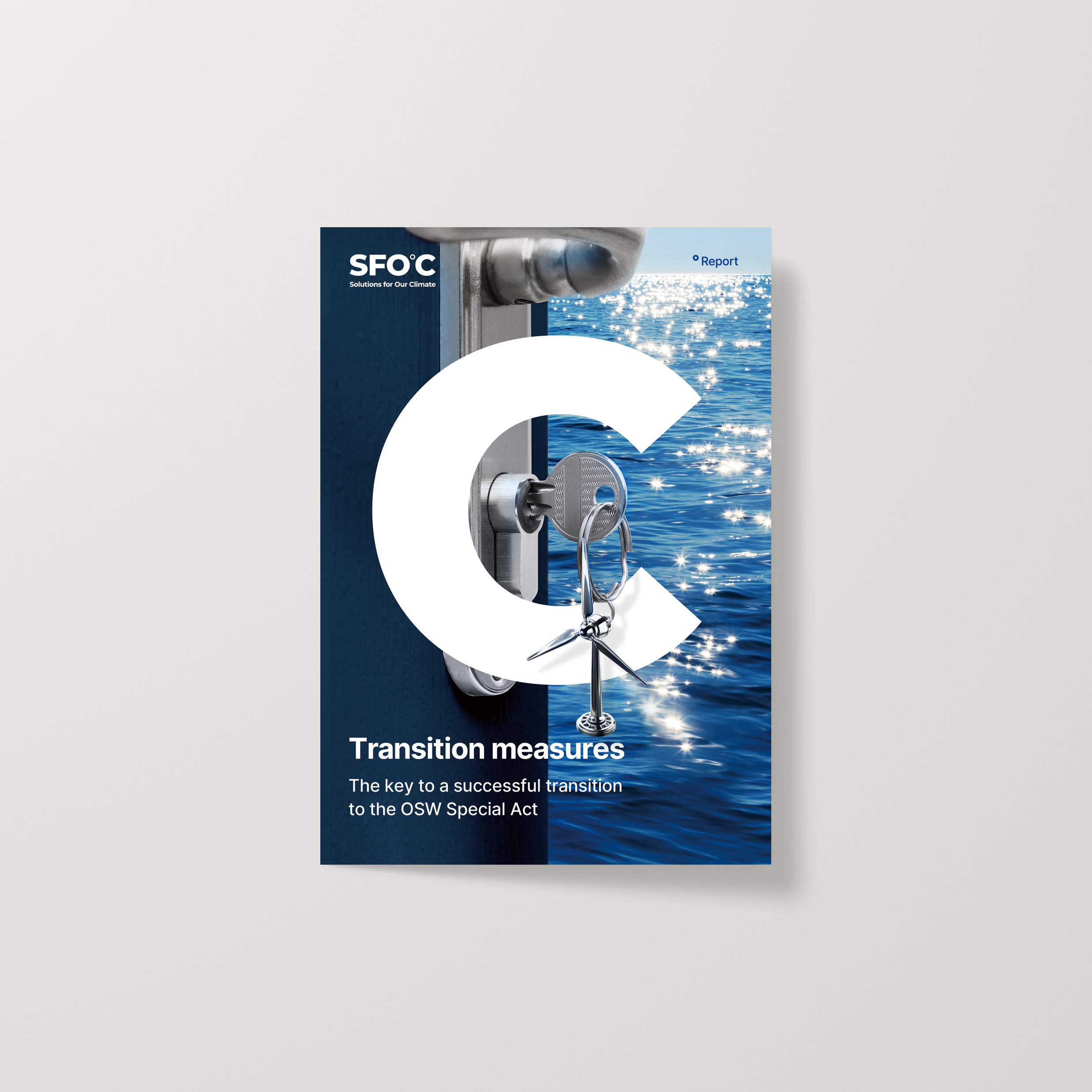
Transition measures: the key to a successful transition to the OSW Special Act
2025-08-26
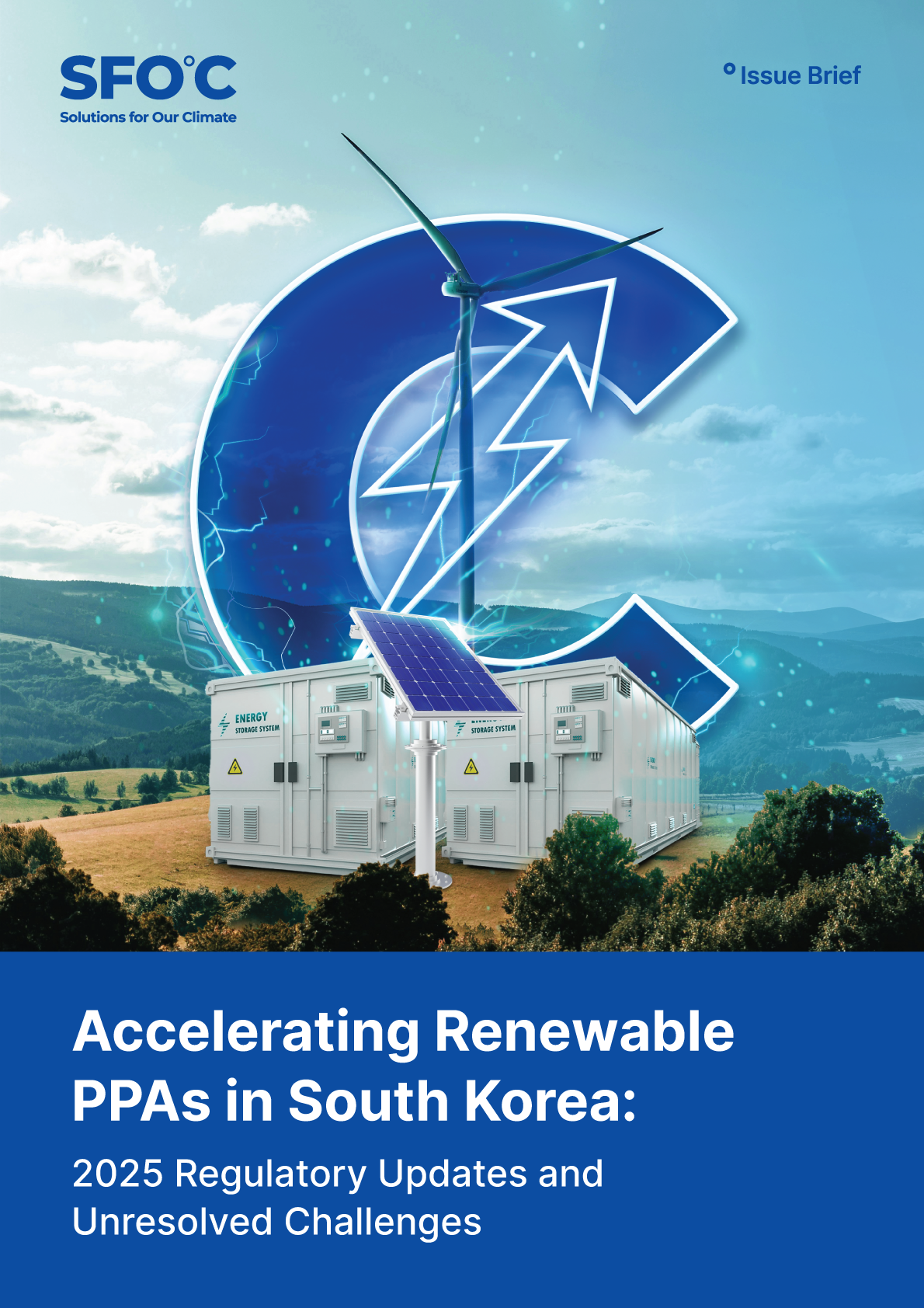
Accelerating Renewable PPAs in South Korea: 2025 Regulatory Updates and Unresolved Challenges
2025-08-06
Speed Bumps on the Renewable Energy Highway: Minimum Generation Levels of Thermal Power Plants
2025-08-05
From Policy to Purchase: Korea and Japan's Green Steel Public Procurement Strategies
2025-07-27
Driving Hydrogen-Based Steelmaking in South Korea: Focus on Hydrogen Sourcing
2025-06-25

Can the Korean Semiconductor Industry Meet its Renewable Energy Targets? Policy Recommendations
2025-06-24

Analyzing Korea’s 2035 NDC GHG Emissions Reduction Pathway through an Integrated Assessment Model
2025-04-23

Moving Away from Coal: 2025 POSCO Holdings Climate Risk
2025-03-17

Stronger Together: Unlocking Community Power for Lasting Change
2025-02-04

Hyundai Steel's Insufficient Decarbonization Roadmap: A Setback to Hyundai Motor Company’s Net Zero Ambitions?
2025-01-23

Extending the Lifespan of Gwangyang No.2 Blast Furnace: A Backward Step for Carbon Neutrality
2024-10-28

South Korea's PPA System: Status and Opportunities for Renewable Energy Development
2024-10-10

A Study on South Korea's 2050 Net Zero Pathway for Shipping
2024-09-25

Enabling the Green Steel Future - Unlocking Government-led Investment in Core Technology Development for Carbon Neutrality
2024-07-31
Green Steel Economics - Comparing Economics of Green H2-DRI and Traditional Steelmaking Around the World
2024-07-31

End the Free Emissions: Recommendations for Reforming K-ETS Based on Market Activation Scenario Analysis
2024-06-12

Three Unseen Flaws of the Boryeong Blue Hydrogen Project in South Korea
2024-05-26

Threat of Toxic Substances: Increased Particulate Matter and Health Hazards from Ammonia Co-firing
2024-05-22

Exploring Climate Risk and Its Potential Financial Impacts with POSCO Holdings
2024-03-19

POSCO Profile No. 2 - The Journey Toward Greenwashing: Greenate
2024-03-15

POSCO Profile No. 1 - Coal Tomorrow with POSCO: Doubts Rising on Korean Steelmaker’s Net-Zero Future
2023-10-06

Industry Trends Brief No.1: Korean Government's Low Carbon Steel Production Strategy
2023-04-17
![[CREA-SFOC] Unveiling the Truth Behind Blast Furnace Pollution_South Korea](https://content.sfoc.tapahalab.com/images/research/C4Xvdme.jpg)
[CREA-SFOC] Unveiling the Truth Behind Blast Furnace Pollution_South Korea
2022-11-28

Unveiling Fossil Greenwashing: Hidden Emissions of Korea's Hydrogen Scheme
2022-09-13

Revisiting Korean Green Public Procurement Policies to Promote Green Steel Demand
2022-08-10

Steel Sector Pathways for Korea's 2050 Carbon Neutrality
2022-03-14

Opportunities and Challenges for the Steel Industry to Become Carbon Neutral by 2050
2021-11-25

The South Korea Steel Industry and Carbon Neutrality: Responses, Issues and Policy Recommendations
2021-11-25


