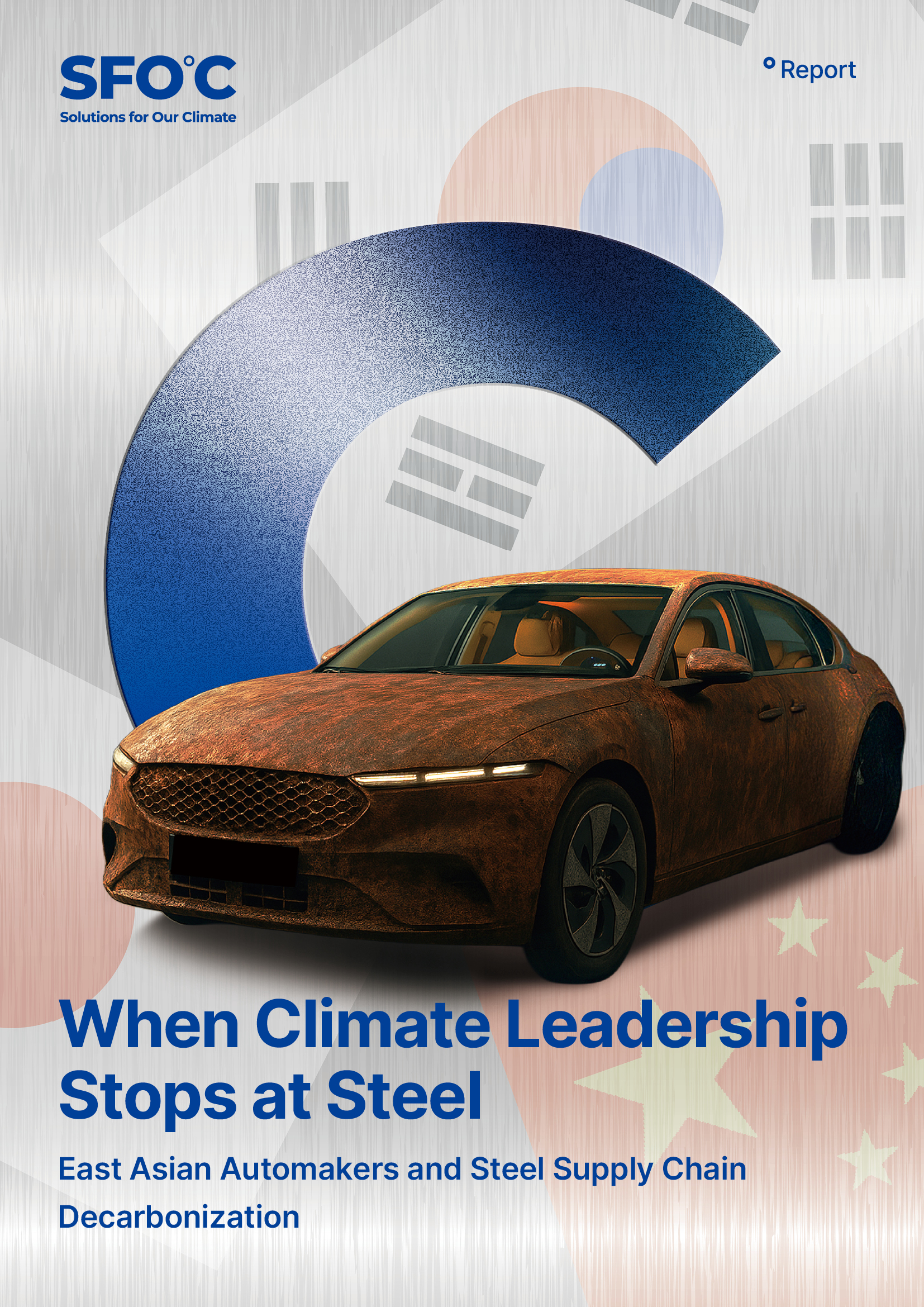
When Climate Leadership Stops at Steel: East Asian Automakers and Steel Supply Chain Decarbonization

About
This Issue-Brief adopts the indicator framework of the Lead the Charge 2026 Leaderboard as an analytical lens to assess the 18 automakers' performance across three core dimensions. First, it examines whether companies disclose Scope 3 emissions related to steel at a granular level, including breakdowns by raw material. Second, it evaluates whether companies have established clear mid- to long-term targets for transitioning to green steel and whether progress toward these targets is quantitatively reported. Third, it assesses the extent to which companies deploy supply chain levers, such as participation in buyer platforms and offtake agreements, to actively drive decarbonization among steelmakers.
Disclosure of Scope 3 Emissions in the Steel Supply Chain
Target Setting and Implementation for Green Steel Transition
Driving Steel Decarbonization through Supply Chain Engagement
Download report
Executive summary
Steel is a carbon-intensive industry responsible for over 7% of global greenhouse gas (GHG) emissions, while the automotive industry is a key downstream user, accounting for approximately 12% of global steel demand. Notably, as of 2024, South Korea, China, and Japan collectively account for 61.2% of global crude steel production and 54.8% of consumption, placing these countries at the forefront of the steel supply chain’s decarbonization.
South Korean, Chinese, and Japanese automakers must transparently disclose GHG emissions from steel use, set clear green steel adoption targets and roadmaps, and strengthen participation in global initiatives. Clear, credible demand signals through longterm offtake agreements with steelmakers will be crucial in accelerating decarbonization for both the automotive and steel sectors.
To effectively assess and compare decarbonization strategies across steel supply chains, a consistent definition and standard for ‘green steel’ is essential. As corporate netzero transition accelerates, globally recognized standards are being required to ensure transparency and accountability.
In a rapidly evolving trade environment, the automotive industry faces significant tariff risks if it lacks a robust carbon reduction roadmap for raw materials. Conversely, by systematically managing supply chain emissions and proactively adopting green steel strategies, automakers can mitigate trade risks and strengthen their long-term global competitiveness.
Related research
Choosing a Green Steel Pathway : Implications for South Korea, Japan, and Australia
2026-09-14
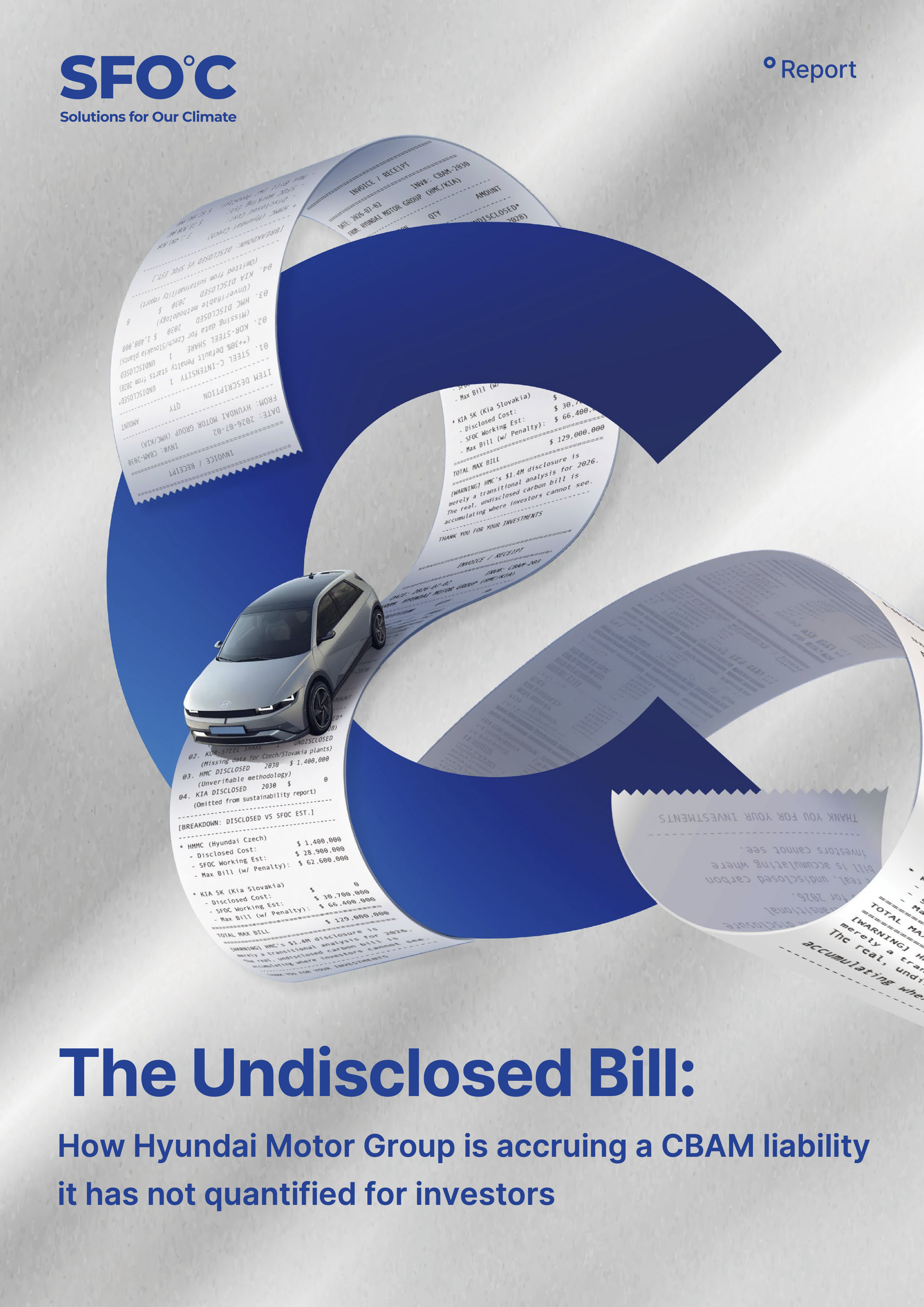
The Undisclosed Bill: How Hyundai Motor Group is accruing a CBAM liability it has not quantified for investors
2026-07-15
South Korea’s Steel Industry at a Crossroads: Developing a Credible Green Steel Standard
2026-07-09
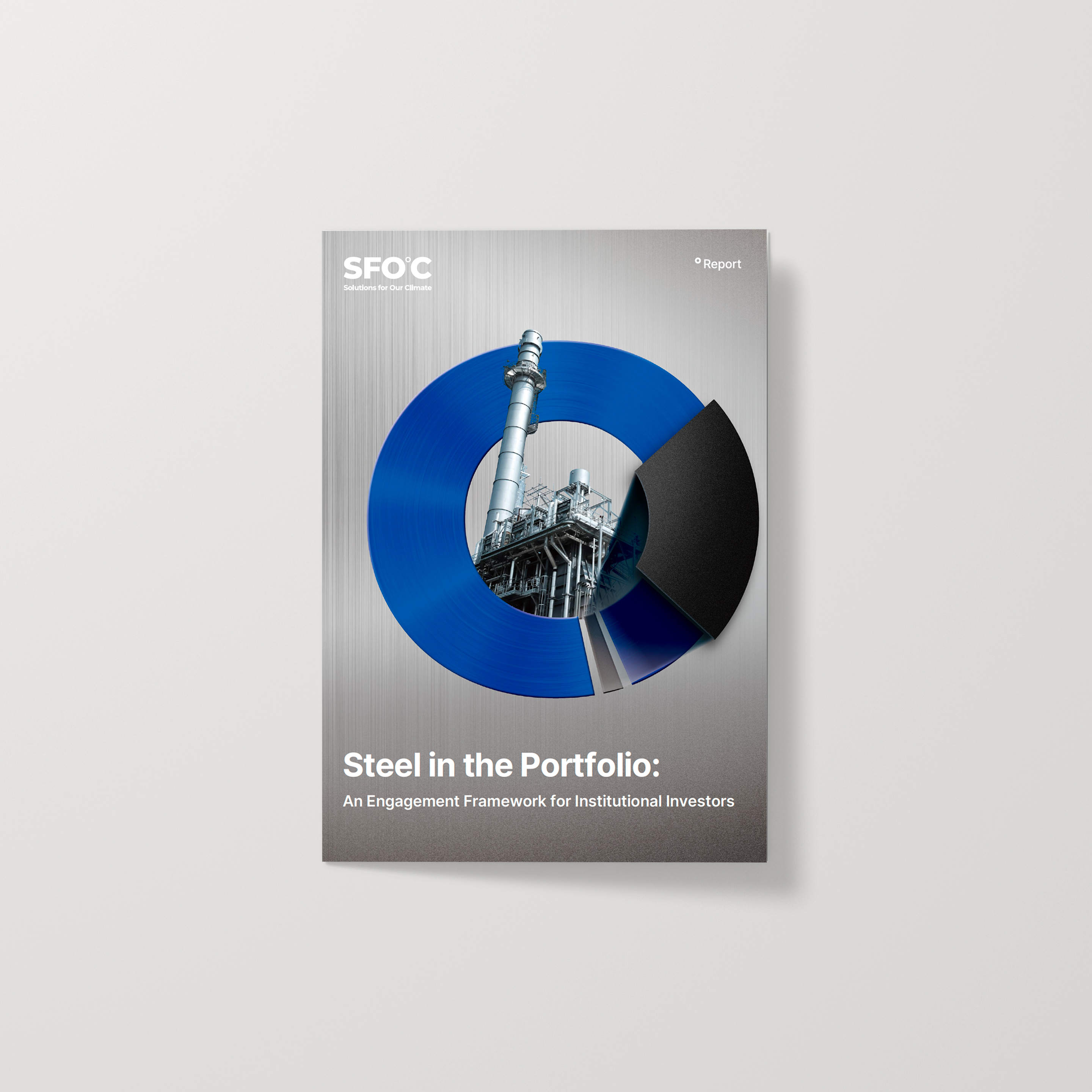
Steel in the Portfolio: An Engagement Framework for Institutional Investors
2026-06-16
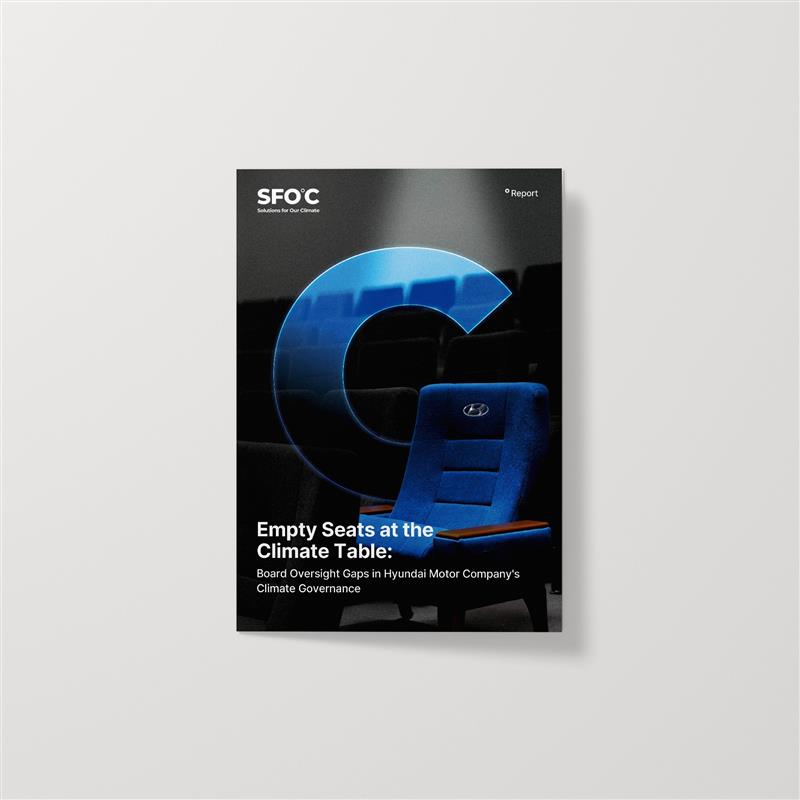
Empty Seats at the Climate Table : Board Oversight Gaps in Hyundai Motor Company's Climate Governance
2026-03-03

REthinking Hyundai’s ‘eco’ steel: How fossil fuels threaten the brand
2026-02-13
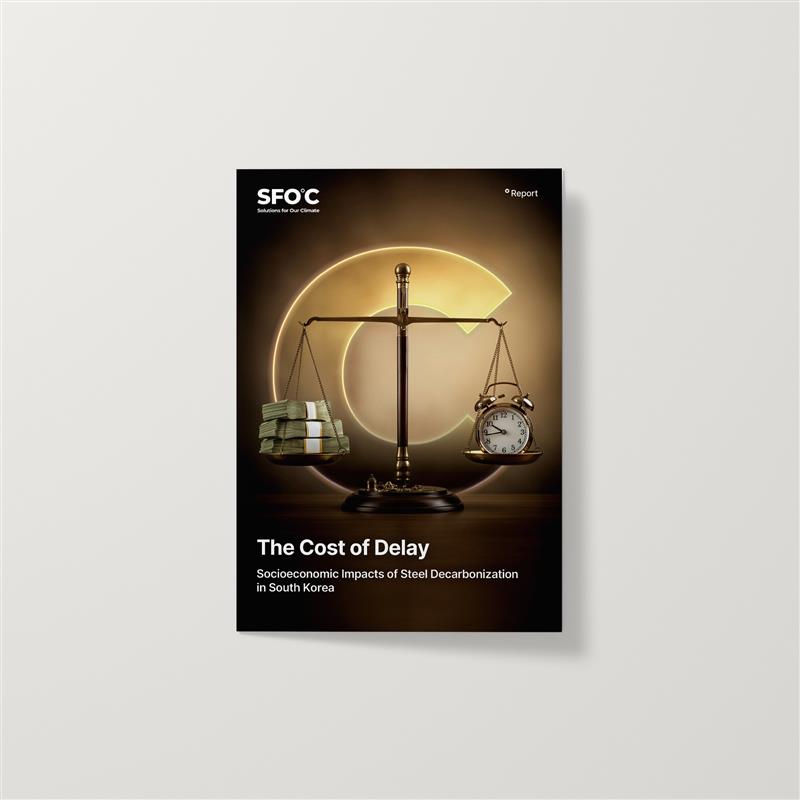
The Cost of Delay: Socioeconomic Impacts of Steel Decarbonization in South Korea
2026-01-26
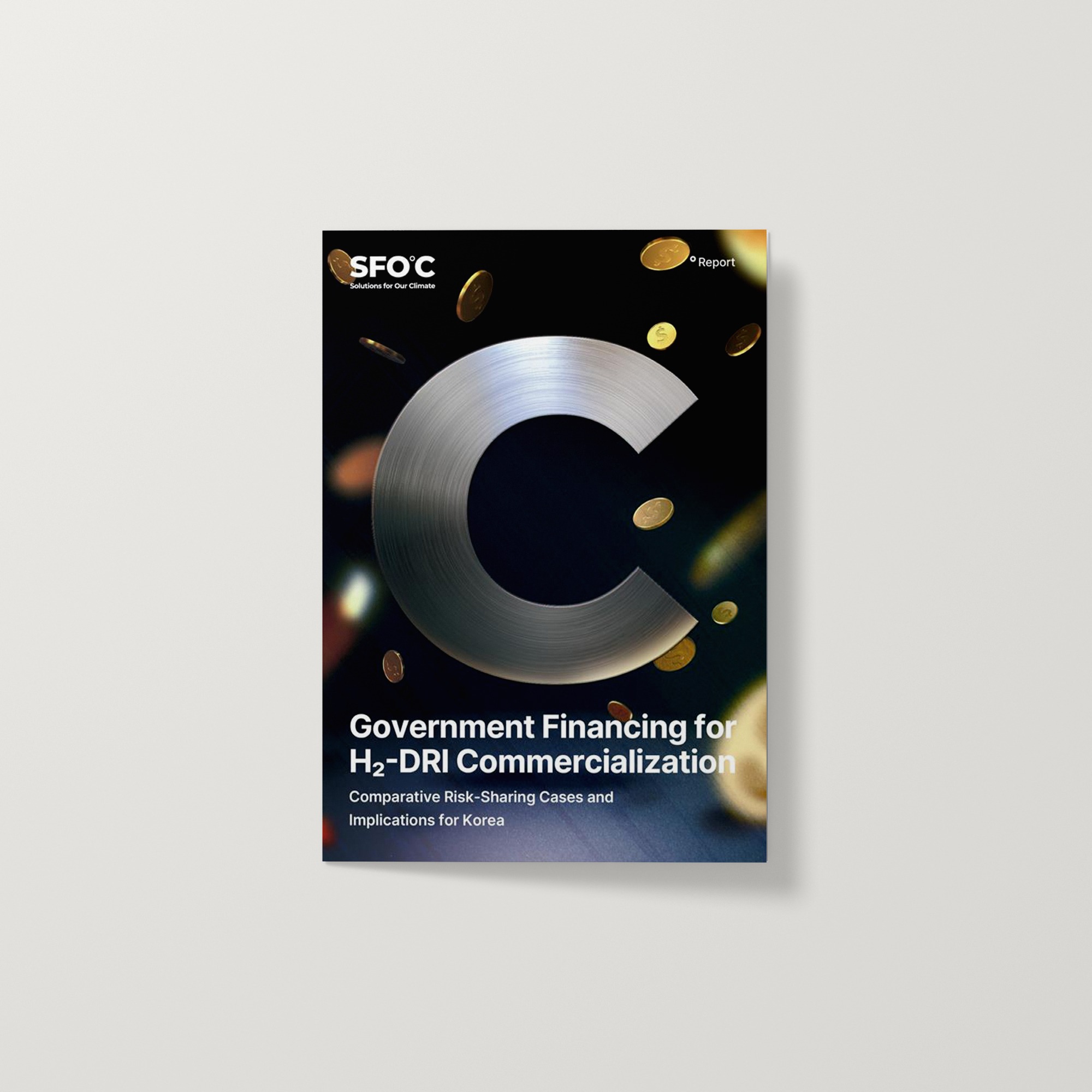
Government Financing for H₂-DRI Commercialization: Comparative Risk-Sharing Cases and Implications for Korea
2026-01-26
From Words to Data: Bridging Hyundai’s Climate Commitments and Disclosure
2025-11-28
From Policy to Purchase: Korea and Japan's Green Steel Public Procurement Strategies
2025-07-27
Driving Hydrogen-Based Steelmaking in South Korea: Focus on Hydrogen Sourcing
2025-06-25

Analyzing Korea’s 2035 NDC GHG Emissions Reduction Pathway through an Integrated Assessment Model
2025-04-23

Moving Away from Coal: 2025 POSCO Holdings Climate Risk
2025-03-17

Hyundai Steel's Insufficient Decarbonization Roadmap: A Setback to Hyundai Motor Company’s Net Zero Ambitions?
2025-01-23

Extending the Lifespan of Gwangyang No.2 Blast Furnace: A Backward Step for Carbon Neutrality
2024-10-28

Enabling the Green Steel Future - Unlocking Government-led Investment in Core Technology Development for Carbon Neutrality
2024-07-31
Green Steel Economics - Comparing Economics of Green H2-DRI and Traditional Steelmaking Around the World
2024-07-31

End the Free Emissions: Recommendations for Reforming K-ETS Based on Market Activation Scenario Analysis
2024-06-12

Exploring Climate Risk and Its Potential Financial Impacts with POSCO Holdings
2024-03-19

POSCO Profile No. 2 - The Journey Toward Greenwashing: Greenate
2024-03-15

POSCO Profile No. 1 - Coal Tomorrow with POSCO: Doubts Rising on Korean Steelmaker’s Net-Zero Future
2023-10-06

Industry Trends Brief No.1: Korean Government's Low Carbon Steel Production Strategy
2023-04-17
![[CREA-SFOC] Unveiling the Truth Behind Blast Furnace Pollution_South Korea](https://content.sfoc.tapahalab.com/images/research/C4Xvdme.jpg)
[CREA-SFOC] Unveiling the Truth Behind Blast Furnace Pollution_South Korea
2022-11-28

Revisiting Korean Green Public Procurement Policies to Promote Green Steel Demand
2022-08-10

Steel Sector Pathways for Korea's 2050 Carbon Neutrality
2022-03-14

Opportunities and Challenges for the Steel Industry to Become Carbon Neutral by 2050
2021-11-25

The South Korea Steel Industry and Carbon Neutrality: Responses, Issues and Policy Recommendations
2021-11-25


