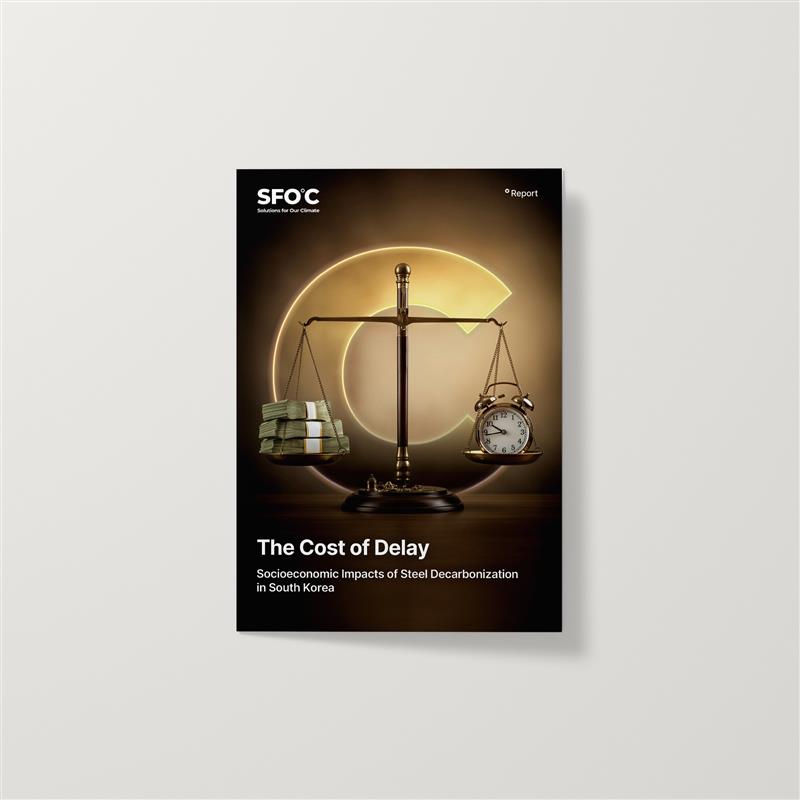
The Cost of Delay: Socioeconomic Impacts of Steel Decarbonization in South Korea

About
Discussions on the low-carbon transition of steel industry have largely focused on short-term burdens, such as increased upfront investment costs, potential employment adjustments, and the contraction of local economies. In particular, regions with high dependence on the steel industry have consistently raised concerns about the potential negative impacts of the transition process. However, these concerns stem less from the transition itself than from the structural risks that may accumulate if the transition is delayed or implemented insufficiently.
Under these circumstances, quantitative analysis examining how differences in the pace of the low-carbon transition affect the broader national economy remains limited. Given the steel industry’s extensive linkages with numerous upstream and downstream sectors, analyses confined to individual industries or short-term effects are insufficient to fully capture the net impact of the transition.
To address this gap, this study compares the socioeconomic impacts of different transition pathways in the steel industry on the national economy and quantifies the opportunity costs associated with delays in transition. Ultimately, the study aims to demonstrate that the low-carbon transition of the steel industry should not be viewed merely as a climate policy burden, but rather as a driver of new economic growth and job creation across the wider economy. The findings also provide policy implications for both government and industry in designing effective transition strategies.
Download report
Related research
Choosing a Green Steel Pathway : Implications for South Korea, Japan, and Australia
2026-09-14
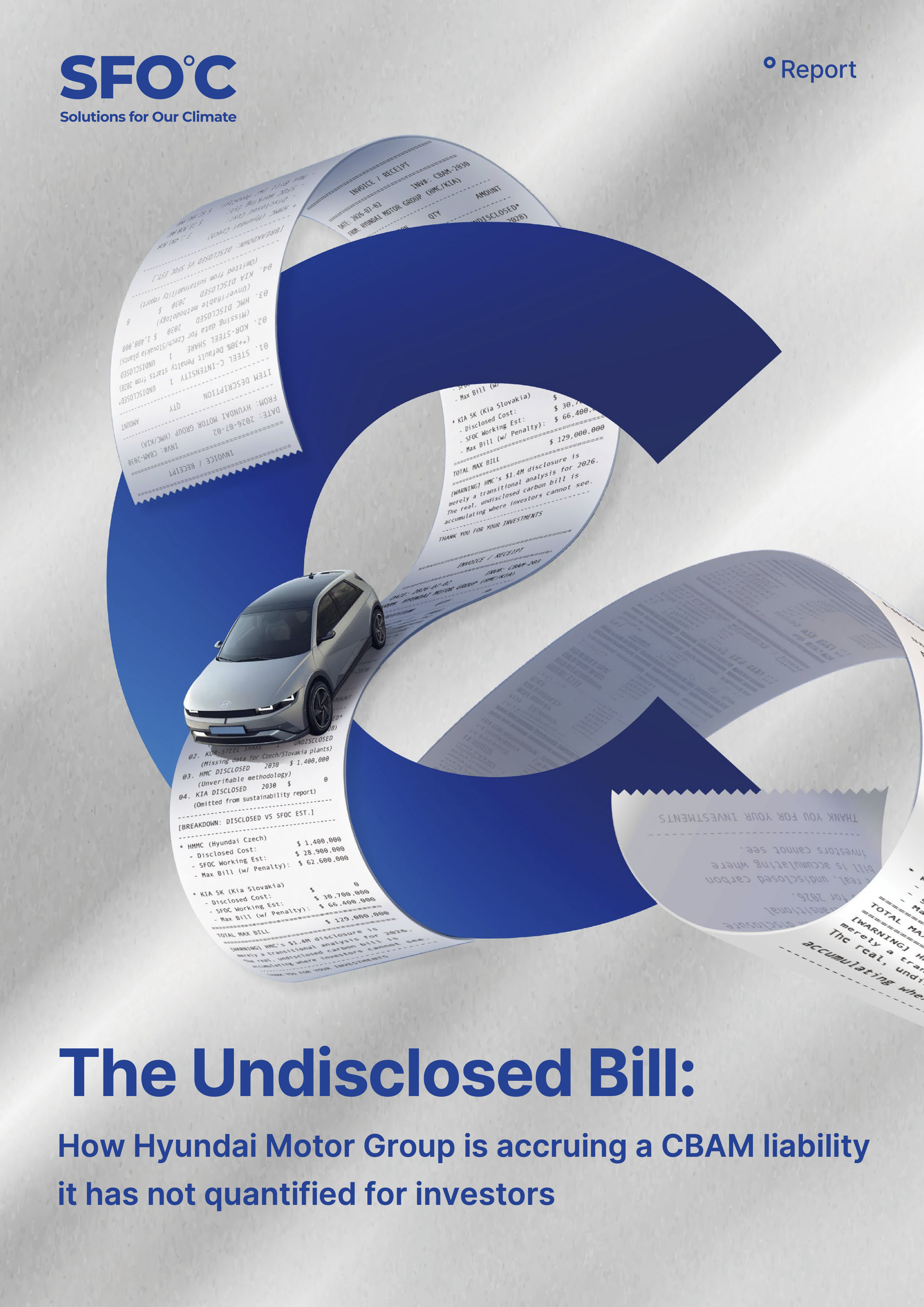
The Undisclosed Bill: How Hyundai Motor Group is accruing a CBAM liability it has not quantified for investors
2026-07-15
South Korea’s Steel Industry at a Crossroads: Developing a Credible Green Steel Standard
2026-07-09
Steel in the Portfolio: An Engagement Framework for Institutional Investors
2026-06-16
When Climate Leadership Stops at Steel: East Asian Automakers and Steel Supply Chain Decarbonization
2026-03-08
Empty Seats at the Climate Table : Board Oversight Gaps in Hyundai Motor Company's Climate Governance
2026-03-03

REthinking Hyundai’s ‘eco’ steel: How fossil fuels threaten the brand
2026-02-13
Government Financing for H₂-DRI Commercialization: Comparative Risk-Sharing Cases and Implications for Korea
2026-01-26
From Words to Data: Bridging Hyundai’s Climate Commitments and Disclosure
2025-11-28
From Policy to Purchase: Korea and Japan's Green Steel Public Procurement Strategies
2025-07-27
Driving Hydrogen-Based Steelmaking in South Korea: Focus on Hydrogen Sourcing
2025-06-25

Analyzing Korea’s 2035 NDC GHG Emissions Reduction Pathway through an Integrated Assessment Model
2025-04-23

Moving Away from Coal: 2025 POSCO Holdings Climate Risk
2025-03-17

Hyundai Steel's Insufficient Decarbonization Roadmap: A Setback to Hyundai Motor Company’s Net Zero Ambitions?
2025-01-23

Extending the Lifespan of Gwangyang No.2 Blast Furnace: A Backward Step for Carbon Neutrality
2024-10-28

A Study on South Korea's 2050 Net Zero Pathway for Shipping
2024-09-25

Enabling the Green Steel Future - Unlocking Government-led Investment in Core Technology Development for Carbon Neutrality
2024-07-31
Green Steel Economics - Comparing Economics of Green H2-DRI and Traditional Steelmaking Around the World
2024-07-31

End the Free Emissions: Recommendations for Reforming K-ETS Based on Market Activation Scenario Analysis
2024-06-12

Three Unseen Flaws of the Boryeong Blue Hydrogen Project in South Korea
2024-05-26

Threat of Toxic Substances: Increased Particulate Matter and Health Hazards from Ammonia Co-firing
2024-05-22

Exploring Climate Risk and Its Potential Financial Impacts with POSCO Holdings
2024-03-19

POSCO Profile No. 2 - The Journey Toward Greenwashing: Greenate
2024-03-15

POSCO Profile No. 1 - Coal Tomorrow with POSCO: Doubts Rising on Korean Steelmaker’s Net-Zero Future
2023-10-06

Industry Trends Brief No.1: Korean Government's Low Carbon Steel Production Strategy
2023-04-17
![[CREA-SFOC] Unveiling the Truth Behind Blast Furnace Pollution_South Korea](https://content.sfoc.tapahalab.com/images/research/C4Xvdme.jpg)
[CREA-SFOC] Unveiling the Truth Behind Blast Furnace Pollution_South Korea
2022-11-28

Unveiling Fossil Greenwashing: Hidden Emissions of Korea's Hydrogen Scheme
2022-09-13

Revisiting Korean Green Public Procurement Policies to Promote Green Steel Demand
2022-08-10

Steel Sector Pathways for Korea's 2050 Carbon Neutrality
2022-03-14

Opportunities and Challenges for the Steel Industry to Become Carbon Neutral by 2050
2021-11-25

The South Korea Steel Industry and Carbon Neutrality: Responses, Issues and Policy Recommendations
2021-11-25


