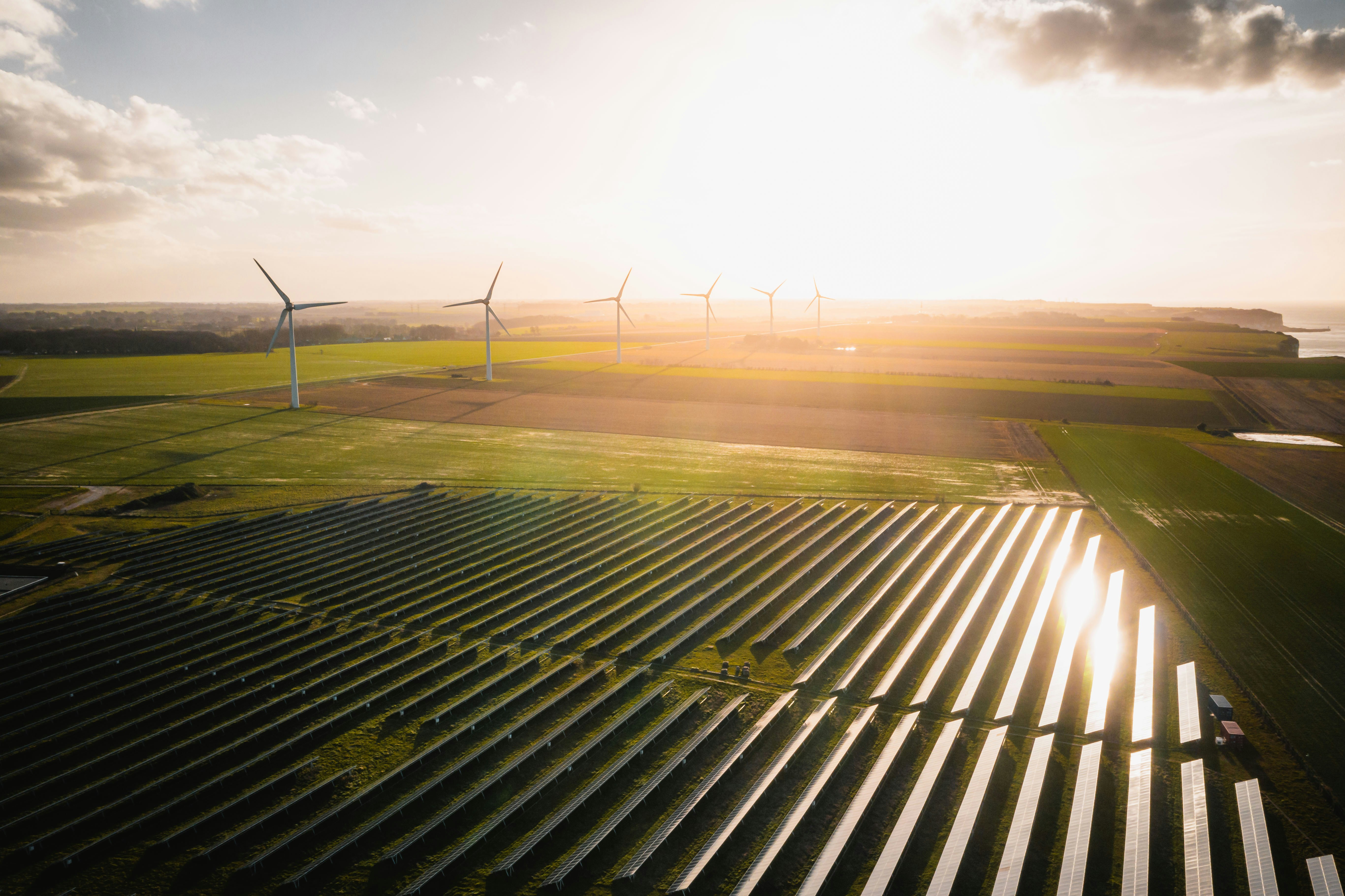
The numbers tell a clear story. Renewable energy capacity grew nearly 50% in 2025. Energy transition investment hit a record USD 2.4 trillion in 2024. Ongoing disruptions in the Strait of Hormuz, estimated to carry USD 600 billion to 1 trillion in economic costs, have made one thing undeniable: reducing fossil fuel dependency is no longer just a climate imperative. It is an energy security and economic resilience issue.
The transition is past its point of no return. The question now is how to implement it – and who helps shape that process.
That is exactly what the Santa Marta conference was convened to answer.
What Happened
Between April 24-29, 2026, Colombia and the Netherlands co-hosted 57 countries, representing roughly one-third of global GDP, for the First Conference on Transitioning Away from Fossil Fuels (TAFF). The gathering grew directly from the landmark 2023 28th Conference of the Parties (COP) agreement in Dubai, where nearly 200 countries committed to transitioning away from fossil fuels. When that language failed to appear in COP30’s final decision text in Belém, a coalition of around 60 countries carried the agenda forward anyway.
Santa Marta was deliberately different. No new targets. No negotiated outcome text. Instead: a genuine “safe space” for honest government dialogue where frontrunner countries, civil society, indigenous peoples, workers, and the private sector could focus on the implementation of existing Paris Agreement commitments.
The mood was cautiously optimistic. Participants agreed that the transition has passed its point of no return. But serious structural barriers remain, and urgency has never been sharper.
Five Outcomes That Matter
A second conference confirmed. The next gathering will be co-hosted by Tuvalu and Ireland in 2027, with the main event in Tuvalu and a pre-conference meeting in Ireland. The process has a future.
A standing coordination group established. A permanent group will maintain continuity between conferences, connecting countries leading transition alliances and initiatives. The COP30 Action Agenda Activation Group 4 will serve as the key convening body.
Results feed directly into global climate processes. The conference report travels to the COP30 Presidency ahead of UNFCCC June Climate Meetings (SB64) in Bonn (June 8-18), London Climate Action Week, and New York Climate Week. Outcomes also feed into the second Global Stocktake (GST 2.0), expected to conclude in 2028. With Asia expected to host COP33, the timing is significant.
Three concrete workstreams launched. Countries will now do real cooperative work across: Roadmaps (building transition plans aligned with NDCs, connected to the new Science Panel); Macroeconomic and Financial Architecture (tackling debt, fiscal dependencies, and investment flows); and Producer-Consumer Alignment (coordinating how fossil fuel producers and consumers move towards decarbonized trade).
A new Science Panel established. The Science Panel for the Global Energy Transition (SPGET) was formally launched to help countries build 1.5°C-aligned roadmaps and dismantle the legal, financial, and political barriers blocking progress.
What This Means for Japan and South Korea
Both countries should read the Santa Marta as a direct signal – and an opportunity.
As two of the world’s largest importers of LNG, coal, and oil, Japan and South Korea are acutely exposed to exactly the kind of geopolitical disruption the conference identified as a core rationale for accelerating the transition. Energy security and climate action are now the same argument.
With GST 2.0 feeding into regional climate processes and Asia expected to host COP33, both countries sit at the center of a pivotal regional moment. Active engagement is no longer just a climate obligation – it is a strategic economic and security imperative.
South Korea’s industrial profile, covering steel, shipbuilding, semiconductors, positions it to demonstrate that large industrial economies can decarbonize supply chains at scale. That’s a credible signal to other emerging economies watching closely. Japan, meanwhile, can deploy its convening authority and development finance institutions to advance viable transition pathways for fossil-fuel dependent Southeast Asian economies through the Producer-Consumer Alignment workstream.
What Comes Next
The calendar ahead is crowded with moments that will test whether Santa Marta’s momentum holds.
June Climate Meetings (SB64), June 8-18, Bonn. The UNFCCC Subsidiary Bodies session is the first near-term opportunity for both countries to engage with TAFF discussions and contribute to the presidency-led implementation summary ahead of COP31.
UN General Assembly High-Level Week, September 8-22, New York. A higher-stakes platform to draw an explicit, public connection between fossil fuel dependency, geopolitical vulnerability, and the economic case for clean energy.
COP31, November 9-20, Antalya. The culminating test. The degree to which major economies spanning Asia, the Middle East, Europe, and the Americas, engage substantively in the lead-up will be a direct measure of the credibility of their climate leadership. But it will also reveal something more immediate: whether governments are prepared to translate record investment and capacity into coordinated, durable implementation.
The energy security shocks are already here. The transition infrastructure is being built. What remains is the political will to align both – and COP31 is where that alignment will be tested, collectively and in public.
About the Authors
Saehee Jeong and Kairi Nakayama are members of SFOC's Diplomacy team.
Related insights

Solar Separation Regulations: The Real Problem was Administrative Inaction, Not Distance.
How South Korea Broke a 10-Year Stalemate on Solar Power Expansion
2026-07-31

When Climate Finance isn’t Just About Money
Reflections from London Climate Action Week
2026-07-17
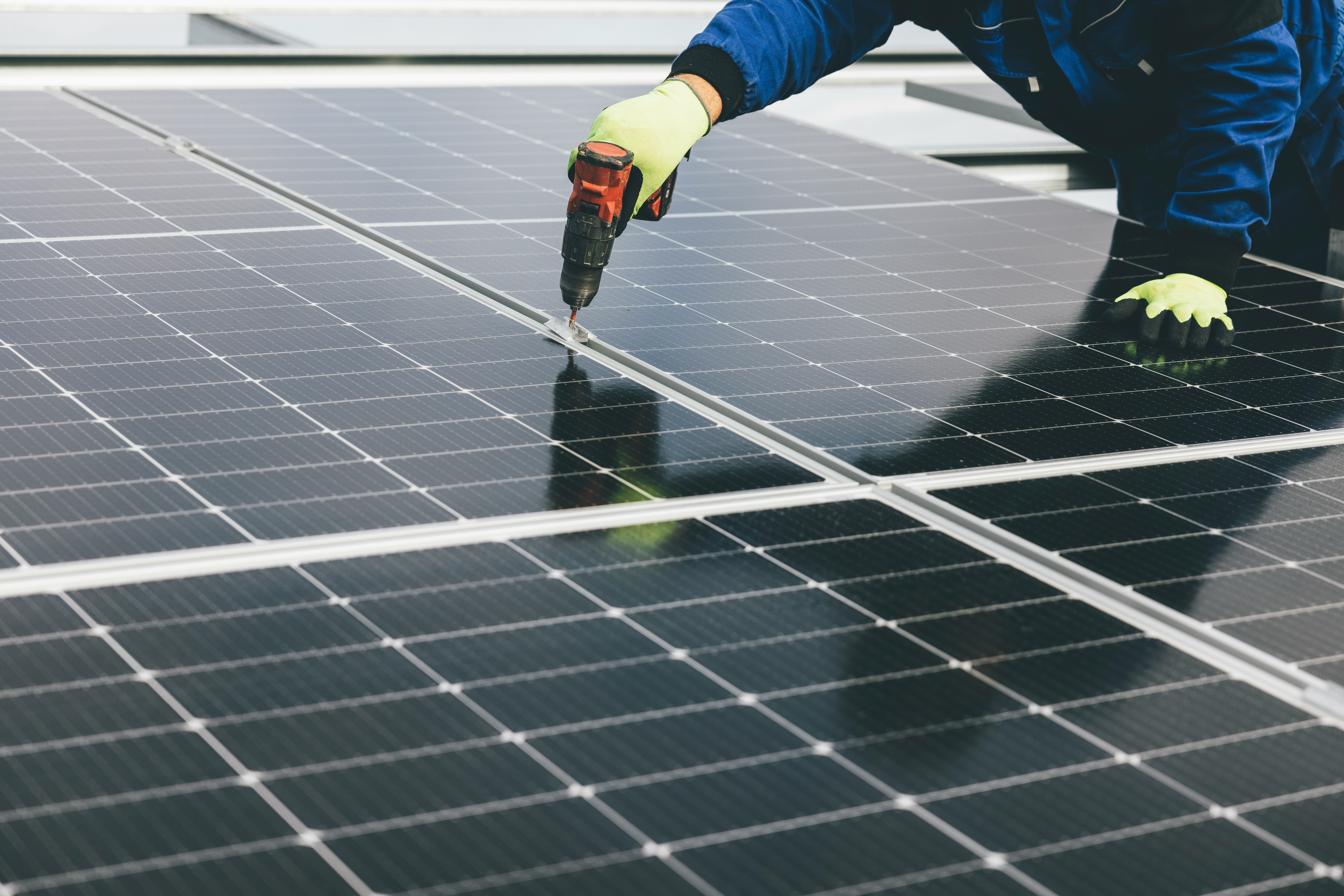
An Ambitious 100GW Renewable Energy Plan Risks Being Undermined by Excessive Separation Distance Requirements
Regional accountability strengthens the plan, but the separation distance decree could undermine it.
2026-07-07
Green Steel Standard Development in East Asia
Green Steel Standards Blog Series #2
2026-05-13

Explained: How LNGC Shipowners Fuel Harm Thousands of Miles Away
How the LNGC industry's weak environmental standards are destroying ecosystems and livelihoods
2026-05-13
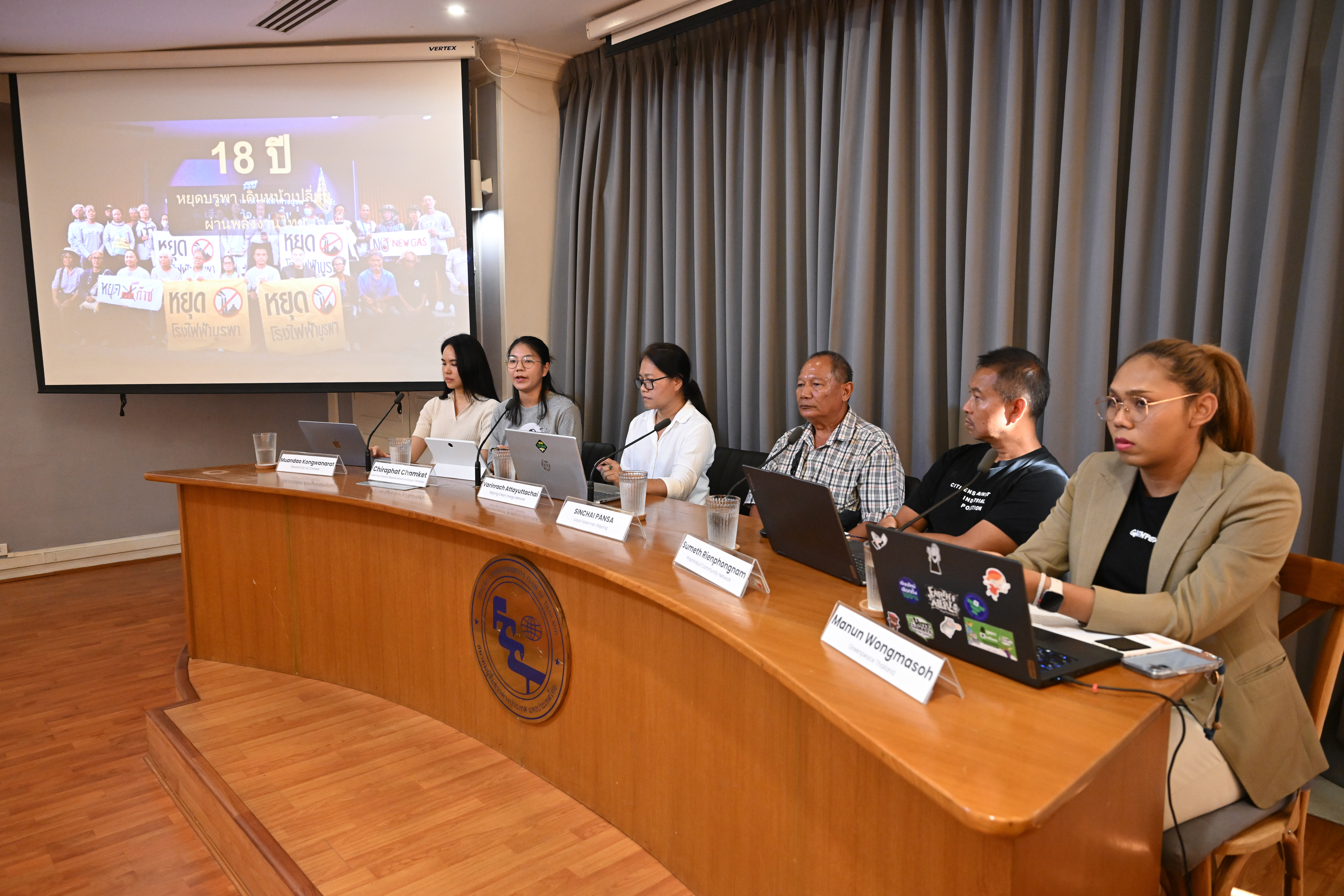
Miles to be Heard by Those Who Never Had to Live Downstream: UBS's Exposure to Thai Energy Projects Flagged at the AGM
Thai villager carried years of struggle to UBS's doorstep.
2026-05-11
Is 'Green Steel' Actually Green? Why Standards Matter
Green Steel Standards Blog Series #1
2026-04-30
Explained: The Public Finance Mechanisms Keeping the LNG Carrier Industry Afloat
How Government Funds are De-risking LNGC Expansion
2026-04-02
Explained: How Private Banks are Enabling LNG Carrier Expansion
How finance, not demand, is keeping the LNG carrier industry afloat
2026-03-09

Green Leadership or Green Lag? South Korea in a Regional Race
South Korea's 2035 NDC
2025-11-18
At a Crossroads: South Korea’s Energy Transition and the Role of Green Finance
From Global Insights to Local Action
2025-10-20

Hyundai Has a Chance to Lead Asia’s Auto Transition — But Time Is Running Out
Time is running out for Hyundai to match Its EV success with climate transparency
2025-09-23
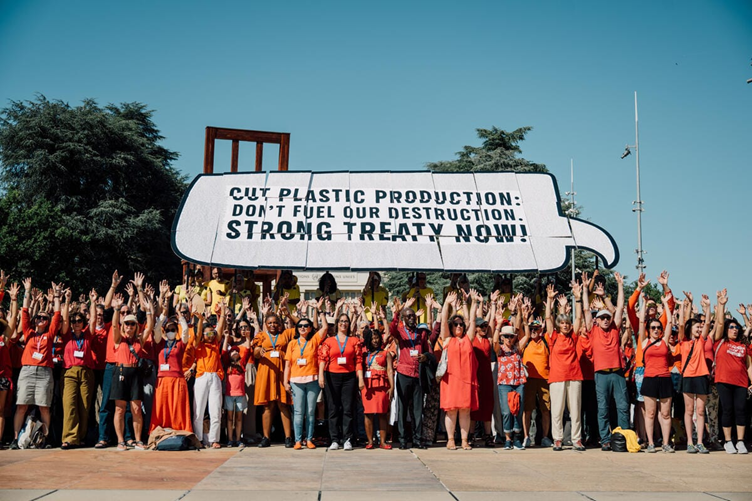
It’s Not Over ‘til it’s Over: Global Civil Society Says “No” to a Plastic-Filled Future
Amid collapsed global plastics treaty negotiations, civil society stays firm
2025-08-25

No New Bonds, But No Justice Either
KEPCO’s harm crosses borders. Its financiers have a choice to make.
2025-07-16

World Environment Day, June 5
#BeatPlasticPollution: A Climate Imperative
2025-06-05

Financing the Climate Crisis: South Korea’s Global Fossil Fuel Footprint
The Role of Public Financing Institutions in the Age of Climate Change
2025-06-04

Navigating the Blue Future: SFOC at the 2025 Our Ocean Conference
Busan, Korea (April 28 - 30, 2025)
2025-05-08

What South Korea’s Next President Must Do to Address the Climate Crisis
SFOC’s 10 Climate Solutions
2025-05-02

The World is Saying Goodbye to Coal. When Will Korea?
Finland and the UK are on the path to a complete coal phaseout. Will Korea be left behind?
2025-04-18

Green Promises, Dirty Money: The Silent Support Behind KEPCO’s Fossil Expansion
KEPCO’s Investors and Underwriters: Ignoring the Warnings, Enabling the Problem
2025-04-10

Retracing the Steps of the LNG Trade: Why Canada's First Nations Came to Korea
The LNG Boom is "Good News"...for Whom?
2025-03-13

South Korean “Green Premium”, Missing the Mark on Global Emissions Accounting Standards
Lack of transparency and credibility undermines renewable energy claims
2025-02-21

True Climate Impact of LNG Carriers
A comprehensive lifecycle emission analysis of LNG, enabled by LNG carriers
2024-10-11

Floating Pipelines Fuelling the Fossil Fuel Crisis: LNG Carriers
2024-09-01

Green Premium or Greenwashing?
Understanding South Korea’s RE100 challenges
2024-08-21

Samsung Electronics’ RE100 Ambitions and South Korea’s Yongin Semiconductor Cluster
A model for green tech or an Olympian energy struggle?
2024-08-09


