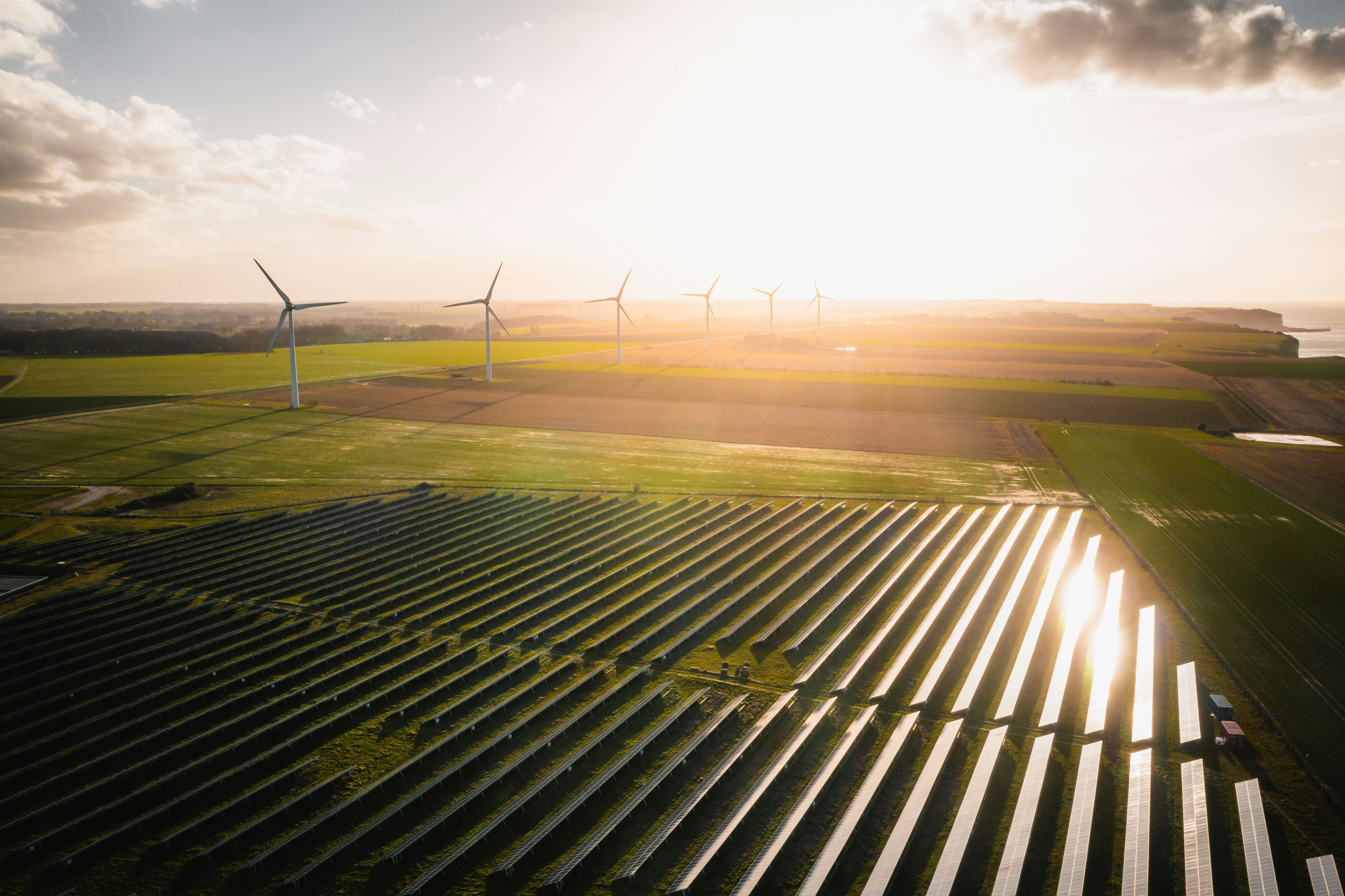
The new partnership signals a shift towards cooperation on clean energy and green industry, against a backdrop of longstanding coal and gas trade between South Korea and Australia.
To deliver genuine decarbonization, words must be backed by a real transition away from fossil fuels, including joining and implementation of the Clean Energy Transition Partnership (CETP).
November 18, 2026 (ANTALYA) – The governments of South Korea and Australia have signed a memorandum of understanding (MOU) to establish a bilateral decarbonization pathway to support the implementation of Nationally Determined Contributions (NDCs) and achieve net-zero greenhouse gas emissions by 2050. Announced at COP31, the MoU aims to connect Korean industrial demand with Australian clean energy and resources, while supporting investment in clean energy and the green economy.
We, the undersigned civil society organizations across South Korea and Australia, welcome the partnership as an opportunity to accelerate the transition away from fossil fuels in a bilateral relationship historically built on coal and gas.
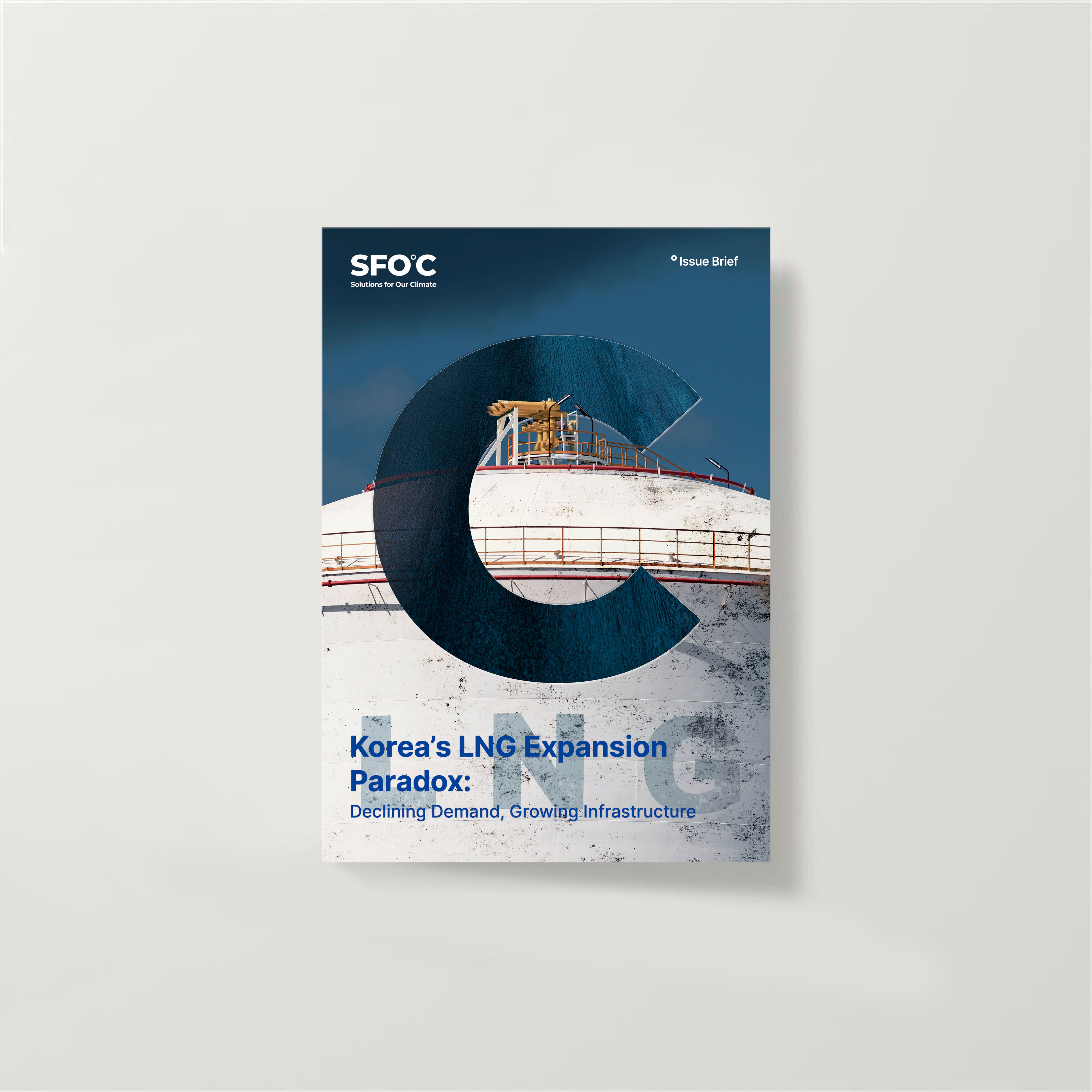
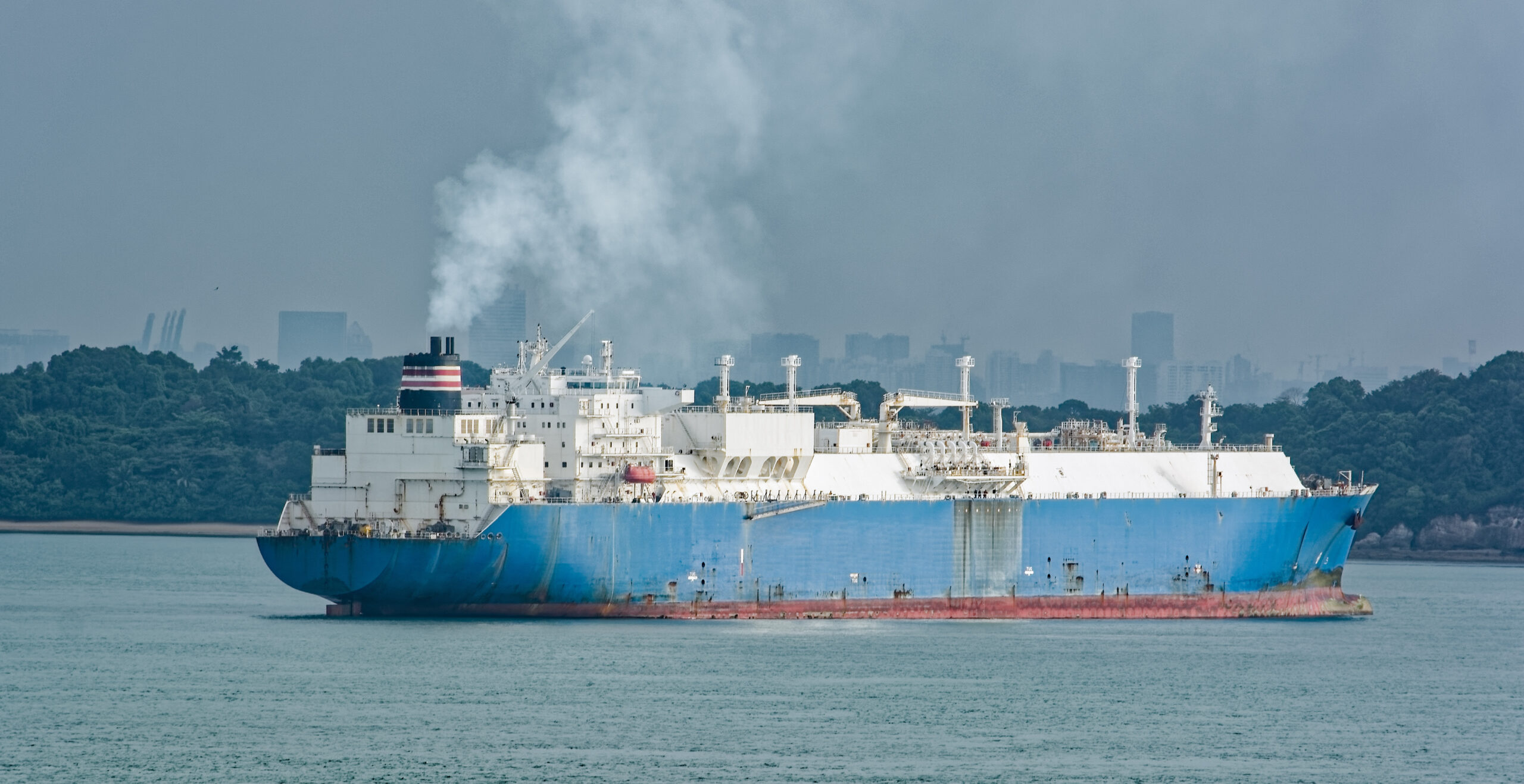
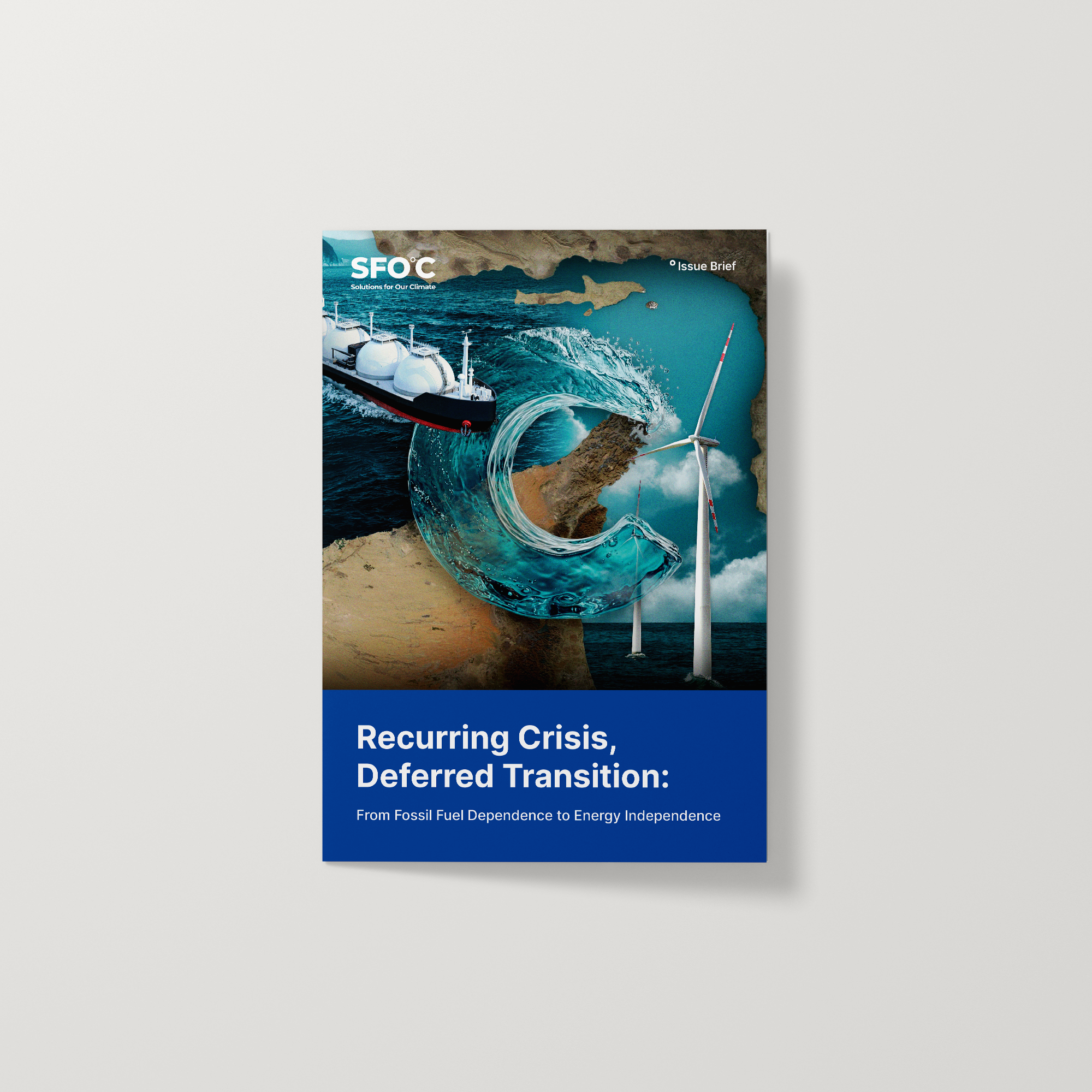
Australia was South Korea’s top supplier of liquefied natural gas (LNG) in 2025, exporting approximately 14.7 million tonnes, or 31% of its total LNG imports. Gas trade alone accounts for an estimated 48% of bilateral merchandise trade between the two countries. South Korean institutions have also invested in and provided public finance for coal and gas projects in Australia. Without a clear plan to reduce this dependence, the new partnership risks expanding clean energy cooperation without meaningful changes to the trade and reliance on fossil fuels.
Public finance must also move in the same direction. Both South Korea and Australia must end public financial support for fossil fuel projects, including by South Korea joining the Clean Energy Transition Partnership and Australia ending domestic subsidies for the coal and gas industry.
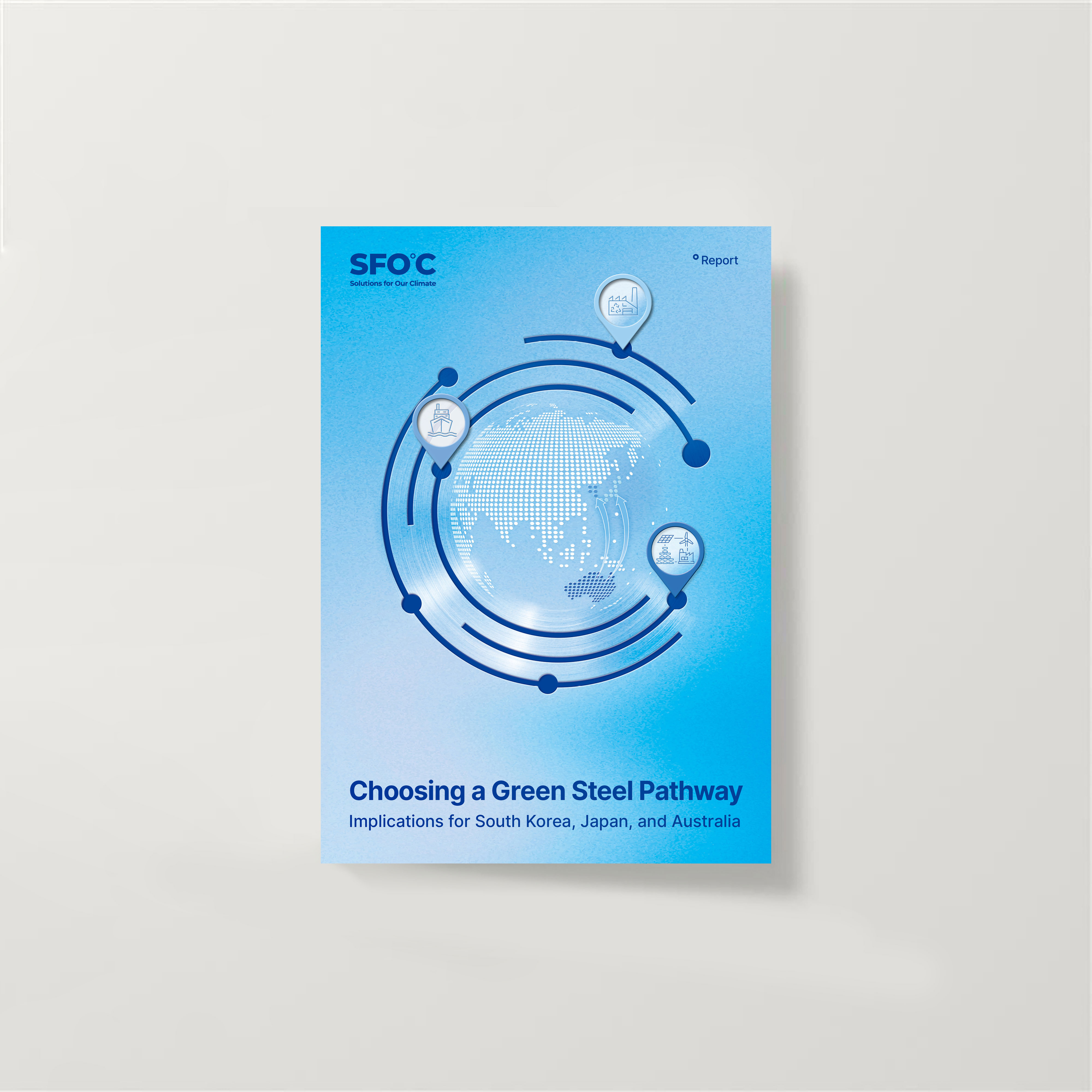
Practical cooperation in clean industry and green shipping must deliver measurable emissions reductions
As bilateral cooperation takes shape, the standards guiding it matter just as much as the areas of cooperation themselves. The two countries are pursuing initiatives on green industries, hydrogen certification, clean energy supply chains, clean fuels and steel. These efforts must be grounded in rigorous and transparent definitions of what counts as “clean” and “green”, ensuring that fossil-fuel-dependent technologies or unsustainable feedstocks are not misrepresented.
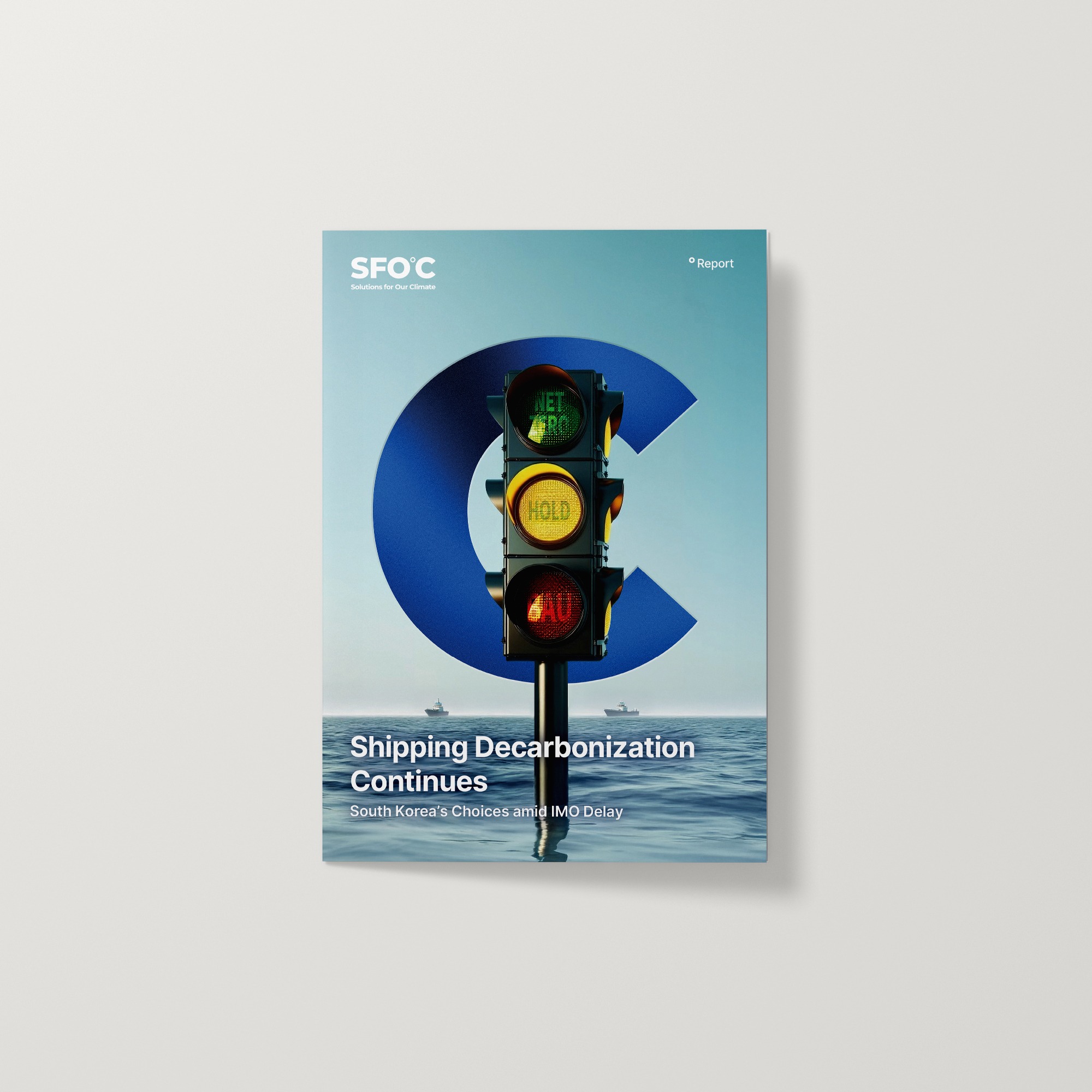
With South Korea's Green Shipping Corridor Act set to take effect in April 2027, the Korean government should use the new framework ambitiously to accelerate the deployment of zero- and near-zero-emission shipping. South Korea and Australia should strengthen support for sustainable fuel uptake, enabling infrastructure, vessel deployment and financing, backed by robust lifecycle emissions and sustainability criteria to ensure real and measurable emissions reductions across green industries.
Civil society must have a voice in shaping the partnership
We welcome the MoU’s commitment to institutionalize a Track 1.5 dialogue to guide implementation of the new partnership. But this must not be limited to government and industry. Civil society and youth from both countries must have a meaningful role in shaping these standards and holding both governments accountable for their implementation.
The next steps on the decarbonization pathway
We look forward to working with the governments of South Korea and Australia to implement the MOU. As next steps, they should:
Support the Transition Away from Fossil Fuels Roadmap: Set clear targets and timelines for phasing out the Australian-Korean coal and gas trade, and ending exploration and development of new fossil fuels by the 2nd International Conference on the Just Transition Away from Fossil Fuels to be hosted by Tuvalu in 2027.
End public support for fossil fuels: Stop new public financing for overseas fossil fuel projects and redirect financial support towards renewable energy and clean industries. As a member of the Clean Energy Transition Partnership, Australia should work to ensure South Korea joins the initiative.
Establish credible green standards: Set independently verified emissions standards and interoperable criteria across green industrial products.
Secure real industrial investment: Connect the decarbonization partnership with concrete investment, long-term demand, and commercial deployment of genuinely low-emission technologies.
Prioritize renewable energy: Accelerate renewable energy deployment, grid reform, industrial electrification, and renewable hydrogen production.
Prioritize clean energy, community, and civil society participation: Work with civil society to design and inform the scope of the Track 1.5 dialogue ahead of an inclusive inaugural session in 2027.
November 18, 2026
Solutions for Our Climate (SFOC)
Climate Action Network Australia
Greenpeace Australia Pacific
WWF-Australia
Greenpeace East Asia Seoul Office
ENDS.
Solutions for Our Climate (SFOC) is an independent nonprofit organization that works to accelerate global greenhouse gas emissions reduction and energy transition. SFOC leverages research, litigation, community organizing, and strategic communications to deliver practical climate solutions and build movements for change.
For media inquiries, please reach out to:
Yan Liang, International Communications Officer, Solutions for Our Climate (SFOC), yan.liang@forourclimate.org
Andrea Leung, Head of Communications, Solutions for Our Climate (SFOC), andrea.leung@forourclimate.org
Share this insights