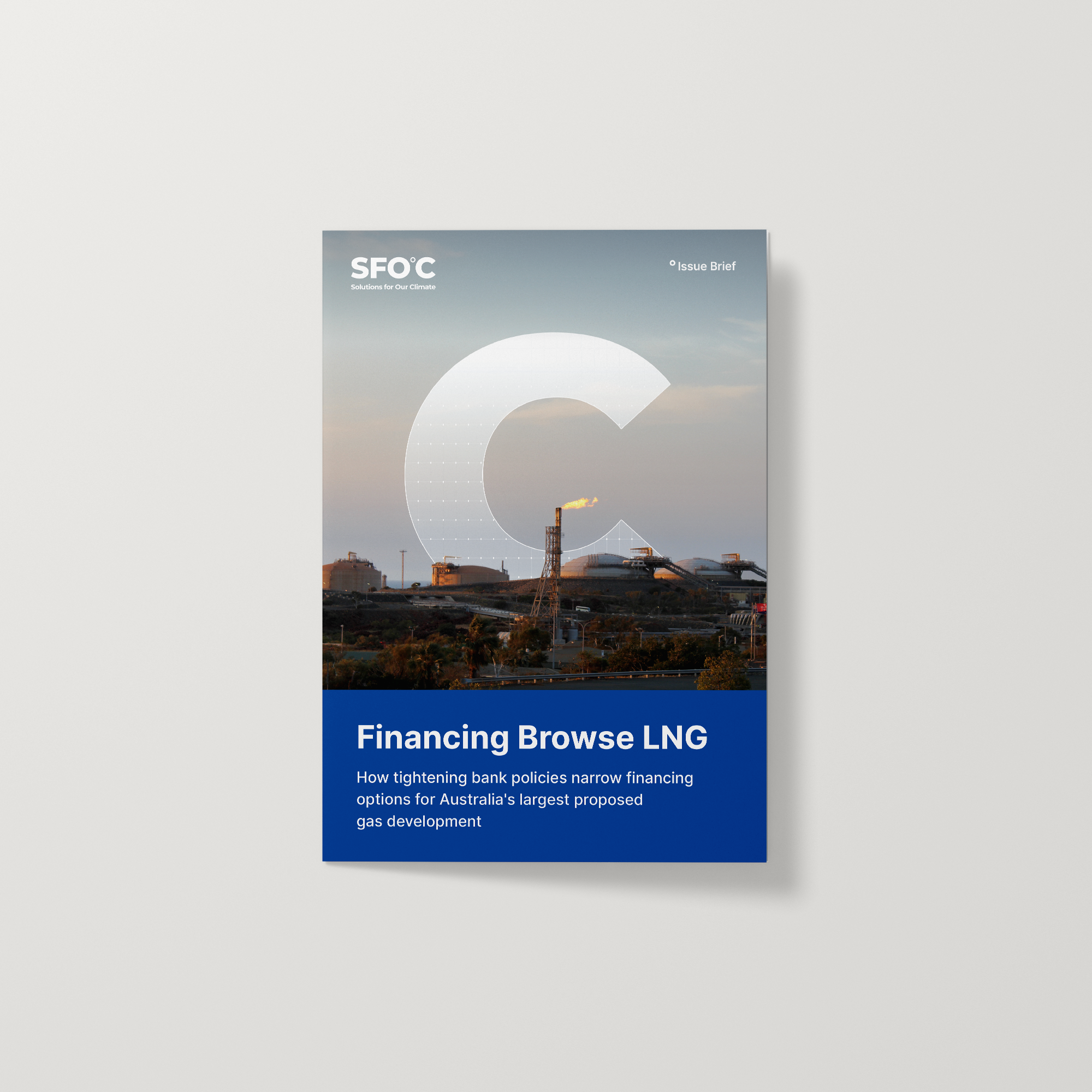
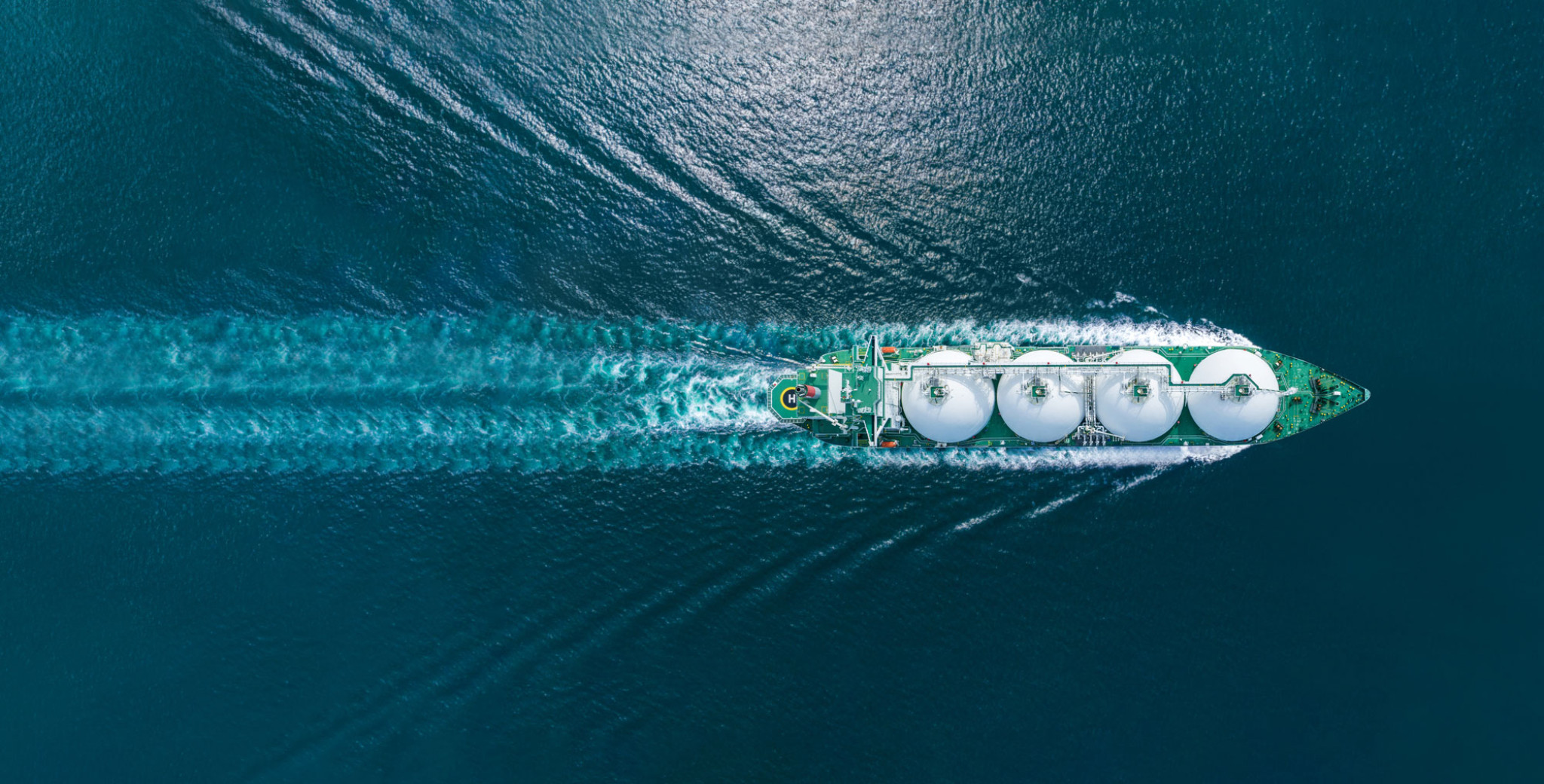
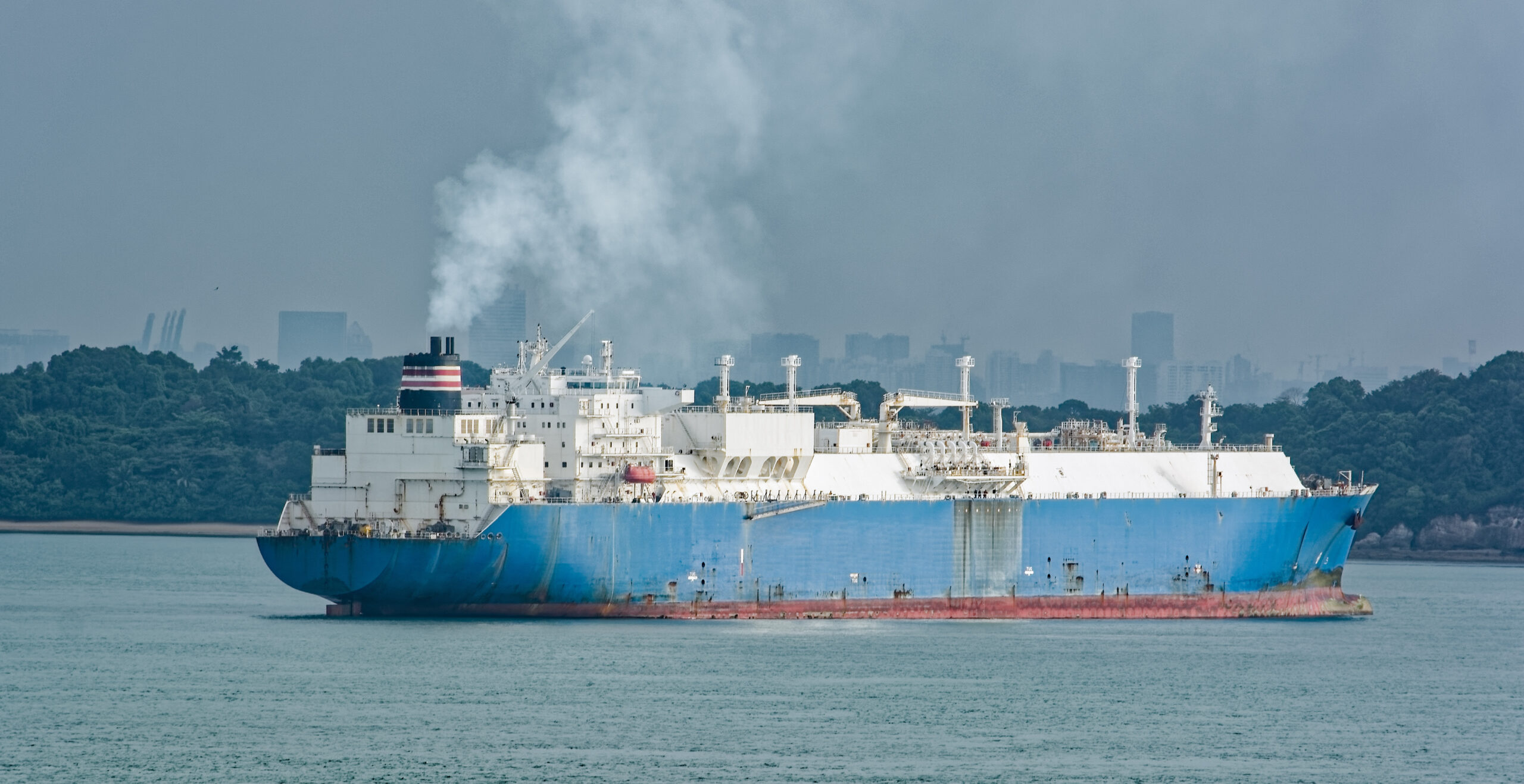
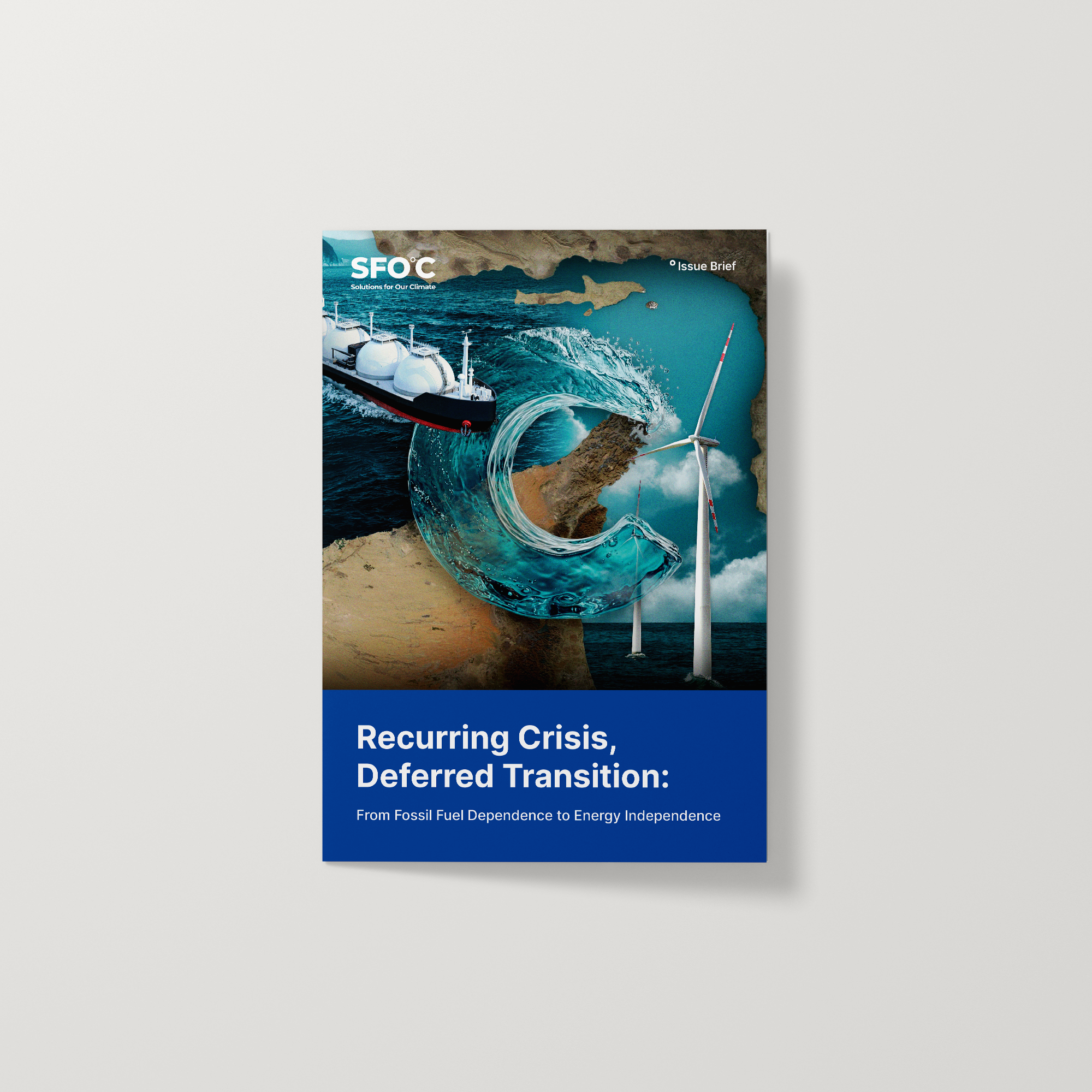
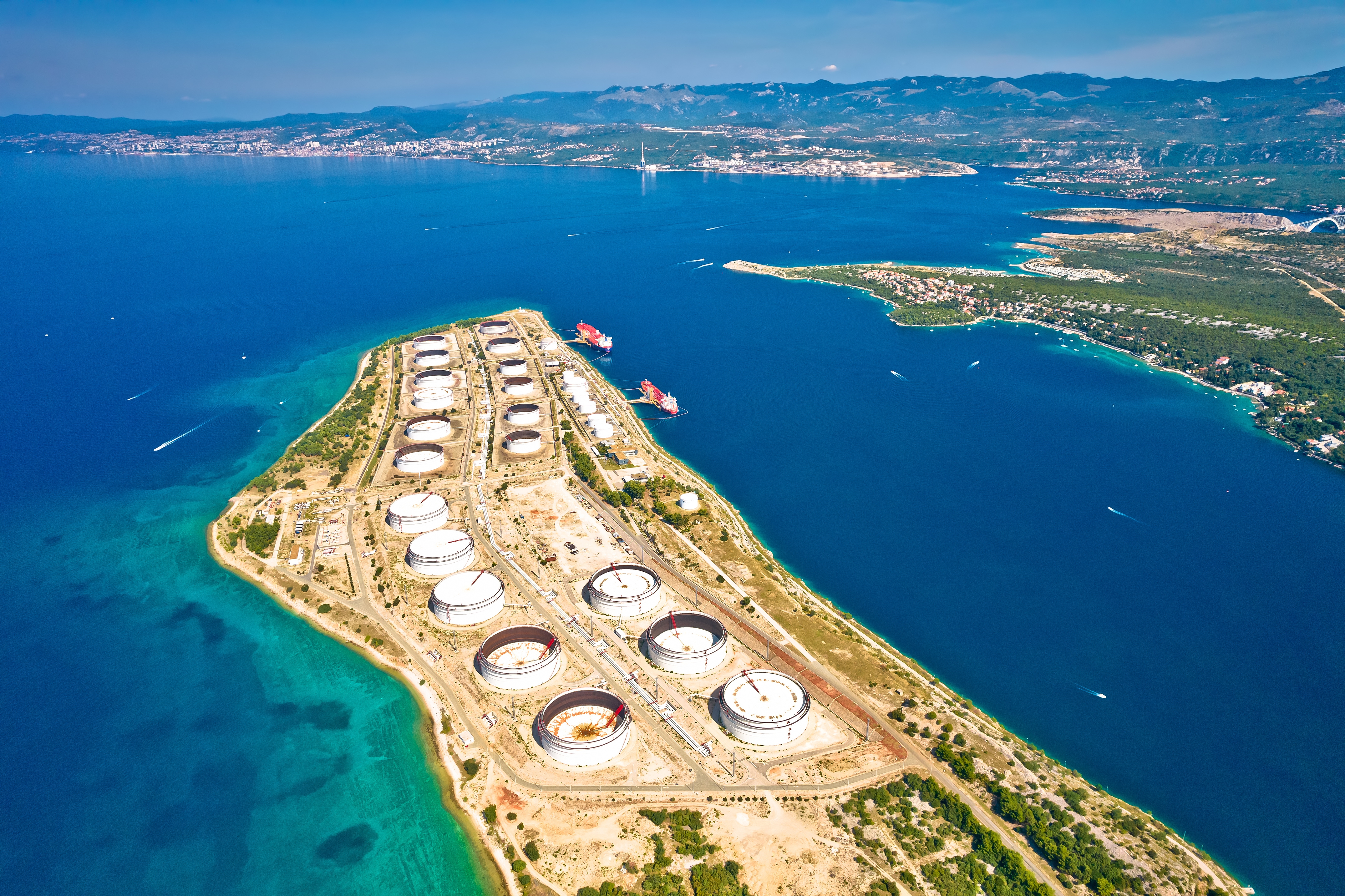
November 20, 2026 (SEOUL/TOKYO) – A report released by Western Australia’s (WA) Legislative Assembly on November 19 backs a continued role for liquefied natural gas (LNG) in trade with Asia, even as two of the state’s largest LNG customers, South Korea and Japan, plan to reduce their reliance on the fuel. Solutions for Our Climate (SFOC) warns WA risks missing growing opportunities in renewable-powered green iron if it continues to prioritize LNG exports over the industries shaping Asia’s clean energy transition.
The report “Beyond Dig and Ship” argues that LNG has “an important transition role” to play in decarbonizing Asia. It also supports green iron development, but fails to clearly distinguish genuinely green iron from lower-emissions iron produced using natural gas.
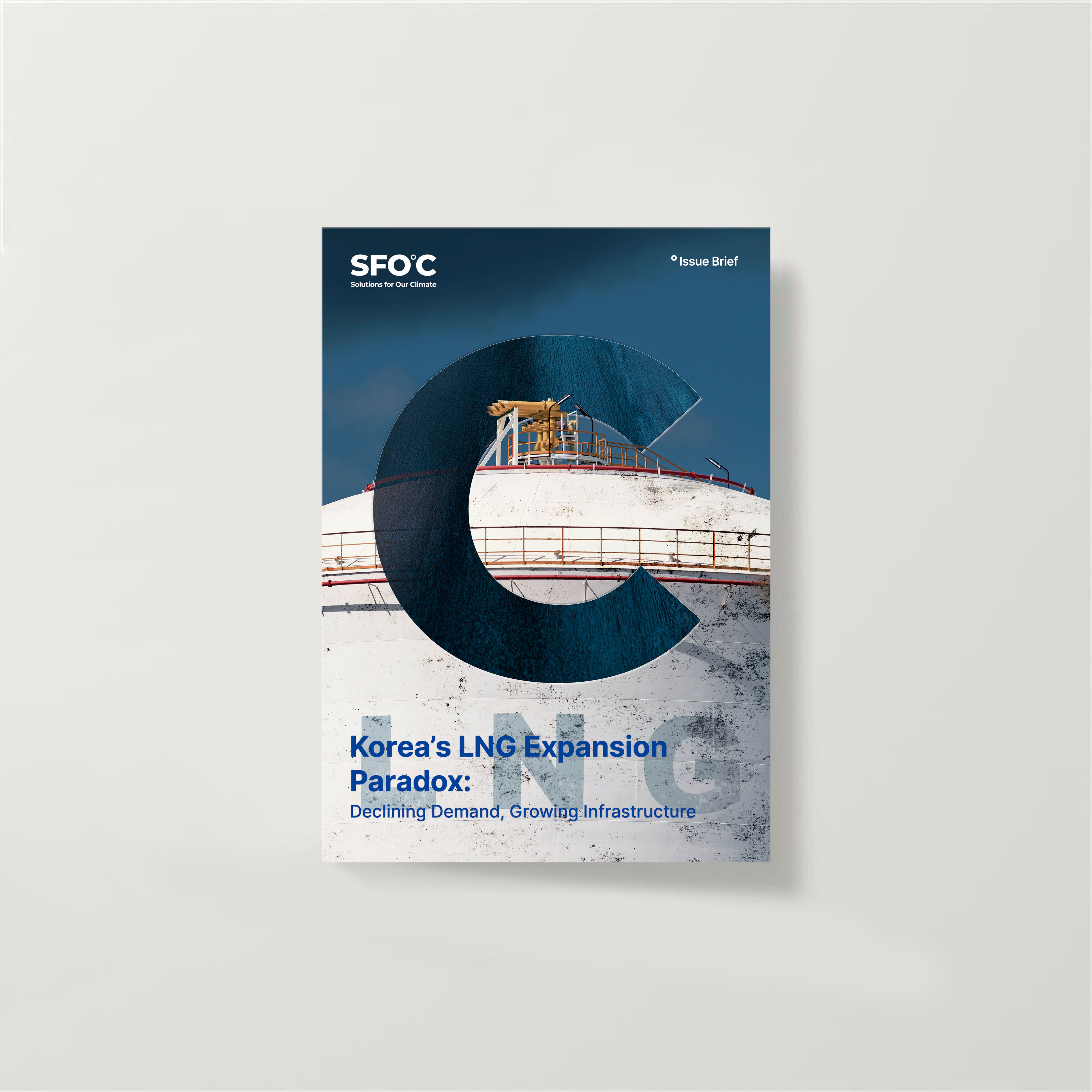
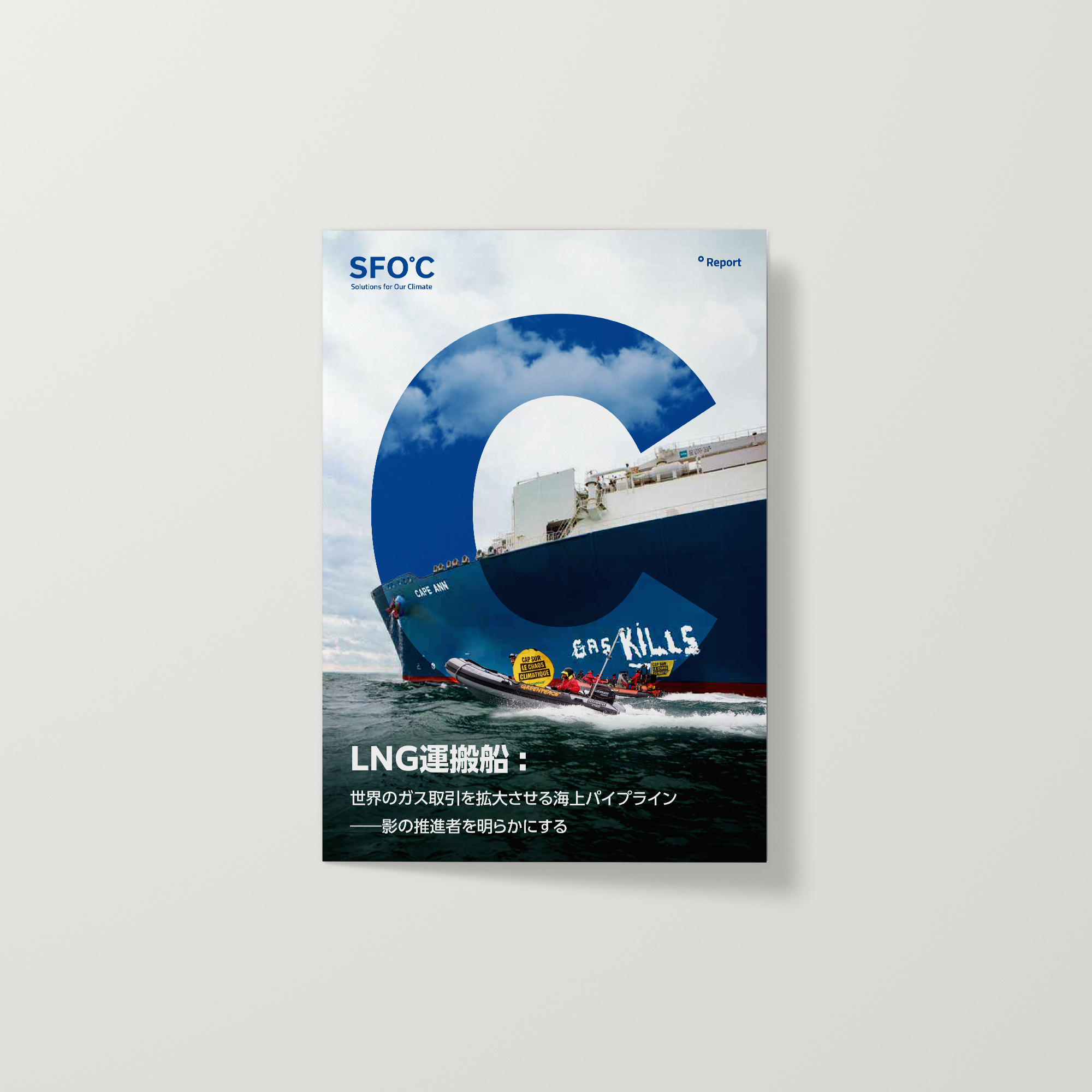
While South Korea and Japan took nearly 60% of WA’s LNG exports in 2025, both countries are increasingly focused on reducing dependence on imported fossil fuels rather than replacing one with another.
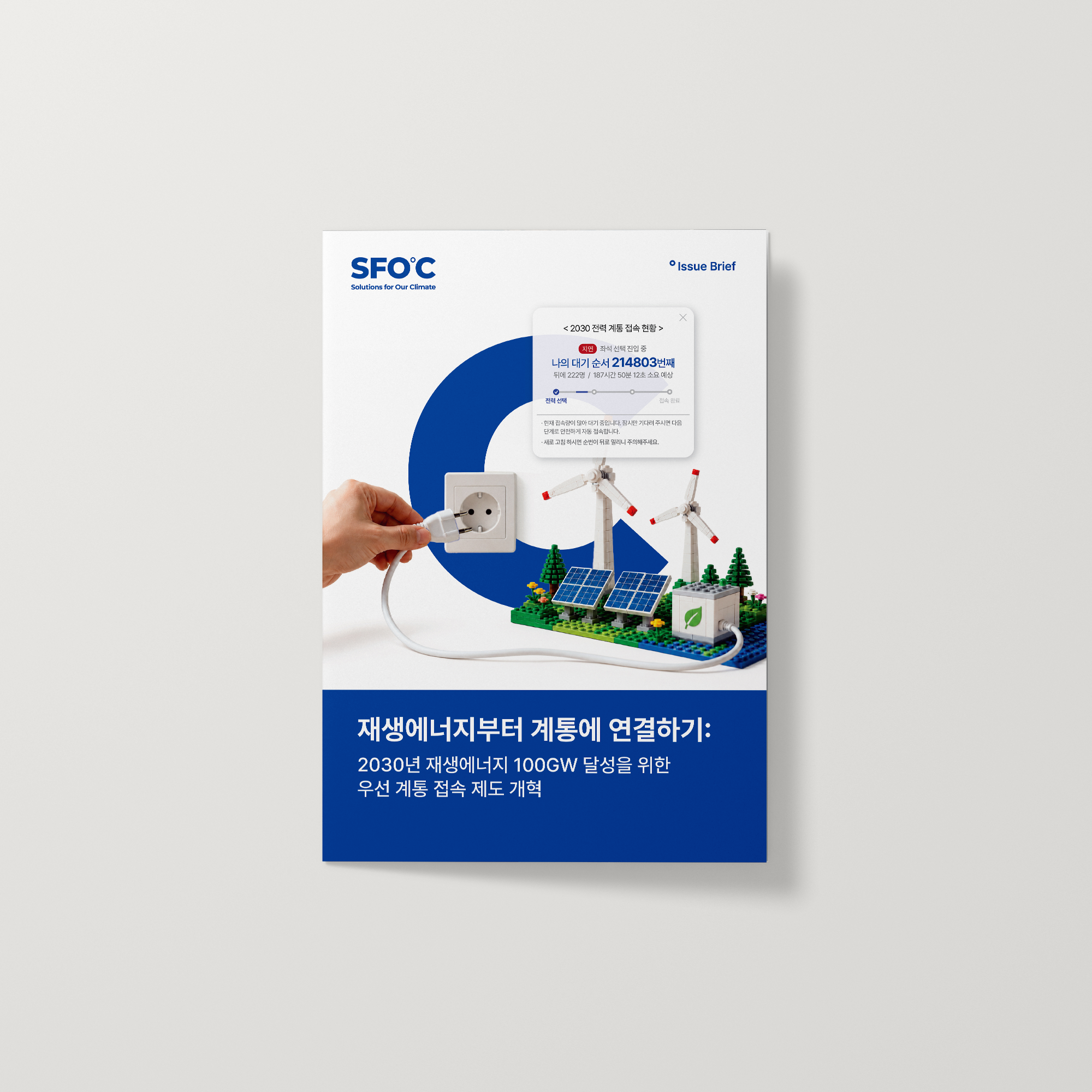
South Korea is planning for less gas. Its 16th Long-Term Natural Gas Supply and Demand Plan projects gas demand peaking around 2032 and falling about 11% by 2038. The 11th Basic Electricity Plan also cuts gas's share of power generation from 26.8% to 10.6% by 2038, while the new K-GX strategy targets 100 GW of renewables by 2030.
Japan’s domestic LNG consumption has fallen by nearly 20% since 2018, leaving Japanese companies with long-term contracts that commit to purchasing more LNG than the domestic market requires. As these companies increasingly position themselves as major regional gas traders, around 40% of the LNG they handle is now sold outside Japan.
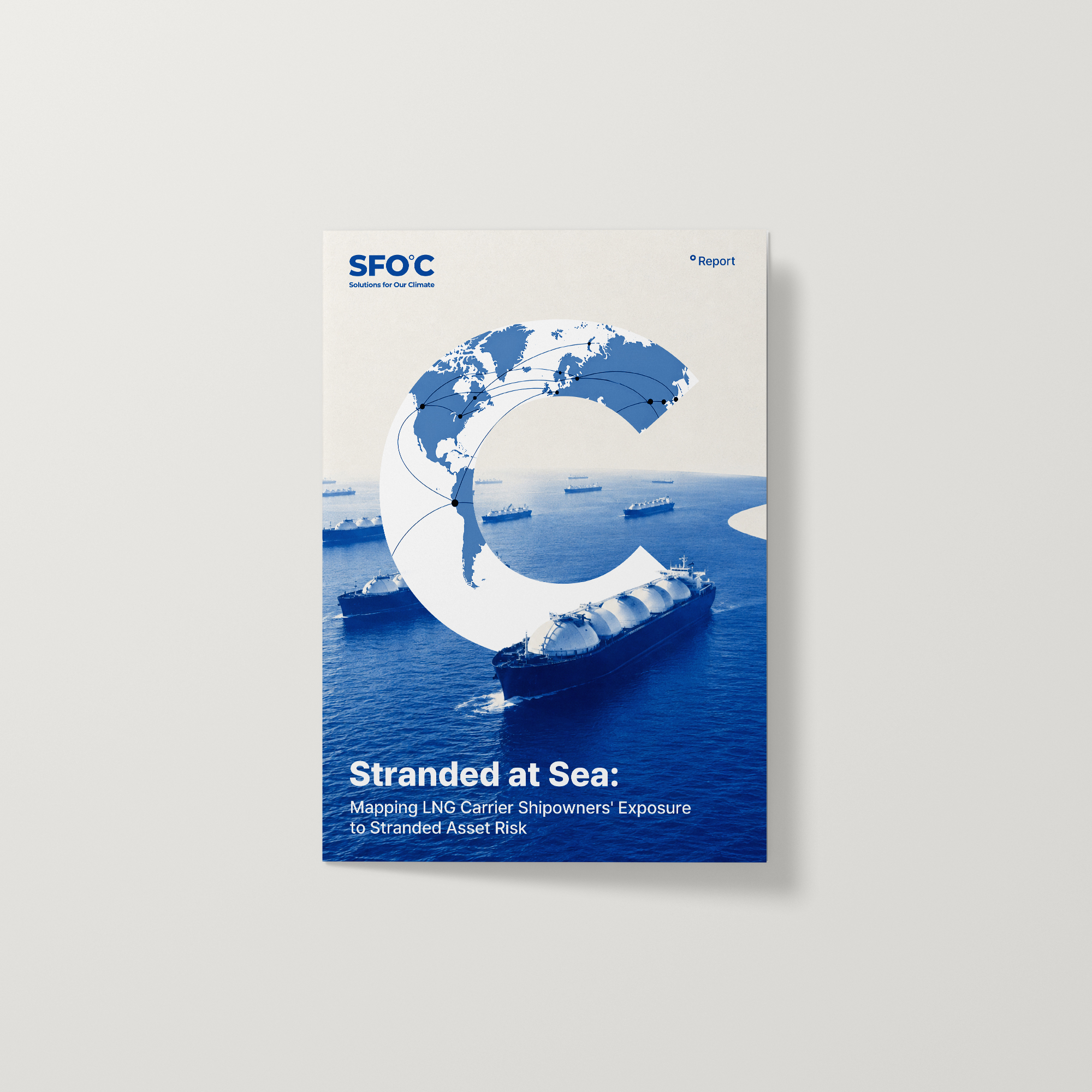
Betting on growing Asian LNG demand therefore puts WA at significant financial risk. Gas imports leave Asian buyers exposed to price volatility, geopolitical disruptions and long-term fossil fuel commitments, while WA LNG will face growing competition in an increasingly oversupplied market. If demand fails to materialize, the state risks being left with stranded infrastructure and lost revenue.
The report also identifies ammonia co-firing in Korean and Japanese coal plants as a potential market for WA ammonia. South Korea, however, excluded coal–ammonia co-firing from its clean hydrogen power auction in June 2026; later in July, Japan halved the budget for ammonia co-firing in its Green Innovation Fund.
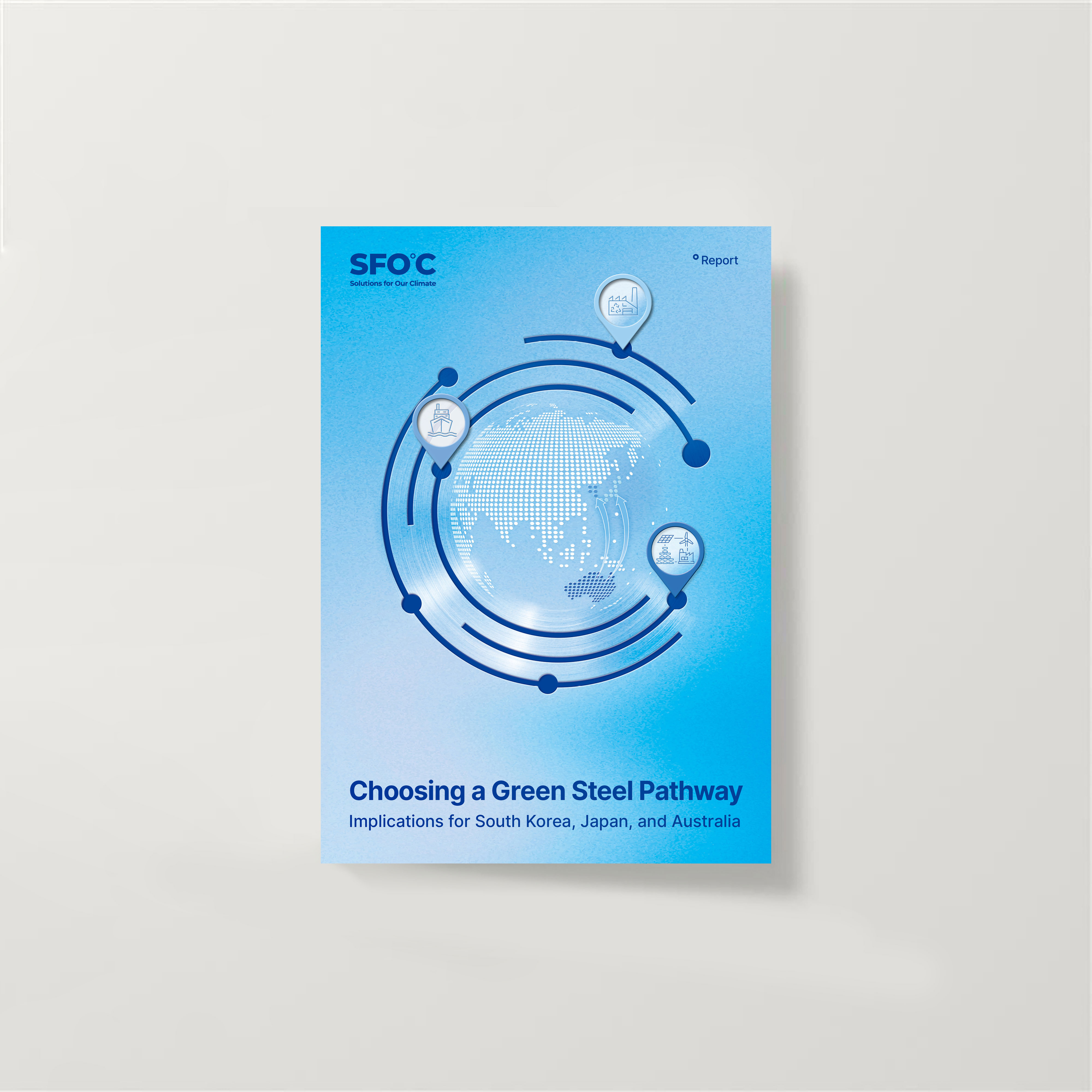
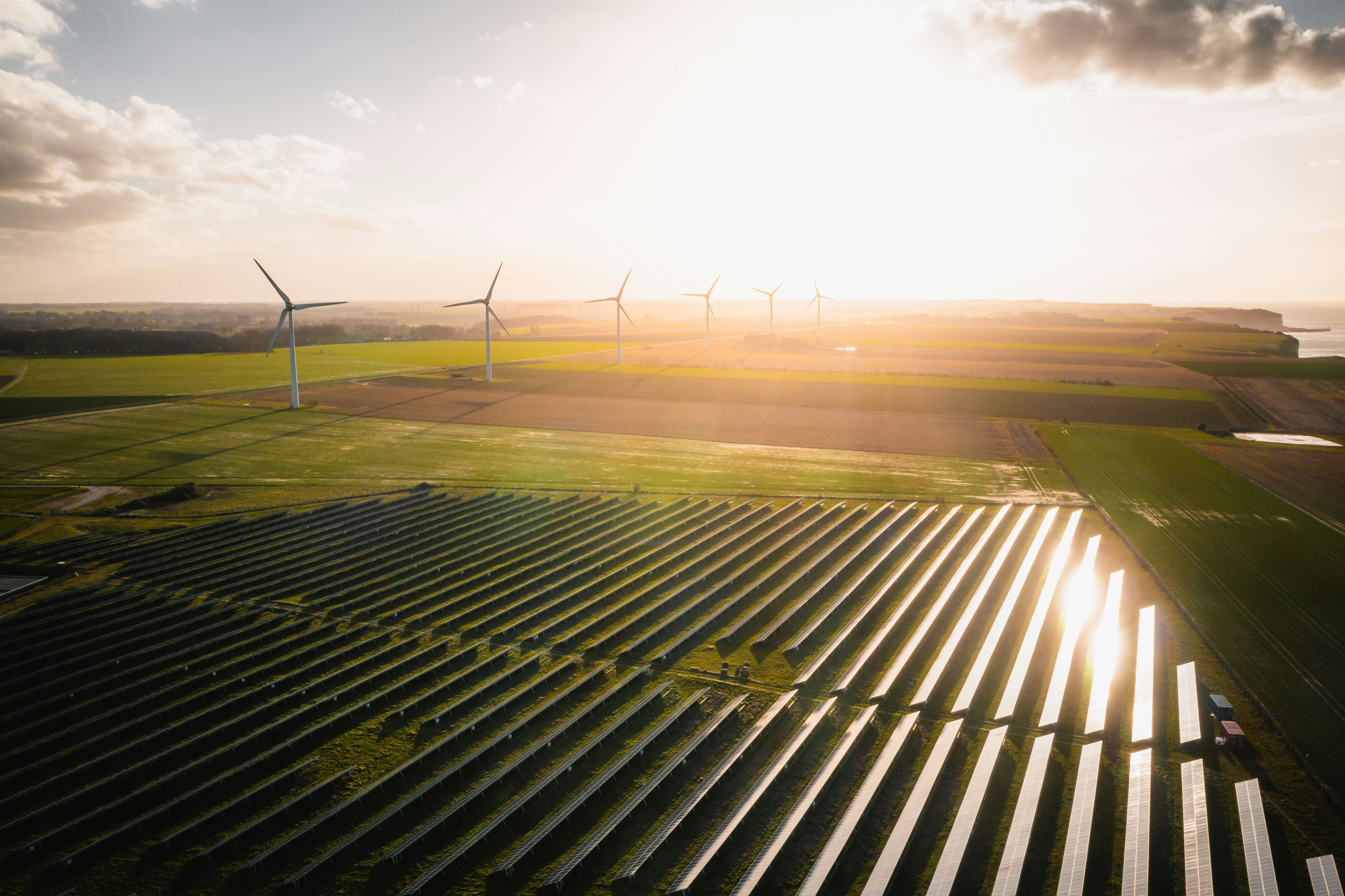
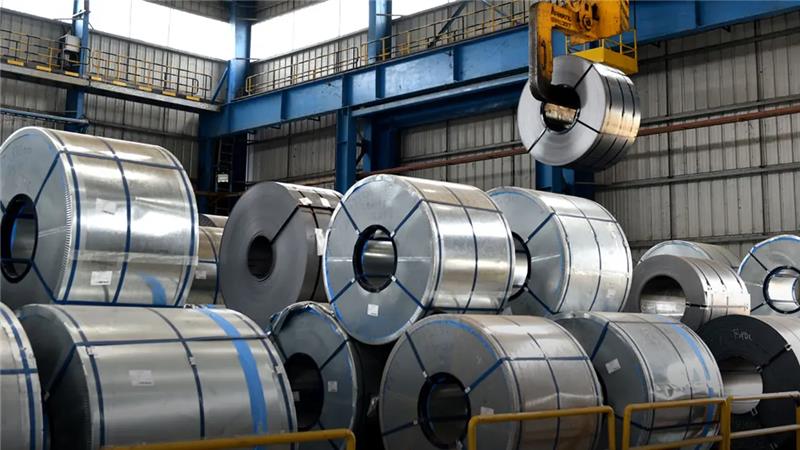
Green iron is WA’s real opportunity, but only if it is produced using renewable hydrogen from the beginning. With abundant renewable energy and iron ore resources, WA is well positioned to supply green iron to Asian steelmakers seeking to transition away from coal-based blast furnaces. But the report blurs the distinction between “lower-emissions iron” and genuinely green iron, which leaves the door open for gas-based iron to carry the green label. Relying on gas infrastructure with the promise of a future switch to renewable hydrogen risks locking in fossil fuel use and delaying the industry’s decarbonization. As competition among suppliers intensifies, WA must bring genuinely green iron to market quickly to secure Asian buyers.
Just two days before the report was tabled, Australia and South Korea signed a memorandum of understanding (MoU) at COP31, recognizing the need to transition away from fossil fuels and committing to build a bilateral decarbonization partnership around clean energy and green industry. The WA report pulls in the opposite direction.
WA’s real opportunity lies in renewable-powered green iron, not in doubling down on gas. Seizing it means aligning LNG export plans with declining demand projections, holding “green” products to rigorous standards, and directing public investment towards renewable energy, electrolysers and green iron from the outset. Asia’s energy transition is already underway. The question is whether WA moves with it or gets left behind.
ENDS.
Solutions for Our Climate (SFOC) is an independent nonprofit organization that works to accelerate global greenhouse gas emissions reduction and energy transition. SFOC leverages research, litigation, community organizing, and strategic communications to deliver practical climate solutions and build movements for change.
For media inquiries, please reach out to:
Yan Liang, International Communications Officer, yan.liang@forourclimate.org (Seoul)
Cody Williams, International Communications Officer, cody.williams@forourclimate.org (Tokyo)
Share this insights