Filing raises concerns that LNG carrier financing has proceeded without adequate environmental and human rights due diligence.
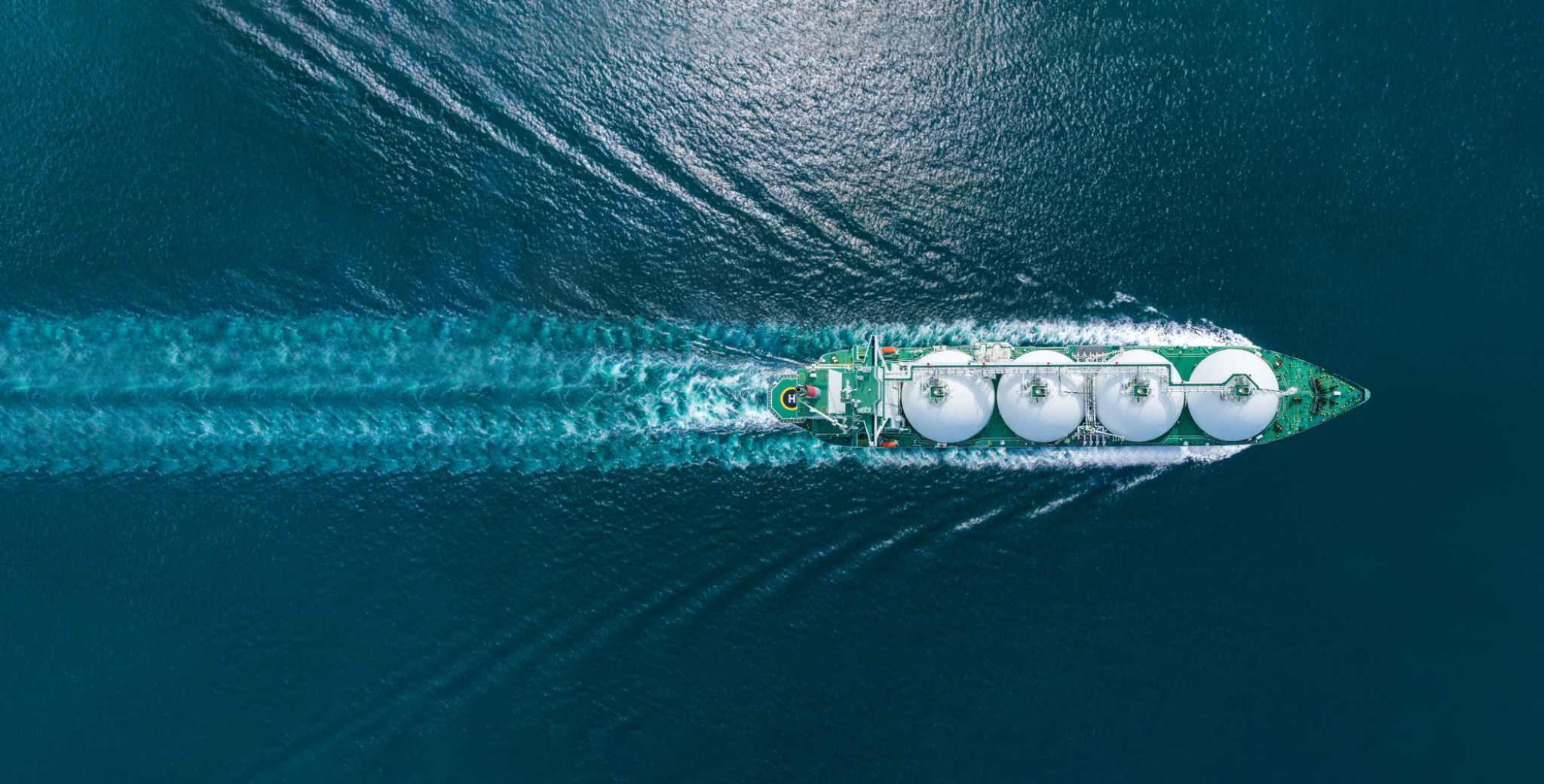
April 7, 2026 (SEOUL) – Solutions for Our Climate (SFOC) has filed a complaint to the Korean National Contact Point (NCP) under the OECD Guidelines for Multinational Enterprises, marking the first case targeting public financial institutions over their support for LNG shipping.
The complaint names major Korean public financial institutions, including the Export–Import Bank of Korea (KEXIM), Korea Development Bank (KDB), and Korea Trade Insurance Corporation (K-SURE), as respondents. Over the past decade, KEXIM alone has provided KRW 41.3 trillion (USD 27 billion) in financing support, including loans and guarantees for LNG carriers.
However, this long-term support has consistently failed to meet the responsibilities for environmental impact, human rights due diligence, and climate targets.
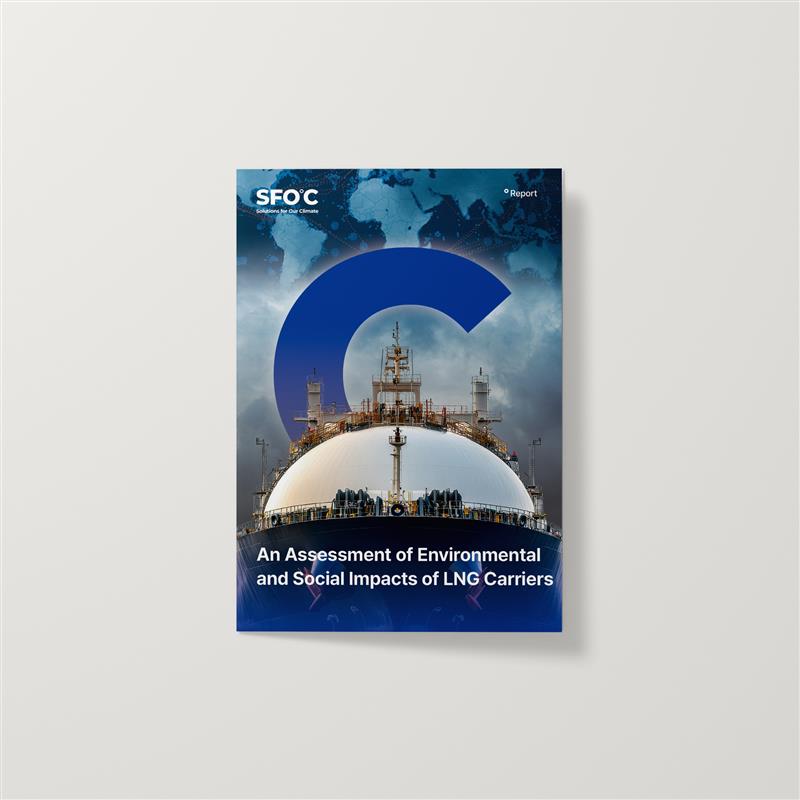
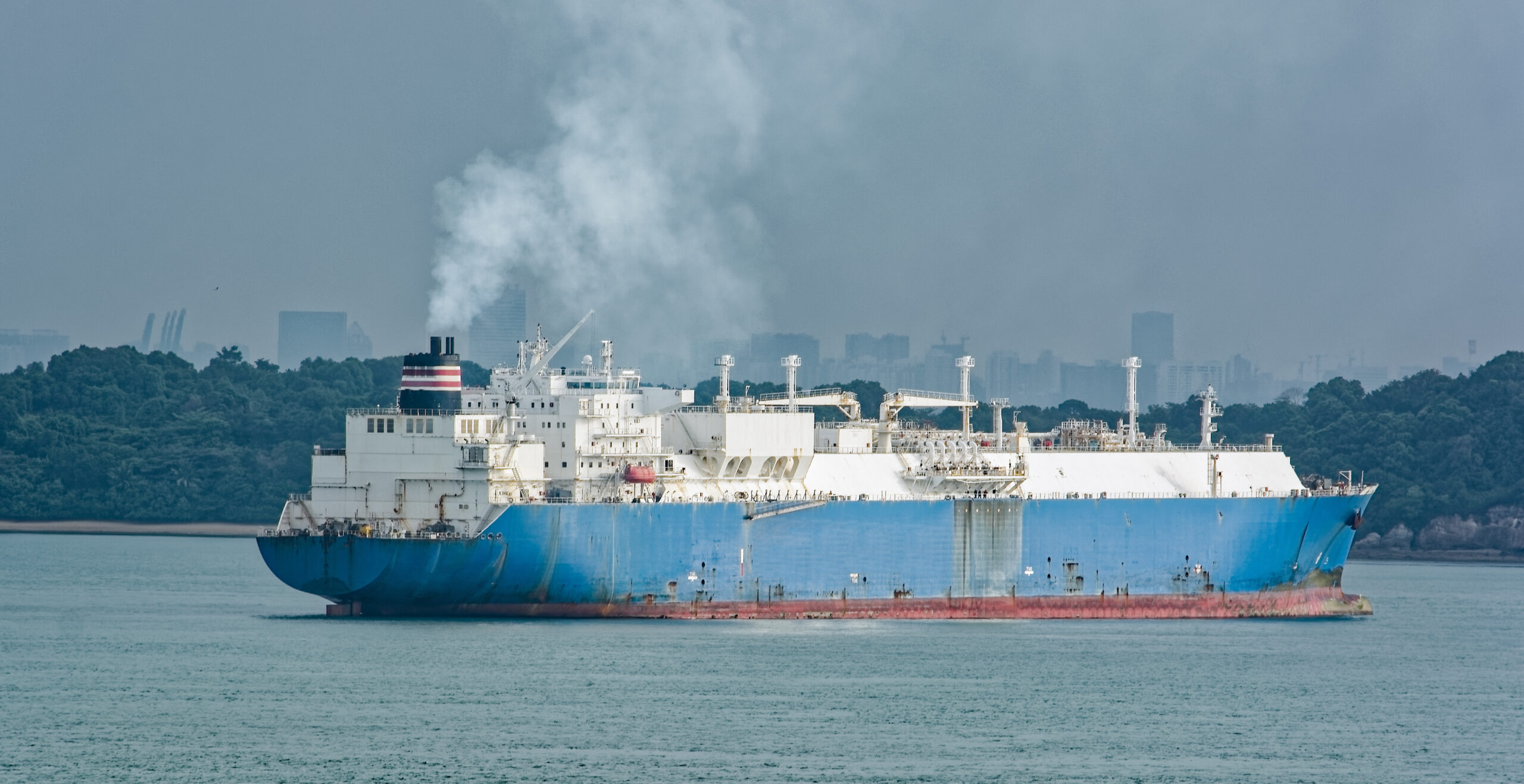
According to SFOC research, LNG carriers are associated with a range of overlooked environmental impacts. These include methane slip from dual-fuel marine engines, underwater noise pollution affecting marine mammals, ballast water discharge introducing invasive species, and collision risks in biodiversity-rich coastal waters.
One of the regions most affected by LNG carrier traffic is the Verde Island Passage in the Philippines, often referred to as the “Amazon of the Sea.” The marine corridor hosts approximately 60% of the world’s known coastal fish species and more than 300 coral species. Increased LNG shipping in the area contributes to marine pollution through methane leakage, carbon emissions from ship engines, and underwater noise that disrupts marine life.
Environmental damage linked to LNG shipping is also harming local communities. Fishermen operating in the Verde Island Passage have reported declining fish stocks as shipping traffic increases. Meanwhile, the expansion of LNG-related infrastructure poses potential health risks for nearby populations, including respiratory and cardiovascular diseases. Local communities have not been adequately informed or consulted, and proper consent procedures have not been followed in the expansion of LNG carrier operations.
SFOC argues that financiers behind LNG carriers have failed to conduct adequate environmental and social due diligence before providing ship finance. This includes the absence of lifecycle climate impact assessments and cumulative supply chain risk evaluations.
Under the OECD Guidelines for Multinational Enterprises on Responsible Business Conduct, financial institutions are expected to identify environmental and social risks linked to their investments, including greenhouse gas emissions, biodiversity impacts, and stranded asset risks.
SFOC alleges that Korean public financial institutions have failed to meet these standards, and therefore, requested the Korean NCP to initiate mediation and ensure that the institutions comply with OECD responsible business conduct guidelines.
Meanwhile, SFOC calls on Korean public financial institutions to take the following measures:
● Cease new financial support for LNG carriers and adopt conditional financing policies
● Establish rigorous environmental and human rights due diligence frameworks for ship finance
● Introduce stronger protections for communities affected by LNG shipping and related infrastructure
● Improve transparency in financial disclosures related to LNG carrier investments
● Develop decarbonization strategies for existing shipping finance portfolios
Rachel Eunbi Shin, Lead of Energy Supply Chain & Shipbuilding at Solutions for Our Climate (SFOC), said, “Korea builds nearly 80% of the world’s LNG carriers, and its public financial institutions have channelled tens of billions of dollars into this sector — yet without ever assessing the environmental and human rights costs these vessels generate. This is not just an environmental failure, it is a financial one. When public finance ignores climate and biodiversity risks, it misprices assets, exposes taxpayers to stranded asset liabilities, and distorts the market for responsible operators. Proper due diligence is not a burden on the industry — it creates a fair and level playing field where environmental costs are accounted for. This complaint is about bringing LNG carrier financing out of a regulatory blind spot and into line with the international standards Korea has committed to uphold.”
Gwen Jones, Founder of Climate Conversation Brazoria County and Member of the Gulf South Fossil Finance Hub, said, “LNG carriers carry higher rates of asthma, lung disease, cardiovascular disease, and cancer into the US Gulf South. Our communities suffer from the destruction of local ecosystems and erasure of history and culture due to the lack of due diligence conducted before financing these carriers. The Gulf Hub supports the OECD NCP complaint exposing the lack of Environmental Impact Assessment for LNG carriers.”
James Hiatt, Director of For a Better Bayou, said, “LNG carriers are dramatically impacting the shrimp and sea life that Southwest Louisiana fishermen and their families depend on for their livelihoods. The massive wakes erode our banks, the noise disrupts migration in our waters, and the catches keep declining. When fishing communities lose their income, the whole community suffers. For a Better Bayou supports the OECD NCP complaint highlighting the lack of Environmental Impact Assessment for LNG carriers because what's happening to our bayou and our people cannot keep being ignored.”
ENDS.
Read the full complaint here:
Solutions for Our Climate (SFOC) is an independent nonprofit organization that works to accelerate global greenhouse gas emissions reduction and energy transition. SFOC leverages research, litigation, community organizing, and strategic communications to deliver practical climate solutions and build movements for change.
For media inquiries, please reach out to:
Yan Liang, International Communications Officer, yan.liang@forourclimate.org
Share this insights
![[SFOC] Hidden Methane Emissions, Tangible Economic Costs: Lost Fuel Value and Heatwave-Related Climate Damages from Korea’s Imported Fossil Fuel Supply Chains](https://content.forourclimate.org/images/research/GbNyzaf.jpg)







![[Brief] South Korea’s international public finance continues to block a just energy transition](https://content.sfoc.tapahalab.com/images/research/RC5Kime.jpg)
![[Report] Achieving Net Zero in International Shipping through Korea-US-Japan Green Shipping Corridor](https://content.sfoc.tapahalab.com/images/research/s11Jime.jpg)


![[Report] The Inconsistent 'Coal-Free Pledge' of Korea's National Pension Service](https://content.sfoc.tapahalab.com/images/research/VcDPdme.jpg)


![[토론회] 한국형 녹색분류체계(K-Taxonomy), 무엇이 녹색경제활동인가](https://content.sfoc.tapahalab.com/images/research/bn8jdme.jpg)
![[이슈 브리프] 탄소포집, 이용 및 저장기술(CCUS) 현황과 문제점](https://content.sfoc.tapahalab.com/images/research/SWESdme.jpg)

![[이슈 브리프] 탈석탄 투자 가이드라인](https://content.sfoc.tapahalab.com/images/research/tJRidme.jpg)
![[이슈 브리프] 신설 석탄발전소 가치평가 결과와 시사점](https://content.sfoc.tapahalab.com/images/research/nQCGime.jpg)


