As Asian countries race to electrify and expand renewable energy, outdated power systems and regulations are limiting fair access to grids.
October 05, 2026 (BANGKOK) – Asian governments are accelerating electrification, expanding renewable energy, and investing in power grids, while fast-growing electricity demand from AI data centers and manufacturing industries is putting additional pressure on already burdened power systems.
Organizations from South Korea, India, Indonesia, the Philippines, and Singapore gathered in Bangkok on Monday for a workshop hosted by Solutions for Our Climate (SFOC) to dissect shared issues to renewable energy integration and explore opportunities for fair grid access and power market reform.
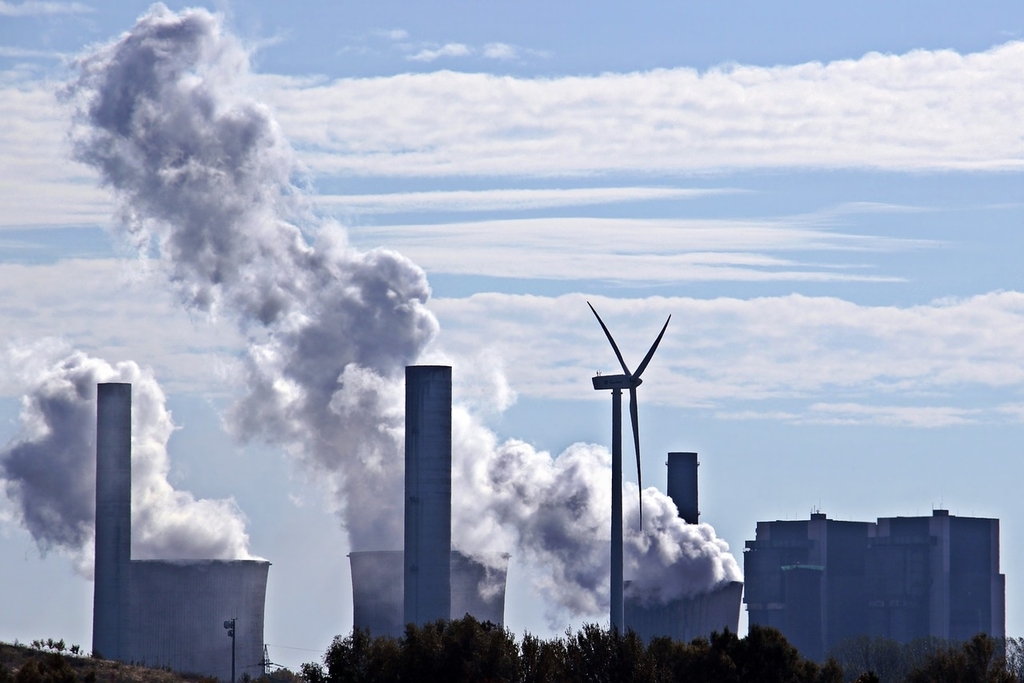
Advanced Asian economies like South Korea and Japan are still lagging behind in the energy transition, not because of limited resources or capital investment in grid infrastructure, but because outdated power systems and rules continue to favor conventional fossil fuel generation, making it harder to maximize the use of grids for renewable energy.
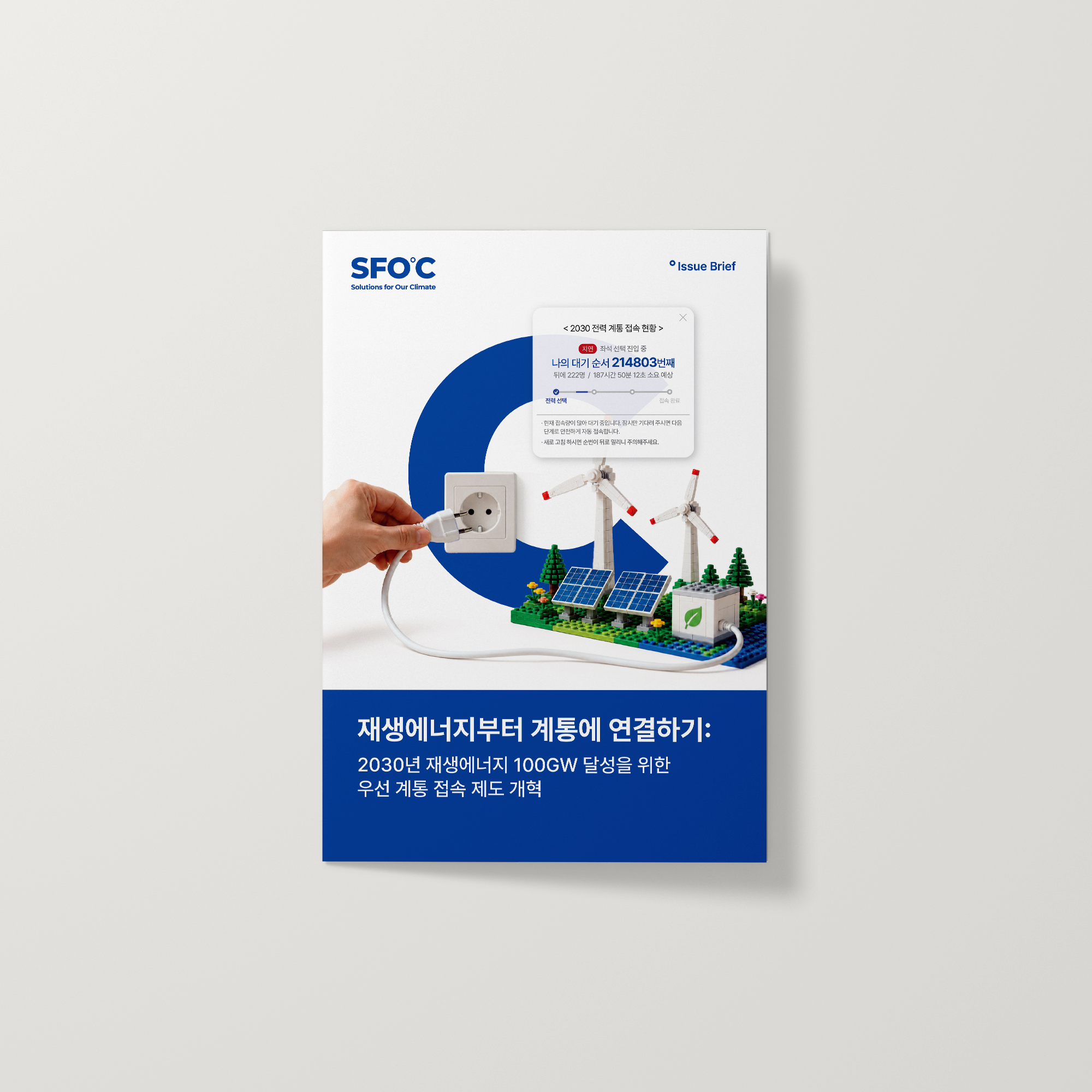
South Korea’s Lee Jae Myung administration has made grid expansion a key part of its energy policy through the "Energy Highway" initiative, alongside plans to expand renewable energy capacity to more than 100 GW by 2030. However, expanding transmission capacity alone does not guarantee that renewable projects can connect to the system when needed.
In Chungcheong Province, where half of South Korea’s coal fleet are located, offshore wind development is being pursued as part of efforts to replace the area’s aging coal fleet, but grid access is not expected to become available until at least 2032. The case reflects a conflict of interests in South Korea’s power system: its state-owned utility Korea Electric Power Corporation (KEPCO) acts as a gatekeeper for grid access, creating bottlenecks for renewable energy.
The problem is not simply whether countries can build more transmission infrastructure, but whether their power systems are shaped by the interests of fossil fuel incumbents.
During the workshop, organizations from India, Indonesia, and the Philippines highlighted similar obstacles. While the institutional and market structures differ across Asia, these experiences point to a broader regional challenge: power systems are failing to keep up with the region’s renewable energy ambitions, making it harder to connect, dispatch and integrate growing amounts of renewable electricity.
Reforms to biased grid access are urgently needed alongside investment in new transmission infrastructure in Asia. Furthermore, Asia should tackle the conflict of interests deeply rooted in the power sector in the longer term.
The workshop brought together CSOs from across the region to compare country experiences and identify common barriers to renewable energy integration. Participants discussed the underlying causes behind them and began identifying shared priorities for civil society's advocacy, which will inform a regional mapping of grid integration barriers and future opportunities for coordinated action.
Gahee Han, Power Market and Grid Head at Solutions for Our Climate (SFOC) said, "It’s surprising to see that East Asia and Southeast Asia are sharing core issues - inequal grid access for renewable energy - leaving fossil-fuel generation protected while renewables face delays or curtailment. That is a question for countries across Asia, and countries must keep at the center of grid reform."
ENDS.
Solutions for Our Climate (SFOC) is an independent nonprofit organization that works to accelerate global greenhouse gas emissions reduction and energy transition. SFOC leverages research, litigation, community organizing, and strategic communications to deliver practical climate solutions and build movements for change.
For media inquiries, please reach out to:
Yan Liang, International Communications Officer, yan.liang@forourclimate.org
Share this insights


![[Report] Financing a Paris-Aligned Coal Exit in South Korea](https://content.sfoc.tapahalab.com/images/research/ld8wdme.jpg)


![[Consultation Brief] No Room for New Gas in South Korea](https://content.sfoc.tapahalab.com/images/research/uDmDeme.jpg)


![[이슈브리프] 한전 적자 부추기는 전력시장 보상제도와 거버넌스](https://content.sfoc.tapahalab.com/images/research/FzvSdme.jpg)

![[ISSUE BRIEF] Fossil Fuels, the Main Culprit behind KEPCO’s Deficit](https://content.sfoc.tapahalab.com/images/research/q5TSdme.jpg)


![[이슈 브리프] 좌초되는 한국형 RE100 제도: 망이용료와 제3자 PPA를 중심으로](https://content.sfoc.tapahalab.com/images/research/etandme.jpg)


