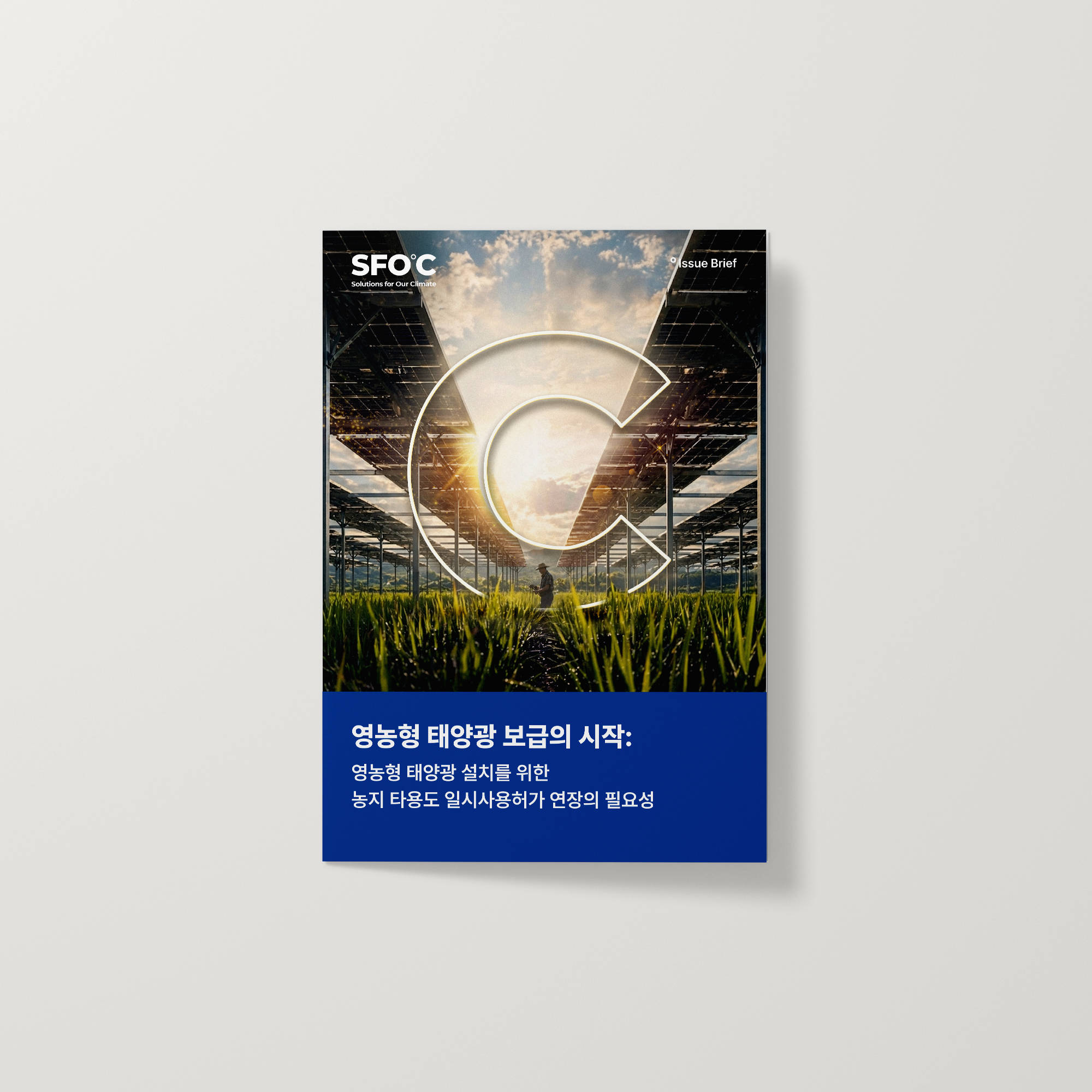
May 13, 2026 (SEOUL) – The National Assembly of South Korea passed an Act on the Promotion and Support of Agrivoltaics (May 7), marking an important step toward scaling renewable energy in land-constrained systems by enabling dual use of agricultural land. However, structural limitations remain, requiring further approval on broader land use.
South Korea first outlined the country’s agrivoltaics strategy in 2024. The latest Act formally integrates solar power with agricultural activities, allowing farmers to maintain production while generating energy. It institutionalizes a "feedback mechanism" that only local farmers, resident participation cooperatives and agricultural companies are eligible to participate in the power generation business. By excluding external investors, this measure aims to safeguard farmers' interests while preventing exploitation of farmland.
Nevertheless, under the new law, agrivoltaics remains prohibited within “Agricultural Promotion Zones,” which represent about 47% of South Korea's total farmland as of 2024. Consequently, farmers in these areas are effectively excluded from participation unless their land is designated as a "Renewable Energy Zone," making zoning decisions the most influential factor in local engagement.
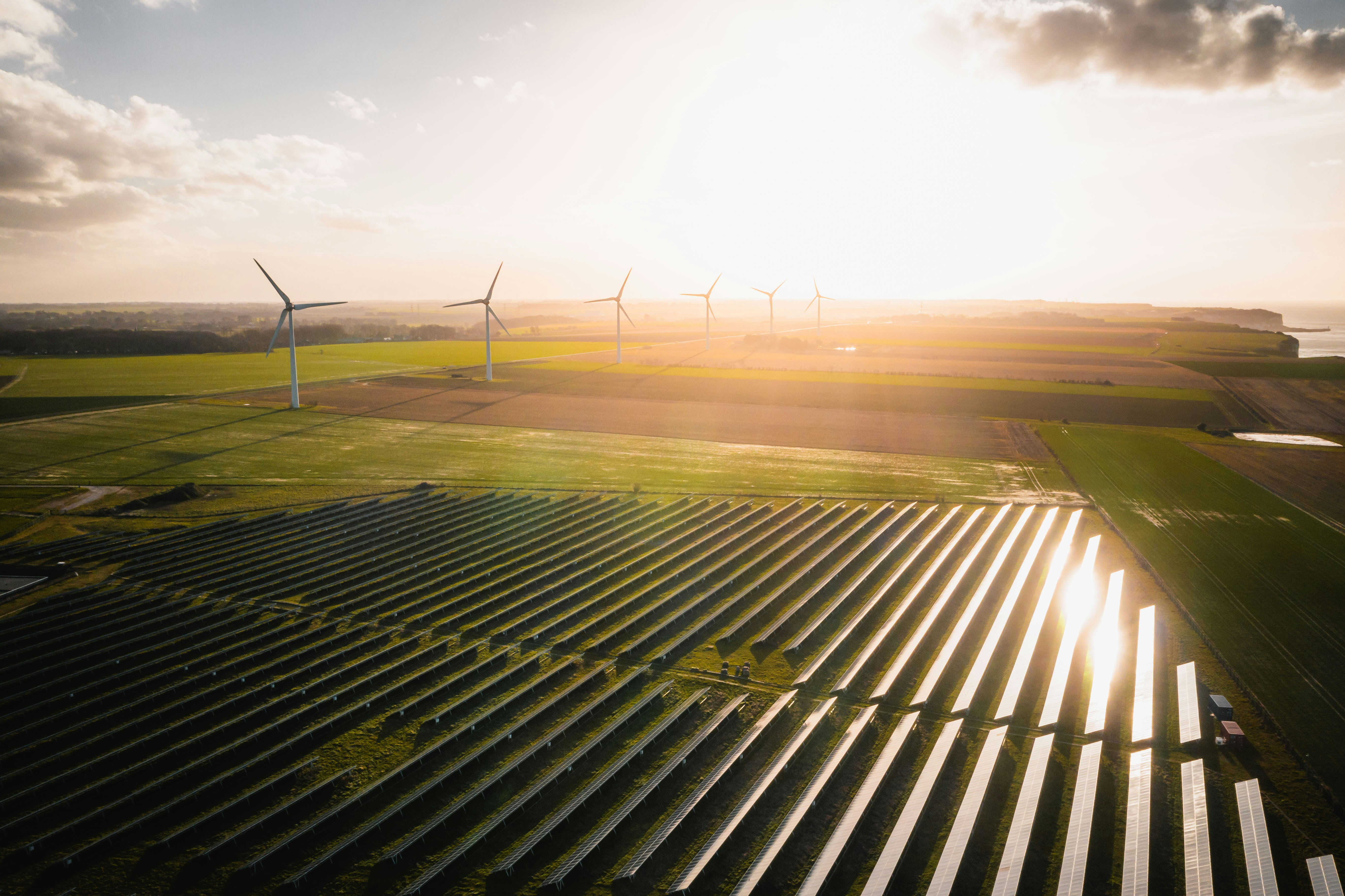
This reflects a broader global challenge, where land-use regulations and permitting systems continue to stall the expansion of renewable energy. As many countries seek to balance food production, environmental protection, and clean energy development, ensuring equitable participation for local communities will be essential to achieving decarbonization.
As a country where more than 60% of its territory is mountainous and population density is among the highest in the world, South Korea has long faced intense pressure to preserve and maximize the value of its farmland, which accounts for just 19% of its total land area. Its policy approach could serve as a compelling case study for other land-scarce countries struggling to balance food security and energy transition.
Solutions for Our Climate (SFOC) emphasizes that future implementation should focus on ensuring that renewable energy zoning expands opportunities for farmers and rural villages. This will require more coordinated policy design to better align agricultural and energy objectives, including enabling agrivoltaics to operate effectively within the existing land-use framework.
ENDS.
Solutions for Our Climate (SFOC) is an independent nonprofit organization that works to accelerate global greenhouse gas emissions reduction and energy transition. SFOC leverages research, litigation, community organizing, and strategic communications to deliver practical climate solutions and build movements for change.
For media inquiries, please reach out to:
Yan Liang, International Communication Officer, yan.liang@forourclimate.org
Share this insights