New analysis warns that weak green steel targets in South Korea and Japan could expose automakers to rising climate and trade risks.
March 9, 2025 (SEOUL) – A new issue brief released today by Solutions for Our Climate (SFOC) finds that automakers in East Asia are falling behind U.S. and European counterparts in efforts to decarbonize steel supply chains, raising concerns about their long-term competitiveness and climate commitments.
According to the latest ranking by the Lead the Charge “2026 Leaderboard Report,” which evaluates 18 global automakers, South Korea’s Hyundai Motor and Kia rank 9th and 11th, respectively. Japan’s Nissan (13), Honda (15), and Toyota (16) place near the bottom, while China’s Geely (8) ranks highest among Asian automakers.
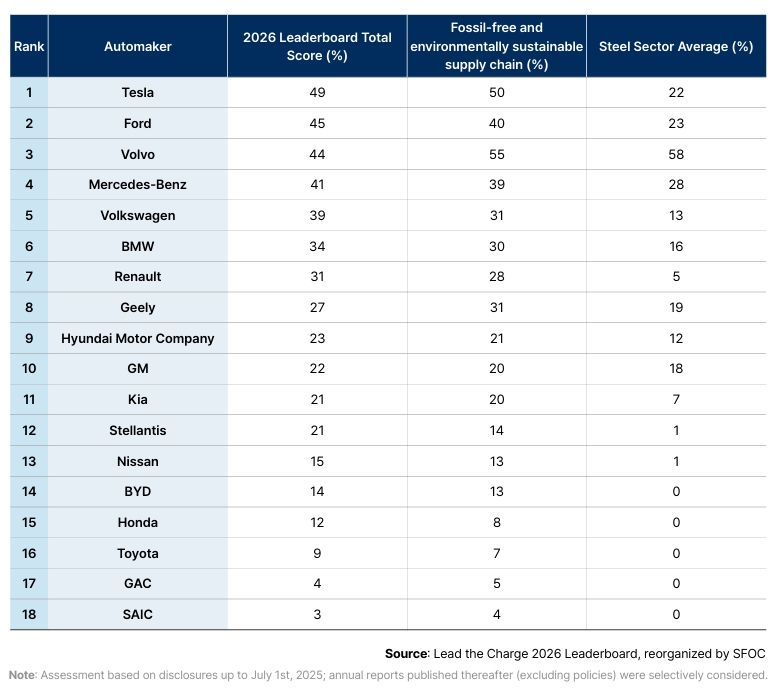
Table 1. Breakdown of Indicators and Performance Scores for the 18 Automakers
While most East Asian automakers, such as Toyota and Hyundai, are consistently among the world’s best-selling car brands, they are losing their dominant position in climate leadership. None of the region’s manufacturers ranks in the top 7 of the latest Leaderboard.
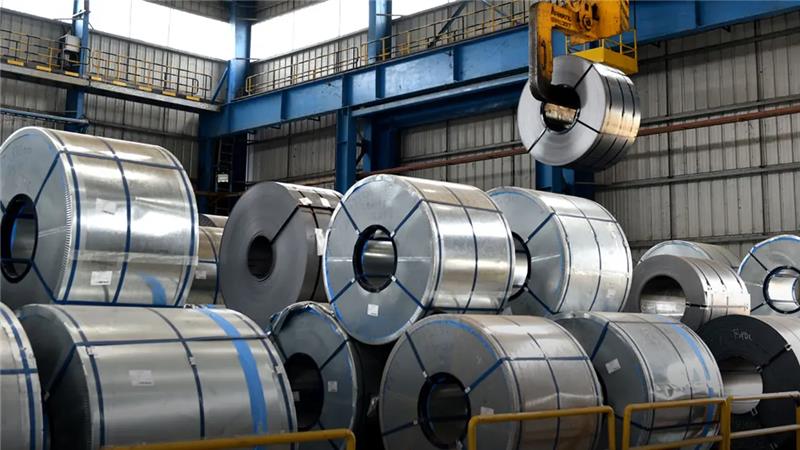
Steel is one of the most carbon-intensive industries, accounting for at least 7% of global greenhouse gas emissions. The automotive sector alone consumes around 12% of global steel demand.
First launched in 2023, the Leaderboard evaluates automakers’ progress in decarbonizing their supply chains. It assesses two main dimensions: fossil-free and environmentally sustainable supply chains, as well as human rights and responsible sourcing.
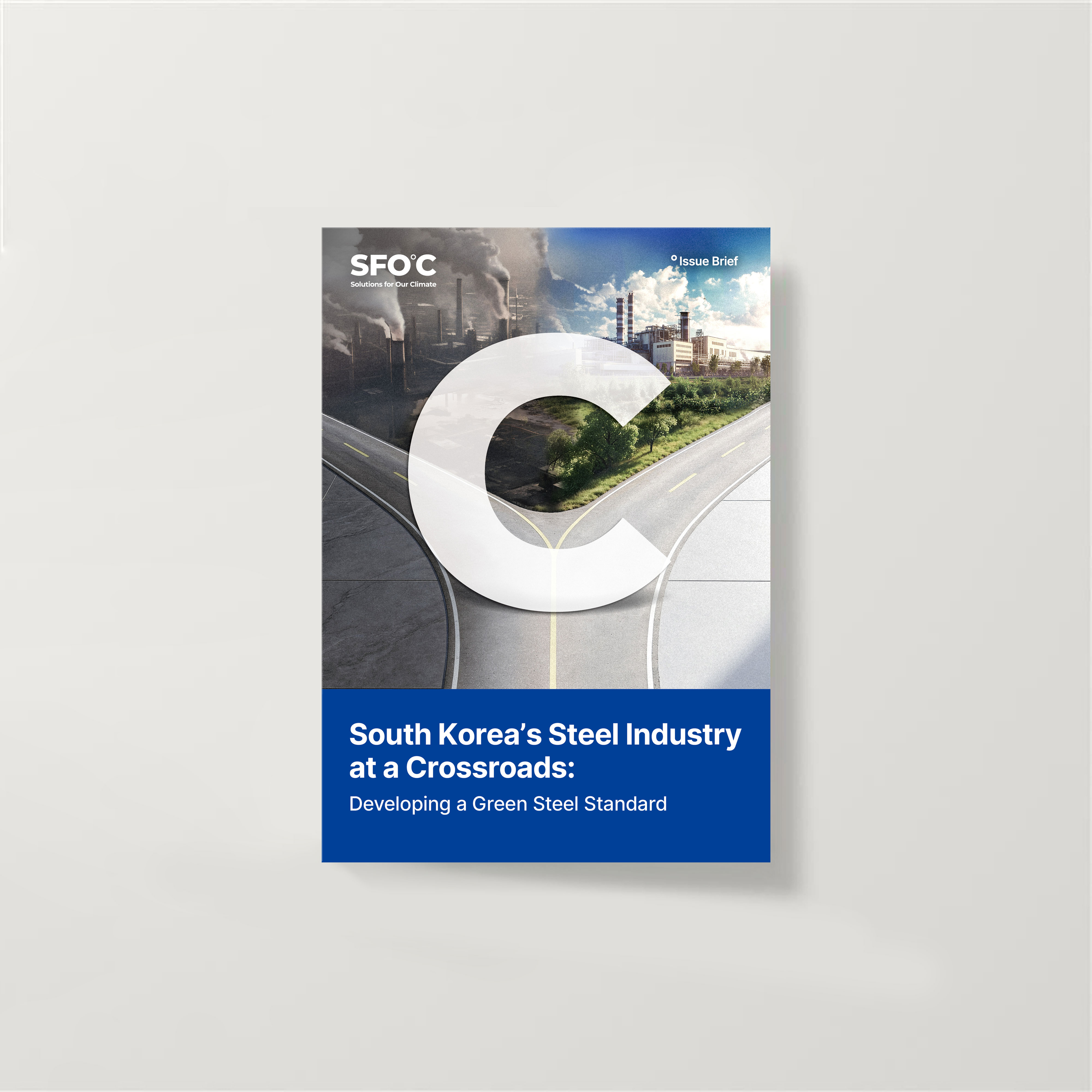
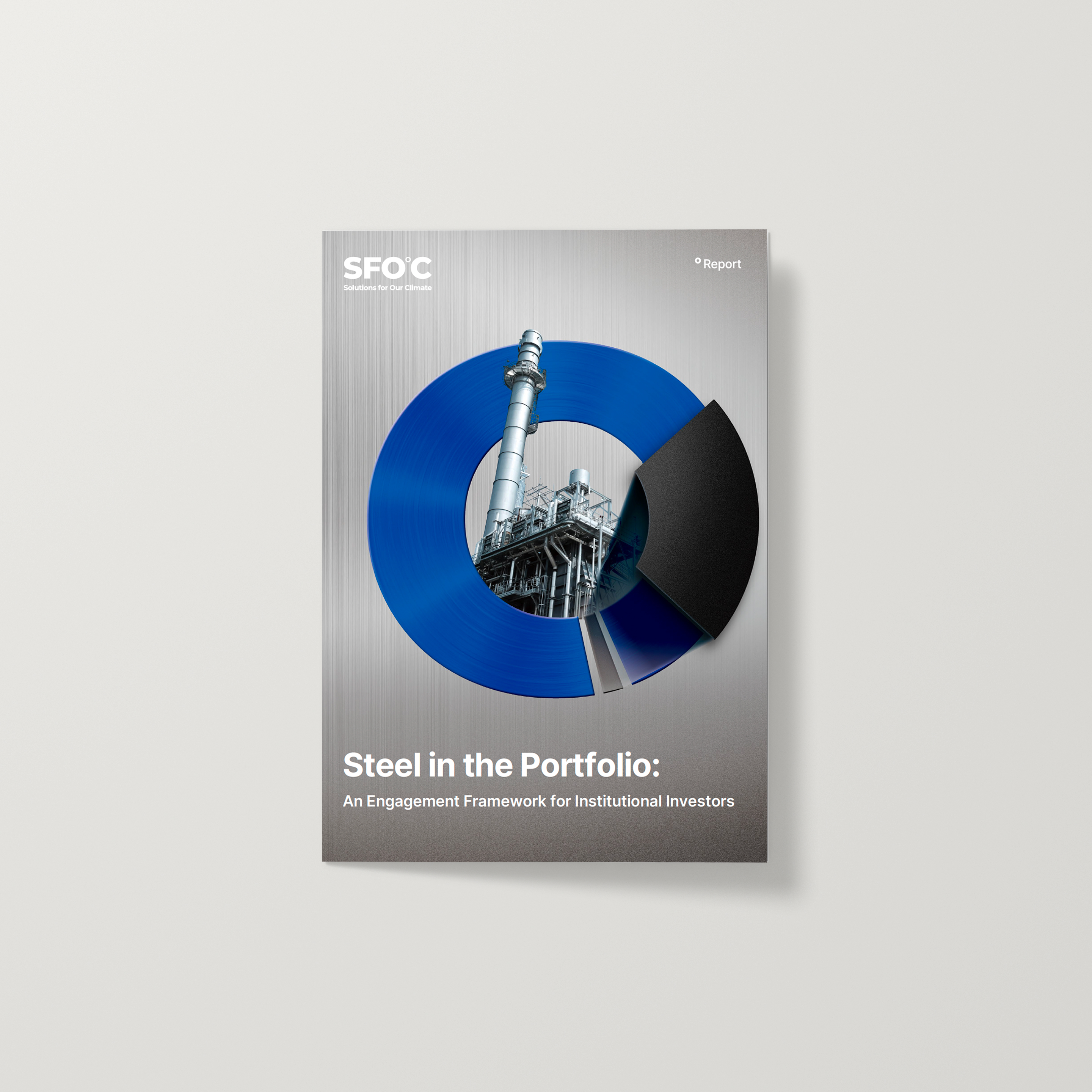
The ranking results highlight a significant gap in green steel adoption across East Asia’s auto industry compared with U.S. and European automakers. SFOC experts note that clear decarbonization roadmaps for key raw materials, such as steel, remain largely absent across the East Asian auto industry, slowing the transition to green steel. Without strategic partnerships with low-carbon steel producers or long-term green steel offtake agreements, steelmakers have little incentive to accelerate decarbonization.
As global trade policies, such as the Carbon Border Adjustment Mechanism (CBAM), impose carbon costs on imported carbon-intensive products, proactive action on steel decarbonization will be essential to maintain both climate credibility and long-term competitiveness.
Heather Lee, Steel Team Lead at SFOC, said: "Steel is one of the largest contributors to automakers’ Scope 3 emissions, yet many East Asian automakers have not established time-bound targets for green steel adoption or credible implementation mechanisms. At the same time, the absence of a globally aligned green steel definition further weakens accountability. To ensure credibility, green steel definitions must align with principles set by the International Energy Agency (IEA) and prioritize transparent, verifiable, and physically achieved emissions reductions. As trade measures such as the EU’s CBAM increasingly link carbon intensity to market access, steel decarbonization is no longer just an environmental issue but a matter of competitiveness."
East Asian automakers will need to strengthen supply chain decarbonization by setting clear green steel adoption targets, establishing transparent roadmaps, and forming long-term partnerships with low-carbon steel producers.
ENDS.
Solutions for Our Climate (SFOC) is an independent nonprofit organization that works to accelerate global greenhouse gas emissions reduction and energy transition. SFOC leverages research, litigation, community organizing, and strategic communications to deliver practical climate solutions and build movements for change.
For media inquiries, please reach out to:
Yan Liang, International Communications PR, yan.liang@forourclimate.org
Share this insights
![[SFOC] Hidden Methane Emissions, Tangible Economic Costs: Lost Fuel Value and Heatwave-Related Climate Damages from Korea’s Imported Fossil Fuel Supply Chains](https://content.forourclimate.org/images/research/GbNyzaf.jpg)






![[CREA-SFOC] Unveiling the Truth Behind Blast Furnace Pollution_South Korea](https://content.sfoc.tapahalab.com/images/research/C4Xvdme.jpg)


![[이슈 브리프] 탈석탄 투자 가이드라인](https://content.sfoc.tapahalab.com/images/research/tJRidme.jpg)
![[이슈 브리프] 신설 석탄발전소 가치평가 결과와 시사점](https://content.sfoc.tapahalab.com/images/research/nQCGime.jpg)


