March 13, 2026 (SEOUL) – Solutions for Our Climate (SFOC) welcomes the passage of the Green Shipping Corridor Support Act by the National Assembly, a move that advances efforts to decarbonize the shipping sector.
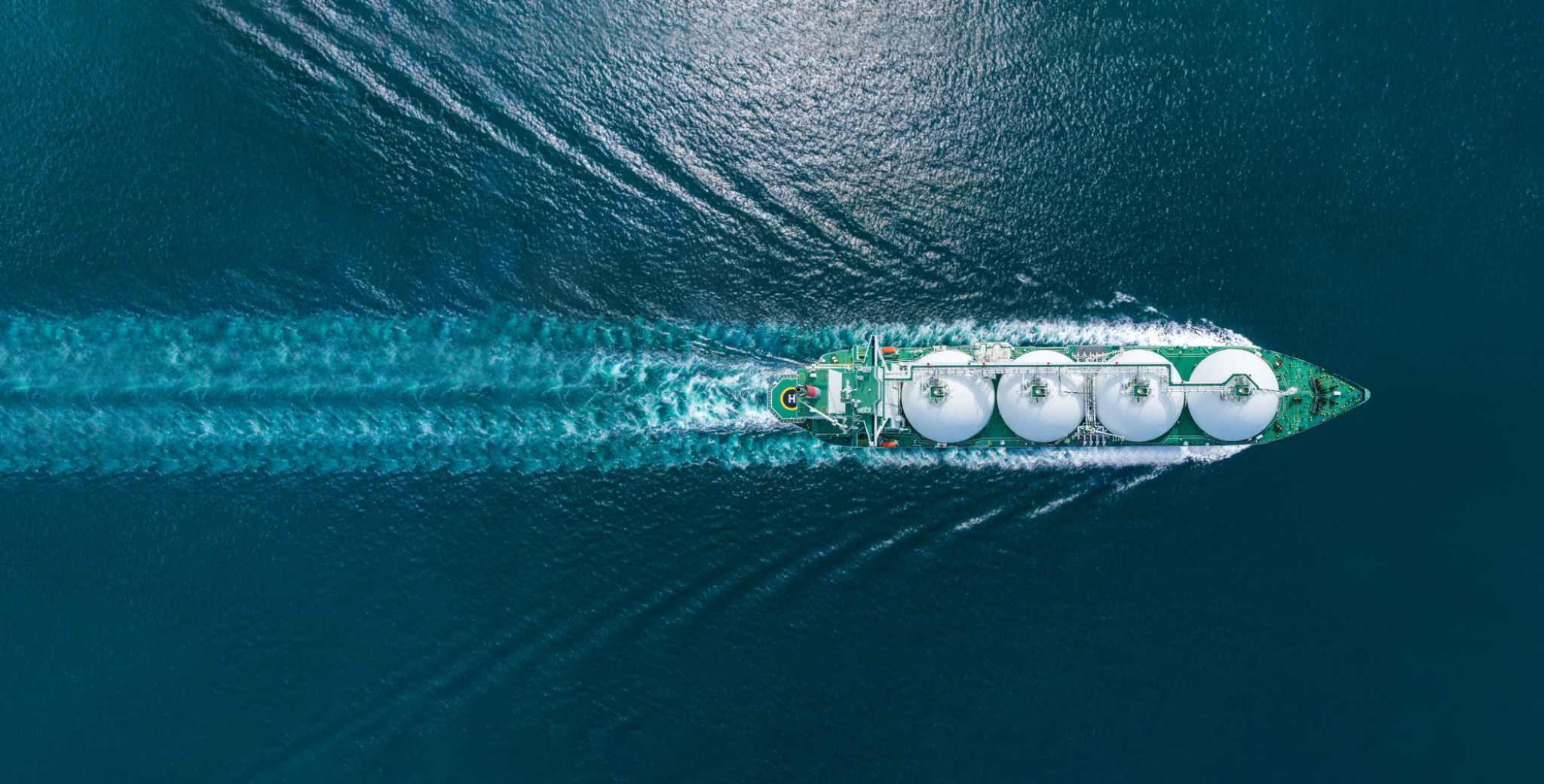
The shipping sector accounts for roughly 3% of global greenhouse gas emissions, and establishing a legal framework to support decarbonization has been an urgent priority in alignment with the International Maritime Organization’s (IMO) 2050 net-zero target. These measures are particularly significant for South Korea, where 99.7% of import and export cargo is transported by sea, underscoring the strategic importance of reducing emissions from the maritime sector while strengthening long-term industrial competitiveness.
In 2024, SFOC provided policy recommendations on reducing greenhouse gas emissions from the shipping sector, and we view the passage of this Act as a highly meaningful step forward. The Act lays important groundwork for expanding green vessel operations, supporting port infrastructure transition, promoting technological innovation, and strengthening international cooperation, including the following provisions:
Establishment of the Green Shipping Corridor Support Council, which will serve as a consultative and coordinating body for the development and operation of green shipping corridors.
Provision of the legal basis for workforce training, research and development (R&D), and international cooperation initiatives to accelerate maritime decarbonization.
Establishment and implementation of a five-year master plan for green shipping corridor development by the Minister of Oceans and Fisheries.
We encourage the government to fully realize the spirit of the legislation by steadily expanding financial support and implementation mechanisms. Maritime decarbonization is not only a climate imperative but also a key determinant of Korea’s future industrial competitiveness.
At the same time, we note with concern that the final version of the Act broadened the definition of “green vessels” to include low-carbon fuels. This adjustment may risk prolonging reliance on these fuels, locking in emissions rather than accelerating the transition to zero-carbon solutions.
It is essential to establish clear safeguards to ensure that fuels such as LNG and bio-LNG — which are not fundamental zero-emission solutions — do not become entrenched within public support frameworks. Achieving net-zero emissions by 2050 ultimately requires a decisive shift toward zero-carbon fuels and renewable-based propulsion systems.
SFOC will continue to provide research and policy recommendations to ensure that green shipping corridors deliver genuine climate outcomes and accelerate the transition to zero-carbon maritime transport.
ENDS.
Solutions for Our Climate (SFOC) is an independent nonprofit organization that works to accelerate global greenhouse gas emissions reduction and energy transition. SFOC leverages research, litigation, community organizing, and strategic communications to deliver practical climate solutions and build movements for change.
For media inquiries, please reach out to:
Antonette Tagnipez, International Communications Officer, at antonette.tagnipez@forourclimate.org
Share this insights



![[Report] Achieving Net Zero in International Shipping through Korea-US-Japan Green Shipping Corridor](https://content.sfoc.tapahalab.com/images/research/s11Jime.jpg)


![[Webinar] International webinar on enhancing due diligence of forest risk commodities' supply chains in Asia](https://content.sfoc.tapahalab.com/images/research/sjGudme.jpg)

![[토론회] 한국형 녹색분류체계(K-Taxonomy), 무엇이 녹색경제활동인가](https://content.sfoc.tapahalab.com/images/research/bn8jdme.jpg)
![[Webinar] Palm Oil based Biofuels Policy and Socio-Environmental Impacts in Asia](https://content.sfoc.tapahalab.com/images/research/BOpldme.jpg)


