My decision to become a "climate lawyer" stemmed from the constant sense of climate change-related despair I felt in my daily life. I often felt powerless in the face of increasingly hot summers and daily reports of extreme weather events.
Yet, while anyone can become a direct or indirect victim of climate change, it's far more difficult to pinpoint a single culprit to hold responsible for the climate crisis and its impacts.
It's for this reason precisely that I often face difficulties when conceptualizing and planning climate lawsuits. It's rare for clear ideas to immediately spring to mind about which parties to hold accountable for producing greenhouse gas emissions, what specific actions to demand they cease, and even more so, what legal basis, if any, exists to hold them responsible.
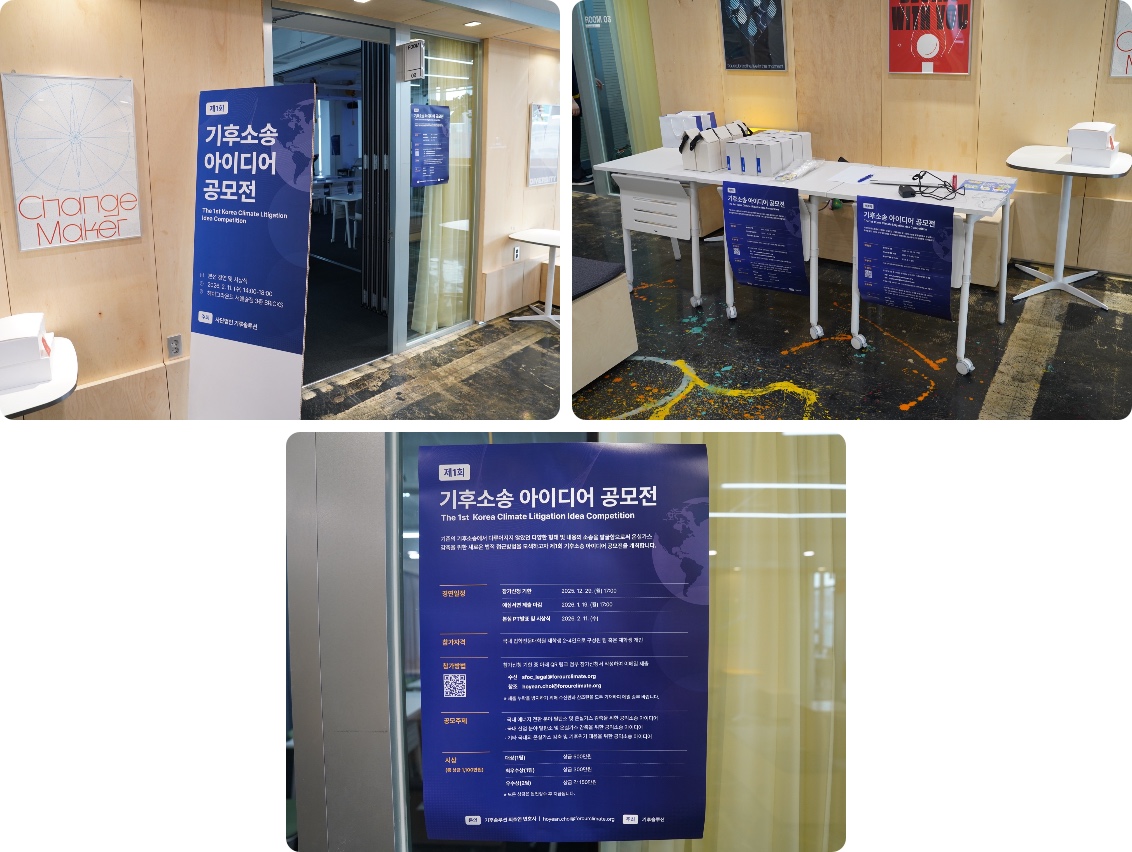
So, I decided to borrow some ideas. How? Through the first Korea Climate Litigation Idea Competition, which brought together the talents of aspiring legal professionals, many of whom carry the seeds of becoming future climate lawyers.
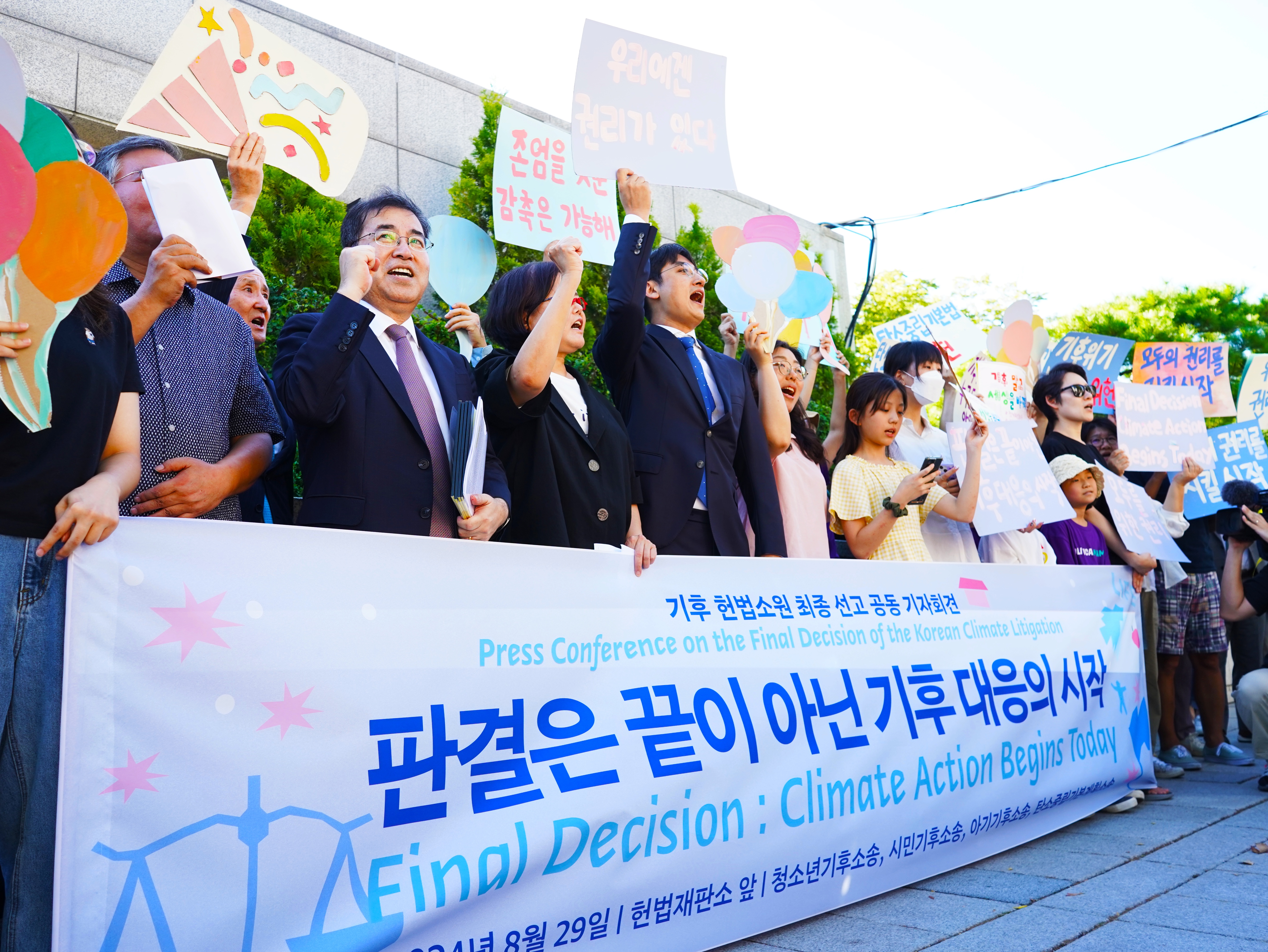
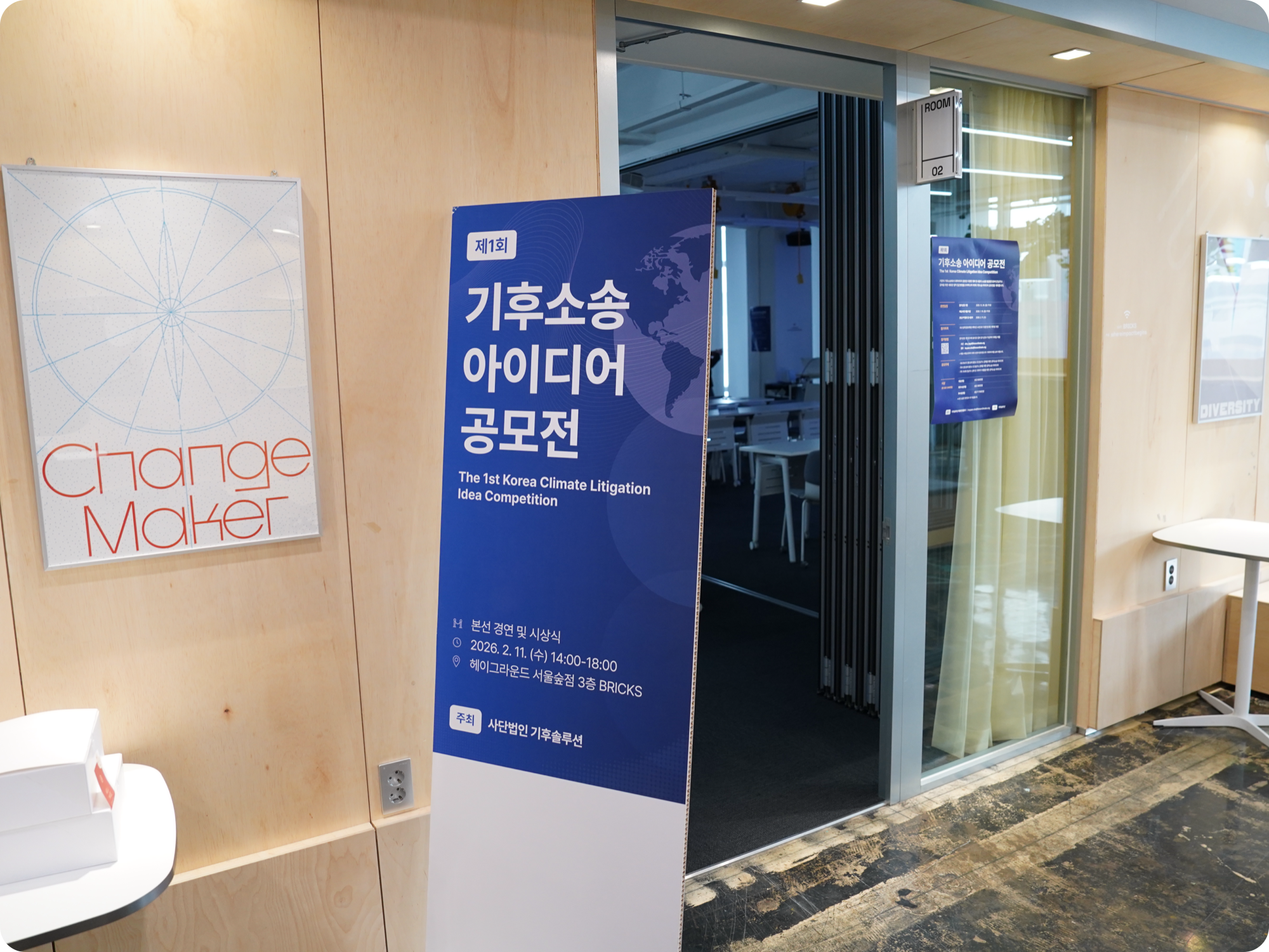
This contest, the final round of which took place on February 11th, gathered ideas from domestic law school students for:
Public interest lawsuits targeting decarbonization and greenhouse gas reductions in Korea's energy transition and industrial sectors
Other public interest lawsuits aimed at overall greenhouse gas reduction and responding to the climate crisis both in Korea and abroad.
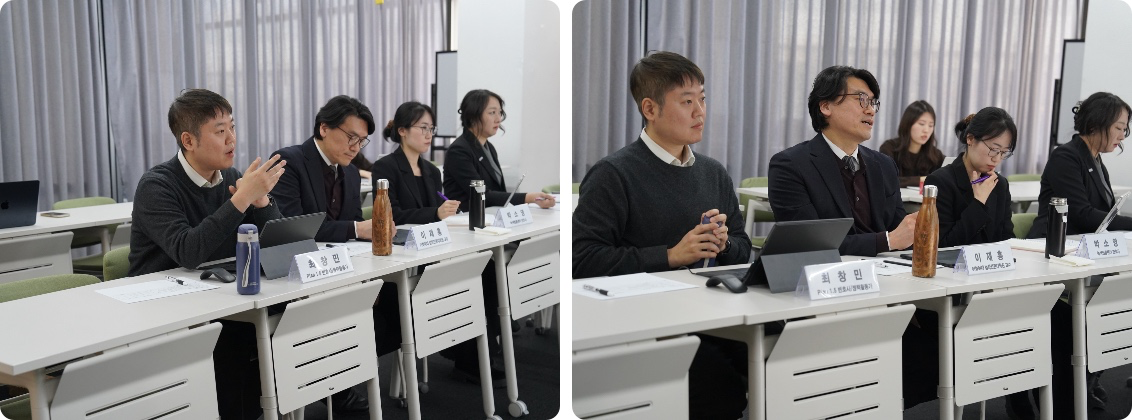
The competition's judging panel featured distinguished experts from Korea's climate and environmental fields, including Professor Jaehong Lee from Ewha Women's University Law School, attorney and Policy Activist Changmin Choi of Plan 1.5, Attorney Soyoung Park of Green Korea Legal Center, and SFOC's very own Attorney Yujung Shin.
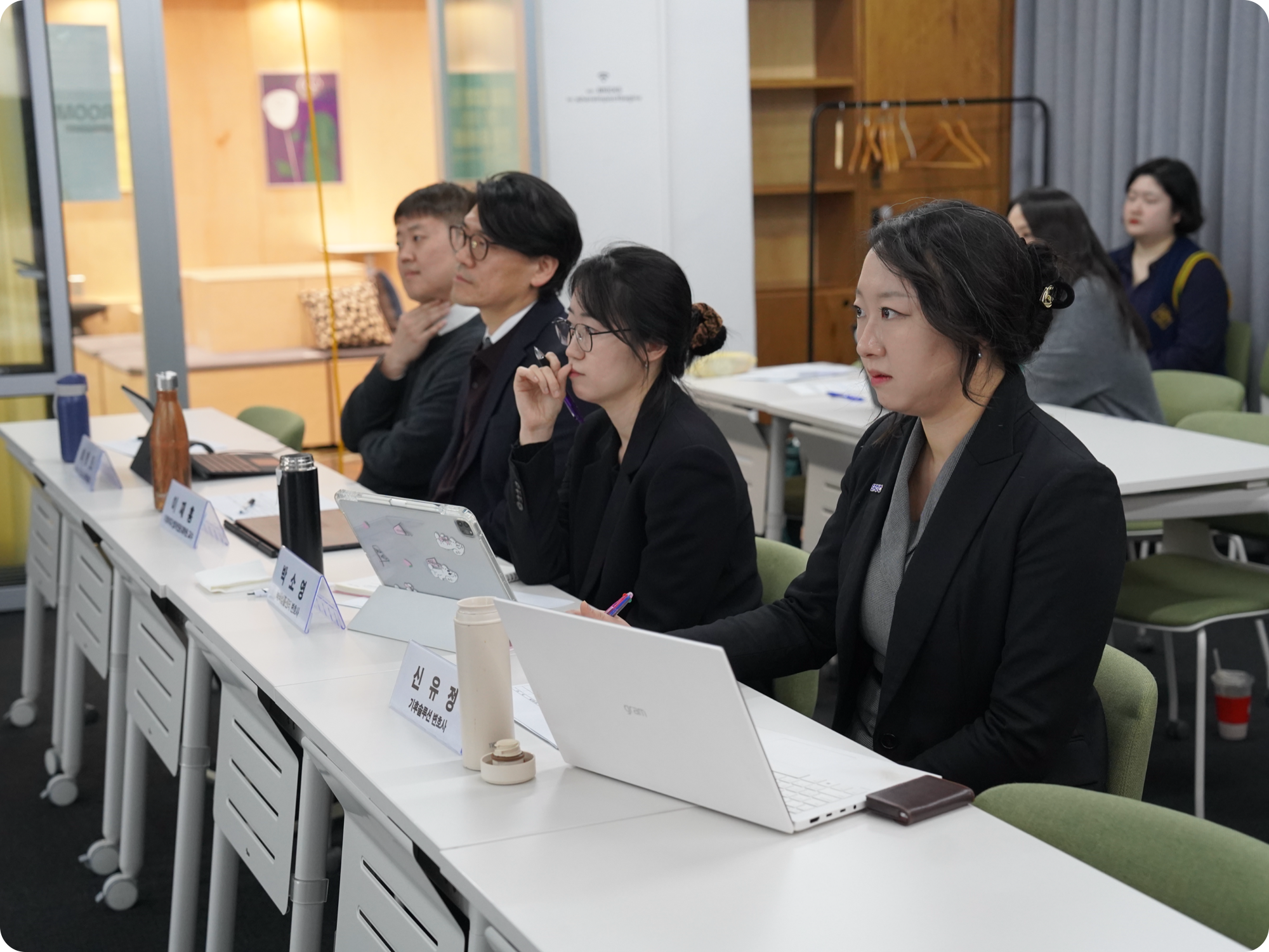
Out of 11 participating teams, a total of four teams passed the rigorous preliminary proposal review, advancing to the final round of competition. Let's recap the highlights, shall we?
Team "Dubai Kimbap"
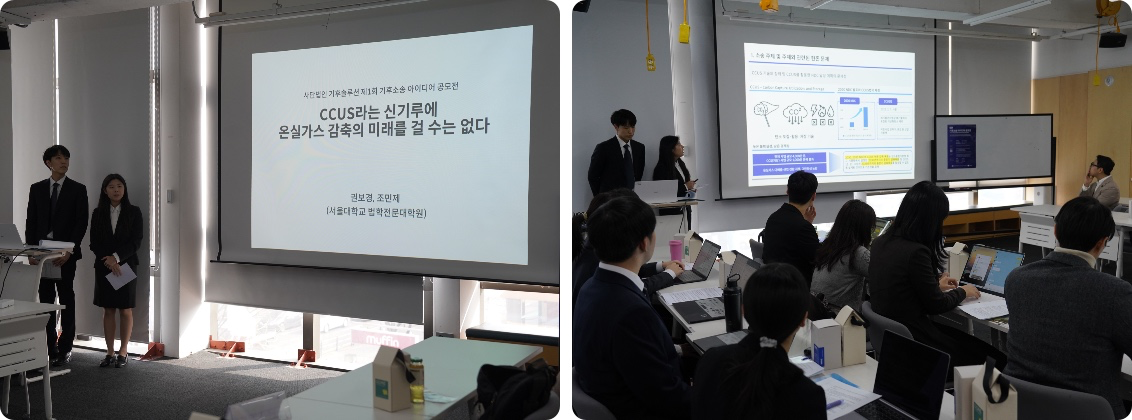
First to present was the duo of Kwon Bokyung and Jo Minje, who proposed a constitutional lawsuit guided by this solid stance: "we cannot stake the future of greenhouse gas reduction on the mirage of CCUS". The "Dubai Kimbap" team highlighted how, despite the proven limitations of CCUS (Carbon Capture, Utilization and Storage) technologies in effectively reducing GHGs, continued and excessive investment is actually slowing down the decarbonization of hard-to-abate , high-emitting industries.
Their proposal was based on the argument that the government's plan to heavily rely on CCUS technology to achieve its NDC (Nationally Determined Contribution) essentially violates the Korean Constitution, specifically Article 35, Paragraph 1, which explicitly addresses citizens' environmental rights.
Team "GG" ( 지구를 지켜라 = "Save the Earth")
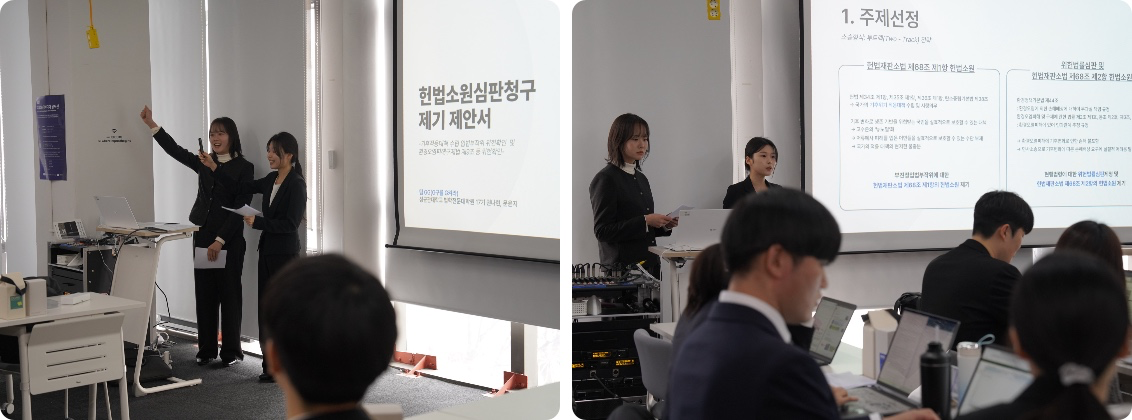
The second presentation by Kwon Nahyun and Moon Yoonji proposed a double lawsuit approach to protecting fisherfolk suffering losses in fish yields due to climate change-driven ocean temperature rise. The first lawsuit targets the weaknesses in the government's current climate change adaptation measures and the resulting inability to protect a fishing industry increasingly exposed to climate shocks. It seeks to file a constitutional complaint against this governmental inaction. The second lawsuit involves filing a related civil lawsuit and then requesting a constitutional review of the Framework Act on Environmental Policy and the Act on Liability for Environmental Damage and Relief, which currently exclude damages caused by climate change from their scope of application.
Team GG argued problematic administrative inaction and legal oversights violate fisherfolk's "climate rights", a concept the duo defined as “the right to protection of human life, health, livelihood, equality, and future from the climate crisis.”
Team "Paris Baguette Agreement"
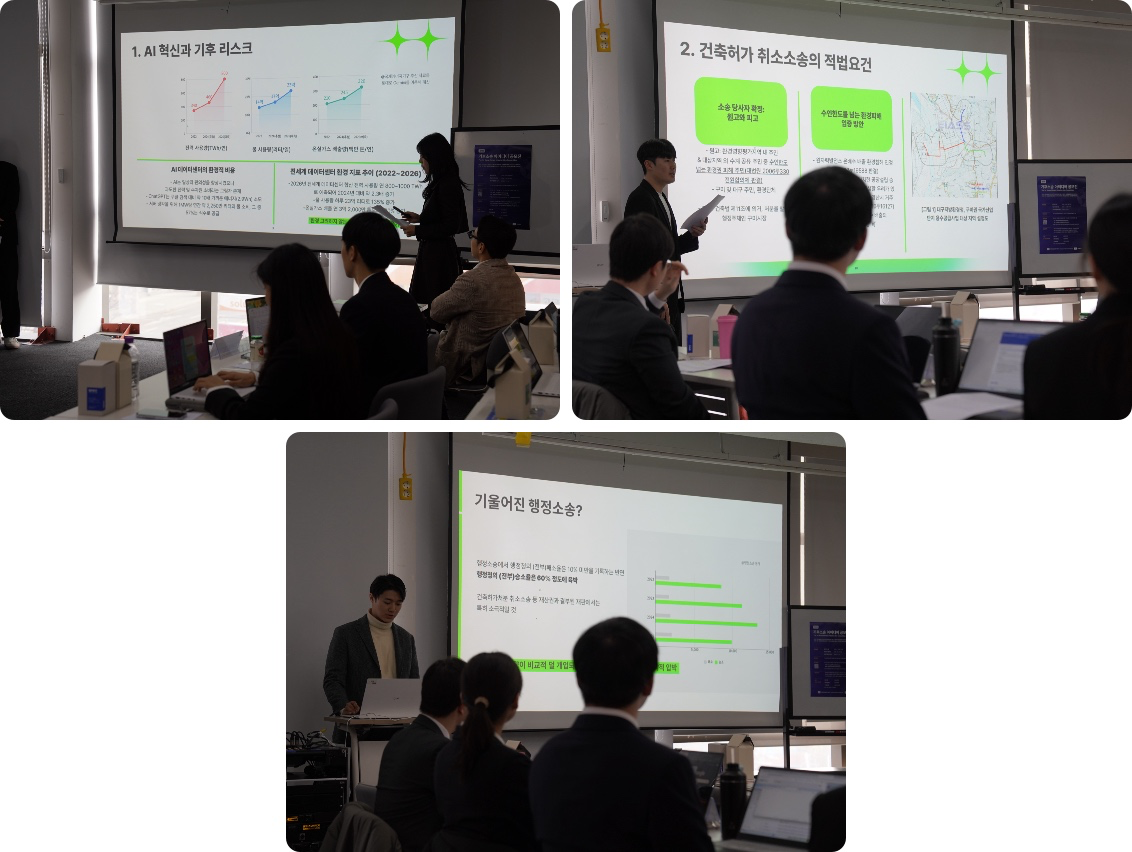
The quartet of Moon Yunseo, Yoon Yeojong, Lee Sihyeon and Jo Eunseo delivered the penultimate presentation, raising concerns about how development of the AI industry is disregarding the sector's climate and environmental impacts. They proposed two lawsuits against domestic AI data center projects, the first an administrative lawsuit seeking the revocation of construction approval citing defects in the Environmental Impact Assessment (EIA) process. Should said lawsuit fail, the team proposed the simultaneous filing of a civil tort damages claim against the corporation promoting the project and a small shareholder lawsuit under commercial law on the grounds of stranded asset risks.
The Paris Baguette Agreement team emphasized the necessity of these lawsuits, pointing out that the massive scale of this AI data center would have a significant negative impact on the climate and environment. They also highlighted that procedural flaws related to residents' consent were reported during the licensing process for the LNG combined-cycle power plant to be built within the data center.
Team "Blue Sea"
The four-person team of Koo Minji, Oh Jeongmin, Lee Gyuwon and Jo Hyeonggeun rounded up the competition's presentations, proposing a civil damages lawsuit against a leading company in the fast fashion industry. The lawsuit would target specific actions by the company: 1) perpetuating a high-emitting business structure based on mass production and mass disposal of garments, inflicting both quantifiable and unquantifiable harm to South Korean citizens and 2) greenwashing: under the guise of building consumer trust by highlighting eco-friendly changes, still adopting a fast fashion model directly contradicting these claims, causing mental distress to consumers.
Team Blue Sea particularly stressed that filing a lawsuit against this specific company, essentially a fast fashion giant, would serve as a warning message to the entire industry structure.
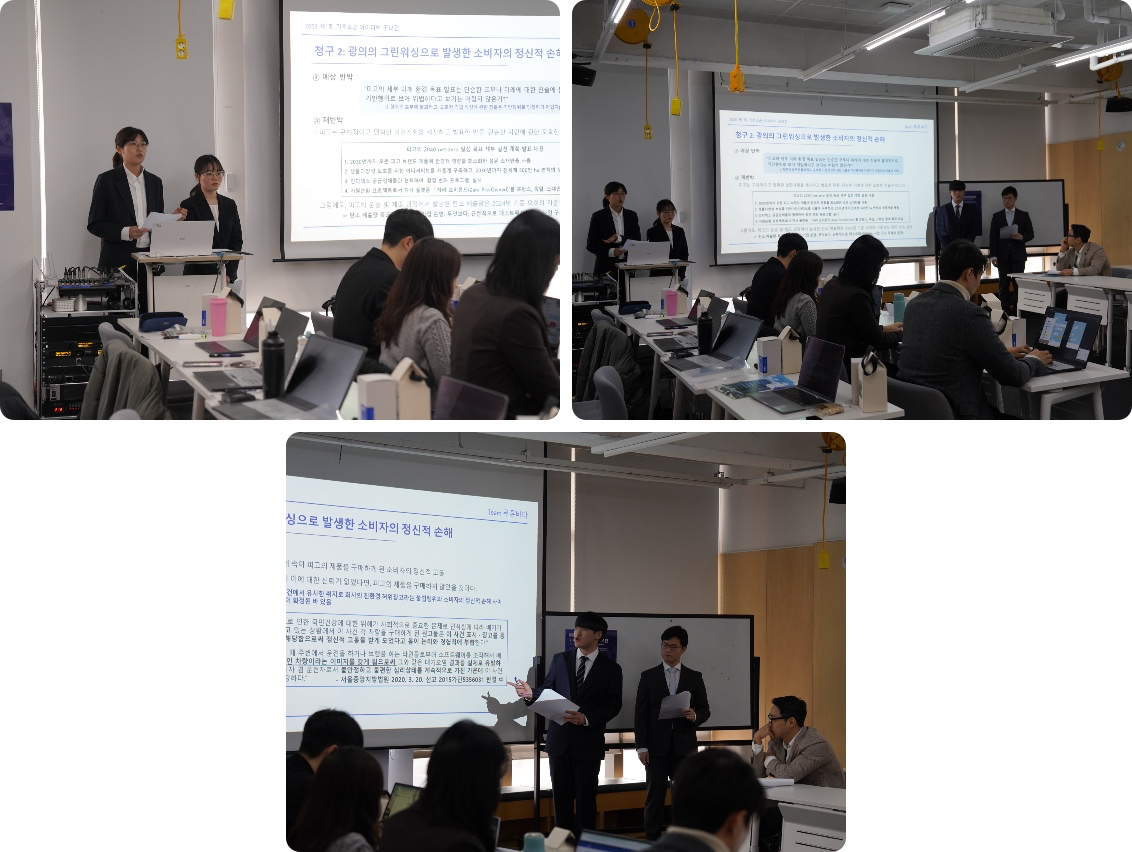
Each presentation was followed by a short Q&A with the judges, providing contestants with an opportunity to share detailed insights into the litigation strategies and considerations going into their proposals. Sharp questions were met with equally composed and impressive responses.
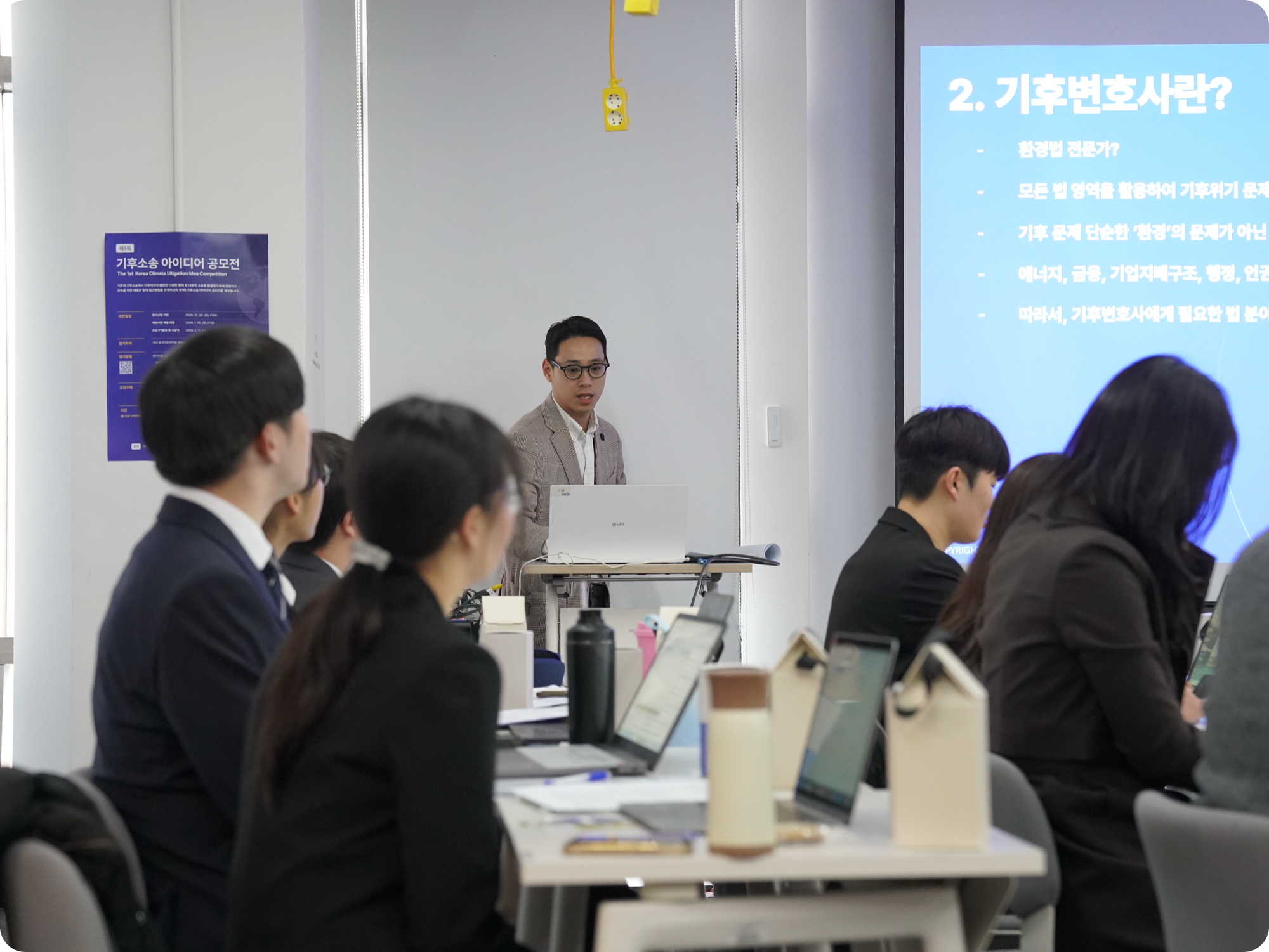
While the judges deliberated, those present were treated to a special lecture from SFOC's Attorney Gwanhaeng Lee titled "Career Paths for Climate Lawyers", exploring the different pathways available and competencies required for lawyers to engage in addressing the climate crisis through the law.
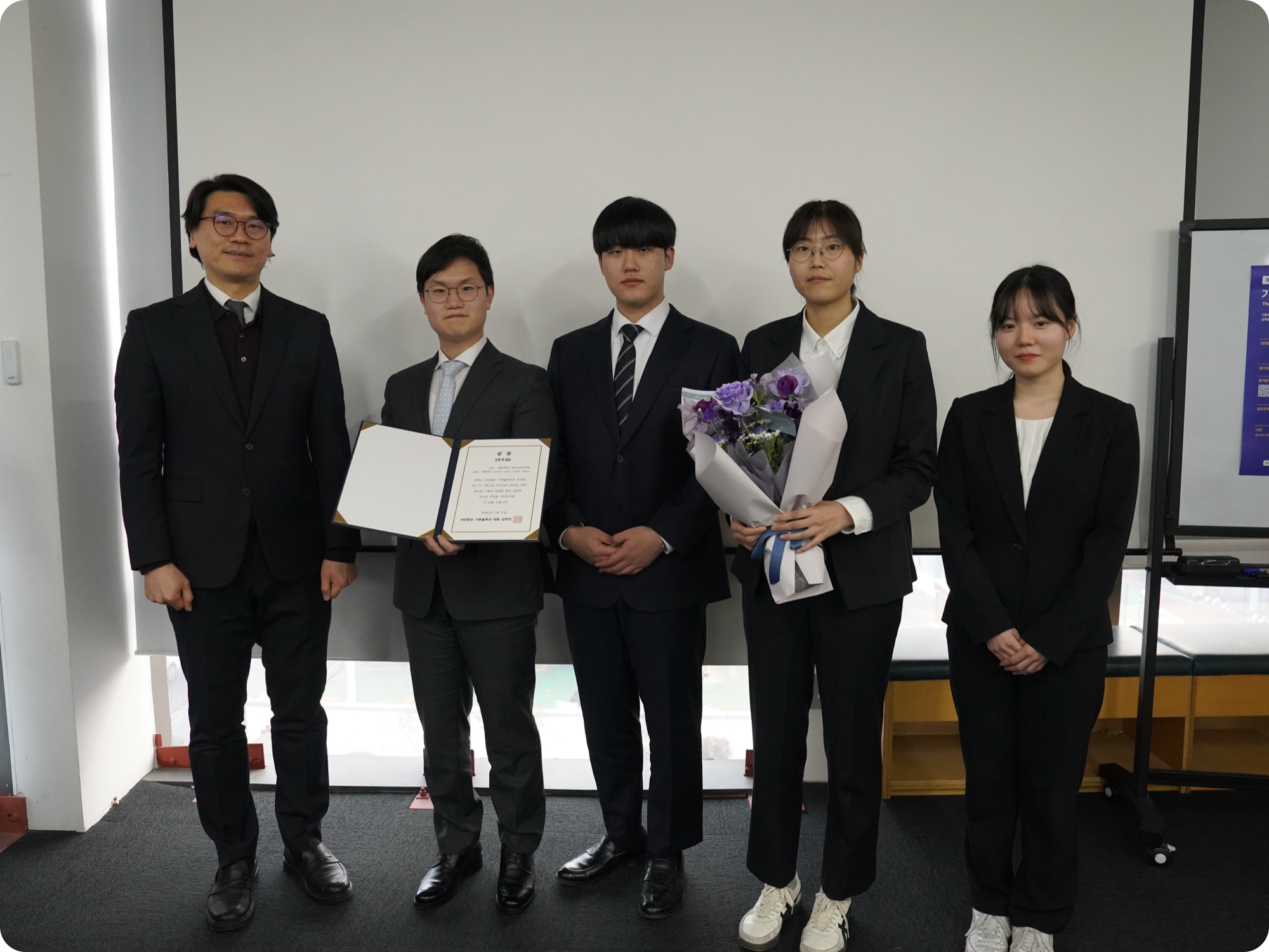
At last, the final results arrived, followed by the awards ceremony. Teams "Dubai Kimbap" and "Blue Sea" tied for third place, with the former praised for their well-researched and prepared handling of the technically complex concept of CCUS. Team Blue Sea was specially commended for proposing a lawsuit that would address Scope III indirect emissions which could carry significant policy implications.
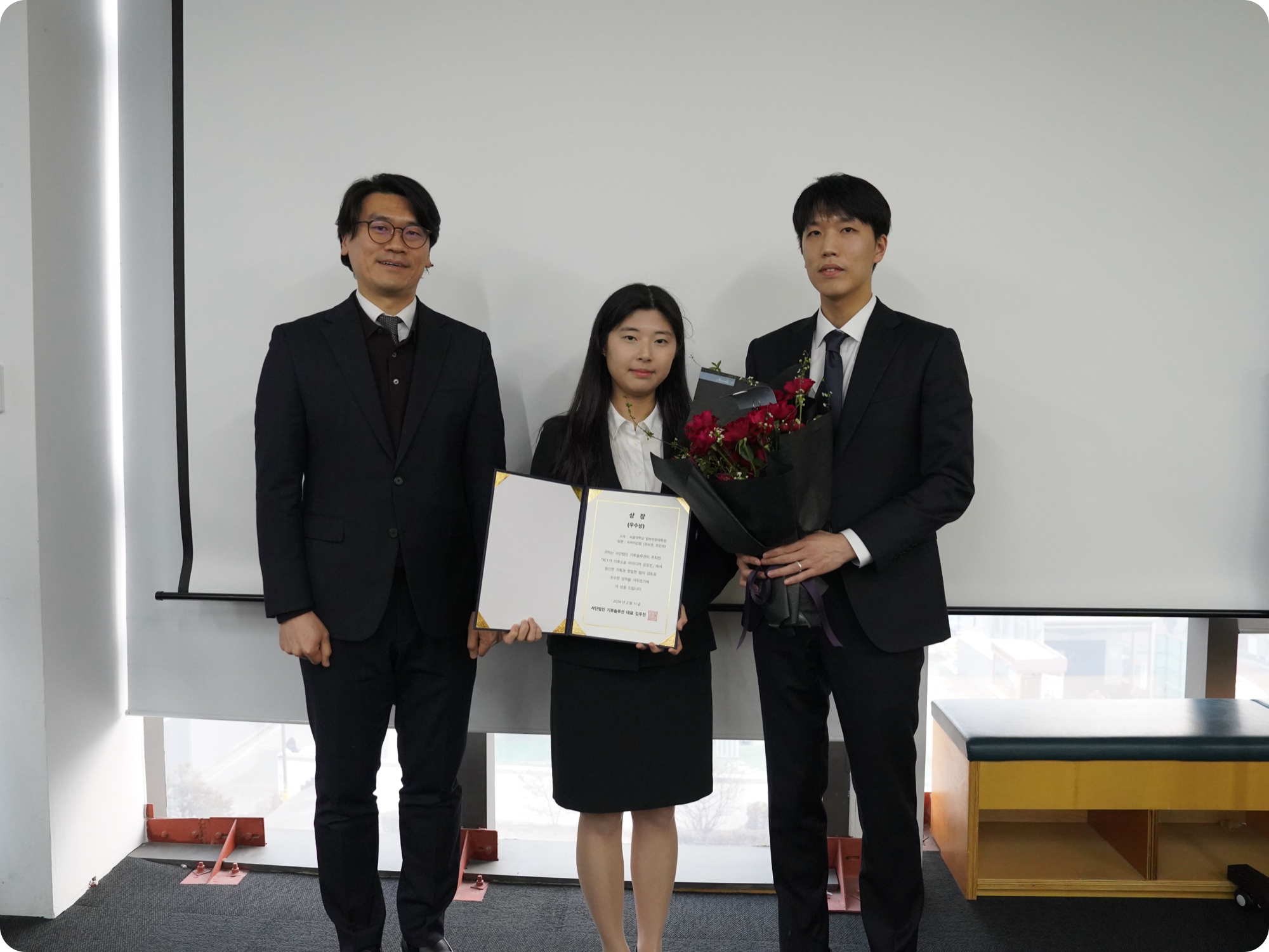
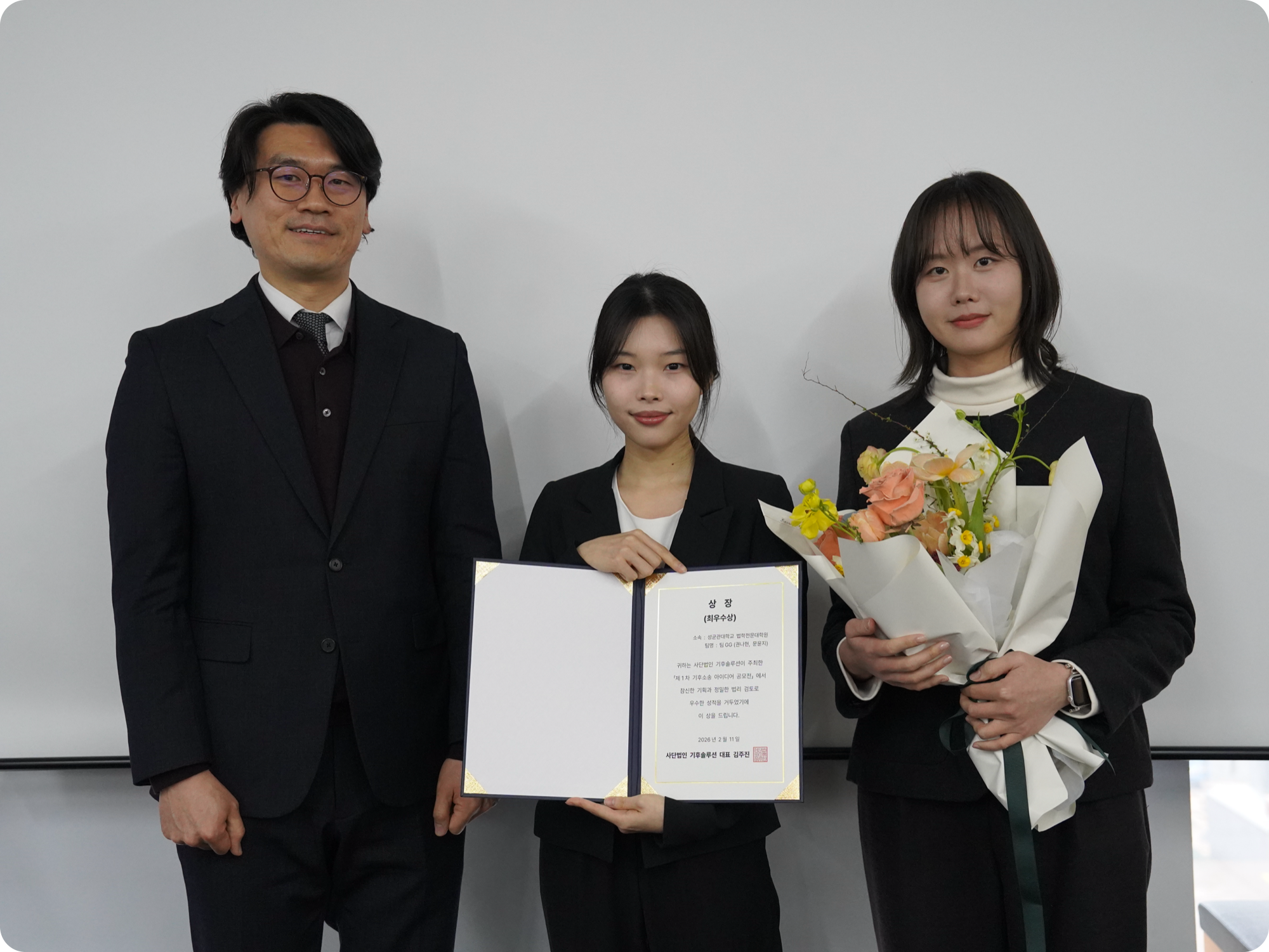
Team "GG" secured second place, and was lauded for submitting a proposal with significant policy implications, many of which were endorsed by the judges present. The team also received high praise for their refreshing interpretation of "climate rights", which pushed beyond the definition present in existing Constitutional Court rulings.
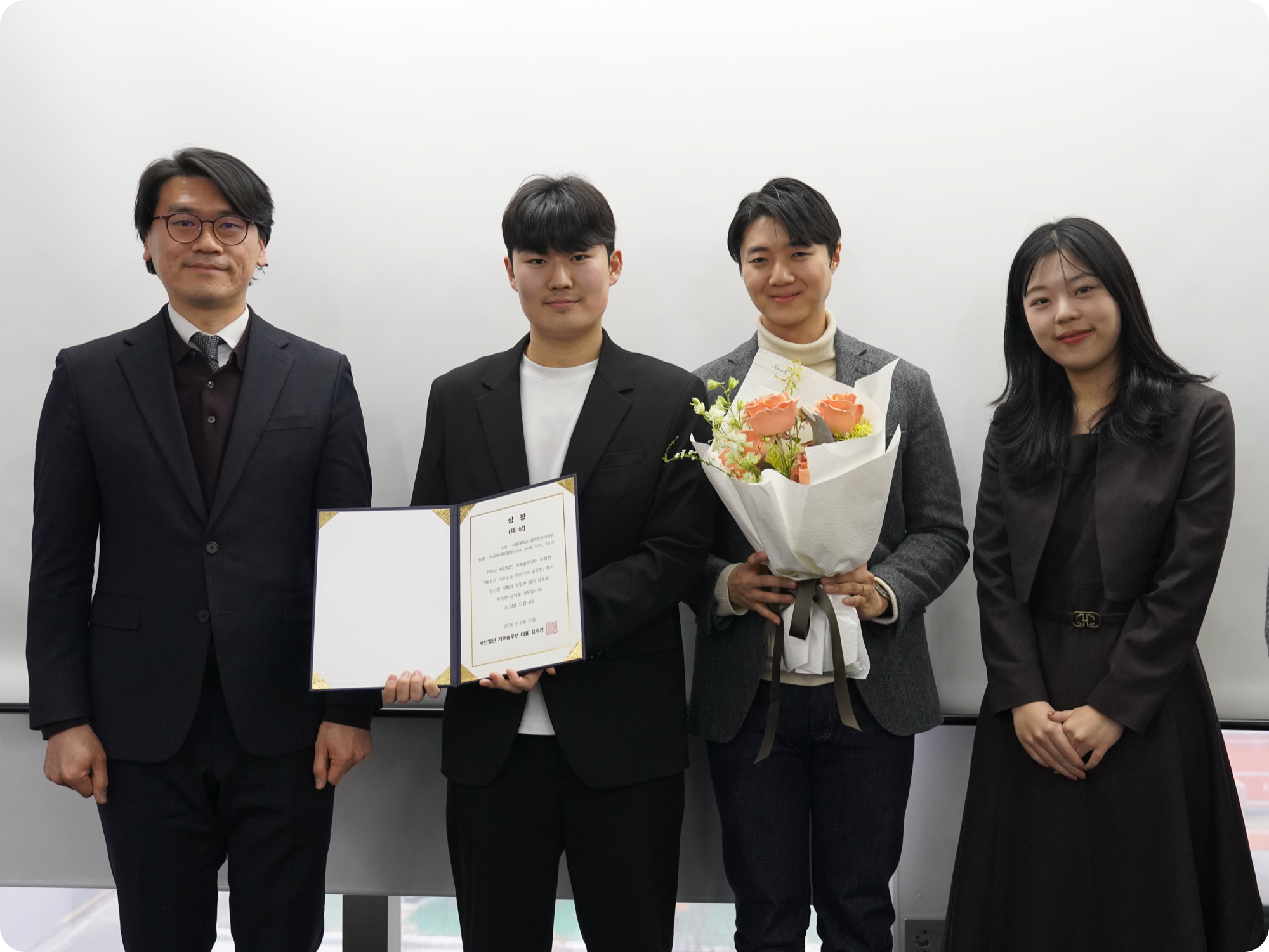
The coveted first place spot went to Team "Paris Baguette Agreement", who were praised for an exceptionally well-structured preliminary proposal based on extensive research on the target business, as well as for the excellent division of roles among the team members.
We here at SFOC are deeply grateful to all the participants and judges who devoted their time and energy to making this event possible. This inaugural competition provided both me and my fellow Legal Team colleagues with valuable new ideas and renewed energy, which we will be sure to carry forward as we continue to explore new ways to mobilize the law as an effective means of responding to the climate crisis.
Til' next time!