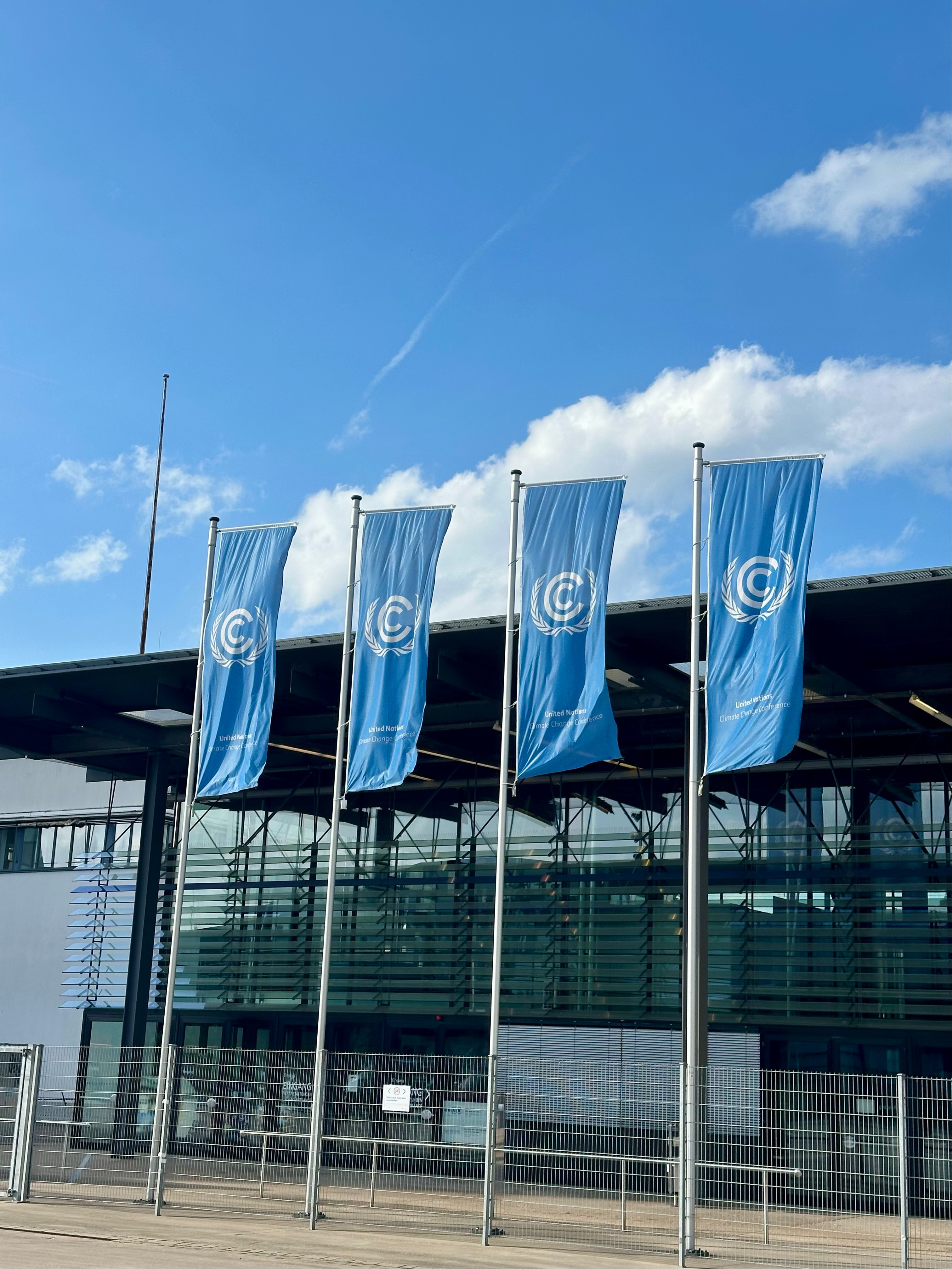
The June 2026 climate talks in Bonn opened the Paris Agreement's "implementation era.” Negotiations set a concrete electrification target, continued discussions on roadmaps for transitioning away from fossil fuels and halting deforestation and forest degradation, and assessed the progress still needed before the second Global Stocktake in 2028. For Japan and South Korea, the stakes are unusually direct, and they point towards an Asian COP33.
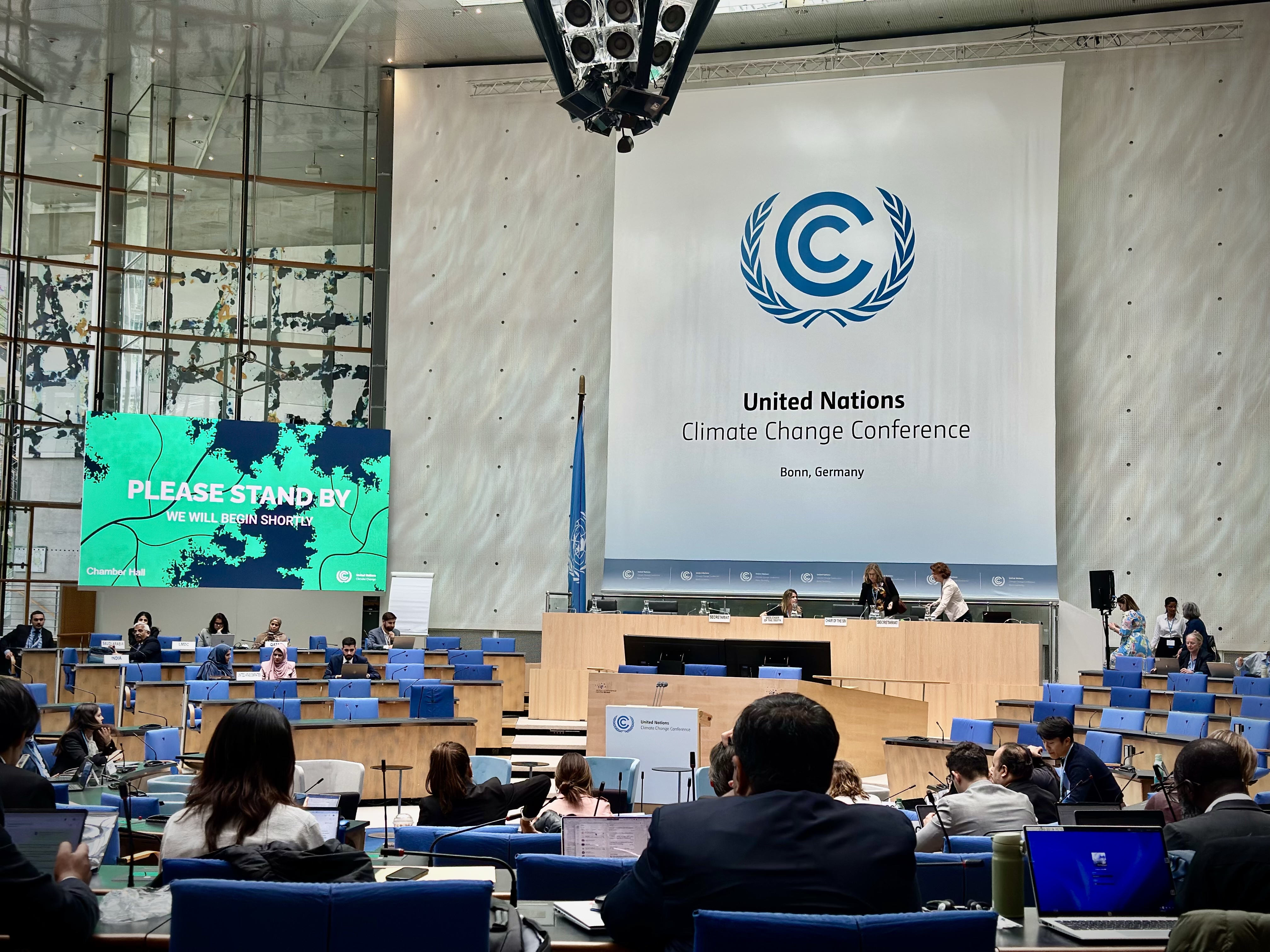
The 2026 UNFCCC June Climate Meetings, held from June 8-18, 2026, in Bonn, Germany, marked another step in the Paris Agreement’s “implementation era” as countries sought progress ahead of the second Global Stocktake in 2028. Despite the predictable stalemate on implementing the Transition Away from Fossil Fuels (TAFF) roadmap and increasing adaptation finance, the COP31 presidency was able to announce a new electrification target.
For Japan and South Korea, the outcomes of Bonn SB64 carry significant implications. In this reflection, we look back at what came out of this year’s midpoint negotiations and discuss what it means for two of Asia’s key economies, both heavily dependent on imported fossil fuels and increasingly exposed to growing electricity demand.
From Ambition to Accountability: A Look Back at Bonn SB64
Negotiations in Bonn followed a familiar theme, focusing on closing the UNFCCC’s implementation gaps. Picking up where COP30 left off, adaptation, finance and mitigation were key agenda items ahead of the second Global Stocktake (GST 2.0), which will assess countries’ progress towards action commitments on fossil fuel phaseout, renewable energy expansion, and energy efficiency improvements.
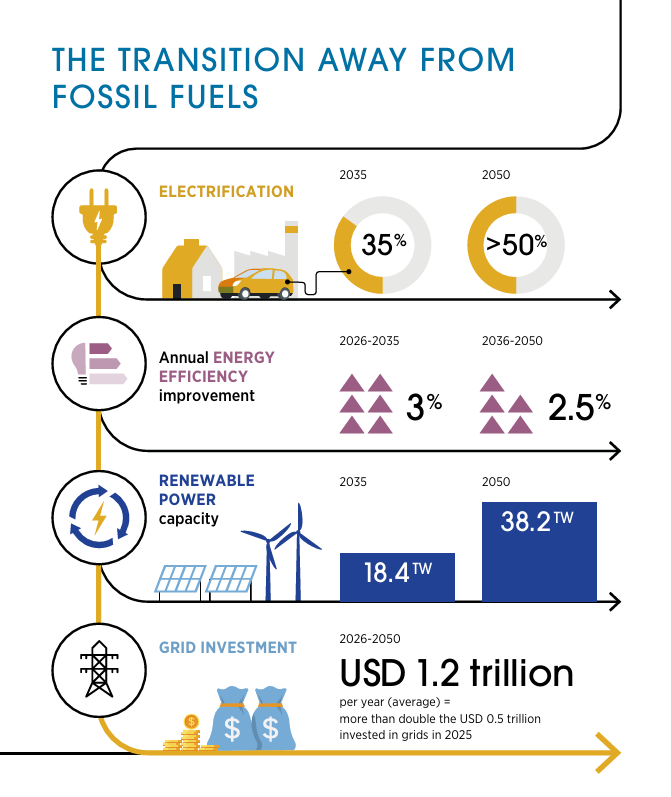
A key highlight was Türkiye’s announcement of a new electrification target as part of the COP31 Action Agenda, which sets a new quantified goal of meeting 35% of global final energy demand with electricity by 2035, up from today’s rate stalling at ~20%. Negotiations also successfully delivered a text operationalizing the Belém Antalya Mechanism (BAM) on Just Transition, as well as the launch of the presidency-led Global Implementation Accelerator, launched by both COP30 and COP31 Presidencies, meant to fast track progress on high-impact Action Agenda items.
Despite these strides, the Bonn SB64 agenda remained dominated by contentious debate over how to implement the TAFF roadmap in negotiation processes, with the start of a rapidly approaching GST 2.0 looming over.
TAFF: Roadblocks on the Way from Commitments to Implementation
The text “transition away from fossil fuels", formalized at COP28 in Dubai, remains one of the most significant outcomes of the first Global Stocktake. However, translating that commitment into practical implementation has proven difficult.
At COP30 in Belém, efforts by around 80 countries to establish a formal fossil-fuel roadmap failed amid procedural disputes and resistance from fossil fuel-dependent economies. In response, the Brazilian COP30 Presidency launched an informal roadmap process led by the Colombian government, designed to strengthen a growing coalition of the willing countries to progress on fossil fuel phaseout even outside the formal negotiations track. In April 2026, Colombia and the Netherlands convened the “Santa Marta Conference”, where roadmap discussions continued, with outcomes coming into the spotlight again at SB64.
As COP31 preparations continue, the key question is no longer whether countries support transitioning away from fossil fuels in principle, but whether they are prepared to implement it in practice.
GST 2.0: The Global Stocktake Enters Its Delivery Phase
Bonn SB64 also signaled the beginning of a process laying the groundwork for GST 2.0, set to begin at COP31 and conclude in 2028 at COP33. Discussions in Bonn focused primarily on accountability, with negotiators debating how lessons from the UAE Dialogue should inform GST 2.0 and where the process stands to become a stronger delivery tracking mechanism.
The first Global Stocktake concluded at COP28 with the UAE Consensus, which called for transitioning away from fossil fuels, tripling renewable energy capacity, and doubling the global rate of energy-efficiency improvements by 2030. Where its predecessor focused on ambition gaps, GST 2.0 will take stock of whether these commitments have been translated into stronger national policies, investment plans and actual emissions reductions. It will place greater focus on delivery gaps, with countries’ Nationally Determined Contributions (NDCs) placed back under the microscope. The results of GST 2.0 at COP33 will shape the next generation of NDCs, as well as the trajectory of global climate ambition beyond 2030.
What Bonn SB64’s Outcomes Mean for Japan and South Korea
Japan and South Korea occupy a critical position in global climate discourse, illustrating both progress and remaining gaps. Their submissions on the TAFF roadmap recommendations show proactive engagement, notably being the only submissions to come from Asia. Within their submission, Japan emphasized energy security, technological innovation, and nationally determined pathways, but missed including concrete implementation measures. While stopping short of clear targets for fossil fuel phaseout, South Korea’s submission went further, identifying priority areas such as power sector transformation, renewable energy deployment, industrial decarbonization, and finance.
As major economies and technology leaders in Asia, both countries will face increasing scrutiny over whether their domestic policies align with international climate commitments as GST 2.0 begins.
SB64’s electrification target announcement marks a unique opportunity for Asia, especially Korea and Japan. The proposed goal of reaching 35 percent of global energy demand with electricity by 2035 reflects growing recognition that decarbonization increasingly depends on electrifying industry, transport, and buildings while simultaneously expanding clean electricity supply.
According to IRENA, electrification combined with energy-efficiency gains could account for about one-third of cumulative CO₂ reductions over 2026 to 2050, roughly 110 gigatons of CO₂ avoided.
This is particularly relevant for Japan and South Korea, both highly electrified countries (compared to the global average) with some of the world's most electricity-intensive industrial sectors, including steel, petrochemicals, semiconductors, batteries, shipbuilding, and automotive manufacturing. Their challenge is not simply to use more electricity, but to decouple the electricity they use from a reliance on fossil fuels and large-scale bioenergy.
For South Korea, the greatest opportunity lies in delivering on the government’s commitment to reach 100GW of installed renewable energy capacity by 2030 while addressing unfair power market and grid structures and permitting constraints which continue to limit genuine renewable energy integration. The biggest barrier is not ambition — it is the power system itself. Outdated, rigid planning and operation under a state-owned utility monopoly designed for large, centralized generation is increasingly incompatible with the distributed, variable nature of renewable energy. Reforming this system to enable renewables to compete on a level playing field would accelerate clean electrification and reduce dependence on imported fossil fuels, strengthening long-term industrial competitiveness.
Japan faces a similar challenge. Although debates continue over the future role of nuclear power, hydrogen, and carbon capture, expanding renewable generation remains indispensable if electrification is to deliver substantial emissions reductions. Japan’s transition away from fossil fuels will ultimately depend on a rapid transition to renewable electricity, rather than locking in new fossil fuel infrastructure. Electrifying industrial processes, transport systems, and buildings using renewable power would allow Japan to reduce both fossil-fuel imports and economy-wide emissions while improving energy security.
“Clean” electrification through future-proof, fair power systems and electricity grids could become a defining regional contribution to the global climate conversation. A stronger push in this direction from Japan and South Korea could not only advance domestic emissions reduction but also support implementation across the wider region. If these economies can successfully model power system transformation in complex industrial contexts, they provide a replicable blueprint for Asia and set the tone for credible leadership at COP33.
Why COP33 Matters for the Asia-Pacific
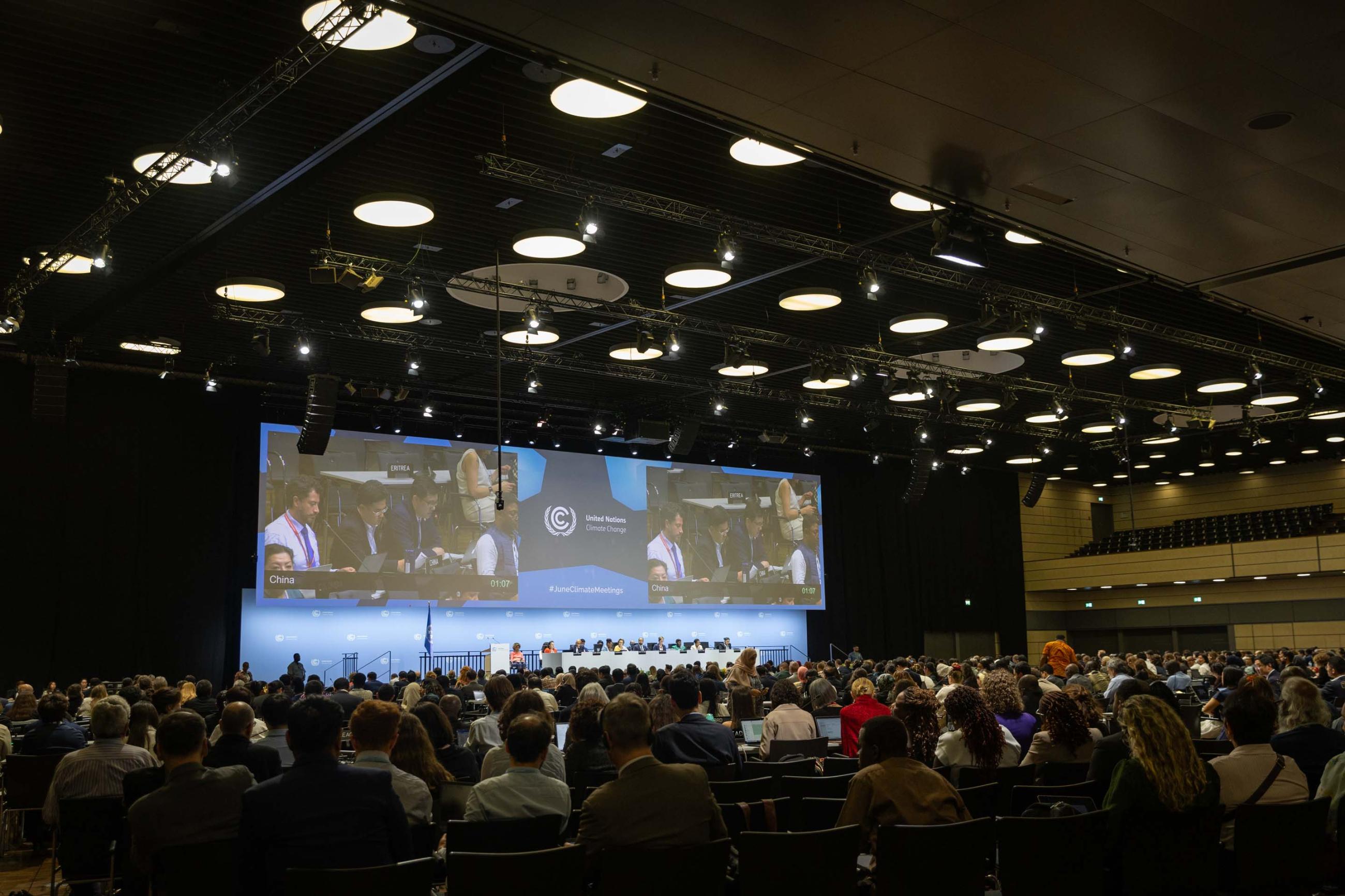
Post-Bonn SB64, global climate diplomacy is headed eastward. Under the UNFCCC rotation system, COP33 in 2028 will fall to the Asia-Pacific group. India, once considered the most likely host, withdrew its candidacy in April 2026.
The significance of COP33 extends well beyond logistics. An Asia-Pacific host presidency will play a central role in framing how the international community evaluates progress towards the Paris Agreement goals and what actions are expected next.
Priorities will vary; the heavily industrialized economies of East Asia will weigh the costs of decarbonization against industrial competitiveness, while developing countries across Southeast Asia must balance growing development demands and rising pressure to go green. For Pacific SIDS like Vanuatu, Fiji and Tuvalu, frontline exposure to the intensifying impacts of climate change means an Asia-Pacific led COP33 offers another opportunity to push for accelerated implementation in the areas of adaptation finance and fossil fuel phaseout.
For Asia, the region accounting for roughly half of global energy demand and predicted to drive the majority of future electricity growth by 2030, COP33 represents a chance to shape the global implementation agenda. As host, Asia will define how the international community evaluates progress – and to what extent that progress can be truly realized.
Much remains to be done before COP33. Bonn revealed deepening divisions, even within growing momentum. While negotiating rooms remain deadlocked over finance and mitigation, those most vulnerable found their needs sidelines as fossil fuel interests sought to delink the best available science from climate negotiations. The continuously gridlocked conversation is no longer about whether transition is necessary; it is about how to escape the “you first-ism” that delays making that transition happen.
The independent TAFF roadmap demonstrates that progress is possible even when formal processes break down. It will be these “coalitions of the willing” and beyond that determine how the global climate change response will evolve between now and GST 2.0 – and the Asia-Pacific has a critical role to play in delivering actionable change.


